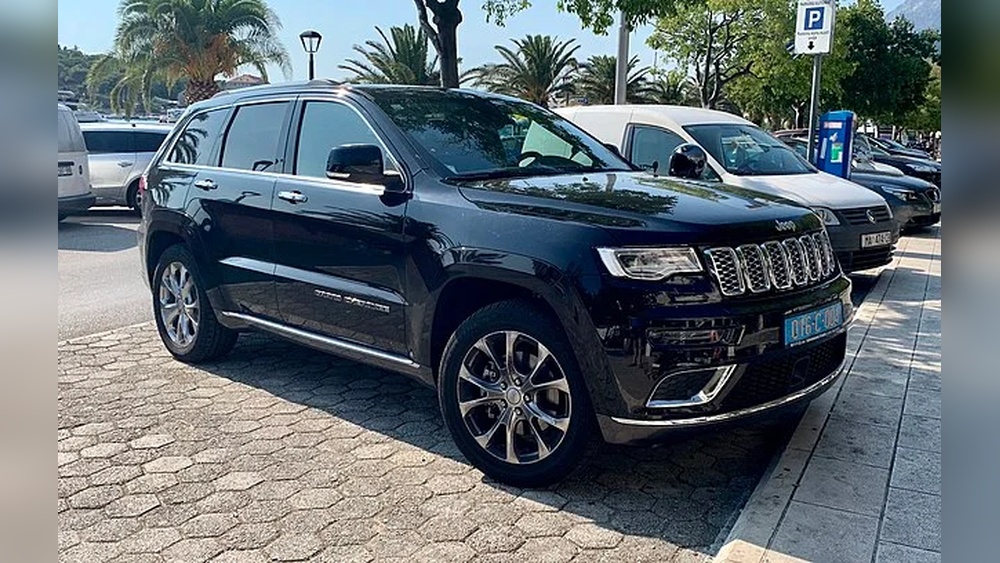
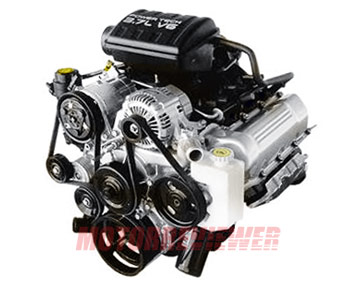
Jeep’s 3. 7L engine, often called the PowerTech V6, powered many popular models from the early 2000s to the mid-2010s.
If you own or are considering a Jeep Liberty, Grand Cherokee, Commander, or Dodge Nitro, you’ve likely come across this engine. While the 3.
7L is known for its simplicity and decent torque, it’s not without its problems. Over the years, certain issues have become so common that Jeep owners and mechanics can spot them quickly.
But what exactly are these problems, and how serious are they?
Below, we’ll break down the three most significant 3. 7L Jeep engine problems.
You’ll learn what causes them, how to recognize the warning signs, and what you can do to prevent major engine damage. If you want your Jeep to last, understanding these issues is essential.
1. Valve Seat Failure
One of the most serious and expensive problems with the 3.7L Jeep engine is valve seat failure. This isn’t something you’ll see every day with other engines, but it’s surprisingly frequent in this model.
What Is Valve Seat Failure?
Valve seats are small metal rings in the cylinder head. They help the intake and exhaust valves seal properly, keeping combustion gases where they belong.
In the 3. 7L, these seats are pressed (not cast) into the aluminum head.
Over time, heat cycles and poor cooling can cause the seat to loosen or even fall out.
Warning Signs
- Sudden loss of compression in one cylinder
- Rough idle or engine misfires
- Poor acceleration
- Sometimes, a ticking noise from the engine
When a valve seat drops, the engine can lose compression instantly. This means one cylinder stops working, causing rough running or a complete stall.
Why Does This Happen?
The main reason is overheating. If the cooling system is neglected (low coolant, clogged radiator, bad thermostat), the cylinder head can get too hot. The difference in expansion rates between the aluminum head and steel seat can cause the seat to loosen. There’s also some evidence that the factory installation wasn’t always perfect, especially in early 2000s models.
How Serious Is It?
Valve seat failure almost always means major engine work. The dropped seat can damage the piston and cylinder wall. Sometimes, the engine must be rebuilt or replaced. This is why many Jeep owners consider this the most dreaded 3.7L engine problem.
Can It Be Prevented?
- Maintain your cooling system. Flush coolant every 2–3 years.
- Watch your temperature gauge. Don’t keep driving if the engine runs hot.
- Consider upgrading to a better radiator if you tow or drive in hot climates.
Example
A 2005 Jeep Liberty owner may notice a sudden loss of power and a persistent misfire. A compression test reveals one cylinder has nearly zero compression.
Removing the head shows a valve seat has dropped and damaged the piston.
2. Excessive Oil Consumption
Another common issue with the 3.7L PowerTech is burning oil. While many engines use a little oil as they age, the 3.7L can develop serious oil consumption problems—even at moderate mileage.
How Much Oil Does It Use?
Many owners report adding 1–2 quarts every 1,000 miles. Jeep’s own specification says up to one quart per 1,000 miles can be “normal,” but anything above that is excessive.
Main Causes
- Worn piston rings: The piston rings seal the combustion chamber. As they wear, oil can slip past and burn off.
- Valve stem seal leaks: Old, brittle seals let oil drip into the cylinders.
- PCV system problems: A clogged or failed PCV valve can cause high crankcase pressure, pushing oil past seals.
Symptoms
- Blue smoke from the tailpipe, especially at startup
- Low oil level between oil changes
- Increased engine noise (from low oil pressure)
- Foul smell from burning oil
Why Is This A Problem?
Oil lubricates and cools engine parts. If you run low, you risk damaging bearings, camshafts, and even seizing the engine.
The 3. 7L is especially sensitive to low oil levels.
Practical Tips
- Check oil level every 1,000 miles. Don’t rely on warning lights—they often come on too late.
- Fix leaks early. Valve cover gaskets are easy to replace and often leak.
- Use high-quality oil. Synthetic oil may reduce consumption slightly.
- Replace the PCV valve every 30,000–50,000 miles.
Non-obvious Insight
Many Jeep owners don’t realize that long highway trips can burn more oil due to sustained high RPM. Always check your oil before and after a long drive.
Example
A 2010 Jeep Grand Cherokee with 110,000 miles starts using a quart of oil every 800 miles. The owner ignores it, and after a few months, the engine begins making a knocking sound—an early sign of low oil damage.
3. Timing Chain And Tensioner Issues
The 3.7L Jeep engine uses a timing chain, not a belt. In theory, a chain should last the life of the engine. However, on the 3.7L, the timing chain tensioners and guides are known weak points.
What Goes Wrong?
- Tensioner failure: The hydraulic tensioners lose pressure or break, letting the chain slack.
- Guide wear: The plastic guides crack or wear out, especially above 100,000 miles.
- Chain stretch: Over time, the chain itself can stretch, making the timing jump.
Warning Signs
- Rattling noise on cold starts (especially from the front of the engine)
- Check engine light for camshaft/crankshaft correlation codes
- Poor performance or stalling
If the chain jumps a tooth, the engine timing is off. This can cause misfires, loss of power, or even serious internal damage if valves hit pistons.
How To Avoid Major Damage
- Change your oil regularly. Dirty oil wears out tensioners and guides faster.
- Listen for rattles. If you hear a rattle on startup, have it checked before it gets worse.
- Replace guides/tensioners around 120,000 miles as preventive maintenance.
Repair Costs
Timing chain repairs on the 3.7L usually cost $1,200–$2,000 at a shop. Waiting until the chain fails completely can double that cost due to additional engine damage.
Example
A 2007 Jeep Commander starts rattling on cold mornings. The owner ignores it, thinking it’s just a “normal Jeep sound.
” A few weeks later, the engine dies on the highway—timing jumped, causing bent valves.
Comparing The 3.7l Jeep Engine Problems
To help you see how these issues differ, here’s a quick comparison of their seriousness, cost, and likelihood:
| Problem | Average Repair Cost | Risk if Ignored | Common Mileage |
|---|---|---|---|
| Valve Seat Failure | $2,000–$4,500 | Engine destruction | 80,000–150,000 |
| Excessive Oil Consumption | $500–$2,500 | Low oil, engine damage | 70,000–140,000 |
| Timing Chain Issues | $1,200–$2,000 | Bent valves, engine failure | 100,000–180,000 |
How The 3.7l Compares To Other Jeep Engines
If you’re wondering whether the 3.7L is worse than other Jeep engines, here’s a simple comparison:
| Engine | Known Issues | Expected Longevity |
|---|---|---|
| 3.7L PowerTech V6 | Valve seat failure, oil consumption, timing chain | 150,000–200,000 miles (with care) |
| 4.0L Inline-6 | Oil leaks, cracked manifolds | 250,000+ miles |
| 5.7L HEMI V8 | Lifter tick, MDS failures | 200,000+ miles |
As you can see, the 3. 7L is not the most reliable Jeep engine, but with good maintenance, it can still provide a long service life.
Practical Maintenance Tips For 3.7l Jeep Owners
Staying ahead of these issues can save you thousands of dollars. Here are some key tips:
- Monitor your oil. Check it at every fuel fill-up, especially before long trips.
- Flush your coolant. Every 2–3 years is a good rule of thumb.
- Listen for engine noises. Rattles and ticks are early warning signs.
- Don’t ignore warning lights. A check engine light can mean timing or compression problems.
- Keep service records. Good records help you spot patterns and improve resale value.
Non-obvious Insight
If you buy a used Jeep with the 3. 7L, always ask for cold start videos.
Many timing chain and seat issues only show up when the engine is cold.
When Should You Worry?
Some 3.7L engines run 200,000 miles with only minor issues. But if you notice any of these warning signs, act quickly:
- Blue or white smoke from the exhaust
- Sudden drop in power or rough idle
- Engine rattling on startup
- Needing to add more than one quart of oil between oil changes
Delaying repairs often leads to more expensive engine damage.
Is The 3.7l Jeep Engine Worth It?
Despite its problems, the 3.7L engine is found in affordable used Jeeps. It’s easy to work on, and parts are widely available. If you’re handy and keep up on maintenance, it can be a good budget engine. However, if you need a Jeep for heavy towing or long road trips, it may not be your best choice.
Many mechanics and Jeep enthusiasts prefer the older 4. 0L engine for reliability, but the 3.
7L is not a disaster—just a bit more high-maintenance.
For more technical details and community experiences, the Wikipedia page on Chrysler PowerTech engines is a useful resource.
Frequently Asked Questions
What Jeeps Use The 3.7l Engine?
The 3.7L PowerTech V6 was used in the Jeep Liberty, Grand Cherokee, Commander, and some Dodge Dakota and Ram 1500 models from 2002 to 2012.
How Can I Tell If My 3.7l Has A Valve Seat Problem?
Typical signs are loss of power, engine misfire, and a ticking noise. A compression test is the best way to confirm if a valve seat has dropped.
Is It Safe To Drive With Timing Chain Noise?
No. Rattling or slapping noises mean the timing chain or tensioners could fail soon. Driving further risks major engine damage.
Can High Oil Consumption Be Fixed Without Rebuilding The Engine?
Sometimes. Replacing valve seals or the PCV valve can help. But if rings are worn, a rebuild is the only permanent fix.
How Long Can A 3.7l Jeep Engine Last?
With regular maintenance and quick repairs, many 3.7L engines reach 150,000–200,000 miles. Some go further, but the key is not ignoring warning signs.
The 3. 7L Jeep engine isn’t perfect, but with knowledge and attention, you can avoid the worst problems and get many good miles out of your Jeep.