The Jeep Wrangler is a legendary vehicle known for its off-road capabilities and rugged design. Among its many configurations, the 272 1 Selec-Trac FT 4 Wheel Drive Jeep stands out as a specific and highly capable option for those seeking a versatile four-wheel-drive system.
This model, often found within the Jeep Cherokee or Grand Cherokee lines of certain generations, offers a unique blend of on-road comfort and off-road prowess, thanks to its advanced Selec-Trac system.
Understanding what this designation means and how it functions is key to appreciating its value for adventurers and daily drivers alike.
Selec-Trac is more than just a simple 4×4 system; it’s an intelligent transfer case that allows the driver to select between different drive modes. The “272” likely refers to a specific transfer case model number, and “1” could denote a particular gear ratio or feature set within that model.
The “FT” might stand for “Full-Time,” indicating a system that can operate in 4WD continuously without requiring driver intervention for most conditions. This means drivers can leave the vehicle in 4WD mode on pavement, in snow, or on trails, providing enhanced traction and stability.
This article will explore the intricacies of the 272 1 Selec-Trac FT 4 Wheel Drive system, its components, benefits, and what makes it a sought-after feature for Jeep enthusiasts.
Understanding The Selec-trac System
The Selec-Trac system is a part of Jeep’s advanced drivetrain technology designed to provide optimal traction and control in various driving conditions. Unlike traditional part-time 4WD systems that require manual engagement and are not recommended for use on dry pavement, Selec-Trac offers a full-time 4WD option.
This means the system can automatically distribute power to all four wheels as needed, or the driver can select specific modes for different situations. The “FT” designation specifically highlights its full-time capability, a significant advantage for drivers who encounter unpredictable weather or varied terrain regularly.
How Selec-trac Works
At its core, the Selec-Trac system uses a two-speed transfer case with a center differential. This center differential is the key to its full-time 4WD capability. It allows the front and rear axles to rotate at different speeds, which is essential for smooth operation on dry, paved surfaces. In contrast, traditional part-time 4WD systems lock the front and rear driveshafts together, forcing them to rotate at the same speed. This can cause “drivetrain binding” and damage the components if used on high-traction surfaces.
The Selec-Trac system typically offers several modes, selectable via a lever or a rotary knob:
- 2WD (Two-Wheel Drive): This mode powers only the rear wheels, similar to a standard rear-wheel-drive vehicle. It’s the most fuel-efficient option and suitable for dry, normal driving conditions.
- 4WD Auto (Full-Time 4WD): This is the default and most versatile mode. The system uses sensors to monitor wheel slip and automatically engages the front axle and adjusts power distribution between the front and rear wheels. This provides enhanced traction on wet roads, gravel, or light off-road situations without driver input.
- 4WD Low (4-Low): This mode engages a lower gear ratio in the transfer case, multiplying torque. It’s designed for extreme off-road conditions, such as steep inclines, rock crawling, or pulling heavy loads at low speeds. In 4WD Low, the center differential is locked, ensuring maximum traction.
- Neutral: This setting disengages the driveshafts from the transfer case, essentially putting the vehicle in neutral for towing.
The “272 1” designation likely refers to a specific variant of the Selec-Trac transfer case, possibly the NV272 model, known for its full-time 4WD capabilities. The “1” might indicate a specific gear ratio or a particular set of options within that transfer case family.
Benefits Of Selec-trac Ft
The primary benefit of the Selec-Trac FT system is its versatility and convenience. Drivers don’t have to constantly switch between 2WD and 4WD. The 4WD Auto mode provides peace of mind on slippery surfaces like snow, ice, or rain, automatically delivering power where it’s needed. This enhances safety and confidence behind the wheel.
Furthermore, the Selec-Trac system, especially in its full-time configuration, reduces wear and tear on the drivetrain compared to constantly engaging and disengaging a part-time system. It also offers a smoother driving experience on pavement when 4WD is engaged, as the center differential prevents binding.
For those who frequently transition between highway driving, city commuting, and light to moderate off-roading, the Selec-Trac FT system is an excellent compromise.
What “272 1 Selec Trac Ft” Specifically Means
While the exact interpretation of every alphanumeric code can vary slightly between manufacturers and model years, the “272 1 Selec Trac FT” designation points to a specific configuration of Jeep’s renowned four-wheel-drive system.
The “272” most commonly refers to the New Process (NP) or New Venture Gear (NV) 272 transfer case. This transfer case is a full-time 4WD system that includes a center differential. This is the critical component that allows it to be used on dry pavement without the risk of drivetrain binding. The NV272 typically offers three modes: 2WD, 4WD Auto, and 4WD Low.
The “1” could signify a specific gear ratio within the transfer case or a particular option package associated with that transfer case. For instance, it might relate to the specific ratio of the low-range gearing, which is crucial for off-road crawling and towing. Different ratios offer different levels of torque multiplication.
The “Selec Trac FT” part reiterates that it is a Selec-Trac system with Full-Time 4WD capability. This means it’s designed to be engaged and used in 4WD mode on all surfaces, including dry pavement, without causing damage.
In essence, a Jeep with the “272 1 Selec Trac FT 4 Wheel Drive” system is equipped with a sophisticated, full-time four-wheel-drive system that offers excellent on-road manners and robust off-road capability. It’s a system designed for drivers who want the convenience of automatic traction control and the option for serious off-road performance.
Components Of The 272 1 Selec Trac Ft System
The 272 1 Selec-Trac FT 4 Wheel Drive system is comprised of several key components working in harmony to deliver its advanced functionality:
Transfer Case
This is the heart of the 4WD system. The NV272 transfer case is a complex piece of machinery that contains the gears, chains, and clutches responsible for distributing power to the front and rear driveshafts. Its key feature is the center differential, which allows for variable speed between the front and rear axles. This differential can also be locked electronically or mechanically in certain modes to provide a fixed 50/50 power split for maximum traction.
Drive Shafts
There are typically two drive shafts:
- Front Drive Shaft: Connects the transfer case to the front differential.
- Rear Drive Shaft: Connects the transfer case to the rear differential.
These shafts transmit rotational power from the transfer case to the differentials at each axle.
Differentials
Each axle (front and rear) has a differential. The differential allows the wheels on the same axle to rotate at different speeds, which is necessary when turning.
In a 4WD system, the differentials ensure that power is delivered to the wheels while allowing for smooth cornering.
Control Mechanism
The driver interacts with the Selec-Trac system through a shifter lever or a rotary dial located on the dashboard or center console. This control allows the driver to select between the different drive modes (2WD, 4WD Auto, 4WD Low, Neutral). Electronic sensors and actuators manage the engagement and disengagement of the various components based on the selected mode and driving conditions.
Sensors And Electronics
Modern Selec-Trac systems often incorporate electronic sensors to monitor vehicle speed, wheel speed, and throttle position. These sensors feed data to the vehicle’s computer, which then directs the transfer case to adjust power distribution for optimal traction and stability.
Applications And Models
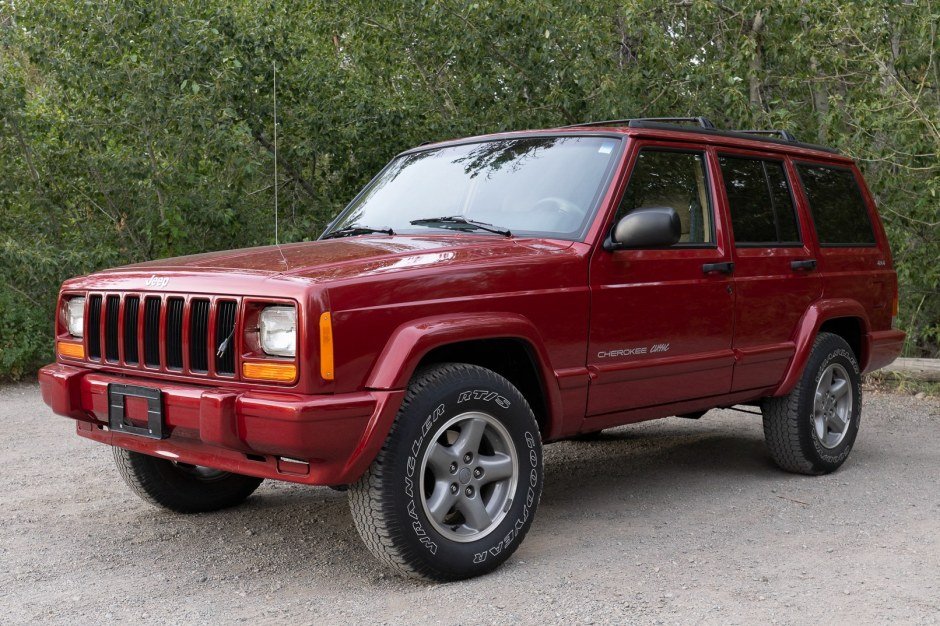
The 272 1 Selec-Trac FT 4 Wheel Drive system has been featured in various Jeep models over the years, primarily within the Jeep Cherokee (XJ and KJ/KK generations) and Jeep Grand Cherokee (ZJ, WJ, WK generations). These SUVs are known for their blend of on-road comfort and off-road capability, making them ideal platforms for such an advanced 4WD system.
Jeep Cherokee
In the Jeep Cherokee, particularly models from the late 1980s through the 2000s, the Selec-Trac system was a popular option. It provided Jeep owners with a reliable and versatile 4WD system that could handle daily driving and weekend adventures.
The NV272 transfer case was commonly found in these models, offering the full-time 4WD advantage.
Jeep Grand Cherokee
The Grand Cherokee, being Jeep's more luxurious SUV offering, often came equipped with even more advanced versions of the Selec-Trac system. The NV272 and its successors provided drivers with a sophisticated blend of capability and refinement.
This system was particularly beneficial for Grand Cherokee owners who lived in areas with frequent snow or ice, or who enjoyed occasional off-road excursions without sacrificing the comfortable ride expected of a premium SUV.
When looking for a Jeep with this specific system, it’s important to check the vehicle’s specifications or VIN decoder, as the transfer case model and its features can vary even within the same model year.
Advantages Of The 272 1 Selec Trac Ft System
The Selec-Trac FT system, particularly the NV272 variant, offers several compelling advantages for Jeep owners:
- Full-Time 4WD Capability: This is the biggest advantage. You can leave the vehicle in 4WD Auto mode all the time. The system automatically engages and disengages the front axle as needed, providing constant traction enhancement without driver intervention. This is a significant improvement over part-time systems that require manual shifting and can cause damage if used incorrectly.
- Enhanced On-Road Safety: In wet or slippery conditions, the 4WD Auto mode provides superior grip and stability compared to 2WD. This translates to safer braking, acceleration, and cornering, especially during inclement weather.
- Off-Road Prowess: While not as extreme as Jeep’s Rock-Trac system (found on Rubicon models), the Selec-Trac FT system with its 4WD Low range offers substantial off-road capability. It’s more than capable for trails, moderate inclines, and challenging terrain.
- Fuel Efficiency (in 2WD): When not needed, the system can be switched to 2WD mode, which is more fuel-efficient than constantly running in 4WD. This offers a balance between performance and economy.
- Driver Convenience: The automatic nature of the 4WD Auto mode means drivers can focus on driving rather than constantly monitoring and adjusting the 4WD system. This makes it ideal for everyday use and for drivers who may not be experienced off-roaders.
- Reduced Drivetrain Strain: Because the center differential allows for speed variations between the front and rear axles, there is less stress on the drivetrain components when turning on pavement, compared to locked part-time 4WD systems.
Disadvantages And Considerations
While the Selec-Trac FT system is highly capable, there are a few points to consider:
- Less Extreme Off-Road Capability than Rock-Trac: For serious rock crawling or extreme off-road conditions, systems like Jeep’s Rock-Trac (found on Rubicon models) with locking differentials front and rear offer superior articulation and traction. The Selec-Trac FT is more of an all-around system, not a specialized rock-crawler.
- Complexity and Maintenance: Like any advanced drivetrain system, the Selec-Trac requires proper maintenance. Fluid changes in the transfer case and differentials are crucial. More complex systems can also be more expensive to repair if something goes wrong.
- Potential for Misinterpretation: While designed for full-time use, some drivers may still be hesitant to use the 4WD modes on dry pavement due to misconceptions about 4WD systems. Understanding how the center differential works is key.
- Weight: The additional components of a 4WD system, including the transfer case and extra driveshafts, add weight to the vehicle, which can slightly impact fuel economy and performance compared to a 2WD version.
Maintenance Tips For Selec-trac Systems
Proper maintenance is key to ensuring the longevity and performance of your Selec-Trac FT system. Here are some essential tips:
- Regular Fluid Changes: Follow the manufacturer’s recommended schedule for changing the transfer case and differential fluids. These fluids lubricate critical components and dissipate heat. Using the correct type and specification of fluid is vital.
- Inspect Drivetrain Components: Periodically check the driveshafts, U-joints, and CV joints for signs of wear, damage, or leaks. A damaged U-joint can cause vibrations and eventually lead to catastrophic failure.
- Listen for Unusual Noises: Pay attention to any clunking, grinding, or whining sounds coming from the drivetrain. These could indicate issues with the transfer case, differentials, or other components.
- Test All Modes: Regularly engage and disengage all Selec-Trac modes, especially 4WD Low, to ensure the system is functioning correctly and to keep the components lubricated. This is especially important if the vehicle is primarily driven in 2WD or 4WD Auto.
- Check for Leaks: Inspect the transfer case and axle seals for any signs of fluid leaks. Leaks can lead to low fluid levels and damage to the components.

Comparing Selec-trac Ft To Other 4wd Systems
To fully appreciate the 272 1 Selec-Trac FT system, it’s helpful to compare it with other common 4WD configurations found in Jeeps and other SUVs.
Selec-trac Ft Vs. Command-trac (part-time 4wd)
Command-Trac is Jeep’s more basic part-time 4WD system. It typically features a two-speed transfer case but lacks a center differential. This means it can be shifted between 2WD, 4WD High, and 4WD Low.
- Key Difference: Command-Trac is not designed for use on dry pavement in 4WD High. Driving on high-traction surfaces in 4WD can cause drivetrain binding and damage. Selec