22 Inch Staggered Jeep Wheels: Enhancing Style And Performance
When it comes to customizing your Jeep, wheels play a pivotal role. They don't just allow your vehicle to roll; they define its stance, influence its performance, and express your personal style.
Among the vast array of options, 22-inch staggered Jeep wheels have become a popular choice for many enthusiasts looking to make a bold statement. But what exactly does "staggered" mean in this context, and why choose 22-inch wheels?
This guide will explore the ins and outs of 22-inch staggered Jeep wheels, helping you understand their benefits, drawbacks, and how to select the perfect set for your rugged ride.
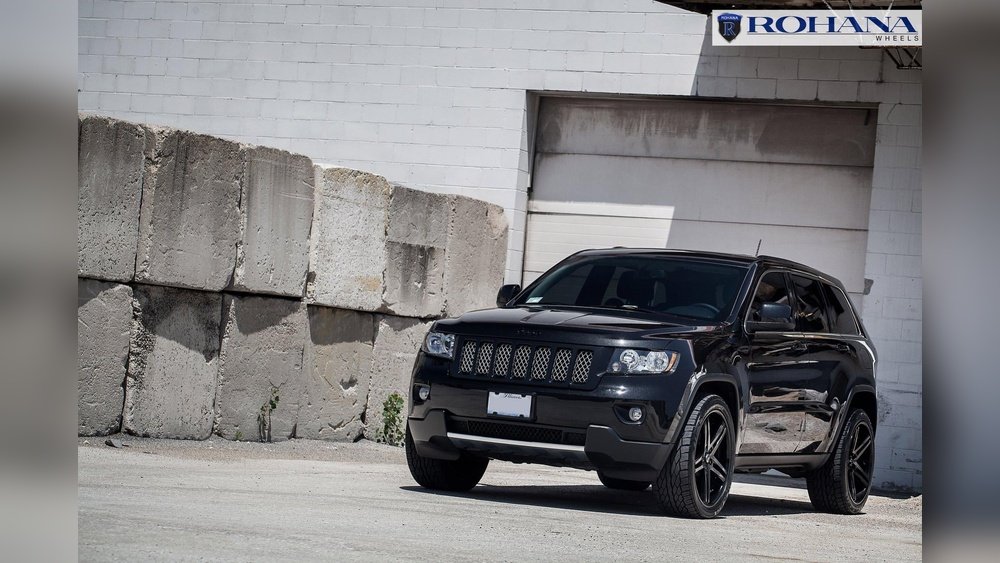
The term "staggered" refers to a wheel setup where the front and rear wheels have different widths and/or offsets. Typically, the rear wheels are wider than the front wheels.
This design is common in performance cars to improve handling and traction, but it’s also adopted for aesthetic reasons in Jeep builds.
While Jeeps are traditionally known for their off-road prowess, many owners now seek a blend of on-road refinement and head-turning looks. 22-inch wheels, being larger than the standard factory sizes, significantly alter a Jeep’s visual profile, often giving it a more aggressive and sophisticated appearance.
Choosing the right wheels is more than just picking a size and style. It involves understanding how different wheel configurations affect your Jeep's dynamics, comfort, and capability.
For 22-inch staggered setups, this means considering factors like tire size, suspension, and intended use.
Whether you’re aiming for a street-focused cruiser or a unique show vehicle, this guide will provide the insights you need.
Understanding Staggered Wheel Configurations
A staggered wheel setup means the wheels on the front axle of your Jeep are different from those on the rear axle. This difference usually involves the wheel width and sometimes the offset.
Wheel Width Differences
The most common form of staggering involves wider wheels on the rear axle compared to the front. For instance, you might have 22×9-inch wheels on the front and 22×10.
5-inch wheels on the rear. This wider stance at the back can offer several benefits.
- Aesthetics: Wider rear wheels often create a more muscular and aggressive look, filling out the wheel wells and giving the Jeep a more planted appearance. This is especially true when paired with appropriately sized tires.
- Tire Contact Patch: Wider wheels allow for wider tires. A wider tire provides a larger contact patch with the road surface. This can potentially improve grip and traction, particularly during acceleration and cornering on paved surfaces.
- Handling Dynamics: In rear-wheel-drive vehicles, wider rear tires can help manage power delivery and reduce oversteer. While Jeeps are typically 4×4, the principle of a larger contact patch at the rear can still influence how the vehicle feels, especially if modified for higher horsepower.
Offset And Backspacing
Offset and backspacing are crucial measurements that determine how a wheel sits in relation to the vehicle’s hub.
- Offset: This is the distance from the mounting surface of the wheel to the centerline of the wheel. A positive offset means the mounting surface is closer to the outside of the wheel, while a negative offset means it’s closer to the inside.
- Backspacing: This is the distance from the back of the wheel mounting surface to the outer lip of the wheel.
In a staggered setup, the offsets and backspacing of the front and rear wheels are often different to accommodate the varying widths and to ensure proper clearance for suspension components, brakes, and fenders. Incorrect offsets can lead to rubbing issues, premature wear on wheel bearings, and compromised handling.
Why Choose 22-inch Wheels For Your Jeep?
The allure of 22-inch wheels lies in their ability to dramatically change a Jeep’s visual presence. They offer a substantial upgrade from most factory wheel sizes, instantly giving the vehicle a more imposing and customized look.
Enhanced Visual Appeal
Larger diameter wheels tend to fill the wheel wells more completely, reducing the gap between the tire and the fender. This creates a more cohesive and aggressive stance. Staggered 22-inch wheels amplify this effect, with the wider rear wheels further emphasizing the Jeep’s width and power. This is a popular choice for owners who prioritize street style and a premium appearance over extreme off-road capability.
Performance Considerations On Pavement
While Jeeps are built for off-roading, many owners use them primarily for daily driving or as stylish cruisers. In this context, larger wheels can offer some benefits:
- Improved On-Road Handling: When paired with low-profile performance tires, 22-inch wheels can reduce sidewall flex during cornering, leading to a more responsive feel on paved roads.
- Braking System Accommodation: Larger wheels provide more clearance for oversized brake kits. If you’re upgrading your braking system for aesthetic or performance reasons, 22-inch wheels are often a necessity.
Tire Profile And Ride Comfort
It’s important to note that 22-inch wheels typically require low-profile tires. This means the tire has a shorter sidewall compared to standard off-road tires.
- Pros of Low-Profile Tires: Reduced sidewall flex leads to sharper steering response and better handling on smooth surfaces.
- Cons of Low-Profile Tires: Shorter sidewalls offer less cushioning, meaning bumps and imperfections in the road are felt more directly. This can result in a firmer ride and increased susceptibility to damage from potholes. Off-road performance is also generally reduced due to less tire flex and sidewall protection.
Key Considerations Before Buying
Before you commit to a set of 22-inch staggered Jeep wheels, several critical factors need careful consideration to ensure compatibility, safety, and satisfaction.
Tire Size And Sidewall Height
The tire size is inextricably linked to the wheel size. For 22-inch wheels, you’ll be looking at tires with a lower aspect ratio (the height of the tire’s sidewall as a percentage of its width).
- Maintaining Overall Diameter: To avoid significant speedometer errors and issues with electronic systems (like ABS and traction control), it’s crucial to maintain an overall tire and wheel diameter close to the original factory specifications. You can use online tire calculators to find tire and wheel combinations that keep the overall diameter similar.
- Load Rating: Ensure the tires you choose have an adequate load rating for your Jeep. Overloading your vehicle with tires that cannot support its weight is dangerous.
- Speed Rating: Similarly, the speed rating should be appropriate for the intended use of your vehicle.
Suspension And Lift Kits
Installing larger wheels, especially 22-inch ones, often necessitates modifications to your Jeep’s suspension.
- Clearance Issues: Larger wheels and tires can rub against fenders, control arms, or the frame, especially during turns or when the suspension compresses.
- Lift Kits: Many owners opt for a lift kit to increase the vehicle’s ground clearance and provide the necessary space for larger wheels and tires. The height of the lift kit required will depend on the specific wheel and tire combination. Even a mild lift can make a significant difference.
- Body Mount Chop (BMC): In some cases, particularly with aggressive tire sizes on larger wheels, a BMC might be required to prevent tire rubbing against the vehicle’s body at full steering lock.
Gearing And Performance
Larger, heavier wheels and tires can impact your Jeep’s performance in several ways:
- Acceleration: Increased rotational mass means the engine has to work harder to get the vehicle moving, potentially leading to slower acceleration.
- Fuel Economy: The extra effort required by the engine can also lead to a decrease in fuel efficiency.
- Gearing Changes: To compensate for the larger diameter and increased rotational weight, many owners re-gear their differentials. This involves changing the gear ratio to restore the Jeep’s acceleration and towing capabilities. For 22-inch wheels, re-gearing is often recommended, especially if you plan on any off-roading or towing.
Intended Use: Off-road Vs. On-road
The type of driving you do most often should heavily influence your wheel choice.
- Off-Road Focus: If serious off-roading is your priority, 22-inch wheels with low-profile tires are generally not ideal. Smaller diameter wheels (like 17-inch or 18-inch) paired with larger, more aggressive all-terrain or mud-terrain tires offer better sidewall protection, more flexibility for airing down, and improved ability to conform to uneven terrain.
- On-Road Style: For a Jeep that spends most of its time on pavement, a staggered 22-inch setup can provide a striking aesthetic. The focus here is on looks and potentially improved on-road handling with appropriate tires.
Durability And Material
Wheels come in various materials and construction methods, affecting their strength, weight, and cost.
- Cast Aluminum: The most common type. They are relatively affordable and offer good aesthetics but can be more susceptible to cracking under extreme stress.
- Flow-Formed (Rotary Forged): A hybrid process that results in a lighter and stronger wheel than cast aluminum, often with improved impact resistance.
- Forged: The strongest and lightest option, but also the most expensive. Forged wheels are typically made from a solid block of aluminum that is heated and pressed into shape. They are ideal for demanding off-road use or high-performance applications.
For a 22-inch staggered setup primarily for looks, cast or flow-formed wheels are usually sufficient. If you intend to push the boundaries off-road, investing in forged wheels might be wise, though the tire choice will be the primary limiting factor for off-road durability.
Popular 22-inch Staggered Wheel Styles For Jeeps
The market offers a wide variety of styles for 22-inch staggered Jeep wheels. Here are some popular designs that can transform your Jeep’s appearance:
- Deep Dish Wheels: These wheels feature a pronounced lip, creating a classic and muscular look. The deep dish design emphasizes the wheel’s size and can make the vehicle appear wider.
- Concave Designs: Characterized by spokes that curve inward towards the center, concave wheels add depth and a modern, aggressive aesthetic. The degree of concavity can vary, often being more pronounced on wider rear wheels in a staggered setup.
- Mesh Wheels: Featuring intricate patterns of spokes that form a mesh-like appearance, these wheels offer a sophisticated and often sporty look.
- Split-Spoke Wheels: These wheels have spokes that are divided into two or more sections, creating a dynamic and intricate visual. They can range from elegant to aggressively sporty depending on the spoke design.
- Y-Spoke Wheels: Similar to split-spoke, but the spokes typically form a ‘Y’ shape, offering a sleek and performance-oriented appearance.
- Blade or Knife-Edge Spokes: Characterized by sharp, angular spokes that give a modern, high-tech, and aggressive look.
- Two-Tone Finishes: Combining different colors, such as black with machined faces, chrome accents, or brushed metal, adds visual interest and highlights the wheel’s design features.
- Polished Chrome: A classic choice that offers a high-gloss, reflective finish, making the wheels stand out and giving a luxurious appearance.
- Satin or Matte Black: A popular choice for a stealthy, aggressive, and modern look. It can make larger wheels appear more subtle or complement a dark exterior theme.
- Gunmetal Grey: A sophisticated and versatile finish that offers a darker alternative to silver, providing a premium look without being overly flashy.
- Bronze or Copper Finishes: Increasingly popular for a unique, retro, or off-road-inspired look. These warmer tones can provide a striking contrast against many Jeep paint colors.
- Custom Paint Options: Many manufacturers offer custom paint services, allowing you to match your wheels to your Jeep’s paint color or choose a completely unique shade.
- Simulated Beadlock Wheels: These wheels mimic the appearance of traditional beadlock wheels used in extreme off-roading, featuring a bolted outer ring. They add a rugged, off-road aesthetic without the functional complexity (or cost) of true beadlocks.
- Polished Aluminum: Offers a bright, clean look that’s less reflective than chrome but still provides a premium shine.
- Carbon Fiber Accents: Some high-end wheels incorporate genuine carbon fiber elements for a lightweight and high-performance look.
- Riveted Details: Some designs incorporate faux rivets around the lip or spokes, adding a touch of industrial or classic styling.
- Hidden Lug Nuts: Wheels designed to hide the lug nuts create a cleaner, more streamlined, and premium appearance.
- Large Center Caps: Prominent center caps can add to the visual impact, often featuring the manufacturer’s logo or a stylized design.
- Off-Set Lip Designs: Where the lip of the wheel is not flat but has stepped or sculpted features, adding visual complexity.
- Directional Wheels: Where the spoke design is specific to the side of the vehicle (left or right), creating a dynamic, flowing look when viewed from the front or rear.
- Modular Designs: Wheels constructed from multiple pieces (e.g., center face and outer barrel), which can allow for more customization and unique designs.
- High Contrast Machining: Designs that use deep machining to create sharp lines and contrasts between different finishes, such as matte and gloss areas.
Example Staggered Wheel And Tire Combinations
Let’s look at a couple of hypothetical examples of 22-inch staggered wheel and tire setups for a Jeep Wrangler or Gladiator. Remember, specific fitment can vary based on the exact Jeep model, year, and any suspension modifications.
Example 1: Street Style Aggression
- Front Wheels: 22×9 inches with a +18mm offset.
- Rear Wheels: 22×10.5 inches with a +25mm offset.
- Front Tires: 285/45R22 (approx. 31.5-inch overall diameter).
- Rear Tires: 305/40R22 (approx. 32.2-inch overall diameter).
This setup provides a wider stance at the rear and uses tires that are relatively close in diameter. The higher offset for the rear wheels helps tuck them in slightly more than if they had the same offset as the front.
This combination is geared towards on-road looks and handling.
Example 2: Mildly Aggressive Stance
- Front Wheels: 22×9 inches with a 0mm