The 2017 Jeep Patriot belt system is a critical component responsible for powering various essential accessories in your vehicle. Understanding its layout, the function of each belt, and common issues can save you time and money on maintenance.
This guide will walk you through the 2017 Jeep Patriot belt diagram, explaining what each belt does and how to identify potential problems.
Keeping your belts in good condition ensures your engine runs smoothly and all its vital systems operate as they should.
Understanding The 2017 Jeep Patriot Serpentine Belt System
The 2017 Jeep Patriot, like many modern vehicles, utilizes a serpentine belt system. This single, long, and continuous belt snakes around various pulleys, driving multiple engine accessories. This design replaced older V-belt systems, offering advantages like better tensioning and more efficient power transfer. The serpentine belt is crucial for the proper functioning of your air conditioning, power steering, alternator, and water pump. If this belt fails, multiple systems will stop working, potentially leading to overheating and a loss of power steering, making it a vital part of your vehicle’s maintenance.
The Role Of The Serpentine Belt
The serpentine belt is driven by the rotation of the engine’s crankshaft. As the crankshaft turns, it spins the belt, which in turn spins the pulleys attached to various accessories. Each pulley is specifically designed to operate an accessory:
- Alternator Pulley: The alternator generates electricity to charge the battery and power the vehicle’s electrical systems.
- Power Steering Pump Pulley: This pulley drives the pump that provides hydraulic assistance to the steering system, making it easier to turn the wheels.
- Water Pump Pulley: The water pump circulates coolant through the engine and radiator, preventing it from overheating.
- A/C Compressor Pulley: This pulley engages the air conditioning compressor, which is responsible for cooling the cabin.
- Idler Pulley: This pulley is not attached to an accessory but helps maintain proper belt tension and guides the belt along its path.
- Tensioner Pulley: This is a crucial component that automatically adjusts belt tension. It uses a spring or hydraulic mechanism to keep the belt tight, preventing slippage.
A properly functioning serpentine belt ensures that all these systems receive the power they need to operate efficiently.
Locating The Serpentine Belt On Your 2017 Jeep Patriot
On the 2017 Jeep Patriot, the serpentine belt is typically located at the front of the engine, often on the passenger side. You can usually see the belt and its associated pulleys when you open the hood. The belt is a black, ribbed rubber belt that wraps around several metal pulleys. The tensioner pulley is usually identifiable by its spring-loaded arm. The path the belt takes is critical; a diagram can help you visualize this complex routing.
The Importance Of Belt Tension
Belt tension is paramount for the serpentine belt system to work correctly. If the belt is too loose, it can slip on the pulleys, leading to a loss of power to the accessories. This slippage can cause squealing noises, especially when the engine is cold or under load (like when the A/C is on). If the belt is too tight, it can put excessive strain on the bearings of the accessories and the tensioner, potentially causing premature failure. The automatic tensioner is designed to maintain the optimal tension throughout the belt’s life, but it can wear out over time.
2017 Jeep Patriot Belt Diagram Explained
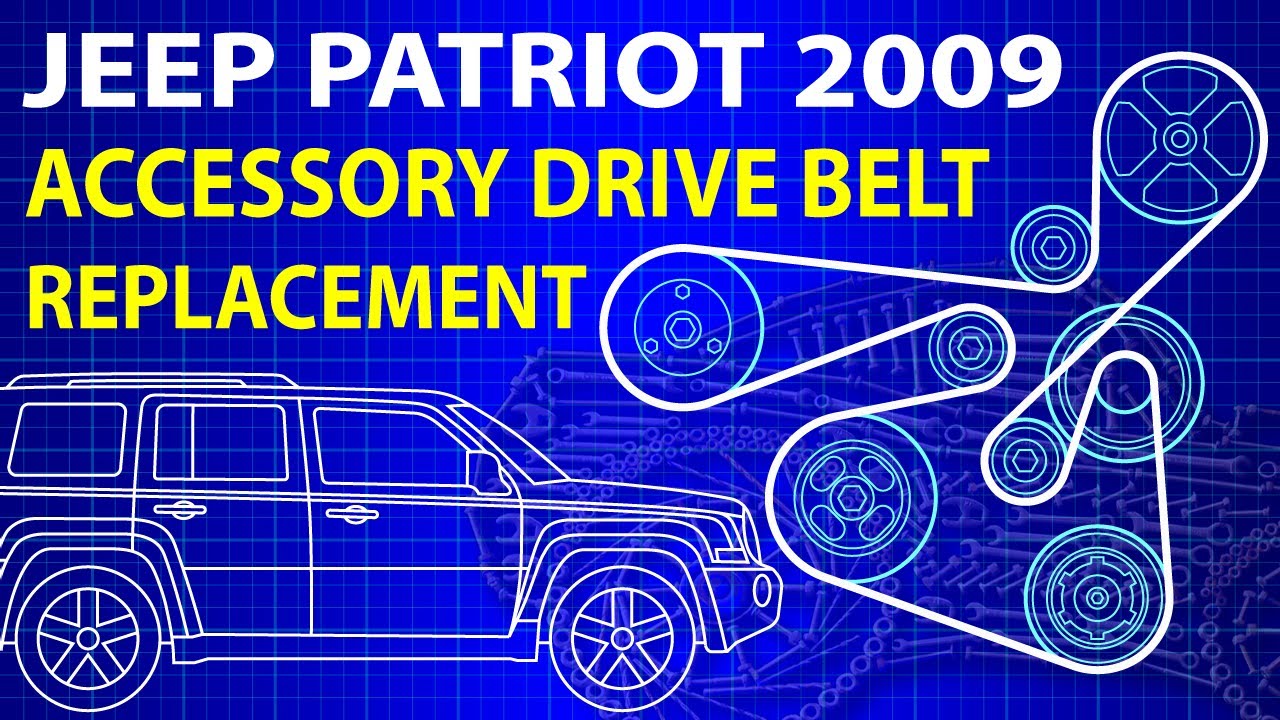
While a physical diagram is best viewed under the hood or in a service manual, we can describe the typical routing for a 2017 Jeep Patriot. The exact routing can vary slightly depending on the engine option, but the principle remains the same.
The belt originates from the crankshaft pulley, then winds its way through the other accessory pulleys, guided by the idler and tensioner pulleys.
Typical Belt Routing (conceptual)
Imagine the crankshaft pulley at the bottom, driving the belt upwards. From there, it might loop around the power steering pump, then up to the alternator.
After the alternator, it could go to the A/C compressor, then down to the water pump, and finally, back to the tensioner pulley before rejoining the crankshaft pulley.
This path is carefully engineered to ensure smooth operation and proper engagement with each pulley.
- Crankshaft Pulley: The starting point, driven directly by the engine.
- Power Steering Pump Pulley: Often one of the first accessories the belt engages after the crankshaft.
- Alternator Pulley: Crucial for electrical power generation.
- A/C Compressor Pulley: Engages the air conditioning system.
- Water Pump Pulley: Essential for engine cooling.
- Idler Pulley(s): Used to guide the belt and maintain clearance.
- Tensioner Pulley: The component that applies pressure to keep the belt tight.
Why A Visual Diagram Is Essential
A visual belt diagram for the 2017 Jeep Patriot is indispensable. It’s usually found on a sticker located in the engine bay, often on the underside of the hood or on the radiator support. If this sticker is missing or illegible, a service manual or online resource specific to your vehicle is the next best option. The diagram provides a clear, step-by-step visual of how the belt should be routed. Incorrect routing will prevent the accessories from working and can cause the belt to fray or break quickly.
Common Belt Routing Variations
While most 2017 Jeep Patriots will have a similar serpentine belt setup, there might be minor differences based on engine size or specific factory options. For instance, some models might have an additional idler pulley to accommodate a longer belt path or to improve stability.
Always refer to the diagram specific to your vehicle’s VIN or engine type to ensure accuracy.
Credit: www.youtube.com
Symptoms Of A Worn Or Damaged Serpentine Belt
Recognizing the signs of a failing serpentine belt is key to preventing roadside breakdowns. These symptoms are often audible or visible, giving you a warning before a complete failure occurs.
Early detection allows for timely replacement, saving you from more significant issues.
Audible Warning Signs
One of the most common indicators of a serpentine belt problem is a squealing noise. This noise is often most pronounced when you start the engine, especially in cold or damp weather. It can also occur when you accelerate or turn on accessories like the A/C. The squeal happens when the belt slips on the pulleys due to wear, lack of tension, or contamination (like oil or coolant).
Another sound to listen for is a grinding or rattling noise. This can indicate that a pulley bearing is failing, or that the belt itself is starting to shred. If you hear a flapping sound, it might mean the belt is damaged and parts of it are coming loose.
Visual Warning Signs
Visually inspecting the belt can reveal several issues:
- Cracks: Look for numerous small cracks on the ribbed side of the belt. These indicate the rubber is drying out and becoming brittle.
- Fraying: If the edges of the belt appear worn or are starting to unravel, it’s a sign of excessive wear or misalignment.
- Glazing: The belt surface may appear shiny or smooth. This “glazing” is a result of slippage and heat, reducing the belt’s grip.
- Contamination: Oil or coolant leaks can degrade the rubber of the belt, causing it to swell, soften, or break down.
- Missing Chunks: If pieces of the belt are missing, it’s a clear sign of impending failure.
A failing serpentine belt can also manifest in how your vehicle performs:
- Overheating: If the water pump is not being driven effectively due to belt slippage, the engine can overheat.
- Dimming Lights: A slipping alternator can lead to insufficient electrical charging, causing headlights and interior lights to dim, especially at idle.
- Loss of Power Steering: If the power steering pump is not receiving enough drive from the belt, steering can become noticeably harder.
- A/C Not Working: When the A/C compressor pulley isn’t being driven, the air conditioning will stop blowing cold air.
Replacing The Serpentine Belt On A 2017 Jeep Patriot
Replacing the serpentine belt is a maintenance task that many DIYers can handle, provided they have the right tools and follow the correct procedure. It’s crucial to have the belt diagram handy to ensure correct routing.
Tools And Materials Needed
Before you start, gather these items:
- New Serpentine Belt: Ensure it’s the correct part number for your 2017 Jeep Patriot.
- Serpentine Belt Tool Kit: This usually includes a long breaker bar and various socket attachments to fit the tensioner pulley.
- Socket Set: For removing any covers or components that might obstruct access.
- Gloves: To protect your hands.
- Safety Glasses: To protect your eyes from debris.
- Shop Rags: For cleaning pulleys if contaminated.
- The Belt Diagram: Crucial for correct routing.
Step-by-step Replacement Process
- Locate the Belt and Tensioner: Open the hood and find the serpentine belt and the automatic tensioner pulley.
- Release Belt Tension: Attach the breaker bar to the tensioner pulley. Apply steady pressure in the direction that releases tension (this is usually counter-clockwise, but check your specific vehicle). As you hold the tensioner, the belt will slacken.
- Remove the Old Belt: While holding the tensioner released, carefully slip the old belt off one of the pulleys. A common choice is an easily accessible smooth pulley, like the idler or water pump pulley. Once the belt is off one pulley, you can slowly release the tensioner and remove the belt completely.
- Inspect Pulleys: Before installing the new belt, spin each pulley by hand. They should spin freely and quietly. If any pulley feels stiff, makes noise, or has excessive play, it needs to be replaced. Also, check for any debris or fluid contamination on the pulley grooves.
- Route the New Belt: Using the belt diagram, carefully route the new belt around all the pulleys except for the last one (usually the tensioner pulley or an idler pulley). Ensure the ribs on the belt align correctly with the grooved pulleys.
- Apply Tension and Install: Once the belt is routed around all pulleys except the last, re-engage the breaker bar with the tensioner. Apply pressure to release tension again. Slip the belt onto the final pulley.
- Release Tensioner: Slowly and carefully release the tensioner. The belt should become taut.
- Double-Check Routing: Visually confirm that the belt is seated correctly on all pulleys and that the routing matches the diagram precisely.
- Start the Engine: Start the engine for a few seconds and listen for any unusual noises. Check that all accessories are functioning. Turn off the engine and re-inspect the belt to ensure it’s still properly seated.
Pro Tip: Always Use The Correct Belt
Using the wrong size or type of belt can lead to premature failure, slippage, or damage to other components. Always verify the part number against your vehicle’s specifications.
Credit: www.youtube.com
Common Issues And Maintenance For The 2017 Jeep Patriot Belt System
Beyond simple wear and tear, other issues can affect your Jeep Patriot’s serpentine belt system. Regular inspection and proactive maintenance can prevent these problems from causing major disruptions.
Belt Misalignment
If a pulley is bent, worn, or not installed correctly, it can cause the serpentine belt to run at an angle. This misalignment leads to uneven wear on the belt, premature fraying of the edges, and can even cause the belt to jump off its pulleys. It can also put stress on the bearings of the misaligned pulley and adjacent ones.
Tensioner Pulley Failure
The automatic tensioner is a critical component. If its spring weakens or its bearing fails, it can lead to insufficient belt tension.
A failing tensioner can cause the belt to slip, squeal, or even come off entirely. Sometimes, a worn tensioner can also make a rattling or flapping noise.
Pulley Bearing Failure
Each pulley (alternator, power steering, water pump, A/C compressor, idler, tensioner) has a bearing. When these bearings wear out, they can seize up or become noisy.
A seized pulley will prevent the belt from turning it, acting like an obstruction and potentially causing the belt to shred or break.
A noisy bearing often sounds like a high-pitched whine or a grinding noise that changes with engine speed.
Contamination Issues
As mentioned, oil, coolant, or power steering fluid leaks can contaminate the serpentine belt. These fluids break down the rubber, making it soft, sticky, and prone to slippage.
If you notice any fluid leaks in the engine bay, it's crucial to address the source of the leak and clean or replace the contaminated belt immediately.
Recommended Maintenance Schedule
While there’s no strict mileage interval for serpentine belt replacement that applies to all vehicles, it’s generally recommended to inspect the belt every 15,000-30,000 miles and replace it every 60,000-100,000 miles, or sooner if signs of wear are present. Always consult your owner’s manual for specific recommendations for your 2017 Jeep Patriot.
Troubleshooting Common Serpentine Belt Noises
Diagnosing the source of noise from the serpentine belt area can help pinpoint the problem. Different sounds often indicate different issues.
Squealing Noise
- Cause: Most commonly, a squealing noise indicates belt slippage. This can be due to a worn belt, insufficient tension (failing tensioner), or contamination (oil, coolant, power steering fluid) on the belt or pulleys.
- Troubleshooting:
- Inspect the belt for wear, cracks, or glazing.
- Check the tensioner’s operation.
- Look for any fluid leaks that might be contaminating the belt.
- If the belt looks good and tension is adequate, check for pulley alignment issues.
Chirping Noise
- Cause: A rhythmic chirping sound, often heard at idle or low RPMs, can sometimes be caused by a worn belt that isn’t making full contact with the pulley grooves. It can also be a sign of a slightly misaligned pulley or a weak tensioner.
- Troubleshooting:
- Inspect the belt for uneven wear or damage.
- Check the tensioner’s ability to keep the belt taut.
- Ensure all pulleys are aligned and spinning freely.
Grinding Or Whining Noise
- Cause: This type of noise usually points to a failing bearing in one of the pulleys. The alternator, power steering pump, water pump, idler, or tensioner pulley can all develop