The 2016 Jeep Patriot 2. 4L engine relies on a precisely routed serpentine belt to power essential components like the alternator, power steering pump, air conditioning compressor, and water pump.
Understanding the belt diagram is crucial for proper maintenance, troubleshooting, and replacement. This guide will walk you through the serpentine belt system for your 2016 Jeep Patriot with the 2.
4-liter engine, providing clarity on its path and key considerations.
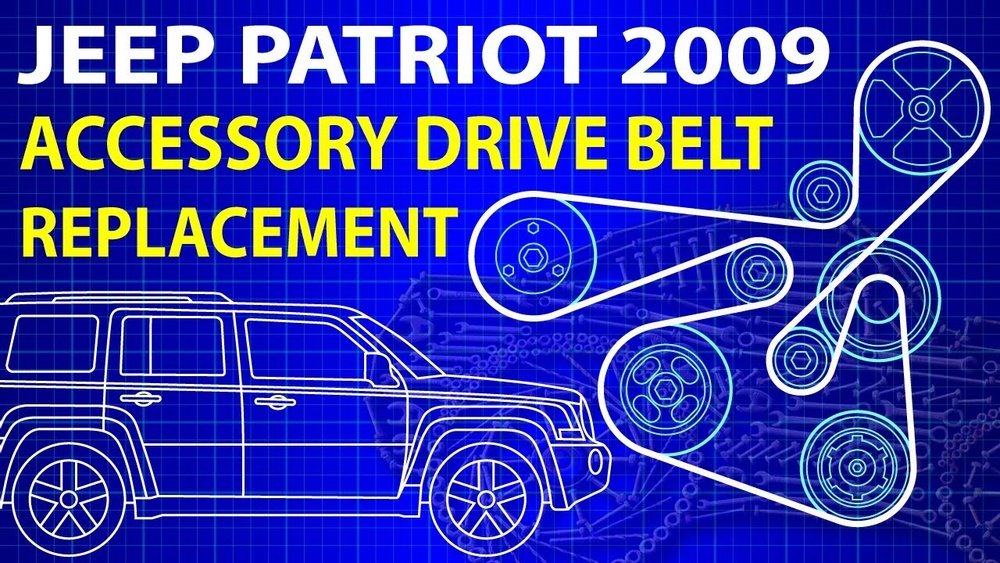
The serpentine belt is a single, continuous rubber belt that snakes around several pulleys. When this belt is functioning correctly, it ensures that all the accessories it drives operate smoothly.
However, over time, belts can wear out, crack, or slip, leading to a loss of power to these accessories.
A broken belt means immediate loss of functions like charging the battery (alternator), assisting steering (power steering pump), cooling the engine (water pump), and providing cabin comfort (AC compressor). Identifying the correct routing is the first step in addressing any issues.
Understanding The Serpentine Belt System
The serpentine belt system in your 2016 Jeep Patriot 2.4L is designed for efficiency and reliability. Unlike older vehicles that might have used multiple V-belts, the serpentine belt is a single, multi-ribbed belt that drives all the engine’s accessories. This design simplifies the system, reduces weight, and generally offers better performance and longevity. The belt is kept under tension by an automatic belt tensioner, which adjusts as the belt stretches or wears.
Key Components Driven By The Serpentine Belt
Several vital parts of your Jeep Patriot depend on the serpentine belt’s continuous rotation. Knowing these components helps in diagnosing problems and understanding the belt’s importance.
- Alternator: This component is responsible for generating electrical power to charge the battery and run the vehicle’s electrical systems while the engine is running. If the alternator is not driven, the battery will eventually drain, leading to engine shutdown.
- Power Steering Pump: This hydraulic pump provides the power assist for your steering. When the belt driving it is loose or broken, steering will become significantly harder, especially at low speeds.
- Water Pump: The water pump circulates coolant through the engine and radiator, preventing overheating. A non-functional water pump is a serious issue that can quickly lead to engine damage.
- Air Conditioning (AC) Compressor: This component is responsible for the cooling function of your vehicle’s air conditioning system. While not critical for engine operation, its failure impacts passenger comfort.
- Idler Pulley(s): These pulleys do not drive any accessories but are used to guide the belt along its path, ensure proper tension, or take up slack.
The Role Of The Belt Tensioner
The automatic belt tensioner is a critical part of the serpentine belt system. It maintains the correct tension on the belt, which is essential for it to grip the pulleys properly and transmit power effectively. Without adequate tension, the belt can slip, leading to noise (squealing) and inefficient operation of the driven accessories. Over time, tensioners can weaken or fail, requiring replacement along with the belt. A failing tensioner might make a rattling or chirping noise.
2016 Jeep Patriot 2.4l Serpentine Belt Diagram Explained
Locating and understanding the serpentine belt diagram for your specific vehicle is paramount. The diagram illustrates the exact path the belt takes around each pulley.
While visual diagrams are often found in repair manuals or online resources, we can describe the typical routing for a 2016 Jeep Patriot with the 2.
4L engine. The exact configuration can sometimes vary slightly based on manufacturing date or specific options, so always cross-reference with a diagram specific to your VIN if possible.
The belt typically starts at the crankshaft pulley, then snakes around the power steering pump, alternator, AC compressor, water pump, and finally engages with the tensioner pulley before returning to the crankshaft. The ribbed side of the belt engages with grooved pulleys, while the smooth side runs against the smooth pulleys.
Common Belt Routing Path (illustrative)
Imagine the belt starting at the bottom pulley (crankshaft). From there, it might go up and over the power steering pump pulley, then down to wrap around the alternator pulley.
From the alternator, it could loop up to the water pump, then down to the AC compressor.
Finally, it would pass over the tensioner pulley, which is usually mounted on a spring-loaded arm, before completing its circuit back to the crankshaft pulley.
Visualizing The Belt Path
To truly grasp the serpentine belt’s path, it’s best to consult a visual aid. You can often find these diagrams:
- Under the Hood: Many vehicles have a sticker with the serpentine belt routing diagram located on the radiator support, hood underside, or strut tower. This is the most convenient place to find it.
- Owner’s Manual: While less common for detailed belt diagrams, the owner’s manual might offer basic information.
- Online Repair Manuals/Forums: Websites dedicated to Jeep Patriot repair or general automotive forums often have diagrams shared by other owners or mechanics.
- Professional Repair Manuals: Resources like Haynes or Chilton manuals provide detailed diagrams and procedures.
Importance Of Correct Routing
Installing the belt incorrectly is a common mistake that can lead to immediate problems. If the belt is routed improperly, it will not engage all the necessary pulleys, or it might rub against components it shouldn't, causing damage.
Always double-check the routing against a reliable diagram before starting the engine after a belt replacement.
Replacing The Serpentine Belt
Replacing the serpentine belt is a maintenance task that many DIY enthusiasts can handle. However, it requires attention to detail and the right tools.
The process generally involves releasing tension from the belt tensioner to remove the old belt and then carefully routing the new belt before releasing the tensioner to put it in place.
Tools And Materials Needed
Before you begin, gather the necessary items:
- New Serpentine Belt: Ensure you have the correct belt for your 2016 Jeep Patriot 2.4L. Check your owner’s manual or consult an auto parts store.
- Serpentine Belt Tool Kit (Recommended): This kit typically includes various pry bars and adapters that fit the tensioner pulley or mounting bolt, allowing you to rotate the tensioner arm.
- Wrench or Socket Set: You might need these for other related tasks or if your tensioner tool requires them.
- Gloves and Safety Glasses: For protection.
- Flashlight: To see clearly in the engine bay.
Step-by-step Replacement Guide
- Locate the Belt and Tensioner: Identify the serpentine belt and the automatic tensioner. The tensioner is usually a spring-loaded arm with a pulley on the end.
- Release Belt Tension: Using the appropriate tool (often a long-handled wrench or a dedicated serpentine belt tool), engage the tensioner pulley or its mounting bolt. You will need to rotate the tensioner arm against its spring pressure. This action loosens the belt.
- Remove the Old Belt: While holding the tensioner in the loosened position, slip the old belt off one of the pulleys (usually the easiest one to reach, like an idler pulley or the alternator). Once the belt is off one pulley, you can slowly release the tensioner. Then, carefully remove the entire belt from the remaining pulleys.
- Route the New Belt: Refer to your belt diagram. Carefully place the new belt around all the pulleys except for one. It’s usually easiest to leave the belt off the tensioner pulley or a smooth idler pulley until the very end. Ensure the belt is seated correctly in the grooves of the ribbed pulleys.
- Apply Tension and Install: Once the belt is routed around all other pulleys, use your tool to rotate the tensioner arm again, releasing tension. Slip the belt onto the final pulley (the one you left off).
- Release Tensioner Slowly: Slowly and carefully release the tensioner arm. The tensioner will automatically tighten the new belt.
- Inspect and Start: Double-check that the belt is properly seated on all pulleys and is not twisted. Start the engine and listen for any unusual noises. Let it run for a few minutes, observing the belt to ensure it’s tracking correctly.
Common Mistakes To Avoid
- Incorrect Belt Routing: This is the most frequent error. Always use a diagram.
- Forcing the Belt: If the belt doesn’t seem to fit, re-check the routing. Don’t try to force it, as this can damage the belt or pulleys.
- Ignoring the Tensioner: Ensure the tensioner is functioning correctly. If it’s seized or weak, it needs to be replaced.
- Not Inspecting Pulleys: While replacing the belt, briefly inspect all pulleys for signs of wear, wobble, or damage. A bad pulley can quickly ruin a new belt.
Troubleshooting Serpentine Belt Issues
Experiencing problems with your serpentine belt can manifest in several ways. Recognizing these symptoms can help you diagnose issues before they lead to more significant damage or roadside trouble.
Common Symptoms Of A Failing Belt
- Squealing Noise: A high-pitched squeal, especially on startup or when accelerating, is often the first sign of a slipping belt. This can be due to wear, improper tension, or contamination (like oil or coolant) on the belt.
- Chirping Sound: A persistent chirping might indicate a worn belt or a failing tensioner or idler pulley bearing.
- Cracks or Glazing: Visually inspect the belt. Cracks, fraying, or a shiny, glazed appearance on the belt’s surface indicate wear and the need for replacement.
- Loss of Accessory Function: If your power steering feels heavy, the battery warning light comes on, or the AC stops blowing cold, the serpentine belt might be the culprit.
- Visible Belt Damage: Any fraying, missing chunks, or excessive stretching of the belt means it needs immediate replacement.
When you hear a squeal, the first step is to visually inspect the belt. If it looks worn or damaged, replacement is likely needed. If the belt looks good, the issue might be with the belt tensioner. A weak tensioner won’t keep enough pressure on the belt, causing it to slip. You can sometimes check the tensioner’s health by observing its movement or listening for bearing noise.
If the belt is intact and the tensioner seems fine, check the driven accessories. A seized component (like a water pump bearing or AC compressor clutch) can put excessive drag on the belt, causing it to slip or even break.
When To Seek Professional Help
While belt replacement is often a DIY job, there are times when professional assistance is advisable:
- Unfamiliarity with the process: If you’re not comfortable working on your car’s engine.
- Difficult Access: Some engine bays make accessing the tensioner and belt very challenging.
- Suspected Pulley or Component Failure: If you suspect a bearing failure in a pulley or a seized accessory, a mechanic has the specialized tools and experience to diagnose and replace these parts.
- Persistent Issues: If you replace the belt and the problem persists, a professional can help pinpoint the underlying cause.

Credit: www.jeeppatriot.com
Maintenance And Longevity
Proper maintenance is key to ensuring your serpentine belt lasts its intended lifespan and prevents unexpected failures.
Recommended Replacement Intervals
The lifespan of a serpentine belt can vary significantly based on driving conditions, material quality, and manufacturing. However, most manufacturers recommend inspecting the belt regularly and replacing it typically between 60,000 to 100,000 miles. It’s also a good practice to have it inspected during other routine maintenance services, such as oil changes.
Factors Affecting Belt Life
- Heat: Engine bay temperatures can degrade rubber over time.
- Contamination: Exposure to oil, coolant, or power steering fluid can break down the belt material.
- Tension: Incorrect tension (too loose or too tight) can cause premature wear.
- Pulley Condition: Worn or misaligned pulleys can cause uneven belt wear.
- Driving Conditions: Frequent short trips, stop-and-go traffic, and extreme temperatures can shorten belt life.
Proactive Inspection Tips
Make it a habit to visually inspect your serpentine belt periodically. Look for:
- Cracks: Especially along the ribbed side.
- Fraying: Any separation of the belt material.
- Glazing: A shiny, smooth surface on the belt’s contact areas.
- Tensioner Movement: Observe if the tensioner arm is oscillating excessively or seems weak.
By performing these simple checks, you can often catch potential problems early and schedule a replacement before the belt fails completely.
Serpentine Belt Replacement Cost Considerations
The cost to replace a serpentine belt can vary depending on whether you do it yourself or have a professional mechanic perform the service.
Diy Replacement Costs
If you choose to replace the belt yourself, your primary costs will be for the new belt and any tools you might need.
- Serpentine Belt: Prices typically range from $20 to $60, depending on the brand and quality.
- Serpentine Belt Tool Kit: If you don’t already own one, a basic kit can cost between $30 and $70.
Total DIY Cost: Approximately $50 – $130.
Professional Replacement Costs
When you take your Jeep Patriot to a mechanic, the cost will include parts and labor.
- Parts (Belt): The mechanic will likely use a reputable brand, costing around $30 to $70.
- Labor: The time it takes to replace the belt is usually minimal, often 0.5 to 1.0 hours. Labor rates vary by location but can range from $80 to $150 per hour.
- Tensioner/Idler Pulley (if needed): If the tensioner or an idler pulley also needs replacement, this will add significantly to the cost. A tensioner assembly can range from $50 to $150, plus additional labor.
Total Professional Cost (Belt Only): Approximately $110 – $220.
Total Professional Cost (Belt + Tensioner): Approximately $160 – $370+.
It’s always a good idea to get a quote from a couple of different repair shops to compare prices.
Credit: www.jeeppatriot.com
Understanding Different Belt Types (though The Patriot 2.4l Uses One)
While the 2016 Jeep Patriot 2. 4L engine uses a single serpentine belt, it’s worth noting that older vehicles or different engine configurations might use multiple belts.
Serpentine Vs. V-belts
- Serpentine Belt: A single, multi-ribbed belt that drives multiple accessories. This is the modern standard for most passenger vehicles