The 2014 Jeep Wrangler is a vehicle known for its rugged capability and off-road prowess. To keep this iconic machine running smoothly, understanding its serpentine belt system is crucial.
This system powers essential components like the alternator, power steering pump, and air conditioning compressor. A broken or worn belt can quickly disable your Wrangler, leaving you stranded.
This guide will walk you through the 2014 Jeep Wrangler belt diagram, explaining its layout and the importance of each component.
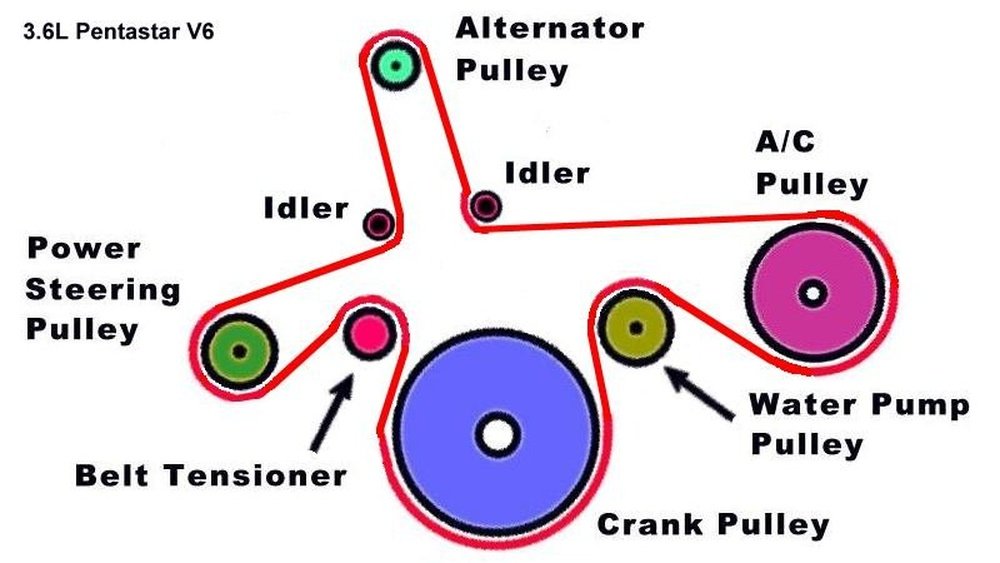
Proper maintenance of your serpentine belt is not just about preventing breakdowns; it’s about ensuring the longevity and optimal performance of your Jeep. A frayed belt can slip, leading to reduced efficiency of the accessories it drives, or it can snap entirely, causing immediate system failures. Knowing the belt’s path and understanding when it needs replacement can save you significant time and money. We’ll cover the typical routing for the 2014 model, common issues, and replacement tips to help you keep your Wrangler ready for any adventure.
Understanding The Serpentine Belt System
The serpentine belt is a single, continuous belt that snakes around various pulleys on the engine. Unlike older V-belts, which required multiple belts for different accessories, the serpentine belt efficiently drives all of them.
This modern design simplifies the engine bay and reduces the number of potential failure points.
For the 2014 Jeep Wrangler, this belt is a critical component responsible for the operation of several vital systems.
Key Components Driven By The Serpentine Belt
The serpentine belt engages with multiple pulleys, each connected to a specific vehicle function. Understanding what each pulley drives helps in diagnosing issues and appreciating the belt’s importance.
- Alternator Pulley: The alternator generates electricity to charge the battery and power the vehicle’s electrical systems. A failing alternator, often indicated by a dimming battery light, can be a sign of a slipping or damaged serpentine belt.
- Power Steering Pump Pulley: This pulley drives the power steering pump, which assists in turning the steering wheel. If the belt is worn or loose, you might experience stiff steering, especially at low speeds.
- Water Pump Pulley: The water pump circulates coolant through the engine to prevent overheating. A belt that isn’t driving the water pump effectively can lead to engine overheating, a serious condition that can cause severe engine damage.
- Air Conditioning (A/C) Compressor Pulley: This pulley engages the A/C compressor, which is responsible for cooling the cabin. While not essential for driving, a non-functional A/C system can be a significant comfort issue, particularly in warmer climates.
- Tensioner Pulley: The tensioner pulley is crucial. It uses a spring or hydraulic mechanism to maintain the correct tension on the serpentine belt. This ensures the belt grips the other pulleys properly and prevents slippage. A faulty tensioner can lead to premature belt wear or a broken belt.
- Idler Pulleys: Idler pulleys are used to redirect the belt’s path, allowing for a more compact engine design or to take up slack. They typically do not drive any accessories but are essential for the correct routing and tensioning of the belt.
How The Serpentine Belt Works
The serpentine belt relies on friction to transfer power from the engine’s crankshaft pulley to the accessory pulleys. The tensioner pulley applies constant pressure, ensuring sufficient grip. When the belt is new and properly aligned, this friction is enough to drive all the accessories at the required speeds. However, as the belt ages, it can become glazed, cracked, or stretched, reducing its ability to grip the pulleys. This can lead to squealing noises, especially on startup or when accessories are engaged, and eventually to slippage or complete failure.
2014 Jeep Wrangler Serpentine Belt Diagram And Routing
The exact routing of the serpentine belt is critical for the proper functioning of all accessories. While specific variations might exist based on optional equipment, the general layout for the 2014 Jeep Wrangler is consistent.
It's essential to consult a specific diagram for your vehicle's configuration, but this overview provides a common path.
Common Belt Routing For The 2014 Jeep Wrangler (3.6l V6 Engine)
The 3.6L Pentastar V6 engine is standard in the 2014 Jeep Wrangler. The serpentine belt on this engine typically follows a path that engages the following pulleys in sequence:
- Crankshaft Pulley: The belt starts at the crankshaft pulley, which is driven by the engine’s rotation.
- Power Steering Pump Pulley: From the crankshaft, the belt wraps around the power steering pump pulley.
- Alternator Pulley: Next, it moves to the alternator pulley.
- A/C Compressor Pulley: The belt then goes around the A/C compressor pulley.
- Water Pump Pulley: After the A/C compressor, the belt engages the water pump pulley.
- Tensioner Pulley: The belt then passes over the tensioner pulley, which applies the necessary force.
- Idler Pulley: Finally, it wraps around an idler pulley before returning to the crankshaft pulley.
Pro Tip: Always refer to the underhood emissions label or a service manual for the precise belt routing diagram specific to your 2014 Jeep Wrangler. This diagram is often printed on a sticker located in the engine bay, usually on the underside of the hood or a fender. Having this visual guide is invaluable when replacing the belt or troubleshooting issues.
Visualizing The Belt Path
Imagine the belt as a long ribbon weaving through the pulleys. It needs to make contact with each accessory pulley's groove to drive it effectively.
The tensioner pulley is the key to maintaining this contact. If the belt is routed incorrectly, it won't engage all the necessary pulleys, or it might rub against components it shouldn't, leading to rapid wear or damage.
Importance Of Correct Routing
Incorrect belt routing is a common mistake during replacement. It can lead to:
- Non-functional accessories: If a pulley isn’t engaged, the accessory it drives won’t work.
- Premature belt wear: If the belt rubs against a non-pulley surface or is misaligned, it can wear out very quickly.
- Pulley damage: Misrouted belts can put undue stress on bearings of pulleys they shouldn’t be in contact with.

Credit: www.youtube.com
Signs Of A Failing Serpentine Belt
Recognizing the symptoms of a worn or damaged serpentine belt is crucial for proactive maintenance. Ignoring these signs can lead to unexpected breakdowns.
Audible Warnings
One of the most common indicators of a serpentine belt problem is noise.
- Squealing: A high-pitched squealing sound, especially noticeable when starting the engine, accelerating, or turning the steering wheel, often indicates a slipping belt. This can be due to wear, glazing, or insufficient tension.
- Chirping: A persistent chirping sound might suggest a worn belt or a failing pulley bearing.
Visual Indicators
Regularly inspecting the serpentine belt can reveal signs of wear before they cause a problem.
- Cracks: Look for cracks on the ribbed side of the belt. Small, shallow cracks might be normal for an older belt, but deep or numerous cracks are a cause for concern.
- Fraying: Check for frayed edges or separation of the belt’s layers. This indicates significant wear and a high risk of failure.
- Glazing: The ribbed surface of the belt might appear shiny or glazed. This is a sign that the belt is no longer gripping the pulleys effectively.
- Missing Chunks: Any missing pieces or chunks from the belt indicate severe damage and the need for immediate replacement.
Performance Issues
The function of the accessories driven by the belt can also signal a problem.
- Power Steering Loss: If you experience stiff steering, particularly at lower speeds or when turning, the power steering pump might not be getting enough drive from the belt.
- Overheating: An engine temperature gauge that climbs into the red zone can be a sign that the water pump is not circulating coolant effectively due to a slipping belt.
- Battery Light: While often associated with alternator issues, a dimming battery warning light on the dashboard can also occur if the belt is slipping and not allowing the alternator to charge properly.
- A/C Malfunction: If your air conditioning stops blowing cold air, it could be that the A/C compressor pulley is not being driven by the belt.
Replacing The Serpentine Belt
Replacing a serpentine belt is a task that many DIYers can accomplish, but it requires care and attention to detail. The process involves releasing tension from the belt, removing the old belt, routing the new belt correctly, and then releasing the tensioner to put the new belt in place.
Tools And Materials Needed
Before you start, gather the necessary tools and parts:
- New Serpentine Belt: Ensure you have the correct belt for your 2014 Jeep Wrangler, matching the engine size and any specific options.
- Serpentine Belt Tool Kit: This is highly recommended. It includes a long-handled tensioner wrench and various adapter heads to fit different tensioner pulley bolts.
- Socket Set and Ratchet: For removing any covers or components that might obstruct access.
- Gloves and Safety Glasses: To protect your hands and eyes.
- Flashlight: To see clearly in the engine bay.
- Belt Routing Diagram: As mentioned, have this readily available.
Step-by-step Replacement Guide
- Locate the Belt and Tensioner: Open the hood and identify the serpentine belt and its routing. Find the tensioner pulley, which is typically spring-loaded.
- Release Belt Tension: Attach the appropriate tool to the tensioner pulley bolt. Using the long handle of the tool, carefully rotate the tensioner pulley to release tension on the belt. This will create slack, allowing you to slip the belt off one of the pulleys.
- Remove the Old Belt: Once slack, carefully maneuver the old belt off the pulleys. Pay close attention to how it was routed.
- Route the New Belt: Following your diagram, carefully route the new belt around all the pulleys except for the tensioner pulley. Ensure the ribbed side of the belt engages the ribbed pulleys and the smooth side engages the smooth pulleys.
- Apply Tension and Install: Once the belt is correctly routed, use your tool to rotate the tensioner pulley again, creating slack. Slip the belt onto the tensioner pulley.
- Release Tensioner Slowly: Slowly and carefully release the tensioner tool. The tensioner will spring back, tightening the new belt onto all the pulleys.
- Double-Check Routing: Visually inspect the entire belt path one last time to ensure it is correctly seated on all pulleys and that no part of it is rubbing against anything it shouldn’t.
- Start the Engine: Start the engine and listen for any unusual noises. Let it run for a few minutes and observe the belt’s movement. Check that all accessories are functioning correctly.
Warning: Never use excessive force when manipulating the tensioner. If you encounter significant resistance, re-check the belt’s routing. Forcing it can damage the new belt or the tensioner mechanism.

Credit: www.youtube.com
Maintenance And Longevity Tips
Extending the life of your serpentine belt involves more than just replacing it when it fails. Regular checks and addressing related issues promptly can prevent premature wear.
Regular Inspections
Make it a habit to inspect your serpentine belt during routine maintenance, such as oil changes. Look for the visual signs of wear mentioned earlier. A quick glance can save you from a roadside breakdown.
Addressing Pulley Issues
A worn or failing pulley bearing can quickly destroy a new serpentine belt. If you notice a wobbly pulley or hear a grinding noise from a specific pulley, it needs to be addressed before replacing the belt.
Proper Tensioning
As mentioned, the tensioner pulley is vital. If the tensioner is weak or failing, it won't keep the belt tight enough, leading to slippage and premature wear.
Replace a faulty tensioner along with the belt if necessary.
Environmental Factors
Exposure to oil, coolant, or power steering fluid can degrade the rubber of the serpentine belt. If you notice any fluid leaks in the engine bay, address them promptly to protect your belt.
Belt Material And Quality
When replacing the belt, opt for a high-quality replacement part from a reputable brand. While cheaper belts might seem appealing, they often don’t last as long or perform as reliably, especially under the demanding conditions a Jeep Wrangler might face.
Common Serpentine Belt Issues And Solutions
Even with proper maintenance, serpentine belts can develop issues. Understanding these common problems and their solutions is key to keeping your 2014 Jeep Wrangler running.
Symptom: Squealing Noise
- Possible Cause: Slipping belt due to wear, glazing, low tension, or contamination (oil, coolant).
- Solution: Inspect the belt for wear or contamination. Clean pulleys if contaminated. Check tensioner operation. If the belt is worn or glazed, replace it. If tension is low, the tensioner may need replacement.
Symptom: Chirping Noise
- Possible Cause: Worn belt, misaligned pulley, or a failing bearing in one of the pulleys (tensioner, idler, or accessory).
- Solution: Inspect the belt. If it looks good, use a mechanic’s stethoscope or a piece of hose to pinpoint the noise to a specific pulley. Replace the faulty pulley.
Symptom: Belt Shredded Or Broken
- Possible Cause: Extreme wear, sudden impact (e.g., hitting an object), seized accessory pulley, or a faulty tensioner that allowed the belt to jump off.
- Solution: Replace the belt. Thoroughly inspect all pulleys for damage or seizure. Check the tensioner’s operation. Investigate why the belt broke; a seized pulley or faulty tensioner is a common culprit.
Symptom: Accessories Not Working (a/c, Power Steering, Etc.)
- Possible Cause: Belt is broken, slipped off, or significantly worn and not engaging pulleys properly.
- Solution: Inspect the belt’s condition and routing. Replace if damaged or improperly routed. Check the tensioner. If the belt looks fine, the issue might be with the specific accessory itself, not the belt.

Credit: www.wayalife.com
Advanced Considerations And When To Seek Professional Help
While many owners can handle serpentine belt replacement, there are situations where professional assistance is advisable.
Complex Engine Bays
Some engine configurations can make accessing the belt and tensioner difficult. If your engine bay is particularly cramped or if components are obscuring the belt path, a mechanic may have the specialized tools and experience to perform the job more efficiently and safely.