The 2014 Jeep Patriot serpentine belt is a crucial component that drives many essential accessories in your vehicle. Understanding its routing and function is vital for proper maintenance and troubleshooting.
This belt, often called a drive belt or accessory belt, powers your alternator, power steering pump, air conditioning compressor, and water pump. A broken or worn serpentine belt can quickly leave you stranded, as these systems will cease to function.
This guide will provide a detailed look at the serpentine belt system for the 2014 Jeep Patriot, including its diagram, common issues, and maintenance tips.
Understanding The Serpentine Belt System
The serpentine belt is a single, continuous rubber belt that snakes around several pulleys on the front of the engine. Unlike older V-belts that drove individual accessories, the serpentine belt efficiently drives multiple components with one belt.
This design simplifies the engine bay and reduces the number of parts that can fail.
For the 2014 Jeep Patriot, the specific arrangement of these pulleys and the belt’s path are critical for its operation. A worn belt can slip, squeal, or break, leading to a loss of power to the accessories it drives.
Components Driven By The Serpentine Belt
The serpentine belt in your 2014 Jeep Patriot is responsible for powering several key systems. Each of these systems plays a vital role in the vehicle’s performance and comfort:
- Alternator: This component generates electricity to charge the battery and power the vehicle’s electrical systems while the engine is running. Without a functioning alternator, your battery will eventually drain, and the vehicle will stall.
- Power Steering Pump: This hydraulic pump assists in turning the steering wheel, making it easier to maneuver the vehicle. If the belt slips or breaks, you’ll notice a significant increase in steering effort.
- Air Conditioning (A/C) Compressor: This part circulates refrigerant to cool the cabin. While not critical for driving, a non-functional A/C compressor significantly impacts driver and passenger comfort, especially in warm weather.
- Water Pump: This pump circulates coolant through the engine and radiator, preventing the engine from overheating. A failure here is one of the most serious, as it can lead to rapid and severe engine damage.
2014 Jeep Patriot Serpentine Belt Diagram And Routing
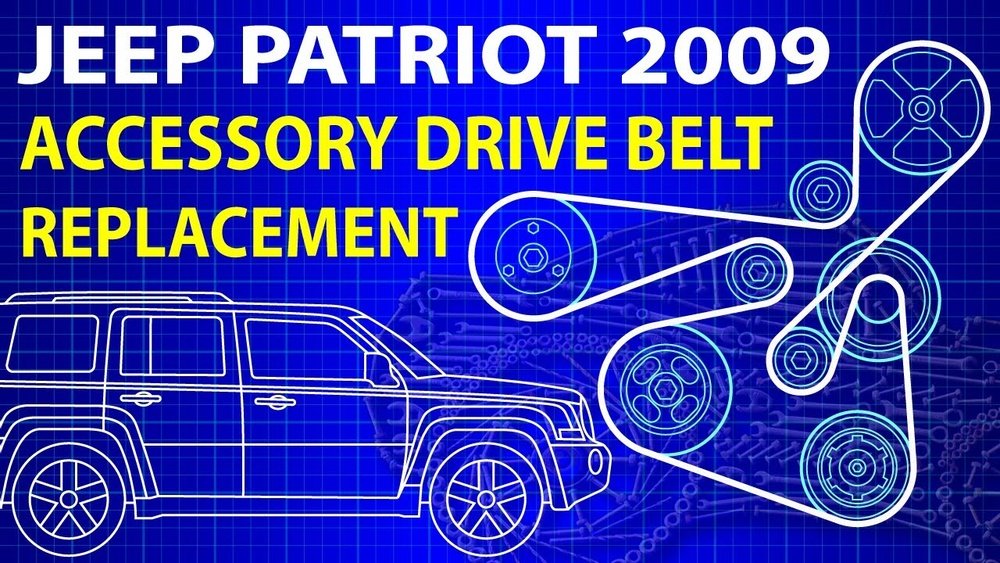
Visualizing the serpentine belt’s path is key to understanding how it works and how to replace it. While specific diagrams can vary slightly based on engine options (though the 2014 Patriot primarily used the 2.0L and 2.4L engines, both sharing a similar belt layout), the general principle remains the same. The belt wraps around the crankshaft pulley, alternator pulley, power steering pump pulley, A/C compressor pulley, and the water pump pulley. It also typically goes around an automatic tensioner pulley, which keeps the belt tight.
Common Belt Routing For 2.0l And 2.4l Engines
The most common routing for the 2014 Jeep Patriot involves the belt moving in a continuous loop, driven by the crankshaft pulley. From there, it typically snakes up to the alternator, then down to the A/C compressor, across to the power steering pump, and finally around the water pump before returning to the tensioner and back to the crankshaft.
The tensioner pulley is spring-loaded, ensuring the belt maintains the correct tension as it wears or as temperatures change.
Pro Tip: Always refer to a specific diagram for your exact model year and engine. You can often find these diagrams in your owner’s manual, on the underside of the hood, or through reliable online auto parts resources. Having a clear visual reference is indispensable when replacing the belt.
The Role Of The Automatic Tensioner
The automatic tensioner is a critical part of the serpentine belt system. It’s a spring-loaded or hydraulic device that applies constant pressure to the belt, keeping it taut. This tension is necessary to prevent the belt from slipping on the pulleys, which can cause squealing noises and inefficient operation of the driven accessories. Over time, the tensioner itself can wear out, becoming weak or sticking. A failing tensioner can lead to premature belt wear, noise, or even the belt jumping off its pulleys.
Signs Of A Failing Serpentine Belt
Recognizing the symptoms of a failing serpentine belt can save you from unexpected breakdowns. Early detection allows for timely replacement, preventing damage to other engine components.
Common Symptoms To Watch For
- Squealing Noises: A high-pitched squealing sound, especially when starting the engine or accelerating, is often the first sign of a worn or loose serpentine belt. This noise usually occurs when the belt is slipping on one of the pulleys due to a lack of tension or a worn belt surface.
- Cracked or Glazed Belt Surface: Inspecting the belt can reveal visible signs of wear. Look for cracks, fraying, or a shiny, glazed appearance on the ribbed side of the belt. These indicate that the rubber is deteriorating and likely to fail soon.
- Accessory Malfunctions: If the belt is slipping significantly or has partially broken, you might notice that the accessories it drives are not working correctly. This could manifest as a lack of power steering assist, a non-cooling A/C system, or a battery warning light illuminating on the dashboard (indicating the alternator isn’t charging properly).
- Ticking or Rattling Noises: While less common, a failing tensioner or idler pulley associated with the serpentine belt can sometimes produce ticking or rattling sounds.
Serpentine Belt Maintenance And Replacement
Regular inspection and timely replacement of the serpentine belt are essential for maintaining your 2014 Jeep Patriot. Most manufacturers recommend replacing the belt based on mileage or a time interval, whichever comes first.
Recommended Replacement Intervals
For most vehicles, including the Jeep Patriot, the serpentine belt is recommended for replacement every 60,000 to 100,000 miles. However, it’s crucial to consult your owner’s manual for the specific recommendation for your 2014 Patriot. Environmental factors, such as extreme heat or cold, and driving conditions (e.g., frequent short trips or heavy towing) can also affect belt life. It’s wise to inspect the belt during oil changes and other routine maintenance.
Diy Replacement: What You Need To Know
Replacing a serpentine belt can be a manageable DIY project for those with some mechanical aptitude. However, it requires careful attention to the belt routing diagram and the use of the correct tools.
Tools You’ll Likely Need:
- New Serpentine Belt: Ensure you have the correct belt for your 2014 Jeep Patriot’s engine.
- Serpentine Belt Tool Kit: This specialized tool allows you to release the tension on the tensioner pulley, making it easier to remove and install the belt. It includes various-sized sockets and adapters.
- Socket Set and Ratchet: For accessing and manipulating the tensioner.
- Safety Glasses and Gloves: To protect yourself.
- Flashlight: To see clearly in the engine bay.
General Steps for Replacement:
- Locate the Belt and Tensioner: Identify the serpentine belt and the automatic tensioner pulley.
- Consult the Diagram: Refer to your belt routing diagram. Take a picture of the current routing if unsure.
- Release Belt Tension: Using the serpentine belt tool or a long-handled ratchet, rotate the tensioner pulley to release tension on the belt.
- Remove the Old Belt: Carefully slip the old belt off one of the pulleys.
- Install the New Belt: Route the new belt around all the pulleys according to the diagram, leaving one pulley for last.
- Apply Tension and Install: Once the belt is around all pulleys except one, release the tensioner to put slack on the belt. Slip the belt onto the final pulley.
- Check and Start: Double-check that the belt is seated correctly on all pulleys and that it is aligned properly. Start the engine briefly to ensure the belt runs smoothly without noise.
Warning: If you are not comfortable performing this task, it is best to have a qualified mechanic replace the serpentine belt. Incorrect installation can lead to belt damage or accessory failure.
Common Issues With The 2014 Jeep Patriot Serpentine Belt System
Beyond a worn-out belt, other components in the serpentine belt system can fail, leading to similar symptoms.
Failing Tensioners And Idler Pulleys
The automatic tensioner and any idler pulleys (which are used to guide the belt or increase its wrap around other pulleys) can wear out. A worn tensioner might not provide enough force, causing the belt to slip. Conversely, a tensioner or idler pulley with a failing bearing can make a grinding or squealing noise and, in severe cases, seize up, potentially causing the belt to break.
In my experience, a sticking tensioner is often more problematic than a worn belt itself, as it can lead to rapid belt destruction or damage to other components if it fails suddenly. Always inspect the tensioner and idler pulleys for smooth rotation and excessive play when replacing the belt.
Misalignment Issues
If a pulley is bent or misaligned due to damage or improper installation, it can cause the serpentine belt to wear unevenly and prematurely. This misalignment can also lead to the belt being thrown off its pulleys altogether.
This is a more serious mechanical issue that requires careful diagnosis to identify the source of the misalignment.
Factors Affecting Serpentine Belt Lifespan
Several factors can influence how long your serpentine belt lasts. Understanding these can help you anticipate when replacement might be needed.
Environmental Conditions
Extreme temperatures, both hot and cold, can degrade the rubber compounds in the serpentine belt over time. Exposure to oil, coolant, or power steering fluid leaks can also break down the belt material, leading to premature failure.
Regularly checking for fluid leaks in the engine bay is a good preventative measure.
Driving Habits
Aggressive driving, such as frequent hard acceleration or deceleration, can put extra stress on the serpentine belt and its associated components. Short trips where the engine cycles on and off frequently can also contribute to wear.
Manufacturing Quality
While most belts are made to high standards, there can be variations in quality between different brands and even different batches of belts. Using a reputable, high-quality replacement belt is often a wise investment in the long run.

Credit: www.jeeppatriot.com
Comparing Serpentine Belt Replacement Costs
The cost of replacing a serpentine belt can vary depending on whether you opt for a DIY approach or professional service.
Diy Vs. Professional Replacement Costs
- DIY: The cost for a new serpentine belt typically ranges from $20 to $50, depending on the brand and quality. If you need a new tensioner or idler pulley, the cost can increase to $50 to $150 for the part itself. The primary saving is on labor.
- Professional Replacement: Labor costs for serpentine belt replacement can range from $50 to $150 or more, depending on the shop’s rates and the complexity of the job. When combined with the cost of the belt (and potentially other components like the tensioner), a professional replacement can cost anywhere from $100 to $300+.
Example: If your 2014 Jeep Patriot needs just the belt replaced, a DIY job might cost around $30. A mechanic might charge $120-$180 for the same job. If the tensioner also needs replacing, the DIY cost could be $100, and a professional job might be $200-$300.
Frequently Asked Questions
What Does A Serpentine Belt Diagram For A 2014 Jeep Patriot Show?
A serpentine belt diagram for a 2014 Jeep Patriot illustrates the precise path the drive belt takes around the various pulleys attached to the engine. It shows how the belt connects the crankshaft pulley to the alternator, power steering pump, A/C compressor, water pump, and the automatic tensioner pulley.
This visual guide is essential for correct installation.
How Often Should The Serpentine Belt Be Replaced On A 2014 Jeep Patriot?
The serpentine belt on a 2014 Jeep Patriot should typically be replaced every 60,000 to 100,000 miles. However, it is crucial to check your owner's manual for the manufacturer's specific recommendation.
Regular inspections for signs of wear, such as cracks or fraying, are also important.
What Are The Signs That My Serpentine Belt Is Failing?
Common signs of a failing serpentine belt include a high-pitched squealing noise (especially on startup), visible cracks, fraying, or a glazed appearance on the belt. You might also notice that accessories like the power steering or air conditioning are not functioning correctly, or a battery warning light may appear on the dashboard.
Can I Replace The Serpentine Belt Myself On My 2014 Jeep Patriot?
Yes, replacing the serpentine belt can be a DIY project for individuals with basic mechanical skills and the right tools, such as a serpentine belt tool kit. However, if you are uncomfortable with automotive repairs or unsure about the process, it is best to have a qualified mechanic perform the replacement to avoid potential damage.
What Is The Function Of The Automatic Tensioner In The Serpentine Belt System?
The automatic tensioner is a component that maintains the correct tension on the serpentine belt. It uses a spring or hydraulic pressure to keep the belt snug against the pulleys, preventing it from slipping.
This ensures that all the accessories driven by the belt operate efficiently and without noise.
A failing tensioner can lead to premature belt wear or immediate belt failure.
Maintaining the serpentine belt system on your 2014 Jeep Patriot is a straightforward yet critical aspect of vehicle upkeep. By understanding the belt’s routing, recognizing the signs of wear, and adhering to recommended maintenance schedules, you can prevent unexpected breakdowns and ensure the smooth operation of your vehicle’s essential accessories. Regular visual inspections and prompt replacement when needed will contribute significantly to the longevity and reliability of your Jeep Patriot.