The 2014 Jeep Patriot with the 2. 4L engine is a capable compact SUV, and understanding its serpentine belt diagram is crucial for maintenance and troubleshooting.
This belt, also known as a drive belt or accessory belt, powers essential components like the alternator, power steering pump, and air conditioning compressor.
Knowing where each pulley is located and how the belt routes around them ensures you can correctly replace a worn or broken belt, or diagnose issues related to accessory function. This guide will walk you through the typical serpentine belt layout for the 2014 Jeep Patriot 2.
4L, helping you keep your vehicle running smoothly.
Understanding The Serpentine Belt System
The serpentine belt is a single, continuous belt that snakes around multiple pulleys, driving various engine accessories. Unlike older V-belts that drove individual accessories, the serpentine belt offers several advantages, including better tensioning, more efficient power transfer, and a more compact design.
For the 2014 Jeep Patriot 2. 4L engine, this belt is a critical component for the proper functioning of your vehicle’s electrical system, cooling system, and comfort features.
When this belt wears out, it can lead to a cascade of problems. A frayed or cracked belt might slip, causing a squealing noise, especially when starting the engine or under load.
If the belt breaks entirely, it will immediately disable the alternator (leading to a dead battery), the power steering pump (making steering difficult), and the water pump (risking engine overheating).
In some configurations, it also drives the AC compressor. Therefore, regular inspection and timely replacement are vital preventative maintenance steps.
The design of the serpentine belt system involves several key pulleys:
- Crankshaft Pulley: This is the largest pulley and is directly connected to the engine’s crankshaft. It’s the primary source of power for the belt.
- Alternator Pulley: Drives the alternator, which generates electricity to charge the battery and power the vehicle’s electrical systems.
- Power Steering Pump Pulley: Powers the hydraulic power steering pump, making it easier to turn the steering wheel.
- AC Compressor Pulley: Engages the air conditioning compressor to cool the cabin. This pulley may have a clutch that engages and disengages the compressor.
- Water Pump Pulley: Drives the water pump, which circulates coolant through the engine to prevent overheating.
- Idler Pulley: A smooth pulley that provides tension to the belt and guides it around other pulleys. It helps maintain proper belt tension and alignment.
- Tensioner Pulley: This pulley is part of a spring-loaded or hydraulic tensioner mechanism that automatically adjusts belt tension as the belt wears or the engine temperature changes. This is often the most critical pulley for ensuring the belt stays in place and operates efficiently.
Identifying The 2.4l Engine In Your 2014 Jeep Patriot
Before you can find the belt diagram, it’s essential to confirm that your 2014 Jeep Patriot is equipped with the 2. 4L engine.
Jeep offered different engine options over the years, and the belt routing can vary. The 2.
4L "World Engine" is a common choice for this model.
You can typically find engine information on a sticker under the hood, in your owner's manual, or by checking your vehicle's VIN. The 2.
4L engine is known for its balance of power and fuel efficiency for this class of vehicle.
The Serpentine Belt Diagram For The 2014 Jeep Patriot 2.4l
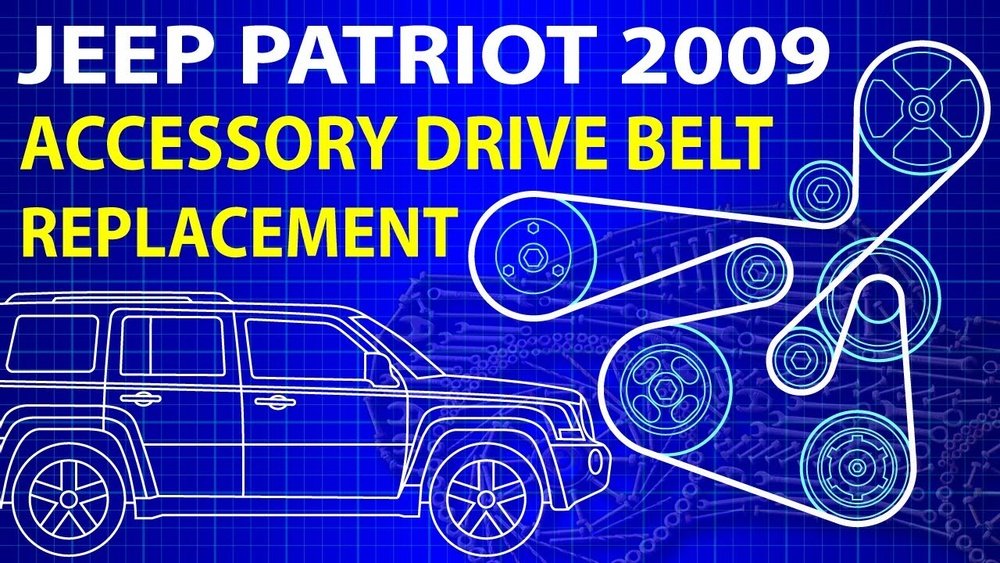
The serpentine belt diagram is essentially a visual map showing how the belt wraps around each pulley. While specific diagrams can vary slightly depending on the exact sub-model or production date, the general layout for the 2014 Jeep Patriot with the 2.
4L engine is quite consistent. The belt is designed to be routed in a specific path to ensure all accessories receive adequate power and that the belt runs smoothly without excessive wear.
Standard Belt Routing
The belt typically originates from the crankshaft pulley, then wraps around the power steering pump pulley, followed by the alternator pulley. From there, it often goes around an idler pulley, then to the AC compressor pulley, and finally around the tensioner pulley before returning to the crankshaft pulley.
The tensioner pulley is crucial as it applies constant pressure to the belt, keeping it taut and preventing slippage.
Pro Tip: Always refer to the diagram located on a sticker under the hood of your vehicle. This is the most accurate and specific diagram for your exact model and year. If the sticker is missing or unreadable, consult a reliable service manual or a trusted mechanic.
Locating The Tensioner
The automatic belt tensioner is a key component in the serpentine system. It’s usually located near the front of the engine, often on the side opposite the accessories. It consists of a pulley mounted on an arm that is spring-loaded or hydraulically actuated. When replacing the belt, you’ll need to use a wrench or a specific tensioner tool to rotate this pulley, which releases tension on the belt, allowing you to remove the old one and install the new one.
Components Driven By The Belt
For the 2014 Jeep Patriot 2.4L, the serpentine belt typically drives the following components:
- Alternator: Provides electrical power.
- Power Steering Pump: Assists with steering.
- AC Compressor: Cools the cabin.
- Water Pump: Circulates coolant for engine temperature regulation.
Understanding which component is driven by which pulley helps in diagnosing issues. For example, if your steering becomes heavy, the problem might be with the power steering pump or its belt-driven pulley.
If the battery warning light illuminates, the alternator is the likely culprit.
Replacing The Serpentine Belt
Replacing the serpentine belt is a common maintenance task that many DIY enthusiasts can handle. However, it requires careful attention to detail and the correct routing of the new belt.
Tools And Materials Needed
Before you start, gather the necessary tools and materials:
- New Serpentine Belt: Ensure you have the correct belt for your 2014 Jeep Patriot 2.4L. Part numbers can vary, so verify with your vehicle’s specifications or a parts store.
- Socket Wrench Set: You’ll need various socket sizes, particularly one that fits the bolt on the tensioner pulley.
- Breaker Bar or Long-Handled Ratchet: To apply leverage to the tensioner.
- Safety Glasses: To protect your eyes.
- Gloves: To protect your hands.
- Flashlight or Work Light: For visibility.
- Diagram: A clear image of the belt routing (ideally the one under the hood).
Step-by-step Replacement Guide
- Locate the Belt and Tensioner: Open the hood and find the serpentine belt. Identify the tensioner pulley. It’s usually a spring-loaded pulley that can be rotated to loosen the belt.
- Release Belt Tension: Attach the appropriate socket and wrench (often 15mm or 18mm) to the bolt on the tensioner pulley. Apply steady pressure to rotate the tensioner, which will release tension on the belt.
- Remove the Old Belt: While holding the tensioner released, carefully slip the old belt off one of the pulleys. A common strategy is to remove it from the alternator or power steering pulley first. Once it’s off one pulley, you can let the tensioner return to its resting position. Then, continue to remove the belt from the remaining pulleys.
- Route the New Belt: Refer to the belt diagram. Begin routing the new belt around the pulleys according to the diagram. Start with the crankshaft pulley and work your way around, leaving the tensioner pulley for last. Ensure the belt is seated correctly in the grooves of the ribbed pulleys (like the alternator and crankshaft pulleys).
- Apply Tension and Install: Once the belt is routed around all pulleys except the tensioner, you will need to release the tensioner again. Attach your wrench to the tensioner bolt, rotate it to create slack, and slip the belt onto the final pulley (usually the tensioner pulley itself or another accessory pulley).
- Check Belt Seating: Slowly release the tensioner. Ensure the belt is properly seated on all pulleys and that it lies flat. Double-check that it’s in the correct grooves on ribbed pulleys.
- Start the Engine: Start the engine briefly and listen for any unusual noises like squealing or chirping. Check that all accessories are functioning correctly (AC blows cold, power steering feels normal, battery light is off).
- Final Inspection: Turn off the engine and perform a final visual inspection of the belt to ensure it’s tracking correctly on all pulleys.
Common Mistakes To Avoid
- Incorrect Belt Routing: This is the most common mistake. Always follow the diagram precisely. A wrongly routed belt will not drive the accessories correctly and can cause damage.
- Over-Tensioning or Under-Tensioning: The automatic tensioner should handle this, but if you are manually adjusting tension (less common on modern vehicles), improper tension can lead to premature belt wear or slippage.
- Ignoring Belt Condition: Don’t wait for a belt to break. Inspect it regularly for cracks, fraying, glazing, or missing ribs.
- Using the Wrong Belt: Ensure the belt is the correct length and profile for your specific engine.
Diagnosing Serpentine Belt Issues
When you notice problems with your Jeep Patriot’s accessories, the serpentine belt is often the first place to look.
Signs Of A Failing Belt
- Squealing Noise: A high-pitched squeal, especially on startup or when the engine is under load (e.g., turning the steering wheel, accelerating, or running the AC), often indicates a slipping belt. This can be due to wear, contamination (oil or coolant), or insufficient tension.
- Visible Wear: Cracks, fraying, glazing (a shiny, smooth appearance), or missing chunks on the belt surface are clear signs it needs replacement.
- Accessory Malfunction: If your power steering suddenly becomes very stiff, the AC stops blowing cold, or the battery warning light comes on, a broken or slipped serpentine belt is a prime suspect.
- Rough Idling: In some cases, a worn or improperly tensioned belt can cause accessory drag, leading to a rougher idle.
Troubleshooting Common Problems
If you hear a squeal, first check for obvious contamination on the belt and pulleys. If the belt looks good and is clean, the tensioner might be weak, or the belt could be nearing the end of its life.
If the belt is visibly damaged, replacement is necessary.
If an accessory isn't working, confirm the belt is intact and properly routed. If it is, the issue might lie with the accessory itself (e.
g. , a failing alternator or AC compressor).
Maintaining The Serpentine Belt System
Regular maintenance is key to preventing unexpected failures and ensuring the longevity of your Jeep Patriot’s serpentine belt system.
Inspection Schedule
It's recommended to inspect the serpentine belt at least twice a year, or every oil change. Look for the signs of wear mentioned above.
Also, check the tensioner and idler pulleys for any signs of wobble or noise when the engine is running.
Belt Lifespan
Serpentine belts are made of rubber compounds that degrade over time due to heat, tension, and friction. While there’s no strict mileage interval that applies to all belts, many manufacturers recommend replacement between 60,000 and 100,000 miles, or if signs of wear appear sooner.
Always consult your owner’s manual for specific recommendations for your 2014 Jeep Patriot.
When To Replace The Tensioner And Idler Pulleys
The automatic tensioner and idler pulleys also have a lifespan. If you hear a rumbling or grinding noise from the front of the engine, or if a pulley feels loose or wobbly when spun by hand (with the belt removed), it’s time to replace it.
It’s often good practice to replace the tensioner and idler pulleys when you replace the serpentine belt, especially if the vehicle has high mileage, as a failing pulley can quickly damage a new belt.
While focusing on the belt diagram, it’s important to remember that other components work in conjunction with it.
The Alternator’s Role
The alternator is critical for keeping your battery charged and powering your vehicle’s electronics. If the serpentine belt slips or breaks, the alternator stops working, and your car will run solely off the battery’s charge, which will eventually deplete, leading to a dead vehicle.
Power Steering System
The power steering pump relies on the serpentine belt to provide the hydraulic pressure needed to make steering easier. If the belt is damaged or missing, steering will become significantly harder, especially at low speeds.
Air Conditioning System
The AC compressor is engaged by the serpentine belt. If the belt is not properly tensioned or is damaged, the compressor may not engage, and you won’t have cold air.
Water Pump Function
The water pump circulates coolant. If it's driven by the serpentine belt and the belt fails, coolant will stop circulating, leading to rapid engine overheating.
This is one of the most critical functions the belt supports.
Frequently Asked Questions
What Is The Correct Belt Size For A 2014 Jeep Patriot 2.4l?
The exact belt length can vary slightly, but a common part number for the 2014 Jeep Patriot 2. 4L is often around 90 inches (approximately 2286 mm).
Always verify the specific part number with your vehicle's VIN or by checking the old belt for any imprinted numbers.
How Often Should I Replace The Serpentine Belt On My 2014 Jeep Patriot 2.4l?
While there’s no fixed mileage for every belt, a general recommendation is to inspect it every 30,000 miles and replace it between 60,000 and 100,000 miles, or sooner if you notice any signs of wear such as cracks, fraying, or glazing.
Can I Drive My Jeep Patriot If The Serpentine Belt Is Broken?
You can drive for a very short distance, but it's not recommended. Without the belt, the alternator won't charge the battery, the power steering won't work, and the water pump won't circulate coolant.
Driving can quickly lead to a dead battery and engine overheating.
What Causes A Serpentine Belt To Squeal?
A squealing serpentine belt is usually caused by slippage. This can happen if the belt is worn out, contaminated with oil or coolant, or if the belt tensioner is weak and not applying enough pressure.
Where Can I Find The Serpentine Belt Diagram For My 2014 Jeep Patriot 2.4l?
The most accurate diagram is usually printed on a sticker located under the hood of your vehicle, often