The 2014 Jeep Patriot 2. 0L engine is a common and capable powerplant, but like any vehicle, it requires regular maintenance.
A crucial part of this is understanding the serpentine belt system and its diagram. This belt drives many essential components, including the alternator, power steering pump, and air conditioning compressor.
Knowing the correct routing of the serpentine belt is vital for proper installation and to prevent damage to your engine or its accessories. This guide will walk you through the 2014 Jeep Patriot 2.
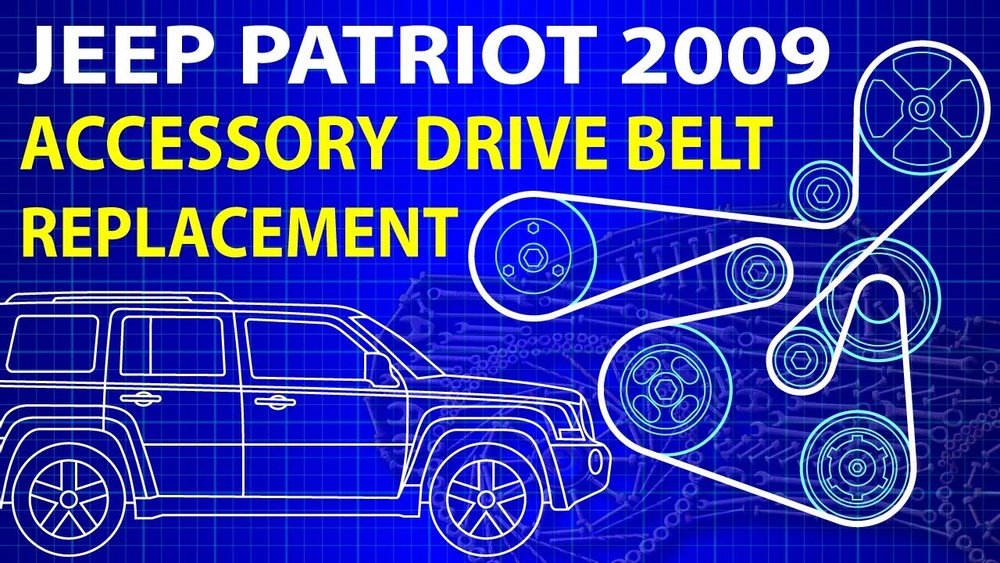
0L belt diagram, explaining each component's role and providing practical advice for maintenance.
Understanding The Serpentine Belt System
The serpentine belt is a single, continuous belt that snakes around multiple pulleys in the engine bay. Its primary function is to transfer rotational power from the crankshaft to various accessories. Unlike older V-belts that ran individually to each accessory, the serpentine belt streamlines the system, reducing complexity and weight. The 2014 Jeep Patriot 2.0L engine uses a single serpentine belt to power:
- Alternator: Generates electricity to charge the battery and power the vehicle’s electrical systems.
- Power Steering Pump: Provides hydraulic pressure to assist in steering, making it easier to turn the wheels.
- Air Conditioning (A/C) Compressor: Engages the A/C system to cool the cabin.
- Water Pump: Circulates coolant through the engine to prevent overheating. (Note: In some configurations, the water pump might be driven by the timing belt, but in many serpentine systems, it’s belt-driven).
- Crankshaft Pulley: The main pulley connected to the engine’s crankshaft, which is the source of rotational power.
- Tensioner Pulley: A spring-loaded or hydraulic pulley that maintains the correct tension on the serpentine belt, ensuring it doesn’t slip.
- Idler Pulleys: Smooth-rolling pulleys that guide the belt along its path, often used to achieve the correct routing around multiple accessories.
A properly functioning serpentine belt is essential for the safe and efficient operation of your Jeep Patriot. A worn or damaged belt can lead to a loss of power steering, a dead battery (due to the alternator not working), an inoperative A/C system, and potentially engine overheating if the water pump is belt-driven.
The 2014 Jeep Patriot 2.0l Serpentine Belt Diagram Explained
To accurately replace or inspect the serpentine belt on your 2014 Jeep Patriot 2. 0L, you need to understand its path.
The exact layout can vary slightly depending on specific model year updates or optional equipment, but the core components and routing remain consistent.
The belt typically wraps around the crankshaft pulley, then routes to the other accessory pulleys, guided by idler pulleys and kept taut by the tensioner.
Key Pulleys And Their Roles In The Diagram
Let’s break down the common components you’ll see on the belt diagram and their location relative to the belt’s path:
- Crankshaft Pulley: This is usually the largest pulley and is located at the bottom front of the engine, directly connected to the crankshaft. It’s the starting point for the belt’s rotation.
- Alternator Pulley: Positioned typically towards the top or side of the engine. The belt will loop around this pulley to drive the alternator.
- Power Steering Pump Pulley: Located on the power steering pump. Its position varies, but it’s crucial for the belt’s path.
- A/C Compressor Pulley: Found on the air conditioning compressor, usually towards the front of the engine.
- Water Pump Pulley: If belt-driven, this pulley is attached to the water pump. Its location can vary, often near the front of the engine.
- Tensioner Pulley: This pulley is mounted on a spring-loaded or hydraulic arm. It applies constant pressure to the belt. You’ll often see a bolt or nut that allows you to pivot the tensioner arm to release belt tension.
- Idler Pulley(s): These are non-driven pulleys that help route the belt. They can be located in various positions to ensure the belt follows the correct path around all the accessory pulleys.
Visualizing The Belt Path
When you look at a belt diagram for the 2014 Jeep Patriot 2.0L, you’ll see lines representing the belt’s path around these pulleys. It’s essential to follow this path precisely. A common routing might look something like this:
- Starting at the crankshaft pulley, the belt goes up to the alternator pulley.
- From the alternator, it might go down to an idler pulley.
- Then, it could loop around the A/C compressor pulley.
- Next, it might go to the power steering pump pulley.
- After that, it could wrap around another idler pulley.
- Finally, it comes back down to the crankshaft pulley, often passing under the tensioner pulley, which applies pressure to keep it tight.
Pro Tip: Always refer to the specific diagram located on the underhood emissions sticker of your Jeep Patriot, or consult a service manual. These diagrams are tailored to your exact vehicle configuration and are the most reliable source.

Credit: www.jeeppatriot.com
Symptoms Of A Failing Serpentine Belt
Recognizing the signs of a worn or failing serpentine belt can save you from unexpected breakdowns. These symptoms are often noticeable and should prompt an inspection.
Common Indicators Of Belt Wear
- Squealing Noise: A high-pitched squealing sound, especially when you start the engine or accelerate, is a classic symptom. This often indicates the belt is slipping due to wear, contamination (like oil or coolant), or improper tension.
- Cracks and Fraying: Visually inspect the belt. If you see cracks, glazing (a shiny, smooth appearance), fraying edges, or missing chunks, the belt is nearing the end of its life.
- Loss of Accessory Function: If your power steering suddenly feels heavy, your battery warning light comes on, or your A/C stops blowing cold air, the serpentine belt might be the culprit.
- Rough Engine Idling: In some cases, a worn belt can cause the engine to idle unevenly because the accessories it powers are not being driven consistently.
- Belt Misalignment: If the belt appears to be riding unevenly on the pulleys, it’s a sign of a problem with the pulleys themselves or the belt’s tracking.
Replacing The Serpentine Belt
Replacing the serpentine belt is a common maintenance task that many DIYers can handle. However, it requires careful attention to the belt diagram and proper technique.
Tools And Materials Needed
Before you start, gather the necessary tools and parts:
- New Serpentine Belt: Ensure it’s the correct part number for your 2014 Jeep Patriot 2.0L.
- Serpentine Belt Tool Kit: This is highly recommended. It includes various sockets and adapters to work with different tensioner designs. You might need a long-handled ratchet or breaker bar to release tension.
- Socket Set and Ratchet: For removing any splash shields or components that might obstruct access.
- Gloves and Safety Glasses: For protection.
- Work Light: To see clearly in the engine bay.
- Belt Routing Diagram: The one from your underhood sticker or a service manual.
Step-by-step Replacement Guide
- Locate the Belt Diagram: Find the diagram on your underhood sticker or in your service manual. Take a clear picture or make a sketch of the correct belt path.
- Access the Belt: You might need to remove plastic covers or splash shields to get a clear view of the belt and pulleys.
- Release Belt Tension: Locate the automatic belt tensioner. This is typically a spring-loaded pulley on an arm. Using the appropriate socket or serpentine belt tool, rotate the tensioner pulley to release the tension on the belt.
- Remove the Old Belt: While holding the tensioner in the released position, slip the old belt off one of the pulleys (usually the smoothest one, like an idler or alternator pulley). Once it’s off one pulley, you can carefully let the tensioner return to its resting position. Then, remove the belt completely from all pulleys.
- Inspect Pulleys: Before installing the new belt, spin each pulley by hand. Check for any roughness, wobbling, or noise, which could indicate a failing bearing in the alternator, power steering pump, A/C compressor, idler, or tensioner. If any pulley feels bad, it should be replaced.
- Install the New Belt: Following your diagram, begin routing the new belt around the pulleys. Start with the crankshaft pulley and work your way around, leaving the tensioner pulley for last.
- Apply Tension and Finalize: Once the belt is routed around all pulleys except the tensioner, rotate the tensioner again to release its tension. Slip the belt onto the tensioner pulley.
- Check the Routing: Double-check that the belt is correctly seated on every pulley and follows the diagram precisely. Ensure the ribbed side of the belt is on the ribbed pulleys and the smooth side is on the smooth pulleys.
- Release Tensioner: Slowly release the tensioner arm. The belt should now be taut.
- Start the Engine: Start the engine and listen for any unusual noises. Let it run for a few minutes and check that all accessories are functioning correctly.
- Reinstall Covers: If you removed any covers or splash shields, reinstall them.
Warning: Never try to force the belt onto a pulley while the engine is running. Always ensure the engine is off and the ignition is disabled before working on the belt system.
Maintenance And Inspection Schedule
Regular checks of your serpentine belt are crucial for preventing unexpected failures. Incorporating these checks into your routine maintenance schedule can save you time and money.
Recommended Inspection Intervals
- Every Oil Change: Visually inspect the belt for any obvious signs of wear like cracks, fraying, or glazing.
- Every 15,000 Miles (or Annually): Perform a more thorough inspection. Check the tension of the belt. You can usually do this by pressing on the longest span of the belt between two pulleys; it should have about 1/2 inch of deflection. Also, check the tensioner’s operation.
- According to Manufacturer Recommendations: Consult your Jeep owner’s manual for specific mileage or time intervals recommended for belt replacement. Typically, serpentine belts are recommended for replacement every 60,000 to 100,000 miles, but this can vary based on driving conditions and belt quality.
Factors Affecting Belt Life
Several factors can shorten the lifespan of your serpentine belt:
- Contamination: Exposure to oil, coolant, or power steering fluid can degrade the rubber and cause the belt to slip or fail prematurely.
- Misaligned Pulleys: If a pulley is not perfectly aligned, it can cause uneven wear on the belt and lead to premature failure.
- Worn Tensioner or Idler Pulleys: A faulty tensioner won’t maintain proper belt tension, leading to slipping and wear. Worn idler pulley bearings can also cause noise and affect belt tracking.
- Extreme Temperatures: Frequent exposure to very high or very low temperatures can affect the belt’s flexibility and durability.
- Driving Conditions: Frequent short trips, stop-and-go traffic, and heavy accessory use can put more stress on the belt.
Understanding Belt Material And Quality
Not all serpentine belts are created equal. The material composition and manufacturing quality significantly impact their durability and performance.
Types Of Belt Materials
- EPDM (Ethylene Propylene Diene Monomer): This is the most common material used for modern serpentine belts. EPDM belts offer excellent resistance to heat, ozone, and weathering, making them durable and long-lasting.
- CR (Chloroprene Rubber): Also known as Neoprene, this material offers good oil and heat resistance but is generally not as durable as EPDM in extreme conditions.
When purchasing a replacement belt, opt for a reputable brand that uses high-quality EPDM rubber. This will ensure better longevity and performance for your 2014 Jeep Patriot 2. 0L.
The Importance Of The Tensioner
The automatic belt tensioner is a critical component that ensures the serpentine belt remains at the correct tension throughout its life. As the belt wears and stretches slightly, the tensioner automatically adjusts to maintain optimal pressure.
- Signs of a Failing Tensioner: A noisy tensioner (chirping, rattling), excessive belt movement, or a tensioner that doesn’t move freely when you try to release tension can indicate a problem.
- Replacement: It’s often recommended to replace the tensioner along with the serpentine belt, especially if it has high mileage. A worn tensioner can cause a new belt to fail prematurely.
Comparing Belt Manufacturers And Quality
When it comes time to replace your serpentine belt, you’ll find numerous brands available. Choosing a quality belt is paramount for reliability.
Reputable Belt Manufacturers
Several manufacturers are known for producing high-quality serpentine belts suitable for vehicles like the 2014 Jeep Patriot 2.0L. These include:
- Gates: A widely recognized leader in automotive belts and hoses, known for their durable and reliable products.
- Dayco: Another major player in the aftermarket, offering a range of belts designed for OE fit and performance.
- Bando: A Japanese manufacturer that supplies belts to many original equipment manufacturers (OEMs).
- Continental: Known for its engineering expertise and high-quality rubber products.
What To Look For In A Quality Belt
- OE Equivalent Quality: Many aftermarket belts are designed to meet or exceed original equipment specifications.
- Material: As mentioned, EPDM rubber is generally preferred for its durability and resistance to environmental factors.
- Warranty: A good warranty can be an indicator of the manufacturer’s confidence in their product’s longevity.
Example: When I replaced the belt on my own vehicle, I noticed a significant difference in the feel and construction between a generic brand and a premium one. The premium belt felt more robust, and the noise issues I had been experiencing were completely resolved.
Troubleshooting Common Belt Issues
Even with regular maintenance, you might encounter specific problems with your serpentine belt system. Here’s how to troubleshoot them.
Persistent Squealing
If a new belt still squeals, check the following:
- Belt Tension: Is the tensioner functioning correctly? Is the belt seated properly?
- Pulley Alignment: Are all pulleys perfectly aligned? Even a slight misalignment can cause noise.
- Contamination: Ensure no oil or coolant has contaminated the new belt or pulleys.