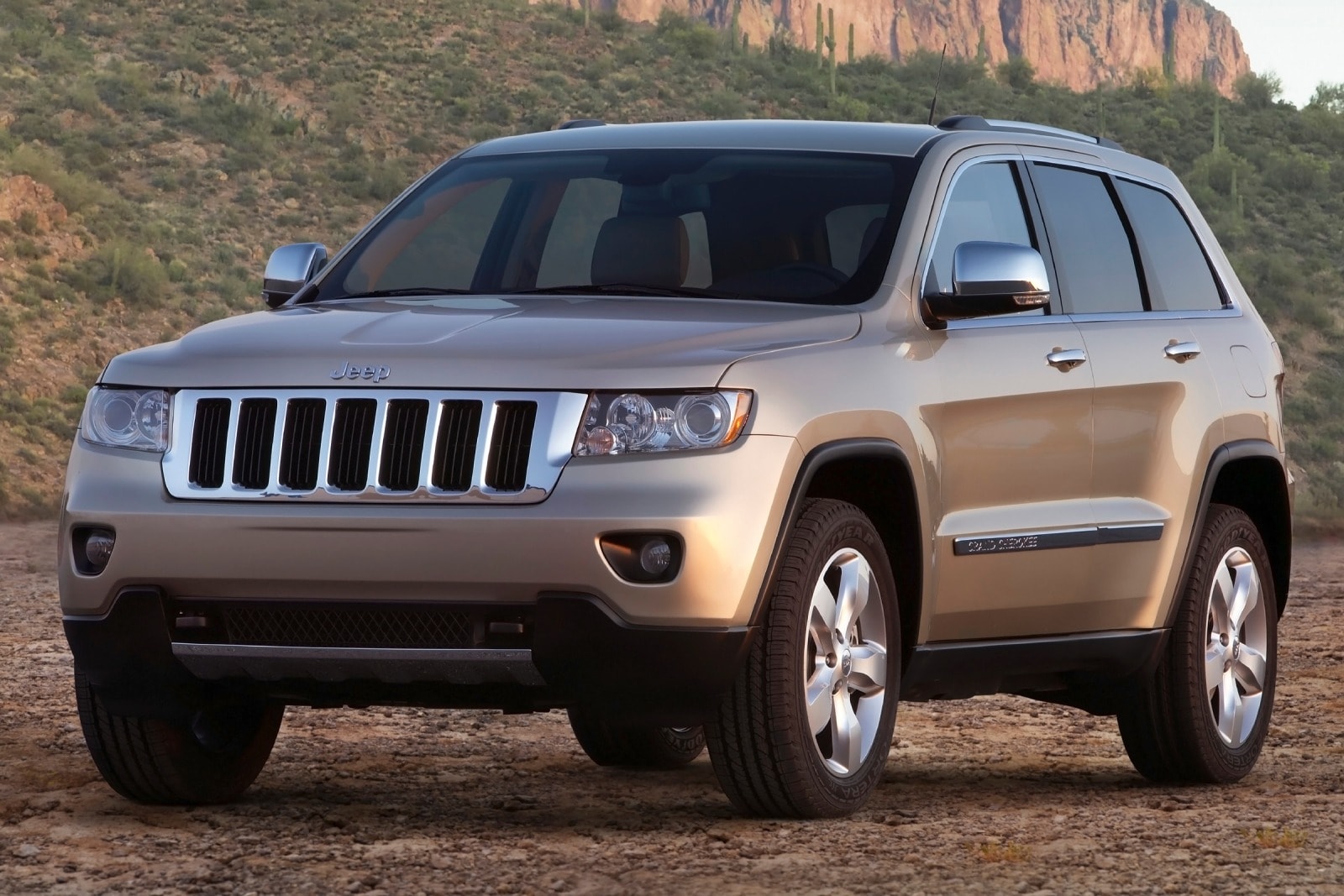
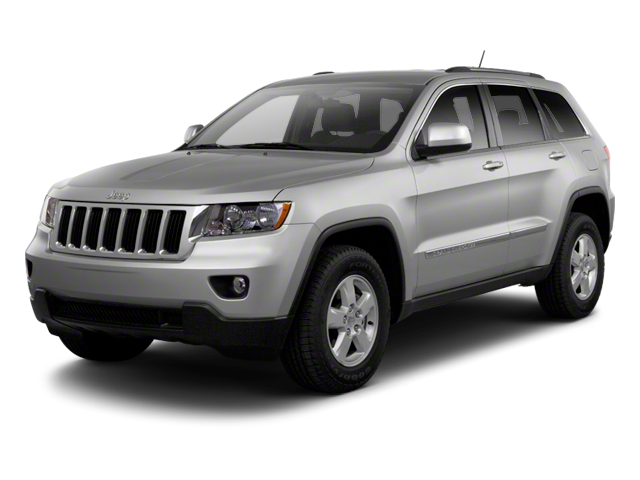
The 2013 Jeep Cherokee stands out as a midsize SUV that blends rugged design with modern features. Many buyers consider it for its off-road capability and comfortable ride.
However, reliability is a key concern for anyone looking at a used Cherokee.
This article gives you a clear view of what to expect from the 2013 Jeep Cherokee’s reliability, including common problems, real owner experiences, and practical advice.
Reliability Overview
The 2013 Jeep Cherokee offers a mix of strong performance and advanced features. It comes with three engine options: a 2.4-liter four-cylinder, a 3.2-liter V6, and a 2.0-liter turbo-diesel (not available in all markets). Most buyers choose the V6 for its extra power. The 9-speed automatic transmission was new in this model and promised smoother shifting and better fuel economy.
According to consumer reports, the 2013 Cherokee gets average reliability scores. Owners praise its comfort and handling but report several issues, especially with transmission and electrical systems.
| Engine Option | Horsepower | Fuel Economy (City/Highway) |
|---|---|---|
| 2.4L I4 | 184 hp | 22/31 mpg |
| 3.2L V6 | 271 hp | 20/29 mpg |
| 2.0L Diesel | 170 hp | 28/40 mpg |
Common Reliability Issues
Transmission Problems
The 9-speed automatic transmission is a frequent source of trouble. Many owners report rough shifting, hesitation, and even sudden jerks. Sometimes, the transmission needs software updates or repairs. A few owners needed a full replacement, which is expensive.
Electrical System Faults
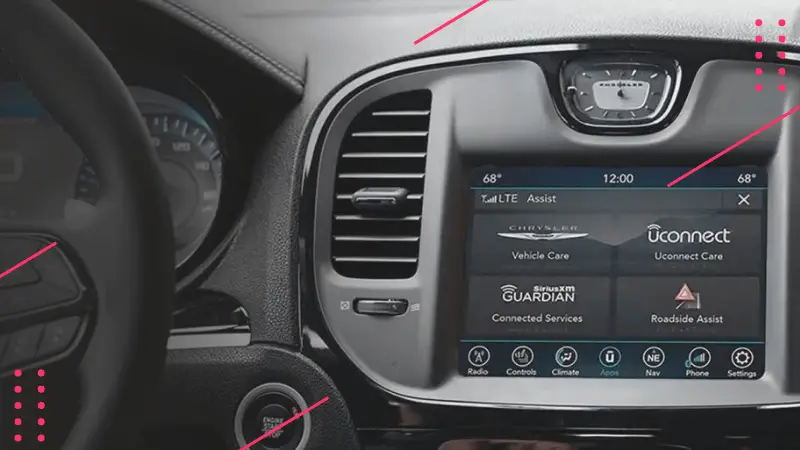
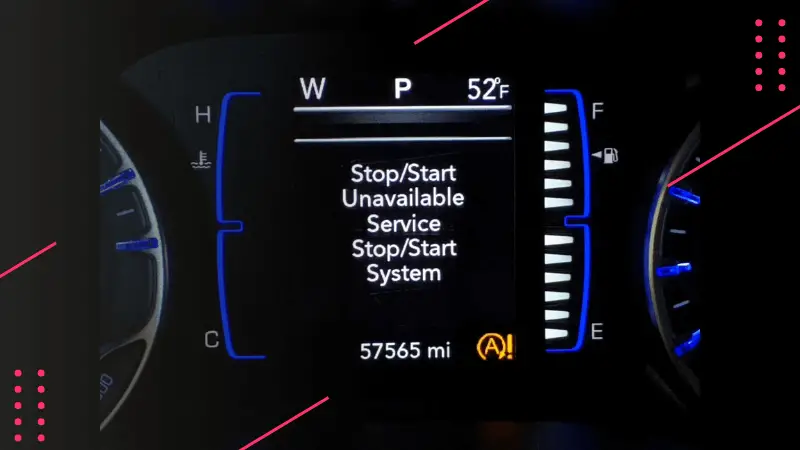
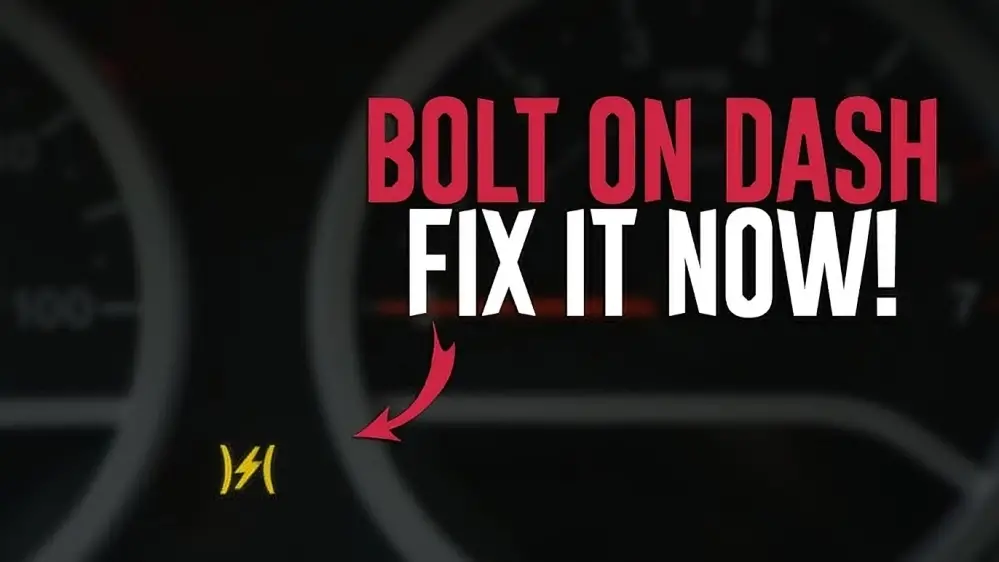
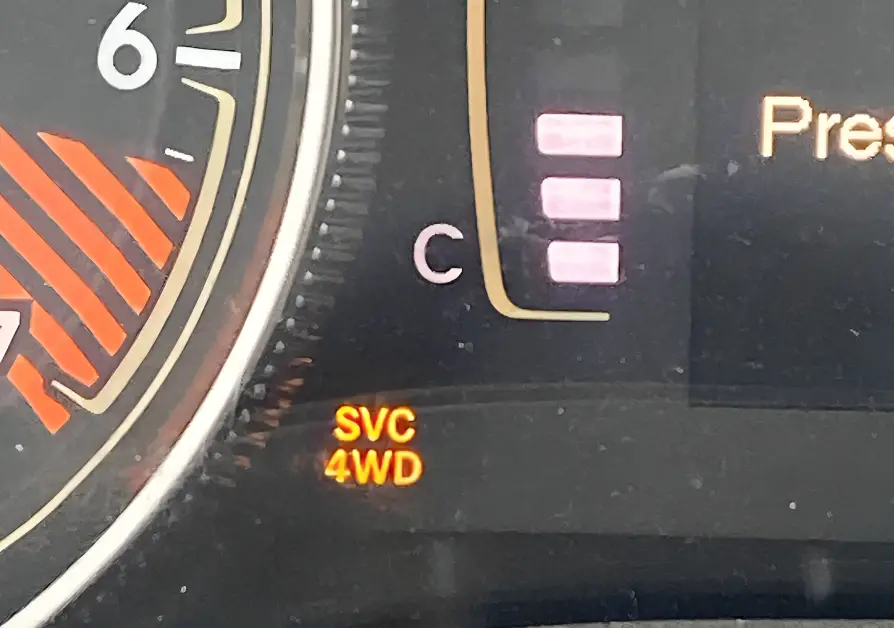
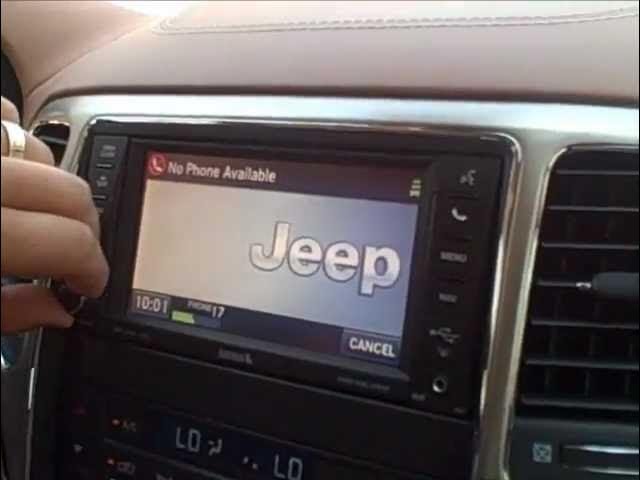
The electrical system can cause headaches. Issues include faulty infotainment screens, random warning lights, and problems with the keyless entry system. These glitches often require dealer visits and sometimes replacement parts.
Engine Concerns
Some Cherokees experience stalling or rough idling. This is usually linked to sensors or fuel system components. While not common in every vehicle, it’s something to watch for.
Water Leaks
A surprising problem in the 2013 Cherokee is water leaks into the cabin, especially near the sunroof or doors. This can cause mildew and damage to the interior.
Suspension And Steering
A few owners report clunking noises from the suspension or steering, especially after 60,000 miles. Most fixes are minor, but ignoring these can lead to costly repairs.
Owner Satisfaction
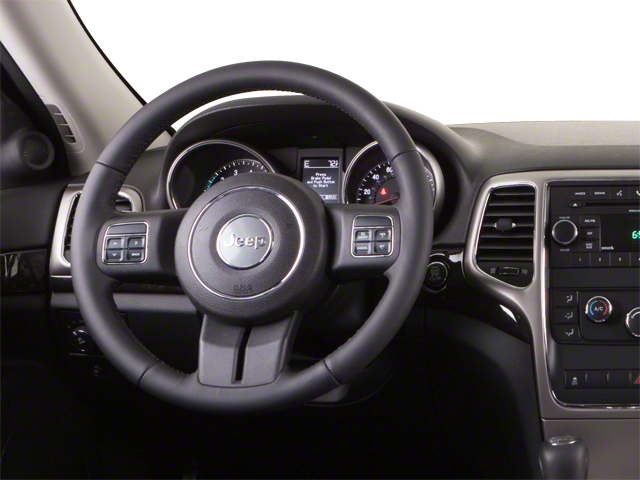
Many owners enjoy the Cherokee’s comfortable ride and stylish look. However, satisfaction drops if major repairs are needed.
On average, repair costs are higher than some competitors like the Honda CR-V or Toyota RAV4.
| SUV Model | Annual Maintenance Cost | Owner Satisfaction (1-5) |
|---|---|---|
| 2013 Jeep Cherokee | $520 | 3.5 |
| 2013 Honda CR-V | $420 | 4.3 |
| 2013 Toyota RAV4 | $410 | 4.4 |
Maintenance Tips
- Regular fluid checks: Make sure transmission and engine fluids are checked often.
- Software updates: Ask your dealer about updates for the transmission and infotainment system.
- Inspect seals: Check door and sunroof seals to prevent water leaks.
- Listen for noises: Pay attention to any clunks or rattles from the suspension.
- Battery care: Cherokee’s electrical issues often start with a weak battery. Replace it on schedule.
Comparing Reliability Scores
If you want a simple look at how the 2013 Cherokee compares, see the data below:
| Reliability Score (out of 5) | Transmission Issues | Electrical Issues | Engine Problems |
|---|---|---|---|
| 3.0 | High | Medium | Low |
| CR-V: 4.5 | Low | Low | Low |
| RAV4: 4.6 | Low | Low | Low |
Non-obvious Insights
Most beginners miss two key points:
- The 9-speed transmission needs regular software updates. Many reliability complaints reduce after updates, so ask the seller about this.
- Water leaks are often caused by clogged drains near the sunroof. Cleaning these drains prevents most problems.
Practical Advice For Buyers
If you’re thinking about buying a 2013 Jeep Cherokee, follow these steps:
- Check service history: Make sure the previous owner did regular maintenance, especially software updates.
- Inspect for leaks: Look closely at the carpet and headliner for signs of water damage.
- Test drive: Pay attention to the transmission. It should shift smoothly without jerks.
- Ask about recalls: Jeep issued several recalls for this model. Check if these have been fixed.
- Budget for repairs: Plan for higher repair costs compared to Japanese rivals.
For more in-depth information, visit the official Jeep Owner Information site.
Frequently Asked Questions
What Is The Most Common Problem With The 2013 Jeep Cherokee?
The biggest issue is the 9-speed automatic transmission. Many owners report rough shifting and hesitation.
Is The 2013 Jeep Cherokee Expensive To Maintain?
Compared to rivals, the Cherokee has higher maintenance costs. Expect to pay around $500 yearly, mainly for transmission and electrical repairs.
Are There Any Recalls For The 2013 Jeep Cherokee?
Yes, Jeep issued several recalls, mostly for transmission and airbags. Always check if these fixes are done before buying.
How Long Does The 2013 Jeep Cherokee Typically Last?
With good care, the Cherokee can last 150,000 miles or more. However, reliability drops after 100,000 miles if maintenance is ignored.
Should I Buy A Used 2013 Jeep Cherokee?
It’s a good choice for off-road fans or those who like its style. If you want the lowest repair costs and best reliability, look at competitors like the Honda CR-V or Toyota RAV4.
The 2013 Jeep Cherokee offers style, comfort, and strong performance. But reliability is mixed, with some costly issues.
Before buying, check its service history, test drive carefully, and look for signs of leaks. With smart research, you can enjoy this SUV and avoid most problems.