The 2007 Jeep Liberty serpentine belt is a crucial component, driving essential accessories like the alternator, power steering pump, and air conditioning compressor. Understanding its routing is vital for maintenance and troubleshooting.
This article provides a detailed look at the 2007 Jeep Liberty serpentine belt diagram, helping you identify the belt's path and the components it powers.
Understanding The Serpentine Belt System
The serpentine belt is a single, continuous belt that snakes around various pulleys on the engine. Unlike older V-belts, which often required multiple belts for different accessories, the serpentine belt offers a more efficient and compact design.
Its primary function is to transfer rotational power from the crankshaft to other engine-driven accessories.
A properly functioning serpentine belt ensures that your Jeep Liberty’s electrical system, cooling, and steering remain operational.
When this belt wears out or fails, it can lead to a cascade of problems. The alternator stops charging the battery, the power steering can become difficult or impossible to operate, and the air conditioning will cease to blow cold air.
In some cases, a broken belt can also lead to engine overheating if it also drives the water pump. Regular inspection and timely replacement are therefore essential for keeping your Jeep Liberty running smoothly.
The 2007 Jeep Liberty Serpentine Belt Path
The routing of the serpentine belt on a 2007 Jeep Liberty is specific and must be followed precisely when replacing the belt. The belt wraps around several pulleys, each serving a different purpose.
The tensioner pulley is key, as it maintains the correct tension on the belt, ensuring it grips the other pulleys effectively without slipping.
Key Components In The Serpentine Belt System
Let’s break down the main components involved in the serpentine belt system of the 2007 Jeep Liberty. Each pulley is strategically placed to receive power from the rotating crankshaft.
- Crankshaft Pulley: This is the primary pulley, directly connected to the engine’s crankshaft. It’s the source of rotational power for the entire serpentine system. The belt loops around this pulley, driven by the engine’s rotation.
- Alternator Pulley: The alternator is responsible for generating electricity to charge the battery and power the vehicle’s electrical systems. The serpentine belt drives its pulley, converting mechanical energy into electrical energy.
- Power Steering Pump Pulley: This pulley drives the power steering pump, which assists the driver in turning the steering wheel, especially at low speeds. A functional power steering system is crucial for comfortable and safe driving.
- Air Conditioning (A/C) Compressor Pulley: When the A/C is engaged, this pulley spins the A/C compressor. The compressor is responsible for circulating refrigerant to cool the cabin air. If the A/C is not in use, the belt may still route around this pulley, but the compressor’s clutch will be disengaged.
- Water Pump Pulley: In many 2007 Jeep Liberty configurations, the serpentine belt also drives the water pump. The water pump circulates coolant through the engine and radiator, preventing overheating. If the belt does not drive the water pump, there will be a separate belt for it, which is less common for this model year.
- Idler Pulley(s): Idler pulleys are used to guide the belt along its path and maintain proper tension. They can be smooth or grooved, depending on their position in the belt’s routing. They help ensure the belt makes sufficient contact with the driving pulleys.
- Tensioner Pulley: This is arguably the most important pulley in the system. The tensioner pulley applies constant pressure to the serpentine belt, keeping it taut. This prevents slippage, which can reduce the efficiency of the driven accessories and cause premature belt wear. Many tensioners are spring-loaded, while others are hydraulic or electric.
Visualizing The Belt Routing
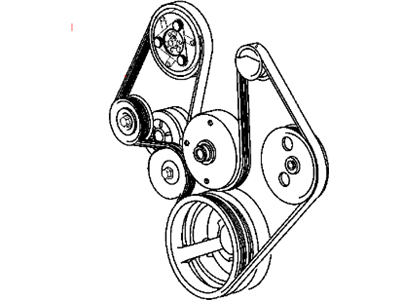
To truly understand the serpentine belt diagram, visualization is key. Imagine the belt starting at the crankshaft pulley, then looping upwards towards the alternator, down to the power steering pump, across to the A/C compressor, then potentially around the water pump, and finally guided by the idler and tensioner pulleys back to the crankshaft.
The exact order and path can vary slightly based on engine options, but this general flow is typical.
When you look at a diagram, you'll see arrows indicating the direction of rotation. The belt moves in a continuous loop, driven by the crankshaft.
Each accessory pulley is engaged by the belt, causing it to spin. The tensioner pulley is usually positioned to create a long run of the belt, maximizing its contact with the driving and driven pulleys.
Common Serpentine Belt Issues And Symptoms
Recognizing the signs of a failing serpentine belt can save you from unexpected breakdowns. These issues are often subtle at first but can quickly become serious.
Signs Of A Worn Or Damaged Belt
- Squealing Noises: A high-pitched squealing sound, especially when starting the engine or accelerating, is a common indicator of a slipping serpentine belt. This can happen if the belt is loose, worn, or if one of the pulleys is seized.
- Cracks, Fraying, or Glazing: Visually inspecting the belt is crucial. Look for cracks on the ribbed side, fraying on the edges, or a shiny, glazed appearance. These are all signs of wear and tear, indicating the belt is nearing the end of its lifespan.
- Accessory Malfunctions: If your power steering suddenly becomes heavy, your air conditioning stops blowing cold, or your battery warning light comes on, the serpentine belt could be the culprit. A damaged belt might not be able to adequately drive these accessories.
- Vibrations: In some cases, a worn belt can cause engine vibrations or a rougher running engine. This is because the belt is not maintaining consistent contact with the pulleys.
Reasons For Belt Failure
Several factors contribute to serpentine belt failure:
- Age and Mileage: Belts degrade over time due to heat, tension, and constant flexing. Most manufacturers recommend replacing the serpentine belt every 60,000 to 100,000 miles, but this can vary.
- Contamination: Oil, coolant, or power steering fluid leaks can contaminate the belt, causing it to swell, soften, and lose its grip.
- Pulley Issues: A worn or seized pulley bearing can put excessive stress on the belt, leading to premature failure.
- Tensioner Problems: A faulty tensioner that is too loose or too tight will cause excessive wear on the belt.
Replacing The Serpentine Belt: A Step-by-step Overview
Replacing a serpentine belt is a task that many DIY enthusiasts can handle. However, it requires careful attention to the correct routing.
Tools And Materials Needed
Before you begin, gather the necessary tools:
- A new serpentine belt (ensure it’s the correct part number for your 2007 Jeep Liberty).
- A serpentine belt tool kit or a breaker bar with the appropriate socket size for the tensioner pulley.
- Gloves and safety glasses.
- A flashlight or work light.
- A printed diagram of the belt routing or a clear photo taken beforehand.
The Replacement Process
- Locate the Belt and Tensioner: Open the hood and find the serpentine belt. Identify the tensioner pulley, which is usually spring-loaded and has a bolt head for applying leverage.
- Release Belt Tension: Using the serpentine belt tool or breaker bar, apply force to the tensioner pulley bolt. This will pivot the tensioner and loosen the belt. The direction to apply force will depend on the tensioner’s design; usually, it’s counter-clockwise to release.
- Remove the Old Belt: While holding tension on the tensioner, carefully slip the old belt off one of the pulleys. It’s often easiest to remove it from an accessory pulley first, like the alternator or power steering pump. Once it’s off one pulley, you can release the tensioner and remove the belt completely.
- Route the New Belt: Refer to your diagram. Carefully thread the new belt around all the pulleys, *except* for one. It’s generally best to leave the belt off the crankshaft pulley or a smaller, easily accessible pulley last.
- Apply Tension and Install: Once the belt is routed around all other pulleys, use your tool to pivot the tensioner again, releasing the tension. Slip the belt onto the final pulley.
- Final Check: Slowly release the tensioner. The belt should now be taut. Double-check that the belt is seated correctly in the grooves of all ribbed pulleys. Ensure no part of the belt is rubbing against anything it shouldn’t be.
- Start the Engine: Start the engine briefly and listen for any unusual noises. Check that all accessories are functioning correctly. If you hear squealing, the belt might be misaligned or not properly tensioned.
Pro Tip:
Always verify the belt routing *before* removing the old belt. Take a clear photo with your smartphone or find a reliable diagram online.
This will save you significant frustration if you forget the path.

Understanding Serpentine Belt Diagrams
A serpentine belt diagram is essentially a blueprint showing how the belt should be routed around the engine’s pulleys. These diagrams are critical for correct installation and troubleshooting.
Why Diagrams Are Essential
- Correct Installation: The most obvious reason is to ensure the belt is installed in the correct path. Incorrect routing will prevent accessories from working and can even damage the belt or other components.
- Troubleshooting: If a belt is slipping or an accessory isn’t working, the diagram helps diagnose the problem. You can visually trace the belt’s path to see if it’s properly engaging all pulleys.
- Component Identification: The diagram clearly labels each pulley, helping you identify which component each belt run is connected to.
Where To Find Diagrams
- Under the Hood: Many vehicles have a serpentine belt routing diagram printed on a sticker located on the underside of the hood or on the radiator support.
- Owner’s Manual: Your Jeep Liberty’s owner’s manual may contain this information.
- Online Resources: Automotive forums, repair websites, and parts suppliers often provide diagrams for specific makes and models.
Maintenance And Longevity Of Your Serpentine Belt
Proper maintenance can extend the life of your serpentine belt and prevent premature failure.
Regular Inspections
Make it a habit to visually inspect your serpentine belt during oil changes or other routine maintenance. Look for the signs of wear mentioned earlier: cracks, fraying, glazing, or contamination. Also, pay attention to any new noises coming from the engine bay, especially squealing.
Addressing Leaks Promptly
If you notice any fluid leaks (oil, coolant, power steering fluid) in the engine bay, have them addressed immediately. These fluids can degrade the serpentine belt and cause it to fail prematurely.
When replacing the serpentine belt, it's often a good idea to inspect the tensioner and idler pulleys. If they feel rough when spun by hand, or if there's any wobble, they should be replaced at the same time.
Replacing these components proactively can prevent a new belt from being damaged by a failing pulley.

Common Pitfalls To Avoid
Even with a diagram, there are common mistakes people make when dealing with serpentine belts.
Misrouting The Belt
This is the most frequent error. Forgetting a pulley or crossing the belt incorrectly will lead to immediate problems. Always double-check the diagram and your work.
Over-tensioning Or Under-tensioning
While the automatic tensioner usually handles this, if you’re using a manual tensioner or if the automatic tensioner is faulty, improper tension can be a major issue. Too loose, and it slips; too tight, and it stresses the bearings of the pulleys and the belt itself.
Ignoring Signs Of Wear
Many people wait until the belt breaks or causes a significant problem before replacing it. Regular visual checks and listening for noises can help you replace the belt proactively, avoiding roadside breakdowns.
Using The Wrong Belt
Ensure you purchase the correct belt for your specific 2007 Jeep Liberty model and engine. Belts are designed for specific lengths and rib counts, and using the wrong one will cause improper fit and function.
Faq: 2007 Jeep Liberty Serpentine Belt
What Is The Typical Lifespan Of A 2007 Jeep Liberty Serpentine Belt?
The typical lifespan for a serpentine belt is between 60,000 and 100,000 miles. However, this can be significantly reduced by factors like driving conditions, exposure to fluids, and the quality of the belt itself.
Regular visual inspections are more reliable than relying solely on mileage.
Can I Drive My Jeep Liberty With A Broken Serpentine Belt?
No, you should not drive your Jeep Liberty with a broken serpentine belt. The belt powers critical components like the alternator (which charges the battery) and the power steering pump.
Driving without a functioning belt will quickly drain your battery, make steering extremely difficult, and potentially lead to engine overheating if the water pump is belt-driven.
It’s best to pull over safely and arrange for a tow.
How Do I Know If My Serpentine Belt Needs Replacing?
You'll usually hear a high-pitched squealing noise, especially when starting the engine or accelerating. Visually inspect the belt for cracks, fraying, or a shiny, glazed appearance.
Also, watch for malfunctioning accessories like loss of power steering or cooling from the A/C.
What Happens If The Serpentine Belt Slips But Doesn’t Break?
If the belt slips, it means it's not making full contact with the pulleys. This reduces the efficiency of the accessories it drives.
You might experience intermittent squealing, reduced power steering assist, or the battery warning light flickering. Prolonged slipping can also generate excessive heat, leading to premature belt wear and eventual breakage.
Is It Difficult To Replace The Serpentine Belt On A 2007 Jeep Liberty?
Replacing the serpentine belt is generally considered a moderately easy DIY job. The main challenge is understanding the correct belt routing and having the right tools to release the tensioner.
If you're comfortable working in the engine bay and can follow instructions carefully, it's a task you can likely accomplish.
However, if you’re unsure, it’s always best to have a qualified mechanic perform the replacement.
Replacing the serpentine belt on your 2007 Jeep Liberty is a manageable maintenance task that can prevent significant problems. By understanding the belt’s routing, recognizing the signs of wear, and following proper replacement procedures, you can ensure that your vehicle’s essential accessories continue to function reliably.
Regular checks and timely replacement are key to maintaining the health of your Jeep Liberty’s engine system.