The 2000 Jeep Cherokee 4. 0L engine is renowned for its durability and power, and a crucial component for its optimal performance is the serpentine belt.
This single belt, often called a drive belt or accessory belt, powers numerous essential systems in your vehicle, including the alternator, power steering pump, air conditioning compressor, and water pump. Understanding the 2000 Jeep Cherokee 4.
0 belt diagram is vital for proper maintenance, troubleshooting, and replacement. A worn or misaligned belt can lead to a cascade of problems, from a dead battery to overheating, so knowing its path is key to keeping your Cherokee running smoothly.
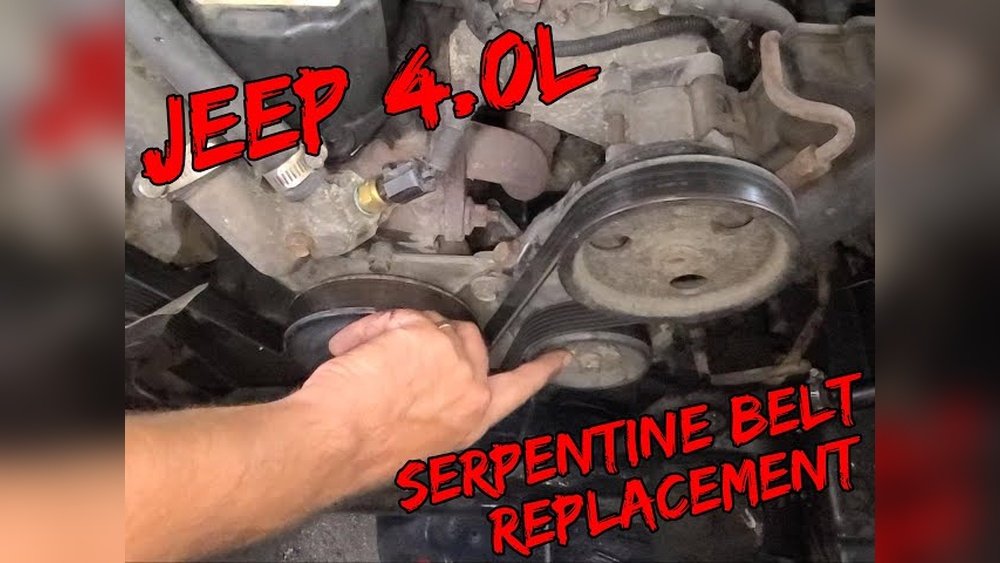
Proper belt routing is not just about aesthetics; it’s a carefully engineered system designed to maximize efficiency and ensure all accessories receive the necessary power. When you’re faced with a broken belt or need to replace a worn one, having a clear visual guide is indispensable.
This guide will not only explain the belt’s path but also provide context on why each component’s tension and alignment are critical. We’ll explore common issues, maintenance tips, and the significance of using the correct belt for your specific 2000 Jeep Cherokee 4.
0 model.
Understanding The Serpentine Belt System
The serpentine belt is a modern marvel of automotive engineering, replacing the older multi-belt systems in many vehicles. Its design allows a single, long belt to wrap around multiple pulleys, driving various accessories simultaneously. For the 2000 Jeep Cherokee 4.
0L, this belt is a critical link in the engine’s operation, ensuring that power is efficiently transferred to vital components.
The primary function of the serpentine belt is to transmit rotational force from the engine's crankshaft to the pulleys of accessories. These accessories are essential for the comfortable and safe operation of your vehicle.
The alternator, for instance, generates electricity to charge the battery and power the vehicle's electrical systems.
The power steering pump uses hydraulic pressure, driven by the belt, to make steering easier. The air conditioning compressor engages to cool the cabin, and the water pump circulates coolant through the engine to prevent overheating.
Without a properly functioning serpentine belt, any one of these systems can fail, rendering the vehicle inoperable or unsafe.
The belt itself is typically made of a durable rubber compound, often reinforced with synthetic fibers for strength and longevity. However, like all rubber components, it is subject to wear and tear over time.
Factors such as heat from the engine, exposure to oil or coolant leaks, and constant flexing can cause the belt to crack, fray, or lose its tension.
This is why regular inspection and timely replacement are so important. A visual inspection can reveal signs of wear, such as glazed surfaces, frayed edges, or missing chunks of rubber.
The Path Of The Belt: A Detailed Look At The 2000 Jeep Cherokee 4.0l Diagram
To truly understand the serpentine belt system, we need to visualize its path. The 2000 Jeep Cherokee 4.0 belt diagram shows how the belt snakes around several pulleys, each serving a specific purpose. While specific diagrams can vary slightly depending on the exact configuration or aftermarket modifications, the core components and their general layout remain consistent for the 4.0L inline-six engine found in the 2000 Cherokee.
The belt typically originates from the crankshaft pulley, which is the largest pulley and directly connected to the engine’s main rotating shaft. From there, it winds its way to the alternator pulley, usually located towards the front of the engine. Next, it often travels to the power steering pump pulley, which is typically positioned on one side of the engine. The belt then continues to the air conditioning compressor pulley, if equipped, which is usually mounted lower on the engine block. Finally, it wraps around the water pump pulley, often found at the front of the engine, and then back to the tensioner pulley.
The tensioner pulley is a critical component in this system. It’s usually spring-loaded or hydraulic, designed to maintain constant tension on the serpentine belt. This consistent tension is vital to prevent the belt from slipping on the pulleys, which would reduce its effectiveness and potentially cause damage. A worn or faulty tensioner can lead to a loose belt, squealing noises, and inefficient operation of the driven accessories.
Crankshaft Pulley
The crankshaft pulley is the starting point for the serpentine belt's journey. It's a large, robust pulley attached to the end of the crankshaft.
Its primary role is to transfer the rotational energy generated by the engine's combustion directly to the serpentine belt.
Because it’s directly connected to the crankshaft, its rotation speed directly corresponds to the engine’s RPM. This means that as the engine speeds up, the crankshaft pulley spins faster, consequently speeding up all the accessories driven by the serpentine belt.
It's important to note that the crankshaft pulley may also have a harmonic balancer integrated into its design. The harmonic balancer is a weighted component that helps to absorb torsional vibrations generated by the rotating crankshaft.
These vibrations, if left unchecked, could potentially damage the crankshaft and other engine components.
The pulley itself is typically made of heavy-duty steel to withstand the immense forces it experiences. When inspecting the belt system, ensure the crankshaft pulley is securely attached and free from any visible damage, such as cracks or excessive wobble, as any issues here can affect the entire belt’s performance and the engine’s health.
Alternator Pulley
The alternator pulley is one of the most crucial accessories driven by the serpentine belt. The alternator's job is to convert mechanical energy from the spinning belt into electrical energy.
This electrical energy is used to recharge the vehicle's battery and power all the electrical components when the engine is running, such as the headlights, radio, fuel pump, and ignition system.
The alternator pulley is typically smaller than the crankshaft pulley, and its speed is a direct result of the gear ratio between it and the crankshaft pulley.
A failing alternator will often manifest in ways that are directly related to the serpentine belt. You might notice dimming headlights, especially at idle, or a battery warning light illuminating on the dashboard.
In some cases, a worn alternator pulley bearing can also cause a squealing noise that changes with engine speed.
Regular checks of the alternator’s output voltage can help diagnose potential issues before they become critical. Ensuring the alternator pulley is aligned correctly with the belt is paramount for its efficient operation and the longevity of the belt itself.
Power Steering Pump Pulley
For a vehicle like the 2000 Jeep Cherokee, which is often used for off-roading or hauling, the power steering system is a significant convenience. The power steering pump pulley drives the pump, which uses hydraulic fluid to assist the driver in turning the steering wheel.
This makes steering much easier, especially at low speeds or when maneuvering in tight spaces. The pulley is attached to the shaft of the power steering pump.
If the serpentine belt is slipping on the power steering pump pulley, you'll likely notice that the steering becomes stiff or difficult to turn. This can be particularly noticeable when making sharp turns or parking.
A loss of power steering can make the vehicle challenging to control, especially for drivers who are not accustomed to the increased effort required.
Like other accessory pulleys, the power steering pump pulley should be inspected for wear and proper alignment. A damaged pulley or a pulley with a worn bearing can also lead to premature belt failure.
Air Conditioning (a/c) Compressor Pulley
The air conditioning system provides comfort during hot weather, and its compressor is driven by the serpentine belt. The A/C compressor is responsible for compressing the refrigerant, a key step in the cooling cycle.
The pulley on the A/C compressor is engaged when the A/C system is turned on.
It's important to note that the A/C compressor pulley often has an electromagnetic clutch. When the A/C is switched off, the pulley may continue to spin freely, but the compressor itself is disengaged.
When the A/C is activated, the clutch engages, causing the compressor's internal components to spin along with the pulley.
If the serpentine belt is not properly tensioned or is slipping on the A/C compressor pulley, you might notice that the air conditioning system blows warm air, or it may intermittently stop cooling. In some cases, a failing clutch on the A/C compressor can also cause noises or drag on the belt.
When performing a belt replacement, it’s often recommended to visually inspect the A/C compressor clutch for proper operation and to ensure it’s not seized.
Water Pump Pulley
The water pump is absolutely essential for preventing your engine from overheating. It circulates coolant from the radiator through the engine block and cylinder head, absorbing heat, and then returns it to the radiator to be cooled.
The water pump pulley is attached to the shaft of the water pump.
When the serpentine belt drives this pulley, it spins the impeller inside the water pump, pushing the coolant through the system.
A failure of the water pump, or the belt driving it, can lead to rapid engine overheating. Symptoms of an overheating engine include the temperature gauge climbing into the red zone, steam coming from under the hood, or a sweet smell from leaking coolant.
If the water pump pulley bearing fails, it can seize, causing the belt to break or shred. It's crucial to ensure the water pump pulley is spinning freely and without excessive wobble.
In some Jeep Cherokee models, the water pump is also driven by the timing chain, but for the serpentine belt system, the pulley is the point of power transfer.
Always ensure the water pump pulley is aligned with the other pulleys to maintain proper belt contact and prevent premature wear.
Tensioner Pulley
The tensioner pulley is arguably one of the most critical components in maintaining the serpentine belt’s effectiveness. Its sole purpose is to apply and maintain the correct amount of tension on the belt. This consistent tension ensures that the belt grips all the pulleys firmly, preventing slippage. Slippage can lead to reduced performance of the accessories, overheating, and premature wear on both the belt and the pulleys.
There are generally two types of tensioners: automatic and manual. The 2000 Jeep Cherokee 4.0L typically uses an automatic tensioner. This type uses a spring or a hydraulic dampener to continuously adjust the belt tension as the belt heats up, cools down, or as accessory loads change. An automatic tensioner is generally preferred because it provides optimal tension under varying conditions without requiring manual adjustment.
When inspecting the tensioner, check for signs of wear, such as cracks in the pulley, a noisy bearing, or if the tensioner arm appears weak or excessively loose. A weak tensioner will not keep enough tension on the belt, leading to the symptoms of a loose belt, such as squealing.
A pulley that is seized or damaged can also cause the belt to be thrown off or break.

Identifying Your Specific Belt Diagram
While the general layout of the serpentine belt system is consistent for the 2000 Jeep Cherokee 4. 0L, it's always best to confirm the exact routing for your specific vehicle.
Several factors can influence the precise path of the belt, including whether your vehicle is equipped with air conditioning, the specific model year variations, and any aftermarket modifications that may have been made.
Where To Find An Accurate Diagram
The most reliable sources for an accurate 2000 Jeep Cherokee 4.0 belt diagram include:
- Your Vehicle’s Owner’s Manual: Many owner’s manuals include a diagram of the serpentine belt routing, often located in the maintenance or troubleshooting sections.
- Under the Hood Sticker: Many vehicles have a sticker under the hood, often on the radiator support or the underside of the hood itself, that displays the correct belt routing. This is the most convenient and often the most accurate source.
- Automotive Repair Manuals: Comprehensive repair manuals, such as those published by Haynes or Chilton, provide detailed diagrams and step-by-step instructions for belt replacement.
- Online Automotive Forums and Resources: Many Jeep enthusiast forums and reputable automotive websites offer diagrams and discussions specific to the Cherokee 4.0L. Searching for “2000 Jeep Cherokee 4.0 serpentine belt routing diagram” can yield helpful visual aids.
- Parts Store Databases: When purchasing a new belt, the auto parts store’s database or the belt manufacturer’s website may have diagrams available.
Pro Tip: Always double-check the diagram against the actual layout on your engine. Sometimes, stickers can be damaged or missing, and online diagrams might represent a slightly different configuration.
Common Serpentine Belt Issues And Troubleshooting
Serpentine belts are generally reliable, but they are subject to wear and tear. Recognizing common issues can help you address problems before they lead to a breakdown.
Squealing Noises
A common symptom of a failing serpentine belt system is a high-pitched squealing noise, especially noticeable on startup or when accelerating. This noise is often caused by a belt that is worn, glazed, or not properly tensioned.
The rubber is slipping against the smooth metal pulleys, creating the squeal.
- Worn Belt: The rubber can become hardened and lose its grip.
- Loose Belt: The tensioner may be weak, or the belt has stretched beyond its service life.
- Contamination: Oil or coolant leaks can get on the belt, reducing its friction.
- Misaligned Pulley: If a pulley is not perfectly aligned, it can cause the belt to run at an angle, leading to noise and premature wear.
Cracks And Fraying
Regularly inspect the belt for visible signs of wear. Cracks, especially those running across the width of the belt (called "checking"), indicate that the rubber is drying out and becoming brittle.
Frayed edges suggest that the belt is rubbing against something it shouldn't be, or that its internal structure is starting to break down.
Any belt showing significant cracking or fraying should be replaced immediately.
Glazed Appearance
When a belt slips repeatedly on the pulleys, the surface of the belt can become smooth and shiny, giving it a glazed appearance. This glazing further reduces the belt's ability to grip the pulleys, exacerbating the slipping problem.
A glazed belt has lost its effective grip and needs replacement.
Accessory Malfunctions
As mentioned earlier, if an accessory is not working correctly, it can be a sign of a serpentine belt issue.
- Dead Battery: Could indicate a faulty alternator or a belt slipping on the alternator pulley.
- Overheating: Suggests a problem with the water pump or a belt slipping on its pulley.
- Stiff Steering: Points to an issue with the power steering pump or its belt.
- No A/C: Might be related to the A/C compressor pulley or belt slippage.
Tensioner Issues
A failing tensioner pulley can manifest in several ways. You might hear a rhythmic chirping or squeaking sound from the tensioner pulley bearing, or the tensioner arm might appear to be bouncing excessively when the engine is running, indicating a weak spring or faulty dampener.
If the tensioner pulley seizes, it can cause the belt to break.

Replacing The Serpentine Belt
Replacing the serpentine belt on a 2000 Jeep Cherokee 4. 0L is a manageable DIY task for those with basic mechanical skills and tools.
However, ensuring you have the correct belt and follow