The 2008 Jeep Wrangler: A Look At The 2wd Model
When many people think of a Jeep Wrangler, they picture a rugged, go-anywhere, four-wheel-drive icon. The image of a Wrangler tackling extreme off-road terrain is deeply ingrained in popular culture.
However, Jeep has, for many years, offered two-wheel-drive (2WD) versions of its legendary SUV.
The 2008 Jeep Wrangler is no exception. While it might seem counterintuitive to have a Wrangler that isn’t a 4×4, these 2WD models offered a different kind of appeal, blending the distinctive Wrangler style with more everyday usability and a lower price point.
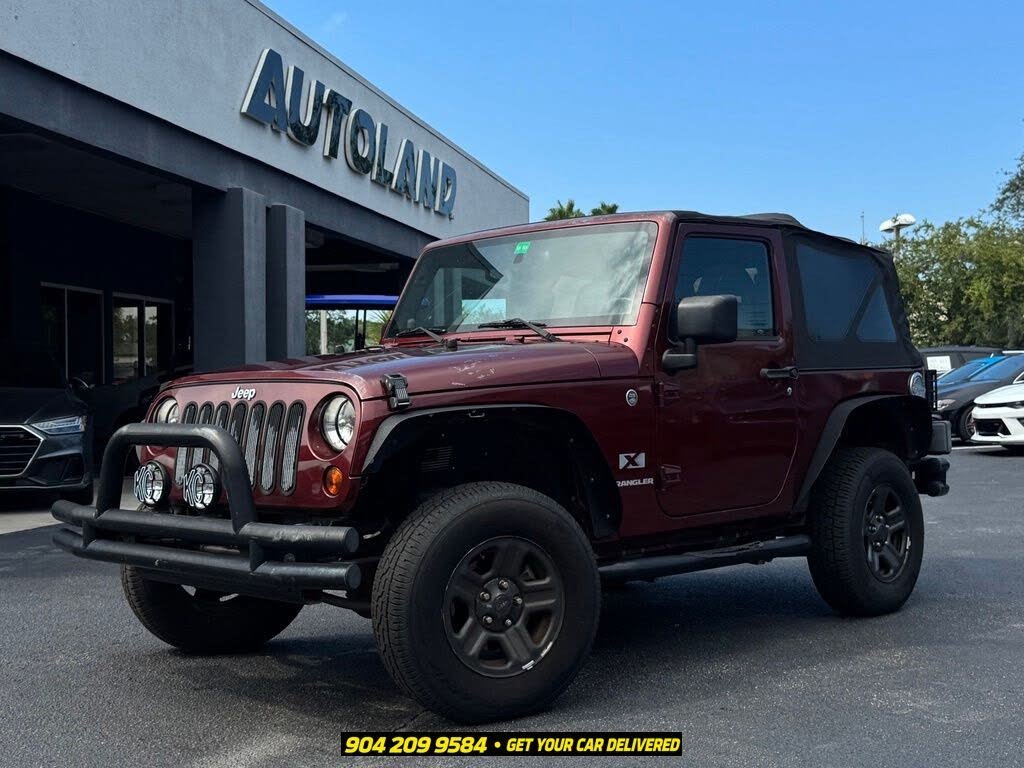
This article will explore the 2008 Jeep Wrangler in its 2WD configuration, examining its features, performance, and what made it a unique choice for buyers.
Understanding The 2wd Wrangler Concept
The idea of a two-wheel-drive Jeep Wrangler might raise eyebrows among off-road enthusiasts. After all, the Wrangler's heritage is built on its off-road prowess, a capability heavily reliant on its four-wheel-drive system.
So, why would Jeep produce a 2WD version?
The answer lies in market demand and a broader customer base. Not everyone who wanted the iconic Jeep look and open-air experience needed extreme off-road capability.
Many buyers were drawn to the Wrangler's distinctive styling, its removable doors and top, and its relatively compact size.
A 2WD model offered a more affordable entry point into the Wrangler ownership experience. It also provided a more fuel-efficient and road-friendly option for daily driving.
For those who lived in areas with mild weather or who primarily used their vehicle for commuting, errands, and weekend trips on paved roads, the added complexity and cost of a 4WD system were unnecessary.
The 2008 2WD Wrangler, therefore, served as a bridge, allowing a wider audience to enjoy the unique spirit of the Wrangler without the full commitment to off-road performance.
The 2008 Wrangler Platform: Jk Generation
The 2008 model year was part of the third generation of the Jeep Wrangler, known as the JK generation. This was a significant redesign for the Wrangler, introducing a wider track, a longer wheelbase, and a more refined interior compared to its predecessors. The JK generation also saw the introduction of the four-door Wrangler Unlimited, but the two-door models remained the classic choice.
Even in its 2WD form, the 2008 Wrangler JK retained much of its characteristic ruggedness. It featured a solid front axle (though it was not powered in 2WD models), a robust suspension system, and the unmistakable Jeep grille and round headlights.
The overall design aimed to be both functional and stylish, appealing to a demographic that valued both form and a hint of adventure, even if that adventure was mostly urban or suburban. The body-on-frame construction, a hallmark of Jeep vehicles, provided a solid foundation that contributed to its durable feel.
Powertrain And Performance In The 2wd Model
The heart of the 2008 2WD Jeep Wrangler was its engine. Most models were equipped with the 3.8-liter V6 engine, which produced around 202 horsepower and 237 lb-ft of torque. This engine, while not the most powerful in its class, was generally considered adequate for the Wrangler’s intended use, especially in the 2WD configuration. It provided enough grunt for city driving and highway cruising, though it could feel a bit strained when accelerating heavily or carrying a full load.
Transmission options typically included a 6-speed manual transmission or a 4-speed automatic transmission. The manual offered a more engaging driving experience, allowing the driver to extract more performance from the engine. The automatic, while less sporty, provided a smoother and more convenient ride for daily commuting.
In terms of fuel economy, the 2WD Wrangler was generally more efficient than its 4WD counterparts. While EPA estimates varied slightly based on transmission and specific configuration, a 2WD model could achieve better miles per gallon, making it a more economical choice for those prioritizing fuel savings.
For example, a 2008 2WD Wrangler with the automatic transmission might achieve an EPA-estimated 15 MPG city and 19 MPG highway, whereas a 4WD version would typically be a couple of MPG lower in both categories.
Drivability And Handling
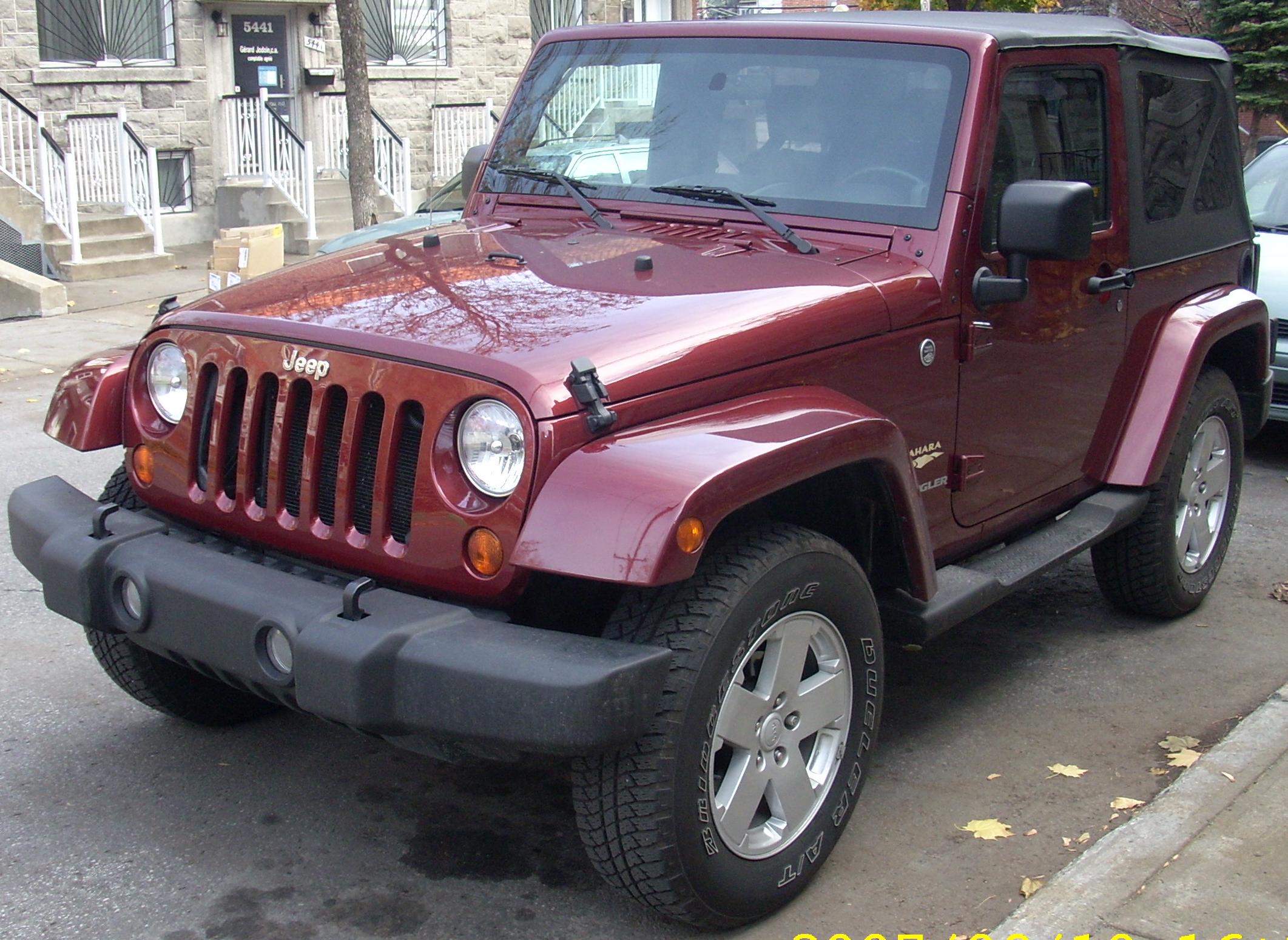
On the road, the 2008 2WD Wrangler offered a driving experience that was a significant improvement over previous generations, thanks to the JK platform. The wider track and longer wheelbase contributed to better stability and a more comfortable ride.
However, it's important to remember that the Wrangler, even in 2WD, is still an SUV with a solid front axle.
This means that while improved, the handling might not be as refined as some unibody crossovers or sedans.
Steering was typically power-assisted, making it manageable for parking and low-speed maneuvers. The suspension was designed to handle rough roads, but this also meant a firmer ride compared to more car-like vehicles.
For everyday driving, the 2WD Wrangler was perfectly competent.
It offered a commanding driving position, good visibility, and a sense of robustness. The absence of the 4WD transfer case and front driveshaft in the 2WD model meant slightly less weight and potentially a smoother ride on pavement, as there were fewer components to transmit road noise or vibrations.
Interior Features And Comfort
The interior of the 2008 Jeep Wrangler JK represented a considerable leap forward in terms of refinement and features compared to older Wranglers. Jeep focused on making the cabin more comfortable and practical for daily use. Buyers could expect features like:
- Air conditioning: Standard on most trims, essential for comfortable open-air driving.
- Power windows and door locks: Available on higher trims, adding convenience.
- Adjustable steering wheel: Allowing drivers to find a comfortable position.
- Upgraded audio systems: Including options with CD players and satellite radio.
- Durable interior materials: Designed to withstand the elements and easy to clean, a nod to its outdoor heritage.
The seats were typically cloth, designed for durability. While comfortable enough for most journeys, they weren't as plush as those found in luxury SUVs.
The rear seat in the two-door model was adequate for occasional use but could feel cramped for adults on longer trips.
The overall design emphasized functionality, with easy-to-reach controls and ample storage cubbies.
A key selling point of any Wrangler is its convertibility. The 2008 model offered the popular “Freedom Top” hardtop, which consisted of three removable panels, allowing for a partial or full open-air experience. Alternatively, a soft top was also available. Removing the doors was a relatively straightforward process, further enhancing the open-air feel. This modular design was a major draw for buyers who wanted a vehicle that could adapt to different weather conditions and driving desires.
Trim Levels And Options
The 2008 Jeep Wrangler was available in several trim levels, each offering a different balance of features and price. The most common trims included:
- Sport: The base model, offering essential features and a lower price point. It was the most likely candidate for a 2WD configuration.
- X: A step up from the Sport, often adding some convenience features like air conditioning and a better stereo.
- Sahara: Positioned as a more comfortable and feature-rich option, often including alloy wheels, upgraded interior trim, and more advanced audio systems.
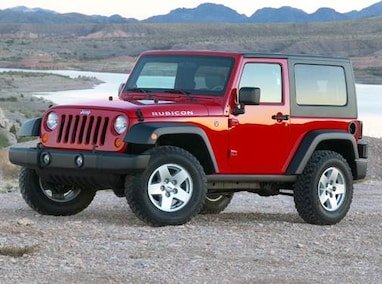
- Rubicon: While primarily known for its extreme off-road capability (which typically came with 4WD), some Rubicon-like features might have been available as options on lower trims, though a 2WD Rubicon was uncommon.
Buyers could further customize their Wrangler with a range of factory and aftermarket options. These might include different wheel and tire packages, upgraded sound systems, tow hitches, and various interior accessories.
The aftermarket support for Wranglers is extensive, allowing owners to personalize their vehicles to a great degree.
Safety Features
Safety in the 2008 Jeep Wrangler, particularly the 2WD models, included standard features expected for the era. These typically comprised:
- Front airbags: For the driver and front passenger.
- Anti-lock Braking System (ABS): Standard on most models, helping to prevent wheel lock-up during hard braking.
- Traction control: Available on some trims, aiding in maintaining grip on slippery surfaces.
- Electronic Stability Control (ESC): Became more common in vehicles around this time, helping to prevent skids.
It’s important to note that the Wrangler’s design, with its solid axles and relatively high center of gravity, means its on-road handling characteristics can differ from more car-like SUVs. While safety features have improved over the years, a 2008 model will not have the advanced driver-assistance systems found in modern vehicles.
Buyers considering a Wrangler should be aware of its unique driving dynamics.
Who Was The 2008 2wd Wrangler For?
The 2008 Jeep Wrangler 2WD was not for the hardcore off-roader. Instead, it appealed to a different type of buyer:
- Style-Conscious Commuters: Individuals who loved the iconic Jeep look, the open-air experience, and the sense of freedom it offered, but who primarily used their vehicle for city driving and weekend errands.
- Budget-Minded Buyers: The 2WD model was typically less expensive than its 4WD counterpart, making the Wrangler accessible to a wider range of budgets.
- Those Seeking Versatility: The removable doors, top, and fold-down windshield offered a unique level of customization and fun that few other vehicles could match, even without the need for 4WD.
- Owners in Mild Climates: For those living in areas where snow and ice are infrequent, the need for 4WD might be minimal, making the 2WD version a practical choice.
In essence, the 2WD Wrangler was for someone who wanted the Jeep lifestyle without necessarily needing the extreme off-road capability. It offered a distinctive personality and a fun driving experience that set it apart from mainstream SUVs and cars.
Common Considerations For A Used 2008 Wrangler
When looking at a used 2008 Jeep Wrangler, whether 2WD or 4WD, there are several common areas to inspect.
Rust And Corrosion
Jeeps, especially those that have seen any kind of off-road use or have been exposed to road salt, can be susceptible to rust. Key areas to check include the frame rails, rocker panels, wheel wells, and around the windshield and doors. A thorough inspection underneath the vehicle is crucial.
Suspension And Steering Components
The solid front axle and suspension components can wear over time. Look for signs of leaks from the shocks and uneven tire wear, which can indicate alignment issues or worn suspension parts. Check for play in the steering and noises when turning.
Drivetrain (for 2wd)
While the 2WD model eliminates the complexity of the front axle and transfer case, the rear differential, driveshaft, and transmission are still critical. Listen for whining or clunking noises from the rear end, especially during acceleration or deceleration. Check for fluid leaks around the transmission and differential.
Interior Wear And Tear
The removable nature of the doors and top means seals can wear out, leading to water leaks into the cabin. Check the condition of the seats, carpets, and dashboard. Test all power accessories (windows, locks, mirrors if equipped).
Engine And Cooling System
The 3.8L V6 is generally a reliable engine, but like any engine, it requires proper maintenance. Check for coolant leaks, oil leaks, and listen for any unusual engine noises. Ensure the cooling fan operates correctly.
Electrical System
Test all lights, turn signals, wipers, horn, and the infotainment system. Older vehicles can sometimes develop gremlins in their electrical systems.
The 2008 2wd Wrangler In Context
The 2008 2WD Jeep Wrangler occupied a unique niche. It offered the unmistakable Jeep aesthetic and the open-air driving experience that Jeep is famous for, but in a package that was more accessible and practical for everyday use. It wasn’t trying to be a luxury SUV or a sports car; it was a Wrangler for people who appreciated its identity and versatility without needing its full off-road capabilities.
Compared to other compact SUVs of its era, the Wrangler stood out with its removable components and iconic styling. While competitors might have offered more refined on-road manners or better fuel efficiency, they lacked the sheer character and the unique sense of freedom that a Wrangler provides. The 2WD version democratized this experience, making it available to those who might have been put off by the cost or complexity of a 4WD system.
Key Differences: 2wd Vs. 4wd In The 2008 Wrangler
It’s crucial to understand the fundamental differences between the 2WD and 4WD versions of the 2008 Wrangler.
| Feature | 2008 Jeep Wrangler 2WD | 2008 Jeep Wrangler 4WD |
|---|---|---|
| **Drivetrain** | Rear-wheel drive (RWD) | Four-wheel drive (4WD) with transfer case |
| **Front Axle** | Solid axle, not powered | Solid axle, powered by 4WD system |
| **Transfer Case** | Not present | Present, with various gear selections (2H, 4H, 4L) |
| **Off-Road Ability** | Limited; suitable for paved roads and light trails | Significant; designed for challenging off-road terrain |
| **Fuel Economy** | Generally slightly better | Generally slightly lower |
| **Weight** | Lighter due to fewer drivetrain components | Heavier |
| **Complexity** | Simpler mechanical system | More complex drivetrain |
| **Price (New)** | Lower | Higher |
| **Target User** | Style-focused, daily driver, mild climates | Off-road enthusiasts, adventurers, all-weather drivers |
The primary distinction lies in the presence of the 4WD system. This includes the transfer case, front driveshaft, and the ability to engage power to the front wheels. For 2WD models, power is sent only to the rear wheels. This makes the 2WD model behave much like a traditional RWD truck or SUV.
Maintenance And Ownership Costs
Owning a 2008 Jeep Wrangler, regardless of drivetrain, involves certain considerations. Maintenance for a



















