The Jeep Patriot is one of those vehicles that divides opinion. Some drivers love its rugged look and affordable price, while others complain about reliability and performance. If you are thinking about buying a used Jeep Patriot, knowing the best and worst years can save you money and headaches.
This guide covers everything you need to know, including real data, hidden pitfalls, and simple advice for making a smart decision.
Jeep Patriot Overview
The Jeep Patriot was produced from 2007 to 2017. It aimed to be a budget-friendly SUV with a classic Jeep style. Over its life, the Patriot received only minor updates. Most models came with a 2.0L or 2.4L engine, and buyers could choose front-wheel or four-wheel drive.
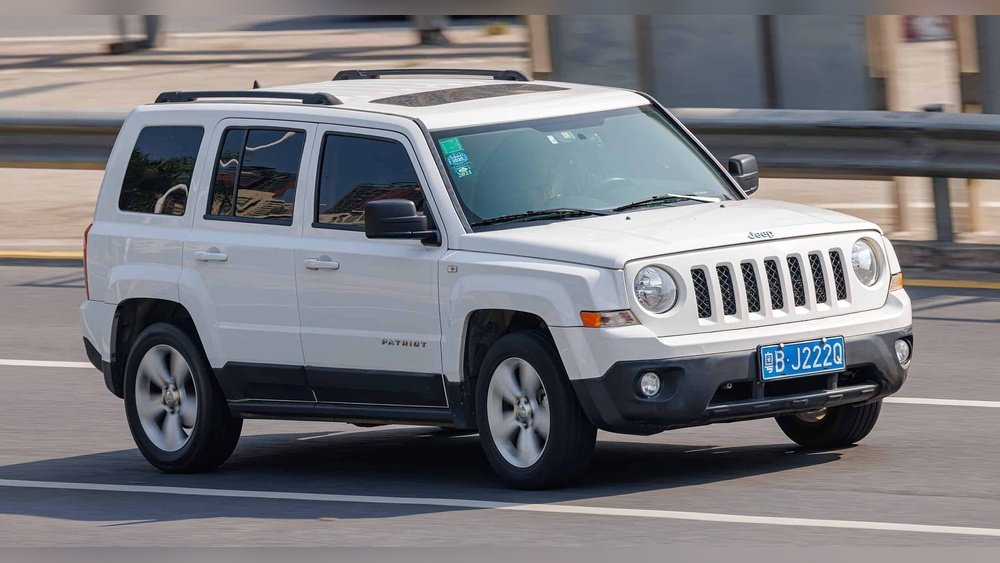
Despite its popularity, the Patriot often had mixed reviews. Consumer Reports and J. D. Power both noted that some years had serious reliability problems. On the other hand, a few years offered decent value for drivers who wanted basic transportation.
Worst Years For Jeep Patriot
Not all Jeep Patriots are equal. Certain years have more complaints, recalls, and mechanical problems. Here are the years you should avoid:
| Year | Common Issues | Reported Complaints |
|---|---|---|
| 2008 | Water leaks, engine stalling, transmission failure | Over 700 |
| 2009 | CVT problems, electrical faults, poor build quality | 600+ |
| 2011 | Suspension issues, interior rattles, airbag recalls | 550+ |
| 2014 | Engine overheating, brake failure, paint peeling | 500+ |
Why Are These Years Bad?
- 2008: Many owners reported water leaking into the cabin, causing mold and electrical issues. The CVT transmission often failed before 80,000 miles, leading to expensive repairs.
- 2009: This year continued the transmission troubles. Drivers also experienced frequent electrical problems, especially with power windows and locks.
- 2011: The suspension system wore out quickly, causing noisy rides and costly fixes. There were also recalls for faulty airbags, which affected safety.
- 2014: Engine and brake problems led to breakdowns. Paint quality was poor, with many Patriots showing signs of peeling after only a few years.
A common mistake is believing all Patriots are equally reliable. In reality, these years have higher repair costs and more owner complaints.
Best Years For Jeep Patriot
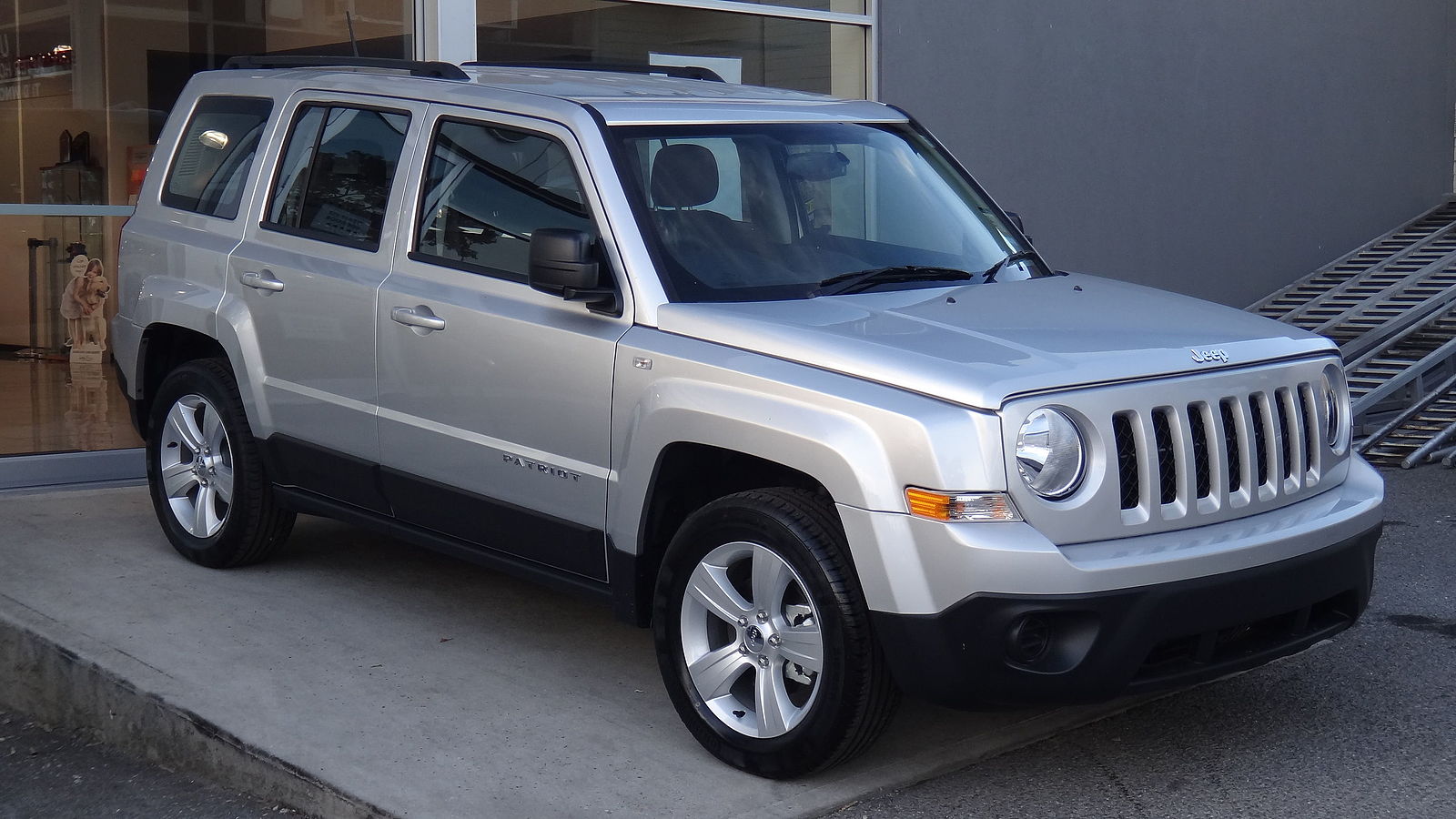
Some Jeep Patriot years have fewer problems and better reliability. If you want a used Patriot, these are your safest bets:
| Year | Key Improvements | Average Reliability Rating |
|---|---|---|
| 2012 | Better suspension, fewer recalls, improved interior | Above average |
| 2016 | Updated electronics, stronger engine options | Good |
| 2017 | Final production year, refined design, fewer issues | Very good |
What Makes These Years Better?
- 2012: Jeep fixed some of the earlier suspension problems and improved interior materials. Fewer recalls meant less worry for owners.
- 2016: Electronics became more reliable, and engine choices offered better performance. The CVT transmission was replaced in most trims, reducing repair rates.
- 2017: As the final production year, Jeep focused on quality control. Reports of major issues dropped, and the Patriot got positive feedback for reliability.
It’s important to note that even the best Patriot years are not perfect. However, they are much less likely to need major repairs compared to the worst years.
Comparing Jeep Patriot Models
Choosing the right trim and drivetrain can also affect your experience. Here’s a quick look at the most popular Patriot models:
| Model | Engine | Drivetrain | Notes |
|---|---|---|---|
| Sport | 2.0L / 2.4L | FWD / 4WD | Basic features, most affordable |
| Latitude | 2.4L | FWD / 4WD | More comfort, better options |
| Limited | 2.4L | 4WD | Premium features, higher price |
4WD Patriots usually hold up better in harsh weather but cost more to maintain. The Sport trim is cheap but often lacks features that make daily driving easier.

Non-obvious Insights
- Many drivers overlook the importance of transmission type. The CVT, used in early Patriots, is prone to failure. Later models with automatic transmissions have fewer problems.
- Rust protection is weak in some Patriots. Inspect the underbody and door frames, especially in cold climates, to avoid hidden repair costs.
Tips For Buying A Used Jeep Patriot
- Always check for recalls and service records. A clean history means fewer surprises.
- Test drive the car in both city and highway conditions. Listen for suspension noise and check all electronics.
- If possible, avoid Patriots with over 100,000 miles unless they have strong maintenance records.
- Ask about transmission repairs. If the CVT was replaced, it’s usually a good sign.
- Consider a professional inspection to spot leaks, rust, and hidden engine issues.
Frequently Asked Questions
Is The Jeep Patriot A Good Family Suv?
The Jeep Patriot is affordable and has decent space. However, it lacks advanced safety features found in newer SUVs. For small families, it’s OK if you choose a reliable year.
How Long Does A Jeep Patriot Usually Last?
A well-maintained Patriot can last up to 150,000 miles. Early models with CVT transmissions may fail sooner. Regular maintenance is key to a long lifespan.
Are Jeep Patriots Expensive To Repair?
Repair costs are average for SUVs, but certain years have costly transmission and suspension repairs. Checking the service history can help avoid big bills.
What Is The Best Engine For Jeep Patriot?
The 2.4L engine is more reliable than the 2.0L. It offers better performance, especially in 4WD models, and is less prone to overheating.
Should I Buy A Jeep Patriot Or Another Compact Suv?
If you want a Jeep look and budget price, the Patriot is a choice. However, for better reliability and features, consider rivals like the Honda CR-V or Toyota RAV4. You can read more on compact SUVs at Wikipedia.
The Jeep Patriot can be a smart buy if you know which years to avoid and what to check before purchasing. Focus on newer models and always inspect the car carefully. With the right knowledge, you can enjoy a reliable SUV without surprises.