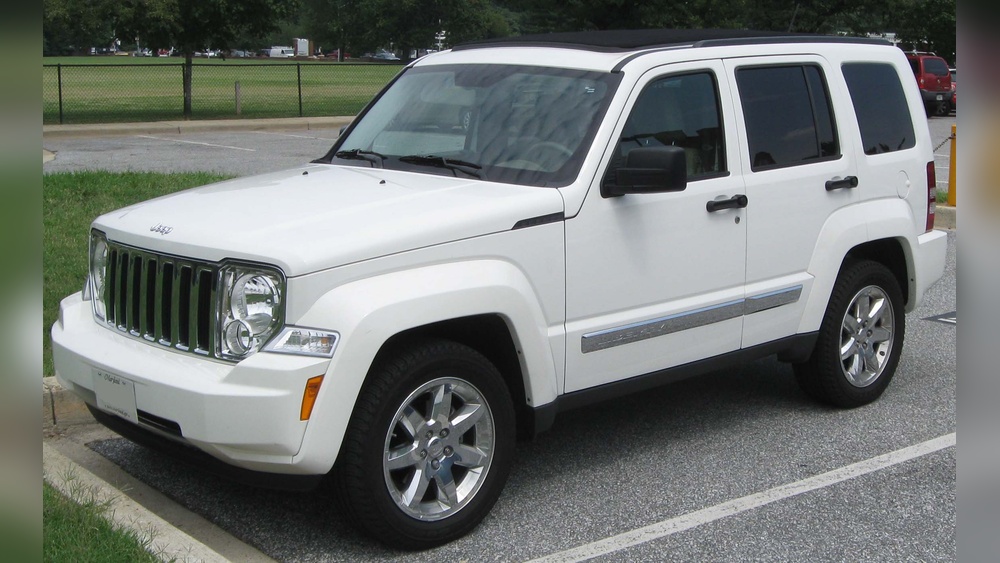
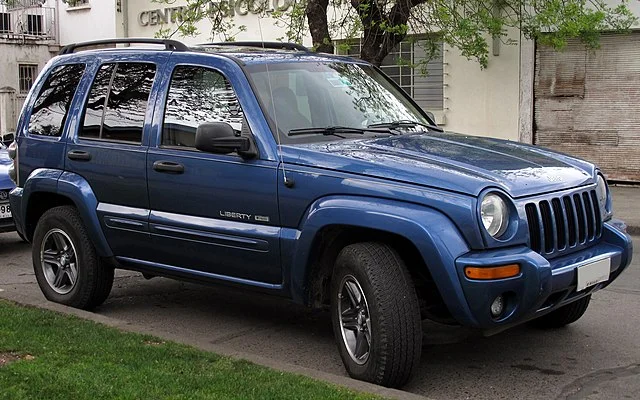
The Jeep Liberty once stood as a popular compact SUV in America. With its rugged style and off-road ability, it attracted drivers looking for adventure in a smaller package.
Yet, the Liberty’s journey ended quietly after the 2012 model year. Many fans wondered: why was this well-known SUV discontinued?
The answer is not simple. It involves changing markets, new technology demands, and tough competition.
Let’s break down the real reasons behind the end of the Jeep Liberty.
Jeep Liberty: A Quick Look Back
The Jeep Liberty, also known as the Jeep Cherokee outside North America, first appeared in 2002. It was designed to replace the Jeep Cherokee XJ, which was a favorite among off-roaders. The Liberty offered a more modern look, better safety features, and more comfort than its predecessor. Over two generations, it sold well, especially in its early years.
However, by the late 2000s, the SUV world was changing fast. Customers wanted better fuel economy, more advanced technology, and a smoother ride. The Liberty’s classic design started to show its age.
Key Reasons For Discontinuation
Several factors led to the end of the Jeep Liberty. Here are the main reasons:
1. Fuel Economy Challenges
The Liberty was built with a body-on-frame structure for strong off-road capability. While this made it tough, it also made the vehicle heavy. As a result, the Liberty’s fuel economy was not competitive. Most models had a V6 engine, which delivered about 16-22 mpg (miles per gallon). At the time, rivals like the Honda CR-V and Toyota RAV4 offered better efficiency.
When gas prices climbed in the late 2000s, buyers shifted to more fuel-efficient options. The Liberty’s poor economy became a big weakness.
2. Outdated Design And Features
By 2012, the Liberty’s interior looked simple compared to newer SUVs. Many competitors had touchscreen infotainment, advanced safety systems, and more comfortable rides. The Liberty’s design focused on off-road use, with less attention to city comfort. This made it less appealing to families and commuters.
3. Rising Safety Standards
New safety rules forced automakers to add features like side-curtain airbags and advanced electronic stability controls. Updating the Liberty to meet these standards would have been costly. Its old platform made it hard to add new technology without a complete redesign.
4. Market Trends And Consumer Demand
In the early 2010s, American car buyers wanted crossovers—SUVs built on car-like frames. These vehicles, like the Ford Escape and Chevrolet Equinox, offered smoother rides and better mileage. The Liberty’s tough off-road image became less important to the average driver.
5. Fca’s Shift In Strategy
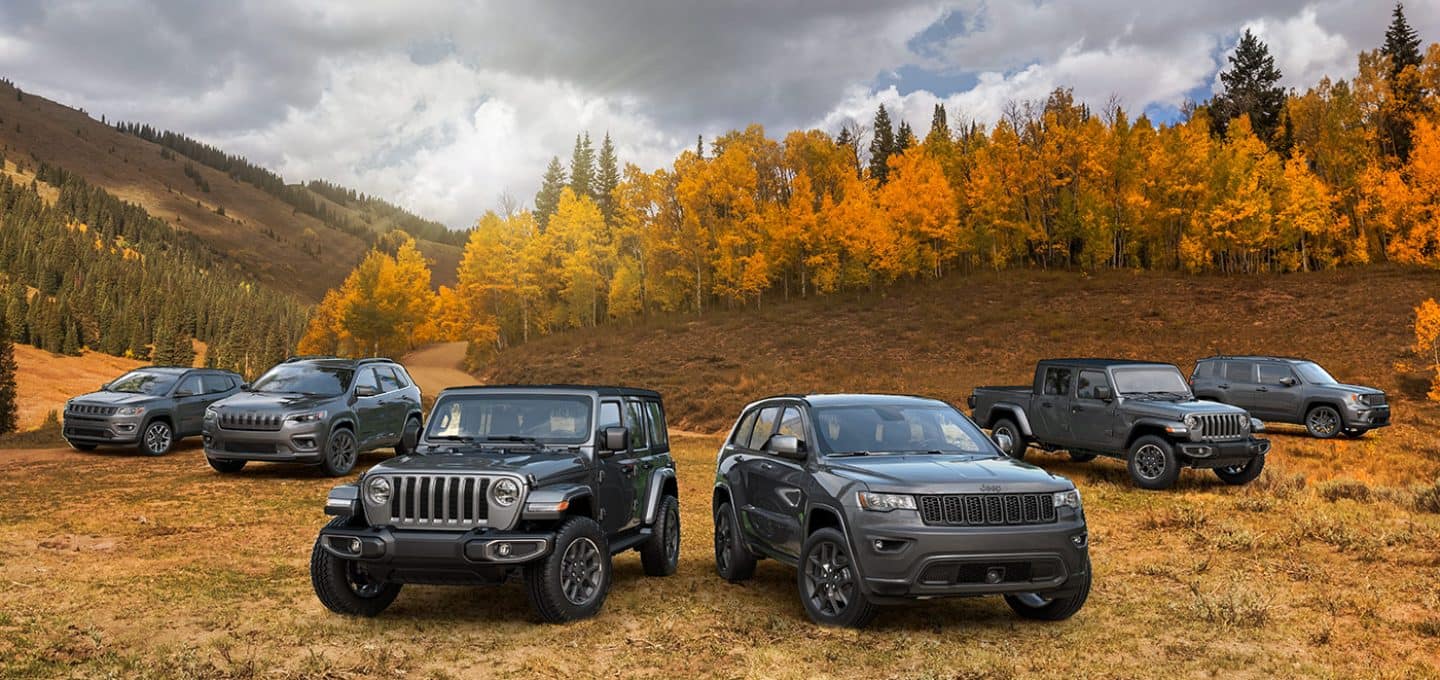
Jeep’s parent company, Fiat Chrysler Automobiles (FCA), decided to refresh its lineup. Instead of updating the Liberty, they chose to bring back the Jeep Cherokee with a new, more modern design. This new Cherokee was lighter, more efficient, and included the latest tech. The Liberty’s slot in the lineup was replaced.
How Did The Jeep Liberty Compare To Rivals?
To see how the Liberty matched up, here’s a quick comparison with key competitors from 2012:
| Model | Engine | Fuel Economy (mpg) | Base Price |
|---|---|---|---|
| Jeep Liberty | 3.7L V6 | 16 city / 22 highway | $23,360 |
| Honda CR-V | 2.4L I4 | 23 city / 31 highway | $22,495 |
| Toyota RAV4 | 2.5L I4 | 22 city / 28 highway | $22,650 |
| Ford Escape | 2.5L I4 | 22 city / 31 highway | $22,470 |
You can see the Liberty’s fuel economy lagged behind, even though its price was similar. For many buyers, this made a big difference.
What Replaced The Jeep Liberty?
In 2014, Jeep launched a new version of the Jeep Cherokee. This model was based on a unibody platform, making it lighter and more efficient. It included:
- Modern infotainment systems
- Advanced safety tech
- Improved fuel economy
- Smoother ride
The Cherokee quickly became a bestseller for Jeep, showing that the company’s new direction worked.
Here’s a simple side-by-side comparison:
| Feature | 2012 Jeep Liberty | 2014 Jeep Cherokee |
|---|---|---|
| Platform | Body-on-frame | Unibody |
| Base Engine | 3.7L V6 | 2.4L I4 |
| Fuel Economy (mpg) | 16/22 | 22/31 |
| Infotainment | Basic radio | Touchscreen available |
| Safety | Basic airbags | Advanced safety options |
This shows how the new Cherokee addressed the Liberty’s main weaknesses.
Insights Many People Miss
- The Liberty’s off-road focus was a double-edged sword. While great for adventure, it made the SUV less practical for daily city driving, which is what most buyers wanted.
- Updating the Liberty’s old platform would have cost nearly as much as building a new model. Car companies must balance investments with likely sales. The math simply didn’t work for the Liberty.
Another point: the Liberty’s global sales were weaker than Jeep hoped. In key markets outside the US, buyers preferred other Jeep models or local SUVs.
Lessons From The Jeep Liberty’s End
Automakers must keep up with changing demands. The Jeep Liberty’s story shows how quickly technology, fuel prices, and buyer tastes can shift. Brands that adapt thrive those that don’t, risk falling behind.
If you want to dig deeper into the Liberty’s history, the Wikipedia page offers more details.
Frequently Asked Questions
Why Did Jeep Choose The Cherokee To Replace The Liberty?
The Cherokee name had strong brand value and global recognition. The new Cherokee also used a modern platform and offered better fuel economy, safety, and technology. This helped Jeep reach more customers.
Was The Jeep Liberty A Reliable Suv?
The Liberty was known for its strong off-road ability and tough build. However, it sometimes had issues with window regulators, suspension parts, and fuel economy. Maintenance costs were average for its class.
Will Jeep Bring Back The Liberty?
There are no current plans to revive the Liberty. Jeep now focuses on models like the Cherokee, Compass, and Renegade, which meet today’s market needs better.
How Does The Liberty Compare To Older Jeep Cherokee Models?
The Liberty had a more modern look and better comfort than the old Cherokee XJ. However, many fans felt it was less capable off-road and heavier, which hurt its fuel economy.
Is The Jeep Liberty A Good Used Car Today?
A used Liberty can be a good choice for those who need off-road ability at a low price. But buyers should check for common issues and understand its lower fuel economy compared to newer SUVs.
The Jeep Liberty’s end was not a failure it was a turning point. It led to better, more modern Jeep SUVs that fit what drivers want today. That’s the real legacy of the Jeep Liberty.