Jeeps are known for their rugged look, off-road abilities, and strong community. But in recent years, many people have noticed something unusual: small rubber ducks sitting on dashboards, hanging from mirrors, or even on top of tires. Why do Jeeps have rubber ducks, and what is the meaning behind this quirky trend? The answer is a mix of fun, kindness, and a sense of belonging that has spread quickly among Jeep owners around the world.
The Origin Of The Jeep Ducking Trend
The story of Jeep ducking began in 2020 in Ontario, Canada. During the early months of the COVID-19 pandemic, a Jeep owner named Allison Parliament wanted to spread a little joy in a stressful time. She bought a pack of small rubber ducks and placed one on a stranger’s Jeep with a note saying, “Nice Jeep! Have a great day!” This simple act of kindness sparked a movement that soon became popular in the United States and other countries.
Now, Jeep owners leave rubber ducks on each other’s vehicles as a friendly gesture. The act is called “ducking,” and the ducks have become a symbol of positivity and community spirit.
What Rubber Ducks Mean To Jeep Owners
At first, it might seem odd to find a toy duck on a tough vehicle like a Jeep. But for many, it means much more:
- Recognition: Ducking is a way to say, “I see you. You’re part of the Jeep family.”
- Kindness: The trend started as a way to share small moments of happiness.
- Connection: Jeep owners often wave or nod at each other. Ducking takes this further by leaving a physical sign of friendship.
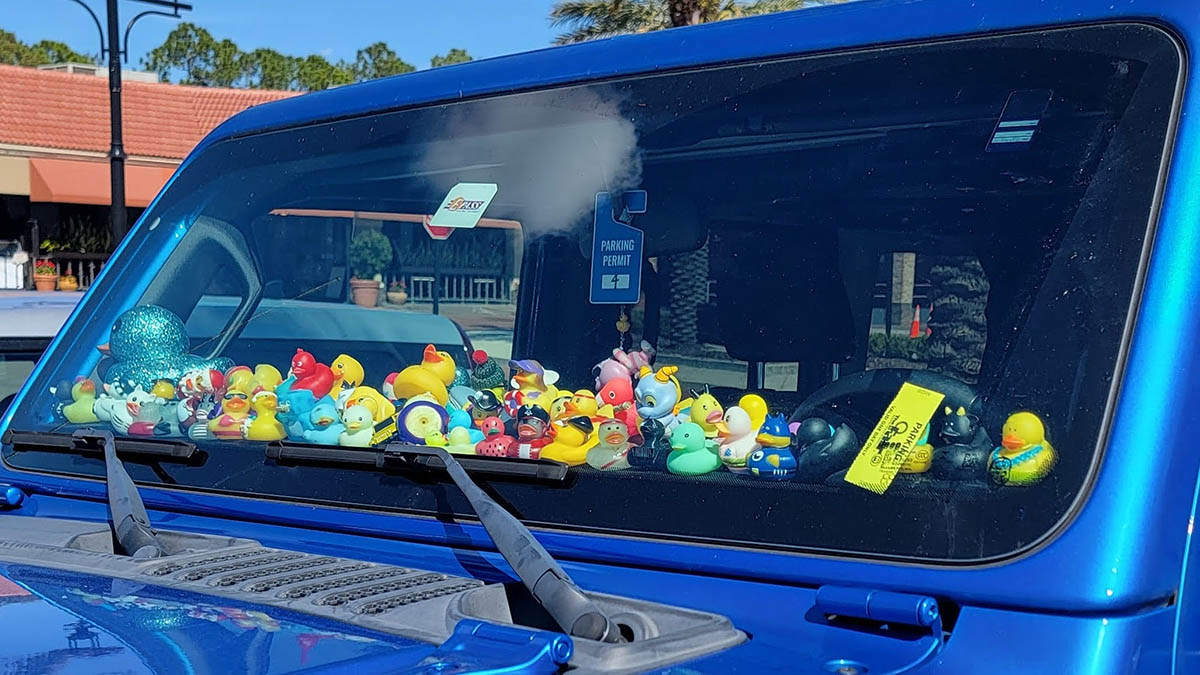
Some Jeep owners collect the ducks they receive, adding them to their dashboards as a badge of honor. For others, it’s a way to start conversations with strangers and make new friends.
How Ducking Works
The steps are simple, but there are a few things to keep in mind:
- Buy rubber ducks: Most people use small, colorful ducks from dollar stores or online shops.
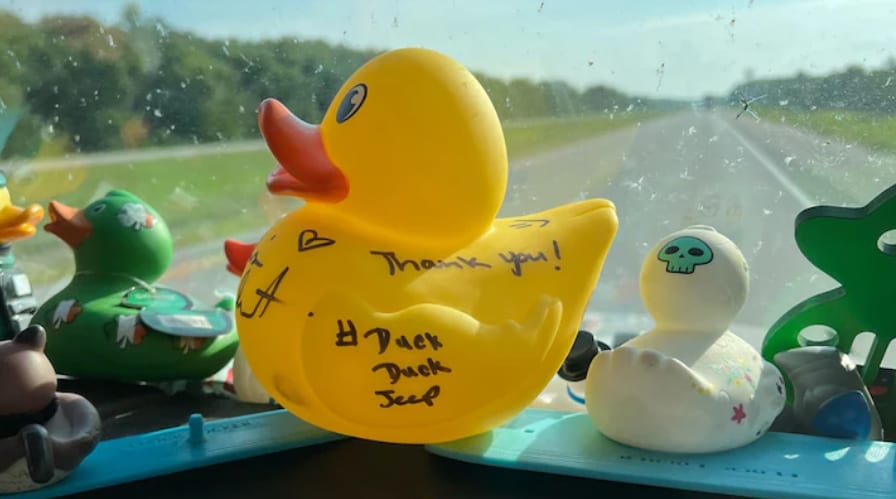
- Add a note: Many attach a tag saying “You’ve been ducked!” or a positive message.
- Place the duck: People usually leave ducks on the door handle, mirror, or windshield of another Jeep.
- Share online: Some post photos on social media with hashtags like #duckduckjeep.
There are no strict rules, but it’s important to respect others’ property. Always place the duck where it won’t cause damage or block the driver’s view.
Why The Ducking Trend Grew So Fast
The ducking trend grew for a few key reasons:
- Easy to join: Anyone with a Jeep can take part.
- Low cost: A pack of rubber ducks is cheap and easy to find.
- Visible: Ducks stand out and spark curiosity.
- Community focus: The Jeep brand already has a strong group feeling.
As more people posted about ducking online, it spread quickly. Even Jeep dealerships and official events have joined in, handing out ducks and encouraging the trend.

Different Types Of Jeep Ducks
Not all rubber ducks are the same. Some Jeep owners have started to use special ducks for different reasons. Here are a few examples:
| Duck Type | Meaning | Example Use |
|---|---|---|
| Classic Yellow | General friendship | Given to any Jeep |
| Themed Ducks | Celebrating holidays | Halloween, Christmas, etc. |
| Custom Ducks | Personal touch | Names or unique designs |
Some people even write their Instagram handle on the ducks to connect with new friends.
Jeep Ducking Vs. Other Car Culture Trends
Jeep ducking is special, but other car groups also have their own traditions. Here’s how ducking compares:
| Car Brand | Tradition | Purpose |
|---|---|---|
| Jeep | Rubber ducks | Kindness & community |
| Volkswagen Beetle | “Slug Bug” game | Fun, spotting cars |
| Mini Cooper | Waving to other Minis | Recognition |
Jeep ducking is unique because it’s both playful and has a deeper meaning of sharing kindness, especially during tough times.
Common Misunderstandings About Jeep Ducking
Some people see a rubber duck on their Jeep and worry it’s a joke or a prank. In reality, it’s a friendly gesture. Others think you must drive a certain model to take part, but all Jeep vehicles are included.
A mistake some beginners make is using glue or tape, which can damage paint. Only place ducks where they won’t harm the car.
Another insight: Ducking is not just for kids. Many adults enjoy the tradition and even trade rare or themed ducks with others at Jeep events.
The Impact On Jeep Community And Beyond
The ducking trend has brought Jeep owners closer together. It has also inspired acts of kindness beyond the car world. Some people now “duck” others at work or in their neighborhoods by leaving small surprises.
Dealers have reported higher customer satisfaction because ducking makes buying a Jeep feel like joining a club. Some charities have also used rubber ducks in events to raise money for good causes.
Frequently Asked Questions
Why Do Jeeps Have Rubber Ducks?
Jeep owners place rubber ducks on each other’s vehicles as a sign of friendliness and community. It started during the COVID-19 pandemic to spread joy and connect Jeep fans.
Can I Duck Any Jeep, Or Are There Rules?
You can duck any Jeep model. Just make sure to place the duck safely and avoid causing any damage. Adding a short note helps explain the gesture.
Is Ducking Only Popular In The United States?
No, the trend began in Canada and has spread to many countries, including the United States, UK, and Australia. Jeep groups worldwide now take part.
Do Other Car Brands Have Similar Traditions?
Some car groups have their own customs, like waving or games. However, the rubber duck tradition is unique to Jeep owners.
Where Can I Learn More About Jeep Ducking?
You can read more on the Jeep Ducking Wikipedia page for more details and history.
The rubber duck trend is more than just a fun idea—it’s a way for Jeep owners to show respect, kindness, and welcome new faces into their community. Next time you spot a small duck on a Jeep, you’ll know there’s a bigger story behind that little yellow smile.