If you’ve ever started your Jeep on a chilly morning, only to feel an icy blast coming from the vents, you know how frustrating it can be. Many Jeep owners deal with blowing cold air from their heater, especially when they expect warm comfort.
This problem isn’t just annoying—it can signal issues under the hood that need attention. Understanding why your Jeep is blowing cold air can help you fix it faster and keep your drives comfortable, even on the coldest days.
Common Reasons Your Jeep Blows Cold Air
Several parts of your Jeep’s heating system must work together to provide warm air. If any of these fail, you might only get cold air from the vents. Here are the most common causes:
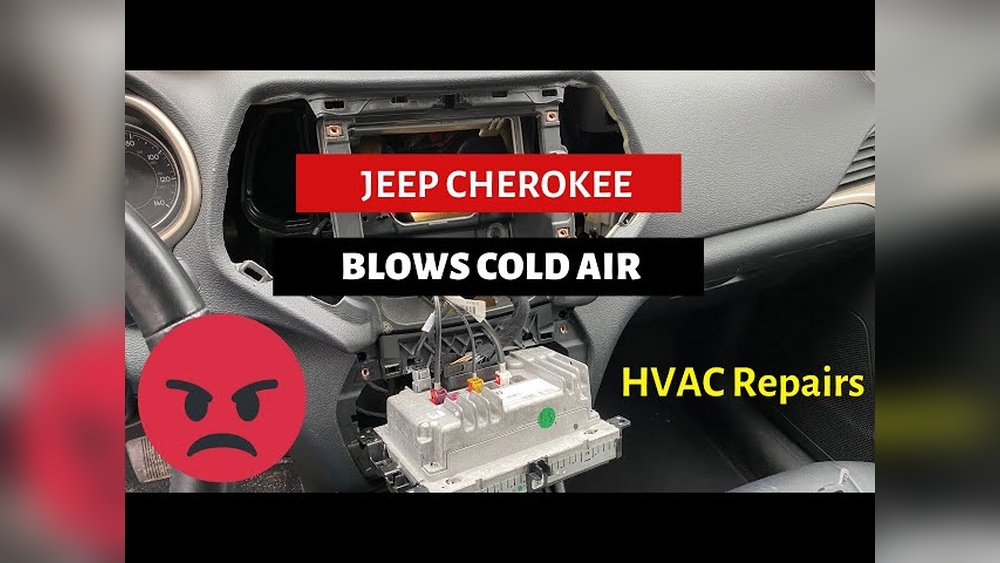
1. Low Coolant Level
Your Jeep’s coolant does more than keep the engine from overheating. It also carries heat to the heater core, which warms up the air for your cabin. If the coolant is low, there isn’t enough to move heat into your Jeep’s interior. This often happens after a leak or if you haven’t checked fluids for a while.
Tip: Always check the coolant when the engine is cool to avoid burns.
2. Faulty Thermostat
The thermostat controls how much coolant flows through your engine. If it sticks open, the coolant stays cool, and your heater can’t get warm. If it’s stuck closed, it can cause engine overheating. A bad thermostat is a simple part but can cause big problems.
3. Clogged Heater Core
The heater core is like a small radiator behind your dashboard. Over time, it can get clogged with dirt or rust, so hot coolant can’t flow through. When this happens, cold air blows out even if the engine is warm.
4. Broken Heater Controls Or Blend Door
Your Jeep uses blend doors to control how much hot or cold air comes into the cabin. If the controls break or the blend door gets stuck, you might only get cold air. Electrical faults or vacuum leaks can also stop these parts from working properly.
5. Air Pockets In The Cooling System
Sometimes, air gets trapped in the cooling system after a coolant change or leak. These air pockets block coolant from reaching the heater core. As a result, your heater can’t warm up.
6. Water Pump Issues
A weak or failing water pump can’t move coolant effectively through the system. This means the heater core doesn’t get enough hot coolant, so you feel cold air.
How To Diagnose The Problem
You don’t always need a mechanic to figure out why your Jeep is blowing cold air. Here are some steps you can try:
- Check Coolant Level: Open the hood and look at the coolant tank. If it’s low, add the recommended fluid.
- Feel the Hoses: Carefully touch the heater hoses after the engine warms up. Both should feel hot. If one is cold, the heater core may be clogged.
- Watch the Temperature Gauge: If the needle stays low after driving, your thermostat might be stuck open.
- Test the Heater Controls: Change the heater settings and listen for noises behind the dash. Clicking or no response can mean a blend door issue.
What To Do If Your Jeep Blows Cold Air
If you find the problem, here’s how you might fix it:
- Low Coolant: Top up with the right coolant. Fix any leaks before adding more.
- Bad Thermostat: Replace it. Most Jeeps use easy-to-find thermostats, and this is a common repair.
- Clogged Heater Core: Flushing the heater core can remove blockages. If flushing doesn’t work, the core may need replacing.
- Blend Door Issue: Sometimes, you can reset the controls by disconnecting the battery for a few minutes. If not, the blend door actuator might need replacing.
- Air in System: Bleed the cooling system to remove trapped air. There are guides online specific to each Jeep model.
- Water Pump Failure: If you hear whining or see leaks near the pump, it may need to be replaced.
Jeep Models: Heating System Comparison
Different Jeep models use similar heating systems, but there are small differences that can affect repairs.
| Model | Common Heater Issue | Average Repair Cost |
|---|---|---|
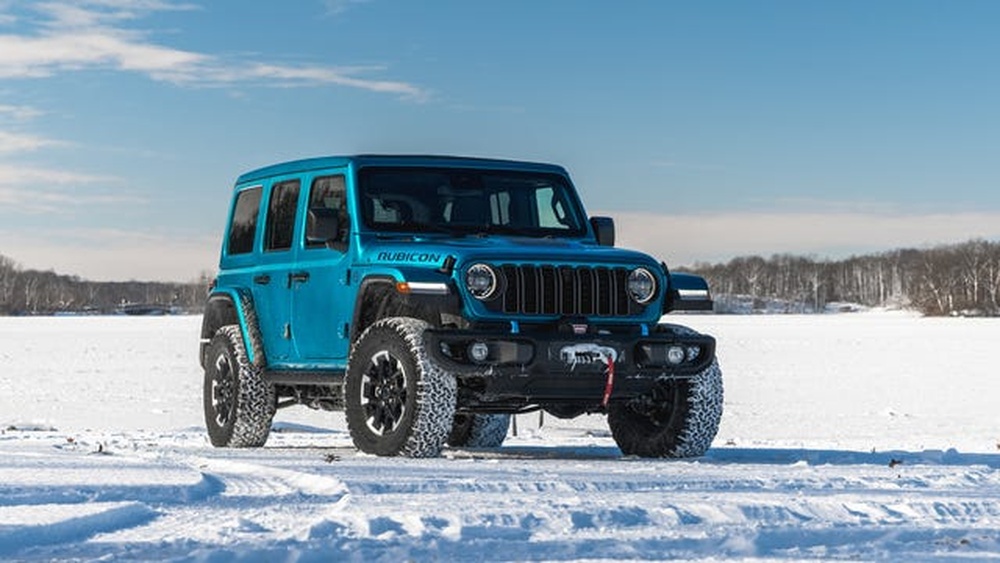
| Wrangler (JK) | Heater core clogging | $600-$1,200 |
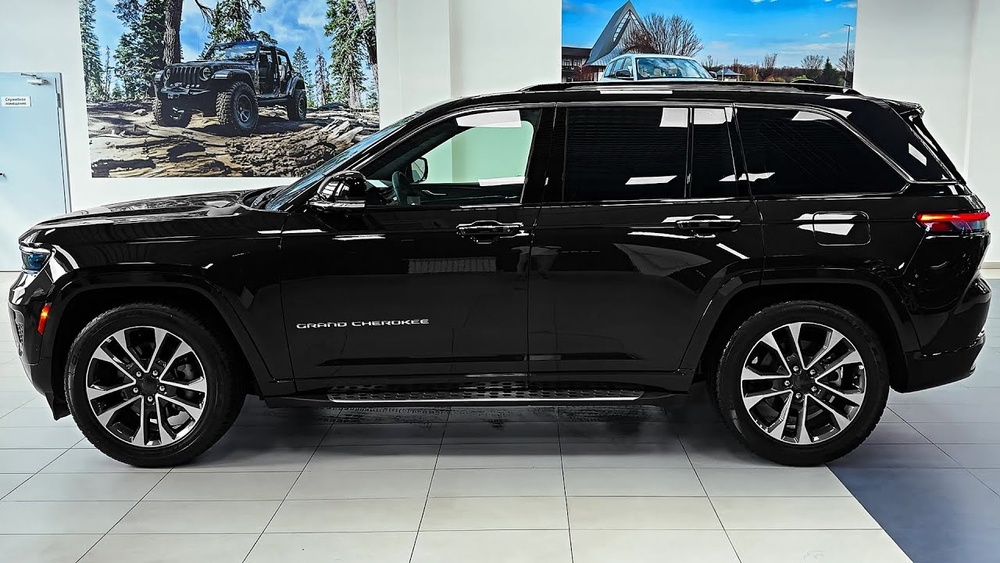
| Grand Cherokee (WJ) | Blend door failure | $400-$900 |
| Liberty (KJ) | Thermostat issues | $200-$350 |
Insight: The Wrangler JK is known for heater core problems, while the Grand Cherokee often faces blend door failures. Liberty models usually have simple thermostat issues, which are cheaper to fix.
Preventing Heating Problems In Your Jeep
Many heating issues are avoidable with good care. Here’s what you can do:
- Check coolant levels monthly.
- Flush the cooling system every 2-3 years.
- Watch for leaks under your Jeep, especially after parking.
- Run the heater a few minutes every month, even in summer, to keep blend doors moving.
Another tip most owners miss: After off-roading or driving in muddy areas, rinse the radiator and undercarriage. Mud and debris can block airflow and cause cooling problems that affect your heater.
Signs The Problem Is Urgent
Sometimes, blowing cold air is more than an inconvenience. Look for these warning signs:
- Engine overheating or temperature gauge in the red
- Sweet smell inside the Jeep (could be coolant leak)
- Wet carpets or foggy windows (possible heater core leak)
- Low coolant that keeps dropping
If you see any of these, fix the issue right away to avoid costly repairs.
Cost Comparison: Diy Vs. Professional Repair
Let’s look at how much you might spend if you fix heating issues yourself or go to a shop.
| Repair | DIY Cost | Professional Cost |
|---|---|---|
| Thermostat Replacement | $30-$60 | $150-$300 |
| Heater Core Flush | $20-$40 | $100-$250 |
| Blend Door Actuator | $25-$70 | $300-$600 |
Non-obvious insight: Even simple fixes like a heater core flush can save hundreds if you do them yourself, but always be honest about your skill level.
When To See A Mechanic
If you’ve tried the easy fixes and still get cold air, it’s time for a professional. Electrical problems, deep clogs, or leaks inside the dashboard need special tools and experience. Also, modern Jeeps may require computer diagnostics for blend door issues.
For more in-depth information about car heating systems, you can read the overview at Wikipedia.
Getting cold air from your Jeep’s heater isn’t just uncomfortable—it can warn you about bigger problems. By checking coolant, testing heater controls, and understanding your Jeep’s specific issues, you can often fix the problem fast. Regular maintenance and knowing when to call a mechanic will keep your Jeep warm and safe for years to come.
Frequently Asked Questions
Why Does My Jeep Blow Cold Air Only At Idle?
When idling, the water pump moves coolant more slowly. If coolant is low or there’s air in the system, the heater core doesn’t get enough hot fluid, so the air stays cold.
Can A Bad Radiator Cap Cause Cold Air From The Heater?
Yes. A weak radiator cap can let air into the system, causing air pockets that block hot coolant from reaching the heater core.
How Often Should I Flush My Jeep’s Heater Core?
Most experts suggest flushing the heater core every 2-3 years, or sooner if you notice heating problems or rusty coolant.
Is It Safe To Drive My Jeep If The Heater Isn’t Working?
You can drive without heat, but if the cause is low coolant or a leak, your engine could overheat, leading to serious damage.
What Is The Most Common Reason For Cold Air In Jeep Wranglers?
The most common reason is a clogged heater core, especially in older Wrangler JK models. Regular coolant flushes help prevent this.