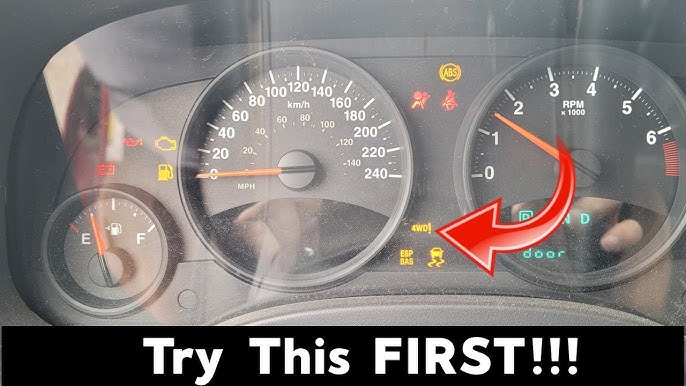
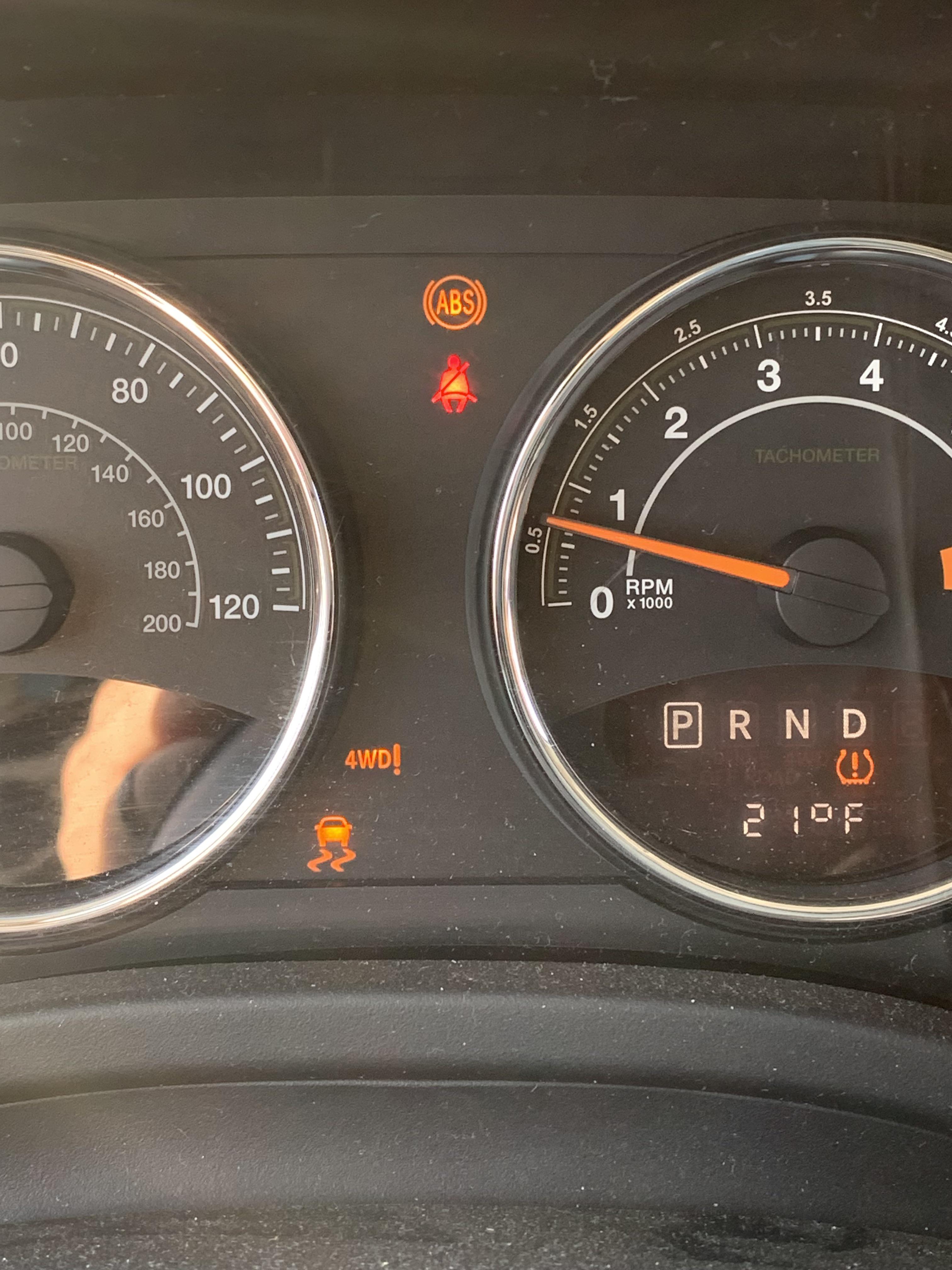
If you drive a Jeep Compass, seeing the 4WD light turn on can be confusing—and sometimes worrying. This small warning light is part of your vehicle’s system to keep you informed about the health and status of your four-wheel drive (4WD).
But what does it actually mean when this light comes on? Is it just a reminder, or a sign of a bigger problem?
Let's break down the common reasons, what you should do, and how to keep your Compass running smoothly.
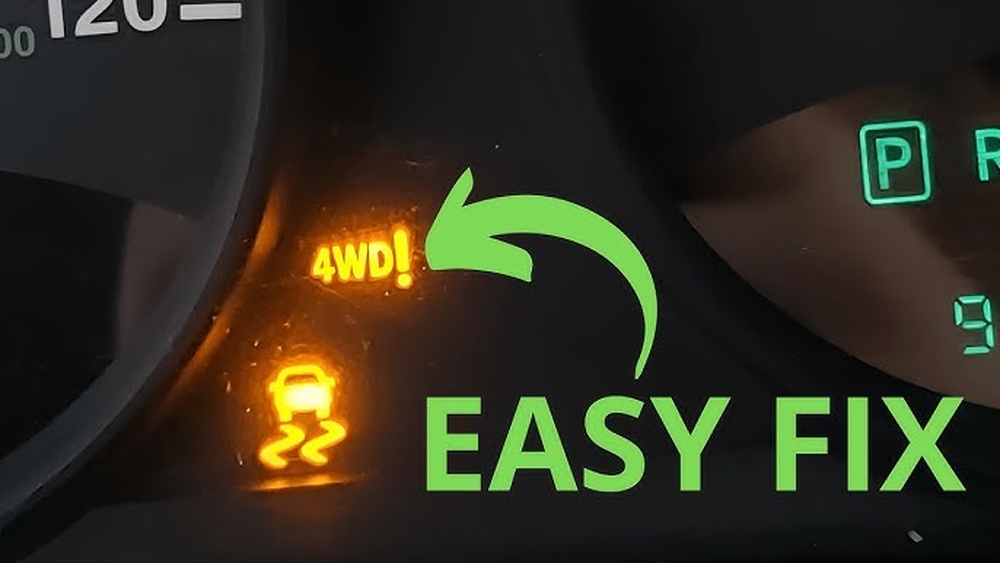
What Does The 4wd Light Mean?
Your Jeep Compass uses various sensors to monitor the 4WD system. When the 4WD light appears on your dashboard, it usually means the system wants your attention. Sometimes, it’s just a simple status update. Other times, it signals a fault or error.
The 4WD light can appear in two ways:
- Solid light: Often means the system is engaged or in use.
- Flashing light: Usually signals a problem or a system error.
Understanding the difference helps you decide how urgent the issue is.
Common Reasons The 4wd Light Turns On
Your 4WD system is complex. Several things can trigger the warning light. Here are the main reasons:
- System Activation: If you switch to 4WD mode, the light tells you it’s active.
- Sensor Issues: Faulty sensors may send wrong signals, turning the light on.
- Low Fluid Levels: The 4WD system uses special fluids. Low fluid can cause overheating or damage.
- Electrical Problems: Bad wiring or a blown fuse may disrupt communication.
- Transfer Case Malfunction: This part splits power between the wheels. Any problem here can trigger the warning.
- Overheating: Using 4WD for a long time, especially on dry roads, can overheat the system.
- Mechanical Failure: Broken gears, worn bearings, or damaged shafts can make the light appear.
Let’s compare some common triggers:
| Trigger | Is It Serious? | Immediate Action Needed? |
|---|---|---|
| System activation | No | No |
| Sensor problem | Sometimes | Yes (diagnosis) |
| Low fluid | Yes | Yes |
| Mechanical failure | Yes | Yes |
How To Respond When The 4wd Light Comes On
When you see the 4WD light, don’t panic. Here’s what you should do:
- Check if 4WD is engaged: Sometimes, the light is just telling you that 4WD is on. Turn it off if you don’t need it.
- Look for other warning lights: If other lights are on (like the check engine light), it’s a bigger issue.
- Listen for noises: Grinding or clunking sounds may mean mechanical trouble.
- Avoid difficult terrain: If possible, stay on smooth roads until you know what’s wrong.
- Consult your owner’s manual: The manual explains the exact meaning for your model year.
- Visit a mechanic: If the light stays on or you notice handling problems, get a professional diagnosis.
Here’s a quick reference:
| Situation | Recommended Action |
|---|---|
| Solid light only | Check if 4WD is engaged |
| Flashing light | Inspect for errors, see a mechanic |
| Other warning lights | Immediate service needed |
Preventing 4wd Light Issues
You can reduce the risk of 4WD problems with simple habits:
- Regular maintenance: Change the 4WD fluid as recommended.
- Use 4WD only when needed: Avoid using 4WD on dry pavement, which increases wear.
- Get regular system checks: Have a mechanic inspect the 4WD system every year.
A smart tip: Many drivers forget that tire size and wear can affect the 4WD system. Using mismatched tires can confuse the sensors and even damage the transfer case.
Non-obvious Insights Most Drivers Miss
- Battery voltage matters: Low battery or weak alternator can cause false warnings, including the 4WD light.
- Software updates: Jeep sometimes releases updates to fix sensor or system errors. Ask your dealer about updates if you have repeat issues.
- Short drives reset the system: Turning the engine off and restarting after a few minutes can sometimes clear temporary errors.
- Transmission health: Problems with the transmission can affect the 4WD system, especially in newer Compass models.
When To Worry: Signs Of Serious 4wd Trouble
If you notice any of these, get your Jeep checked immediately:
- The 4WD light flashes and the vehicle won’t shift in or out of 4WD.
- You hear grinding, whining, or clunking from under the car.
- There’s a burning smell near the wheels or under the hood.
- The Compass drives differently—pulling to one side, vibrating, or losing power.
Delaying repairs on a 4WD system can lead to expensive damage. For more details on how 4WD systems work, you can read the official explanation at Wikipedia.

Cost To Diagnose And Fix A 4wd Light
Here’s a rough breakdown of potential costs:
| Repair/Service | Estimated Cost (USD) |
|---|---|
| 4WD system diagnosis | $80–$150 |
| Fluid change | $100–$200 |
| Sensor replacement | $150–$300 |
| Transfer case repair | $800–$2,000 |
Prices depend on location, Jeep model year, and labor rates.
Frequently Asked Questions
Why Does My Jeep Compass 4wd Light Come On Even When I’m Not Using 4wd?
Sometimes, the light signals a system check or a minor sensor error. If it stays on, there may be a hidden issue that needs diagnosis.
Can I Keep Driving With The 4wd Light On?
If the light is solid and there are no strange noises, you can usually drive short distances. But if you notice anything unusual, or the light flashes, get help as soon as possible.
Does The 4wd Light Affect Fuel Economy?
If 4WD is stuck on, your Compass may use more fuel, especially on dry roads. Otherwise, the light itself does not change fuel usage.
Will Disconnecting The Battery Reset The 4wd Warning Light?
Sometimes, disconnecting the battery for a few minutes can reset the system. However, if there’s a real problem, the light will return.
How Often Should I Service The 4wd System On My Jeep Compass?
Check the owner’s manual, but most experts recommend a full 4WD check every 30,000 miles, or sooner if you drive off-road often.
A 4WD warning is your vehicle’s way of asking for attention. By understanding what the light means and acting quickly, you can avoid bigger problems and keep your Jeep Compass ready for any adventure.