A sudden, sharp rotten eggs smell inside your Jeep can ruin any drive. It’s not just unpleasant—it’s often a sign of a deeper mechanical problem. Many Jeep owners worry when they notice this strange odor, especially since it can appear suddenly and linger for days. Understanding the source and cause of this smell is the first step to fixing the issue and protecting your vehicle. This guide breaks down the most common reasons for the rotten egg smell, what you should do next, and how to avoid it in the future.
What Causes The Rotten Eggs Smell In A Jeep?
The rotten eggs odor is almost always due to hydrogen sulfide gas. This gas is a byproduct of fuel combustion and is usually converted into a harmless substance by your Jeep’s emission system. When something fails in this process, the smell escapes into the cabin or around the vehicle.
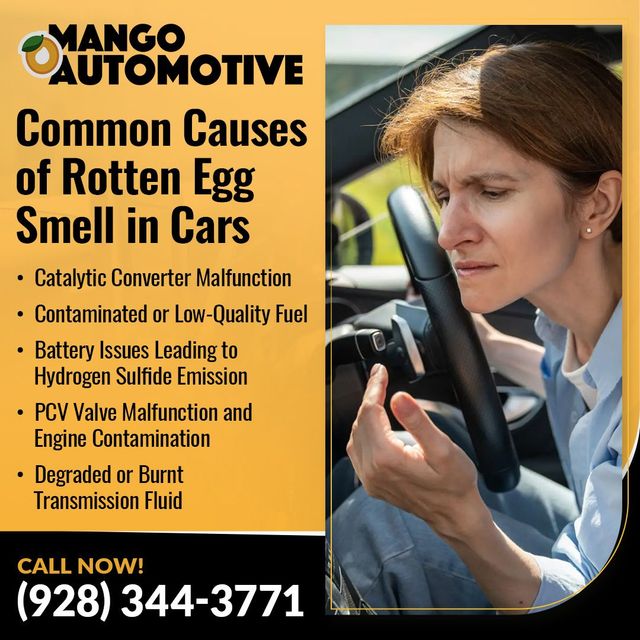
Three main sources can create this odor:

- Faulty catalytic converter
- Bad fuel or engine problems
- Battery issues
Let’s look deeper at each cause.
Faulty Catalytic Converter
The catalytic converter is a key part of your Jeep’s exhaust system. Its job is to convert toxic gases, like hydrogen sulfide, into safe gases before they leave your tailpipe.
Why It Fails
- The converter can become clogged or overheated.
- If your Jeep runs rich (too much fuel), unburnt fuel enters the converter.
- Over time, the converter can wear out and lose its filtering ability.
Warning Signs
You may notice these signs along with the rotten egg smell:
- Poor acceleration
- Check engine light
- Reduced fuel economy
Catalytic Converter Failure Vs. Other Problems
Here’s a simple comparison to see if your converter is the likely cause:
| Symptom | Catalytic Converter | Other Causes |
|---|---|---|
| Rotten egg smell | Yes | Yes |
| Check engine light | Often | Sometimes |
| Engine power loss | Yes | Rarely |
A failing catalytic converter is the most common reason for a strong, persistent rotten egg smell.
Bad Fuel Or Engine Performance Issues
Sometimes, the problem is with the fuel or how the engine burns it.
Causes
- Low-quality fuel can contain excess sulfur.
- Rich fuel mixture (too much gas, not enough air) creates more hydrogen sulfide.
- Misfiring spark plugs or faulty sensors lead to poor combustion.
- The smell may come and go, especially after filling up.
- You might hear rough engine sounds or feel vibrations.
- The Jeep may run well at high speeds but poorly at idle.
Quick Fuel Comparison
| Fuel Type | Sulfur Content | Rotten Egg Risk |
|---|---|---|
| Premium | Low | Lower |
| Regular | Medium | Medium |
| Poor quality | High | High |
Switching to a higher-quality fuel can sometimes solve the issue.
Battery Issues
A less obvious cause is a failing car battery. When a battery is overcharged or has a broken cell, it can leak sulfuric acid fumes, which smell like rotten eggs.
Key Signs
- The smell is strongest near the hood, not the exhaust.
- Corroded battery terminals.
- Difficulty starting the Jeep.
Battery Vs. Exhaust Smell
| Location of Smell | Likely Cause |
|---|---|
| Under hood | Battery |
| Tailpipe/interior vents | Catalytic converter or fuel |
If you suspect a battery problem, address it quickly. Battery leaks can cause damage and health risks.
What Should You Do Next?
If you notice the rotten egg smell, don’t ignore it. Here’s what you should do:
- Check the location of the smell—is it under the hood, from the exhaust, or inside the cabin?
- Look for warning lights on your dashboard.
- Switch to premium fuel for a few fill-ups.
- Visit a mechanic if the smell remains after changing fuel.
- Inspect the battery for leaks or corrosion.
Most rotten egg odors mean there’s a problem with emissions or fuel systems. Both can lead to more serious damage if not fixed.
How To Prevent Rotten Egg Smell In Your Jeep
- Keep up with scheduled maintenance—especially spark plugs, sensors, and exhaust checks.
- Use quality fuel and avoid stations with old or unknown pumps.
- Check the battery every oil change for corrosion or leaks.
- Fix engine problems early—don’t wait for them to get worse.
One common mistake is trying to mask the smell with air fresheners instead of finding the cause. This only hides the problem and can lead to bigger repair bills later.
When To Seek Professional Help
If the smell is strong, constant, or comes with other symptoms like power loss, it’s best to see a certified Jeep mechanic. A bad catalytic converter, for example, can damage your engine if ignored. The cost to replace a converter can range from $800 to $2,500, so early detection and repair often save money.
For more about car exhaust and emissions, see this resource from the United States Environmental Protection Agency.
Frequently Asked Questions
What Does It Mean If My Jeep Smells Like Rotten Eggs Only After Starting?
Usually, this means the catalytic converter is struggling to process extra fuel at startup. It could also be a sign of a temporary rich fuel mixture or old fuel.
Is The Rotten Egg Smell Dangerous?
The smell itself is not toxic in small amounts, but it signals engine or emissions problems that can become dangerous if ignored, such as exhaust leaks or battery acid exposure.
Can I Drive My Jeep If It Smells Like Rotten Eggs?
Short trips are usually safe, but continued driving can damage the converter or other parts. It’s better to find the cause and fix it soon.
Will A Fuel System Cleaner Help With The Smell?
Sometimes, a fuel system cleaner can help if the cause is dirty injectors or sensors. However, it won’t fix a bad catalytic converter or battery.
How Long Does It Take To Fix A Rotten Egg Smell In A Jeep?
It depends on the cause. Simple fixes like changing fuel or cleaning sensors can take a day. Replacing a catalytic converter may take a few hours at a shop.
A rotten egg smell is never normal in your Jeep. With the right attention, you can fix the issue quickly and enjoy your ride again, free from unpleasant odors.