Many people notice rubber ducks sitting on the dashboards, bumpers, or mirrors of Jeeps. It might seem strange at first, but this trend has become a global movement among Jeep owners. If you’re wondering why drivers place these small, yellow toys on their vehicles, the answer combines history, community, and a bit of fun. Let’s explore the real reasons behind the rubber duck Jeep craze, how it started, and what it means today.
The Origins Of The Rubber Duck Jeep Trend
The tradition of “ducking” started in Canada in 2020. Jeep owners began leaving rubber ducks on other Jeeps as a way to spread positivity during the COVID-19 pandemic. Allison Parliament, a Jeep enthusiast, wanted to do something cheerful after a stressful experience. She placed a duck on a stranger’s Jeep and left a friendly note. This simple act quickly caught attention on social media, and soon, Jeep owners everywhere began “ducking” each other.
Today, the trend is known as Jeep Ducking. It’s not just about the toy; it’s about kindness and building connections with other Jeep drivers. The movement grew because Jeep owners often feel part of a tight community, and the rubber duck became a symbol of that spirit.
Why Do People Put Rubber Ducks On Jeeps?
The reasons for ducking are more than just a playful gesture. Here are the main motivations:
- Connection: Jeep owners often wave to each other, known as the “Jeep Wave.” Adding a rubber duck is another way to say, “We’re part of the same group.”
- Kindness: A duck on your Jeep means someone wanted to make your day better. It’s a random act of positivity.
- Recognition: Owners place ducks on Jeeps they admire, like unique models or well-maintained vehicles.
- Collecting: Some drivers keep every duck they receive, building collections that reflect their adventures.
- Tradition: The act of ducking is becoming a ritual at Jeep events and gatherings.
Here’s how the trend compares to other car community gestures:
| Gesture | Car Community | Meaning |
|---|---|---|
| Rubber Duck | Jeep | Friendliness and fun |
| Jeep Wave | Jeep | Mutual respect |
| Stickers | Subaru, VW | Club membership |
| Light Flash | BMW, Audi | Road etiquette |
How Jeep Ducking Works
The process is simple. A Jeep owner buys a pack of rubber ducks (usually bright yellow, but sometimes other colors or designs). When they see another Jeep, they place a duck somewhere visible, often with a short note saying “You’ve been ducked!” or something similar. Sometimes, the note includes encouragement or compliments about the Jeep.
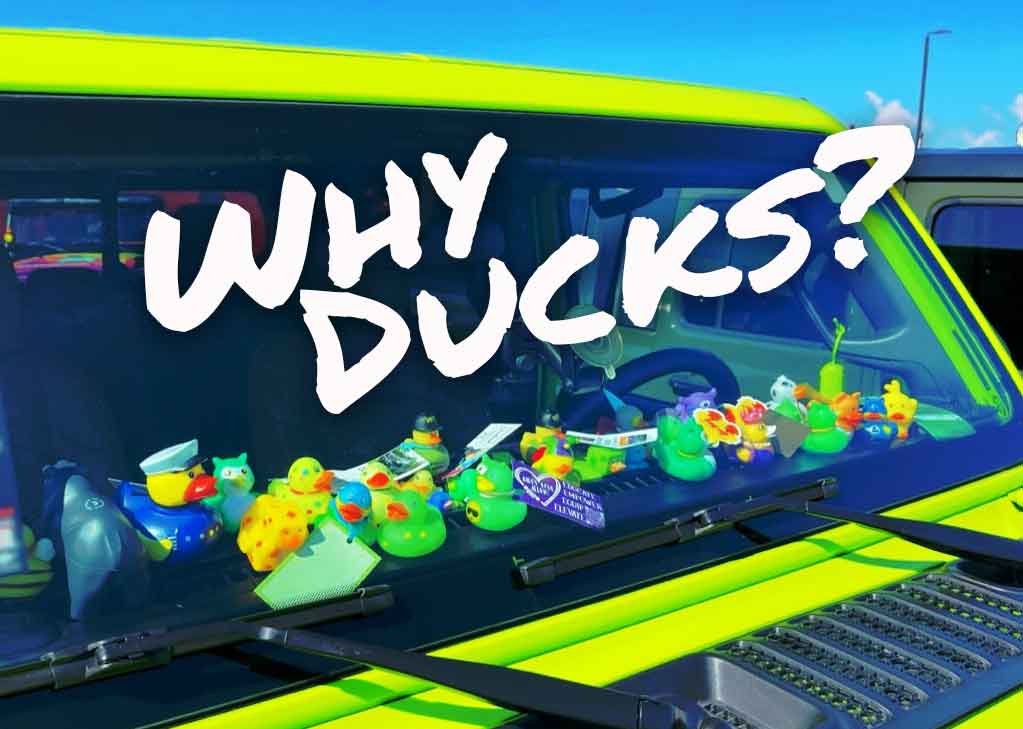
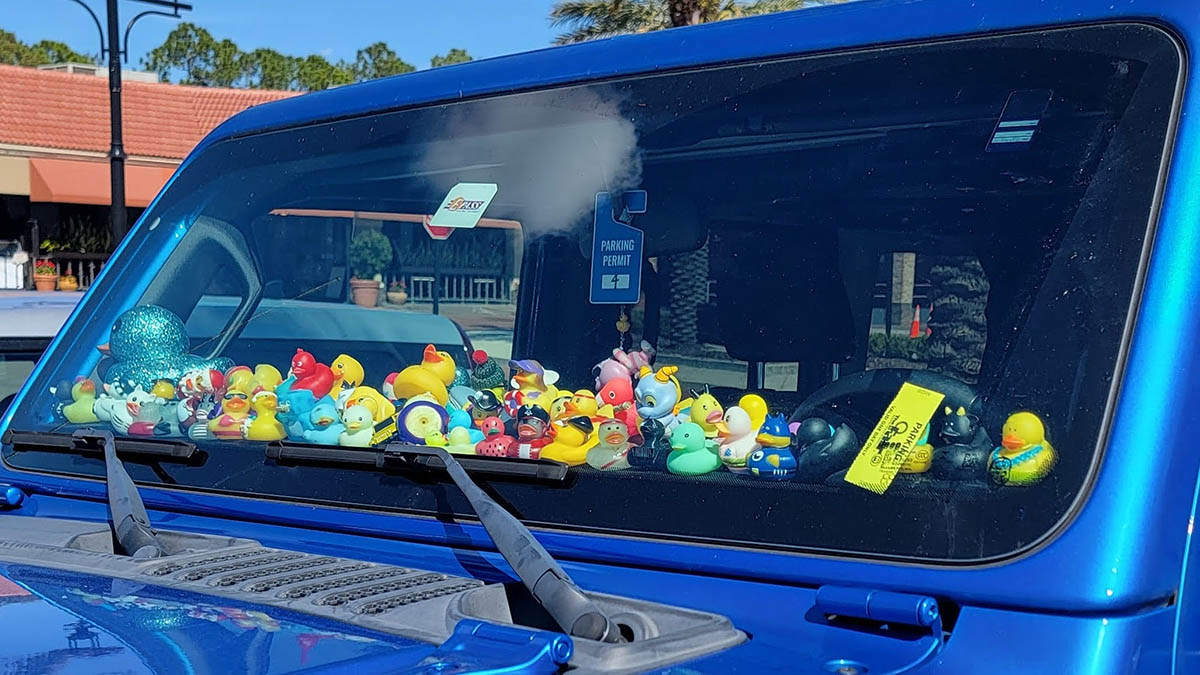
At large Jeep events, owners hand out ducks as souvenirs. Some even personalize their ducks with names, stickers, or custom messages. It’s common to see Jeeps with dozens of ducks lined up on the dashboard.
Here’s a typical ducking experience:
- Spot a Jeep you like.
- Place a duck on the vehicle (mirror, door handle, or bumper).
- Leave a friendly note.
- Share a photo on social media with #JeepDucking.
The Rubber Duck’s Symbolism In Jeep Culture
The rubber duck has become more than a toy—it’s a badge of honor for Jeep owners. It shows you’re part of a caring community that values fun and friendliness. Unlike other car clubs that rely on official stickers or expensive gear, the duck is affordable and accessible to everyone.
Some Jeep owners compare their collections and even swap ducks at events. The different styles and colors represent memories, trips, and friendships made along the way.
Let’s look at how Jeep Ducking is spreading:
| Country | Estimated Jeeps Ducked (2023) | Active Ducking Groups |
|---|---|---|
| USA | 350,000+ | 200+ |
| Canada | 50,000+ | 40+ |
| UK | 15,000+ | 10+ |
| Australia | 10,000+ | 8+ |
Non-obvious Insights About Jeep Ducking
Many beginners think ducking is just a joke, but there are deeper effects:
- Boosting Mental Health: Small gestures like ducking can lift spirits, especially for people feeling lonely or stressed.
- Encouraging Creativity: Some owners create custom ducks or notes, turning the act into a mini art project.
- Promoting Inclusiveness: Jeep Ducking welcomes all owners, no matter their age, background, or vehicle model.
Another detail most miss: Jeep Ducking is now recognized at major Jeep events, with contests for the most creative duck displays.
Common Misunderstandings And Mistakes
Some people worry ducking is only for certain Jeep models, like the Wrangler. In reality, any Jeep can be “ducked.” Others think ducks must be yellow, but any color is accepted.
A mistake: Placing ducks in unsafe spots, like inside the exhaust or too close to moving parts. Always choose a visible and safe place.
Another misconception is that ducking is just for laughs. Most Jeep owners treat it as a sign of respect and community.
Ducking Vs. Other Car Traditions
Jeep Ducking stands out for its simplicity and direct human connection. Unlike club stickers or expensive upgrades, a rubber duck is a universal symbol that anyone can use.
Here’s a quick comparison:
| Tradition | Cost | Community Impact |
|---|---|---|
| Jeep Ducking | $0.10–$1 per duck | High |
| Car Stickers | $2–$10 | Medium |
| Event Decals | $5–$20 | Low |
Where To Learn More
If you want to read about Jeep Ducking’s history, check the official Jeep Ducking community or visit Wikipedia.

Frequently Asked Questions
Why Are Rubber Ducks Used Instead Of Other Toys?
Rubber ducks are cheap, bright, and easy to recognize. They became the symbol because they’re cheerful and fit the Jeep spirit.
Can Any Jeep Model Be Ducked?
Yes. Every Jeep, from Wrangler to Cherokee, can receive a duck. There are no strict rules about model or year.
Is Jeep Ducking Only Popular In North America?
It started in Canada and the USA but has now spread to Europe, Australia, and other regions. Social media helped the trend go global.
What Should I Do If I Find A Duck On My Jeep?
Most owners keep their ducks or add them to a collection. You can post a photo online, thank the person, or pass the duck on to another Jeep.
Are There Jeep Ducking Events?
Yes. Many Jeep gatherings include ducking contests, displays, or trades. It’s now a regular feature at big Jeep festivals.
Putting a rubber duck on a Jeep is more than a trend—it’s a sign of community, kindness, and creativity. Whether you’re a Jeep owner or just curious, the ducking movement shows how small actions can make a big difference.