Why Do Jeeps Have Ducks On Dashboard
If you see a tiny rubber duck sitting on a Jeep’s dashboard, you might be confused. Why do some Jeep owners display these little ducks? Is it a secret code, a joke, or a tradition? This small symbol has a bigger story than you might expect.
The “Jeep duck” trend is not just about decoration—it connects drivers, spreads positivity, and reflects a unique car culture. Let’s explore where this idea started, why it matters to Jeep owners, and what it means today.
The Origin Of Jeep Ducking
The Jeep ducking trend began in 2020 in Ontario, Canada. During the early days of the COVID-19 pandemic, a Jeep owner named Allison Parliament wanted to spread some kindness. After a stressful trip, she placed a small rubber duck on a stranger’s Jeep with a friendly note. The idea quickly caught on and was shared across social media. Soon, Jeep owners everywhere were leaving ducks on each other’s vehicles as a random act of joy.
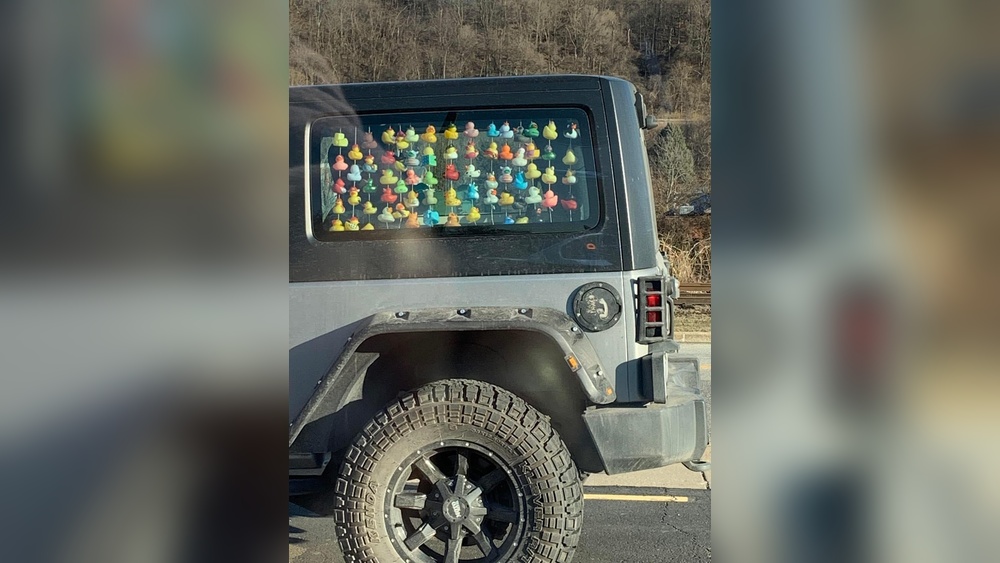
This movement became known as “ducking,” and the hashtag #duckduckjeep spread rapidly. It was a simple way to connect during a time of isolation and uncertainty. Now, you’ll see Jeep ducks across the United States, Canada, Australia, and even Europe.
What Do The Ducks Represent?
For Jeep owners, the ducks are more than just toys. They are symbols of:
- Friendship: Ducking is a way to greet other Jeep drivers.
- Positivity: The gesture is meant to make people smile.
- Community: It shows pride in being part of the Jeep family.
- Surprise: Many people find their first duck by accident, making the experience memorable.
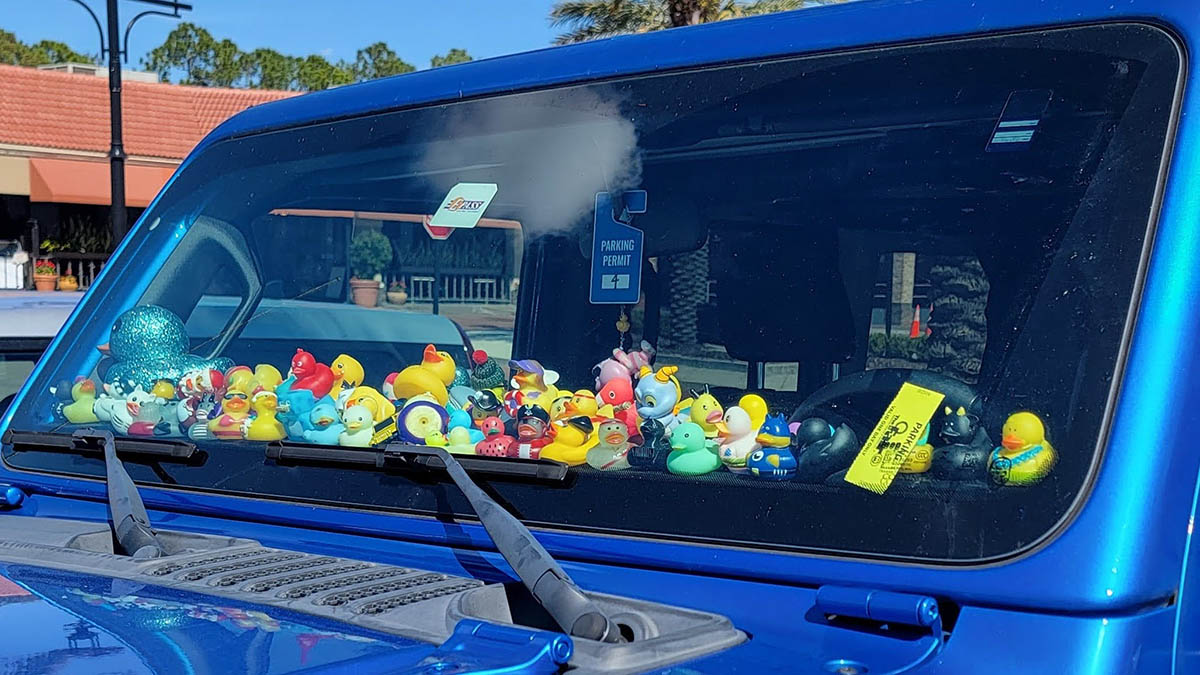
Some drivers write messages or include social media handles on their ducks. Others collect ducks from different cities or events, making each duck a small souvenir.
How Jeep Ducking Works
The process is simple. If you own a Jeep and see another Jeep parked, you can leave a small rubber duck on its door handle, dashboard, or windshield. Often, ducks are placed where they will be easily seen but not cause damage.
Here’s a quick guide:
- Buy a few rubber ducks (they’re cheap and easy to find).
- Write a note or use a tag with “#duckduckjeep.”
- Spot a Jeep, place the duck, and snap a photo if you want.
- Share the moment on social media, tagging the Jeep community.
Many Jeepers keep a few ducks in their glove box just in case. The act is always meant to be light-hearted and respectful.
Why Only Jeeps?
You might wonder why this trend is unique to Jeeps. The answer lies in Jeep culture. Jeep owners often wave at each other, attend off-road events, and share a sense of adventure. The Jeep Wave tradition—where drivers greet each other on the road—shows this bond.
The duck adds another layer to this culture. It’s a physical symbol of belonging. Other car brands have tried similar ideas, but “ducking” is most popular and accepted among Jeep drivers.
Different Types Of Jeep Ducks
Not all ducks are the same. Many Jeepers use different styles and colors to express personality or mark special occasions. Some examples include:
- Classic yellow ducks: The most common type.
- Holiday ducks: Dressed for Christmas, Halloween, or July 4th.
- Custom ducks: Painted with flags, camouflage, or even Jeep logos.
Collectors sometimes trade rare or creative ducks at Jeep events.
Here’s a comparison of popular duck types:
| Duck Type | Appearance | Occasion |
|---|---|---|
| Classic Yellow | Simple, bright yellow | Everyday ducking |
| Holiday Theme | Santa hat, pumpkin, etc. | Seasonal celebrations |
| Custom Painted | Unique designs | Special events or clubs |
Impact On The Jeep Community
Jeep ducking has brought people together in unexpected ways. During the pandemic, it helped drivers feel connected even when social gatherings were limited. The act is simple, but the effect can be powerful.
Some Jeep clubs organize ducking challenges or contests to see who can collect the most ducks. Others use the ducks to raise money for charities, selling special edition ducks for a cause.
A survey by the Jeep Ducking Facebook group (with over 100,000 members) found that 80% of participants felt more positive about their day after being “ducked.”
Common Misunderstandings
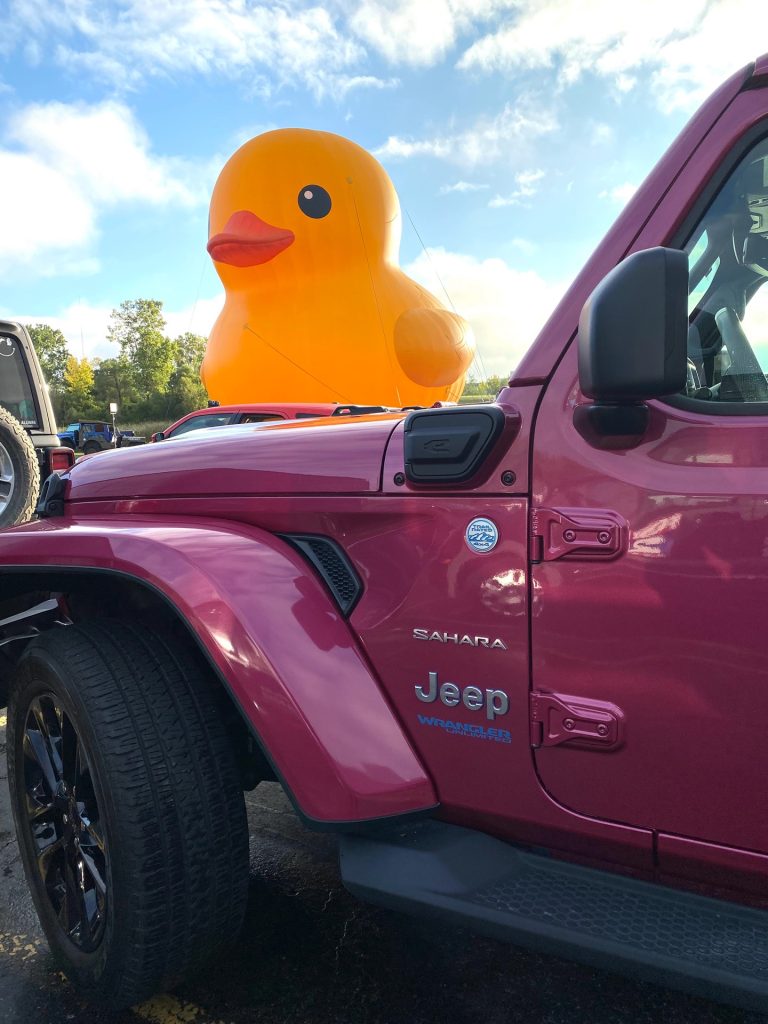
It’s easy to think ducking is just a silly prank. In reality, it’s meant to be a friendly gesture. Some Jeep owners worry about theft or damage, but most ducks are small, inexpensive, and harmless.
Non-Jeep drivers sometimes try to join in, but the tradition is strongest in the Jeep community. Placing ducks on non-Jeep vehicles may confuse or annoy other drivers.
Practical Tips For Ducking
If you want to join the trend, keep these tips in mind:
- Use small, soft ducks (no hard or sharp edges).
- Avoid placing ducks where they could block the driver’s view.
- Respect private property—never trespass to duck a Jeep.
- If you see a note asking not to duck, respect the owner’s wishes.
Some Jeepers personalize their ducks with tags or creative packaging. This makes the gesture even more special.
Here’s a quick look at the best places to leave a duck:
| Location | Pros | Cons |
|---|---|---|
| Dashboard | Easy to spot | May be hard to reach |
| Door handle | Quick to place | Could fall off |
| Windshield wiper | Very visible | Risk of blowing away |

Non-obvious Insights
Many newcomers don’t realize that the type of duck or its message can matter. Creative ducks or personalized notes often lead to social media connections or even new friendships. Another detail is that ducking can be a way to recognize rare or well-built Jeeps—owners sometimes “duck” vehicles with impressive modifications or vintage models.
Jeep Ducking Around The World
While ducking started in North America, it has reached other countries. Jeep clubs in Australia and the UK have adopted the trend, sometimes adding local twists. In Germany, for example, Jeepers may use ducks with the country’s flag or colors.
This worldwide spread shows how a small act can cross cultures, especially when it’s about kindness and community.
The Meaning Behind The Duck
What does keeping a duck on your own dashboard mean? For many, it’s a badge of honor. It shows you’ve been noticed by a fellow Jeeper. Some drivers display a whole line of ducks as a conversation starter. Others keep their first duck as a lucky charm.
The meaning is personal, but always positive.
Where To Learn More
If you want to explore more about Jeep ducking or join a local group, check out resources like the Jeep Wikipedia page for history and links to official Jeep clubs.
Frequently Asked Questions
Why Do Jeeps Have Rubber Ducks On The Dashboard?
The ducks are part of a trend called Jeep ducking, where owners place rubber ducks on each other’s vehicles to spread kindness and build community.
Who Started The Jeep Ducking Trend?
Allison Parliament started the trend in Ontario, Canada, in 2020, aiming to spread positivity during the pandemic.
Do All Jeep Owners Participate In Ducking?
Not all, but many Jeep owners enjoy the tradition. Participation is optional and varies by region and club.
Is It Okay To Duck Other Types Of Vehicles?
The tradition is unique to Jeeps. Ducking non-Jeep vehicles may confuse other drivers and is not common practice.
Can I Personalize My Jeep Duck?
Yes, many owners add notes, decorations, or tags to make their ducks special and memorable.
A simple rubber duck can mean a lot in the world of Jeeps. It’s a symbol of fun, friendship, and belonging—proof that small gestures can bring people together, even on the open road.