Why Did The Jeep Cross The Road
Some questions sound simple but have deeper meaning. “Why did the chicken cross the road?” is a classic joke, but replacing the chicken with a Jeep changes everything. Suddenly, it’s not just about humor—it’s about adventure, engineering, and culture. Why did the Jeep cross the road? The answer reveals more about us, our love for the outdoors, and the way machines shape our lives. Let’s drive into the reasons, stories, and facts behind this unusual question.
The Jeep: More Than A Vehicle
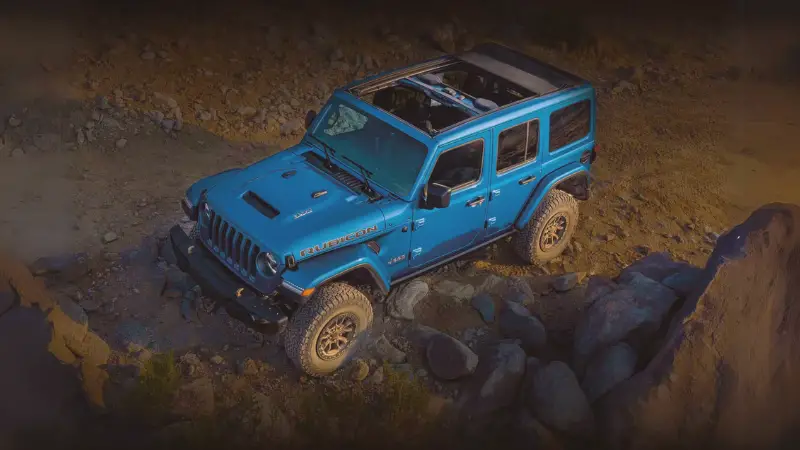
The Jeep isn’t just a car. It’s a symbol of freedom, exploration, and reliability. Born during World War II, the first Jeeps helped soldiers cross rough terrain, rivers, and dangerous roads. Today, the Jeep stands for adventure and the courage to go beyond the usual path.
People buy Jeeps for their legendary off-road ability. Unlike many cars, Jeeps are designed to handle mud, rocks, snow, and water. When someone asks, “Why did the Jeep cross the road?” it’s not about basic transport—it’s about the challenge and the journey.
Adventure And Exploration
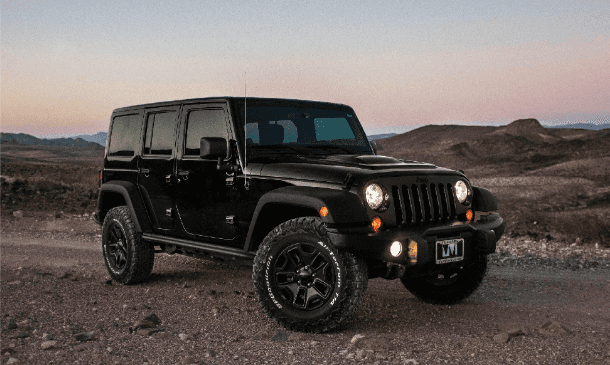
Jeeps are built for those who want to go further than the paved road. The spirit of adventure is at the heart of every Jeep owner. For many, crossing the road is just the beginning.
Why Cross The Road?
- Chasing new experiences: Jeep owners love exploring unknown places—mountains, forests, deserts.
- Testing limits: Jeeps let drivers see how far they can go, both physically and mentally.
- Escaping routine: Crossing to the other side often means leaving comfort behind and facing the wild.
Here’s a quick look at why people choose Jeeps for adventure compared to other vehicles:
| Feature | Jeep | Regular SUV |
|---|---|---|
| Off-road Performance | Excellent | Moderate |
| Ground Clearance | High | Medium |
| All-Terrain Tires | Standard | Optional |
| 4×4 Capability | Full-time | Part-time or None |

Engineering That Makes It Possible
A Jeep crossing the road—especially a difficult one—is not luck. It’s smart design. Engineers spend years making Jeeps tough and reliable for all types of roads.
Key features that help Jeeps cross any road:
- 4×4 Drivetrain: Power to all wheels, giving better grip on slippery or uneven ground.
- Skid Plates: Protect important parts from rocks and debris.
- High Suspension: Keeps the Jeep safe from bumps and water.
- Strong Axles: Handle rough driving and heavy loads.
Many people overlook how important tire choice is. The right tires make the difference between getting stuck and crossing safely. Another hidden fact: weight balance in Jeeps helps prevent rollovers on steep hills.
Here’s a comparison of two popular Jeep models’ abilities to cross different terrains:
| Model | Water Fording Depth | Approach Angle | Departure Angle |
|---|---|---|---|
| Wrangler Rubicon | 33.5 inches | 44° | 37° |
| Grand Cherokee Trailhawk | 24 inches | 29.8° | 27.1° |
Culture, Community, And Jeep Life
Crossing the road in a Jeep isn’t just about the vehicle. It’s about joining a community. Jeep owners wave to each other, share stories, and organize group adventures. This culture is unique—people help each other, share advice, and enjoy the outdoors together.
Some Jeep events, like the Easter Jeep Safari in Moab, Utah, bring thousands of fans together. Here, crossing the road means climbing rocks, crossing rivers, and challenging yourself.
Did you know: Many Jeep drivers use the “Jeep Wave”—a special hand signal to other Jeep owners on the road? It’s a sign of respect and belonging.
Safety, Responsibility, And Myths
While Jeeps are strong and capable, they require skill and responsibility. Not every road is safe to cross. Drivers need to know their limits, check the road ahead, and have proper recovery gear.
Common mistakes include:
- Ignoring weather: Rain, snow, or mud can change the safest path.
- Overloading: Too much weight can make a Jeep unstable.
- Lack of training: Driving off-road needs practice and knowledge.
Many beginners think Jeeps are “unstoppable. ” In truth, even the best Jeep can get stuck if the driver isn’t careful. Preparation is more important than power.
Here’s a simple list of gear every Jeep owner should carry when crossing unknown roads:
- Tow straps
- First aid kit
- Recovery boards
- Tire repair kit
- Air compressor
Not Just A Joke: The Meaning Behind The Question
So, why did the Jeep cross the road? The real answer is about freedom, challenge, and the drive to explore. It’s about people who want to see what’s on the other side—whether that’s a mountain, a muddy river, or just a new experience.
The question also reminds us that machines, when used well, can open doors to new worlds. A Jeep crossing the road is a symbol of curiosity and courage.
If you want to learn more about Jeep’s history and their role in culture, check out this detailed guide from Wikipedia.

Frequently Asked Questions
Why Do People Choose Jeeps For Off-road Adventures?
People choose Jeeps because of their strong 4×4 systems, high ground clearance, and reliable reputation. Jeeps handle tough terrain better than most SUVs and trucks, making them a popular choice for outdoor adventures.
Are Jeeps Safe For Daily Driving?
Yes, modern Jeeps have advanced safety features like airbags, stability control, and backup cameras. However, their ride can feel firmer than regular cars, especially on city roads.
What Is The Jeep Wave?
The Jeep Wave is a friendly hand gesture shared between Jeep drivers. It shows respect and a sense of community among owners.
Can Any Jeep Model Go Off-road?
Most Jeep models have some off-road ability. However, models like the Wrangler and Gladiator are built for serious off-roading. Others, like the Compass or Renegade, are better for light trails and city driving.
What Should I Check Before Crossing A Difficult Road In My Jeep?
Check the weather, tire pressure, and fuel level. Make sure you have recovery gear and let someone know your route. Always drive within your skill level and understand the limits of your vehicle.
A Jeep crossing the road isn’t just a joke—it’s a story about adventure, technology, and community. It’s a reminder that life is more interesting when we decide to cross to the other side.