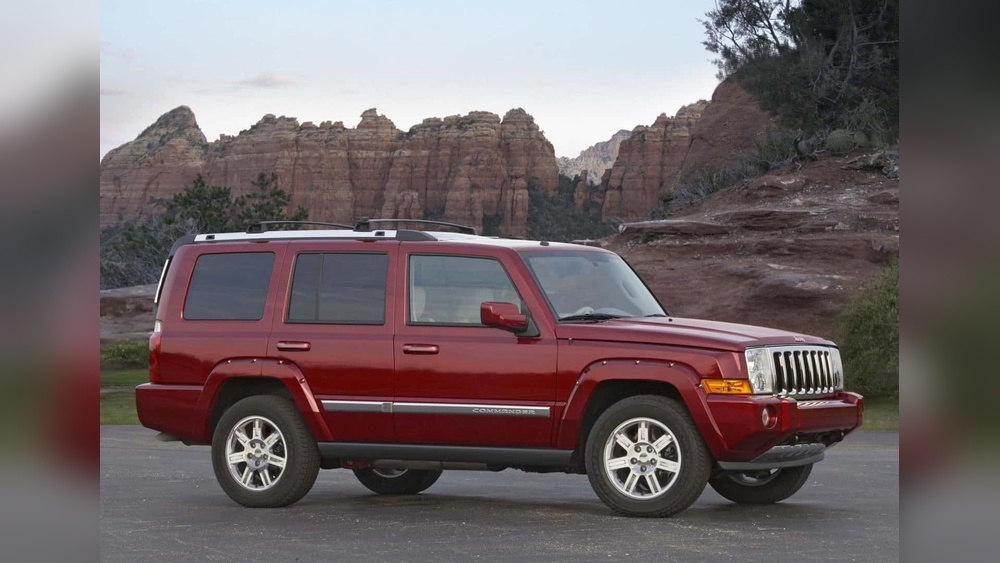
The Jeep Commander was once a bold attempt by Jeep to enter the full-size SUV market. With three rows of seating, a boxy design, and off-road capability, it promised to be the family-friendly Jeep for those who wanted more space.
However, after just a few years, the Commander disappeared from dealerships. Many fans still wonder: Why did Jeep discontinue the Commander?
The answer is a mix of market trends, technical challenges, and shifting consumer preferences. Let’s dive into the real reasons behind the end of the Commander.
The Vision For The Jeep Commander
When the Jeep Commander launched in 2005, it aimed to fill a gap in Jeep’s lineup. Jeep wanted a vehicle that could compete with other three-row SUVs like the Toyota Highlander and Ford Explorer. The Commander’s boxy shape, classic Jeep grille, and impressive 7-passenger capacity made it stand out.
But the Commander wasn’t just about size. It offered features like:
- Optional V8 engines for more power
- Quadra-Drive II 4WD system for strong off-road capability
- Fold-flat seating for cargo flexibility
Jeep’s vision was clear: a tough, practical SUV for families and adventure lovers. So why didn’t this vision last?
Sales Struggles And Market Shifts
The Commander had a strong start, selling about 88,497 units in its first year. But sales quickly dropped:
| Year | Commander Sales (US) |
|---|---|
| 2006 | 88,497 |
| 2007 | 63,027 |
| 2008 | 28,771 |
| 2009 | 8,432 |
| 2010 | 12,197 |
By 2010, the numbers were too low to justify continued production. The global financial crisis and rising gas prices also made buyers more careful.
Many families started choosing crossovers, which offered better fuel efficiency and a smoother ride.
Design And Engineering Challenges
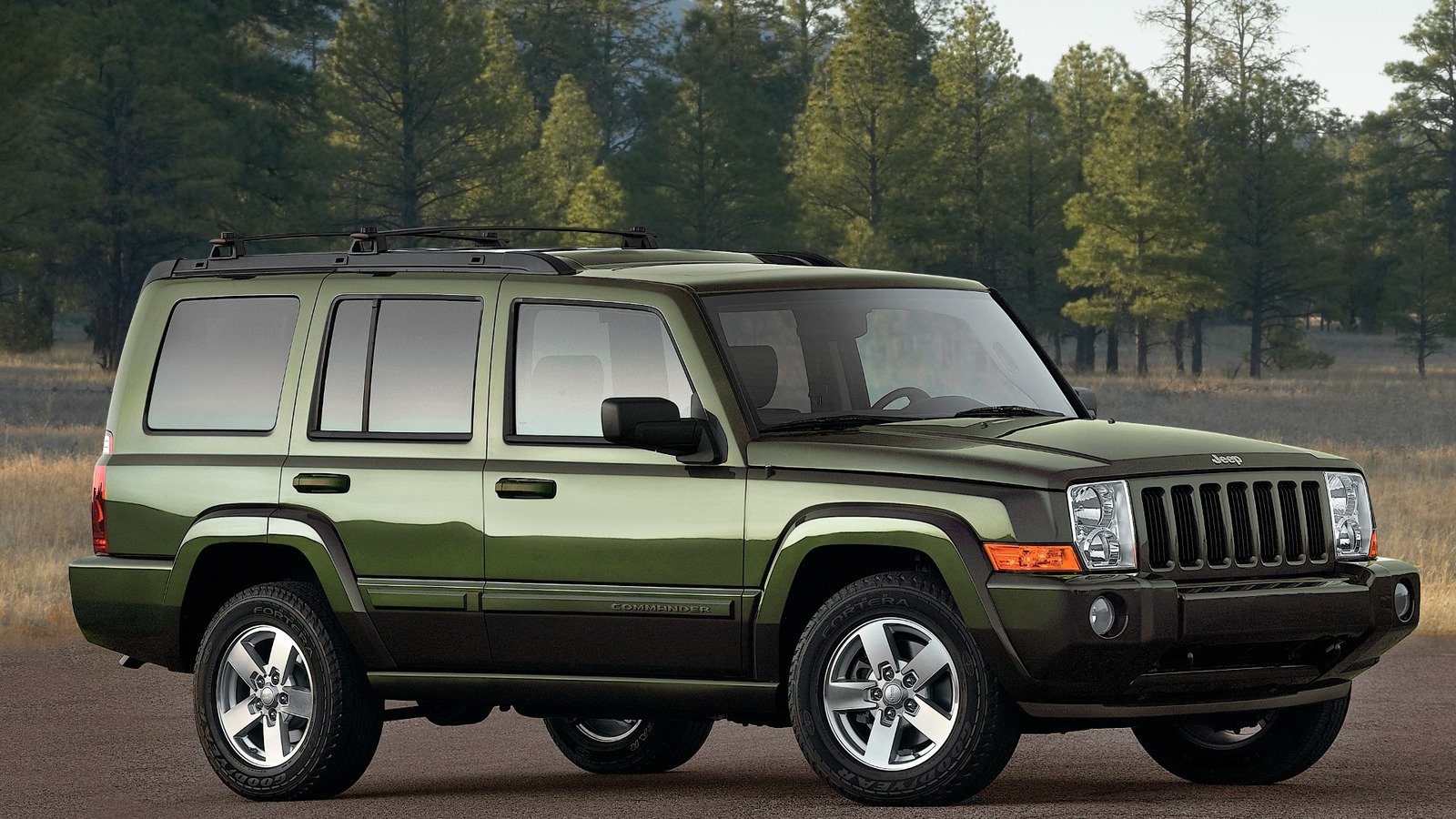
The Commander’s design was both its strength and weakness. Its boxy shape gave it a classic Jeep look and great visibility, but also made it heavier and less aerodynamic. This led to poor fuel economy—often just 14–15 mpg city for V8 models.
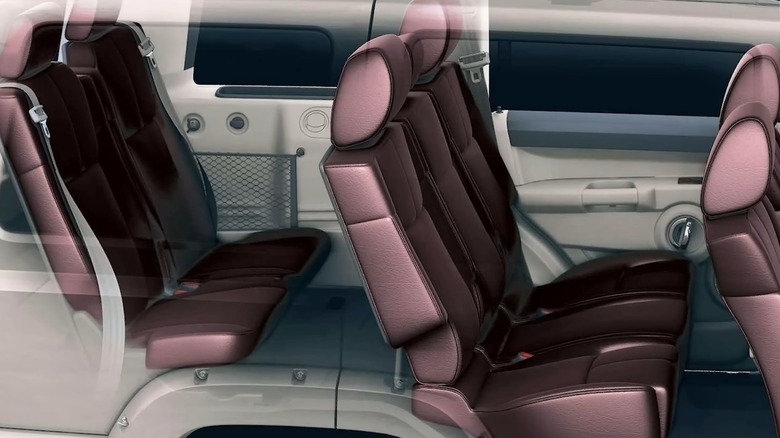
Another issue was interior space. While the Commander had three rows, the third row was tight.
Adults found it uncomfortable for long trips. The cargo area, with all seats up, was also limited compared to rivals.
Here’s how the Commander stacked up against a key competitor:
| Feature | Jeep Commander | Toyota Highlander |
|---|---|---|
| Seating Capacity | 7 | 7 |
| City MPG | 14–15 | 18–20 |
| Third Row Comfort | Tight | More Spacious |
| Cargo Space (all seats up) | 7.5 cu ft | 10.3 cu ft |
The Commander’s off-road skills were strong, but most buyers in this segment valued comfort and efficiency more.
Rising Competition And Brand Strategy
By the late 2000s, the SUV market was changing fast. More brands offered three-row models with better fuel economy and modern features. Jeep’s own Grand Cherokee was redesigned for 2011, offering better comfort and technology. Many buyers who liked the Jeep brand chose the Grand Cherokee instead.
Jeep also realized that keeping too many similar models was confusing for customers. The Commander and Grand Cherokee shared the same platform and were close in size.
With sales falling, Jeep decided to focus on its strongest models.
Non-obvious Insights: What Many Miss
- Dealer Feedback Was Mixed: Some Jeep dealers reported that customers were confused by the Commander’s positioning. It looked bigger, but offered little extra space compared to the Grand Cherokee. This made it a tough sell, especially as fuel prices rose.
- Regulatory Pressures: Around 2010, stricter emission and safety regulations were coming. The Commander’s older platform would have needed expensive updates to comply. Jeep chose to invest in newer models instead of updating the Commander.
Lessons Learned And Jeep’s Future
The end of the Commander taught Jeep that size alone isn’t enough. Buyers want efficient, comfortable, and versatile SUVs. Today, Jeep has learned from this with models like the Grand Cherokee L, which offers three rows, better fuel economy, and modern tech.
Jeep even launched a new Commander in some global markets, but with a focus on efficiency and crossover comfort, not the old body-on-frame toughness.

Frequently Asked Questions
Why Did The Jeep Commander Have Poor Fuel Economy?
The Commander was heavy, boxy, and often used powerful V8 engines. These factors led to low mpg ratings, especially in city driving. Competing SUVs with lighter frames and smaller engines offered much better fuel efficiency.
Was The Jeep Commander Good For Off-roading?
Yes, the Commander featured the Quadra-Drive II 4WD system and had impressive ground clearance. It performed well off-road, similar to other Jeep models. However, most buyers in the three-row SUV market did not use these off-road abilities regularly.
Is There A Replacement For The Jeep Commander?
The Jeep Grand Cherokee L (launched in 2021) is seen as the spiritual successor. It offers three rows, modern features, and improved efficiency. In some regions, Jeep also sells a new Commander model, but it is more of a crossover.
What Are Common Problems With Used Jeep Commanders?
Used Commanders may have issues with the electrical system, sunroof leaks, and suspension components. The V8 engines can be reliable if maintained, but fuel costs remain high. Always check service records before buying.
Where Can I Find More Information About Discontinued Jeep Models?
You can visit the official Jeep Commander Wikipedia page for more detailed history and specifications.
The Jeep Commander’s story is a reminder that even strong brands must adapt to changing times. While it had loyal fans and real strengths, the mix of falling sales, market shifts, and new regulations ended its run.
Jeep has since learned from these lessons, shaping their new models for today’s drivers.