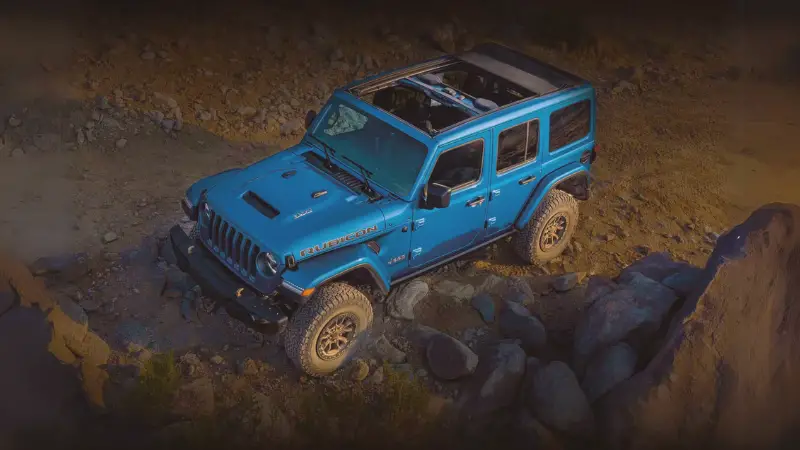
The Jeep Cherokee has been a familiar sight on American roads for decades. Known for its rugged design and reliable performance, it won the hearts of adventure lovers and families alike. But in 2023, Jeep made the surprising decision to discontinue the Cherokee.
For many, this felt like the end of an era. So, why did Jeep pull the plug on such a popular model? The answer involves shifting market trends, stricter regulations, and tough competition. Let’s explore the real reasons behind the Jeep Cherokee’s discontinuation and what it means for buyers and the brand.
The Decline In Cherokee Sales
Jeep Cherokee’s sales were strong in the early 2010s. In 2015, Jeep sold over 220,000 Cherokees in the US. But by 2022, sales dropped to less than 50,000 units. This sharp decline made the Cherokee less profitable.
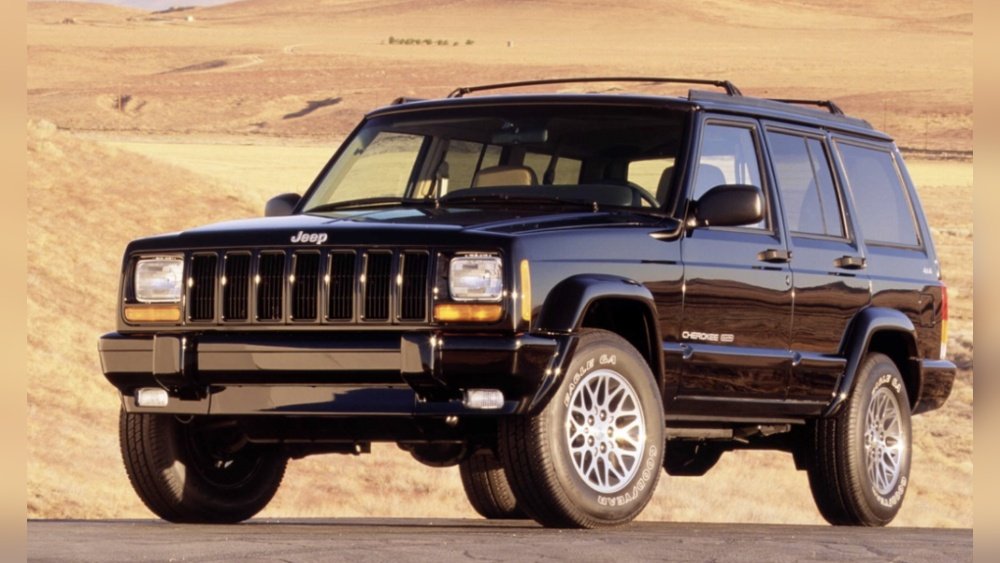
Several factors contributed to the drop:
- Changing buyer preferences: Consumers now prefer larger SUVs or crossovers with more features.
- New competition: Brands like Toyota, Honda, and Ford introduced models that attracted Cherokee’s traditional buyers.
- Aging design: The Cherokee’s design and technology lagged behind newer rivals.
| Year | Jeep Cherokee Sales (US) | Main Rival Sales |
|---|---|---|
| 2015 | 220,000 | Toyota RAV4: 315,000 |
| 2020 | 110,000 | Honda CR-V: 333,000 |
| 2022 | 48,000 | Ford Escape: 166,000 |
Not only did sales fall, but the Cherokee also lost ground against its main competitors. This made its future uncertain.
Market Trends And Consumer Demands
The US auto market has changed quickly in recent years. Buyers now want SUVs with hybrid or electric options, improved safety features, and more comfort.
- Hybrid and electric vehicles: The Cherokee did not offer a hybrid or electric version, unlike rivals such as the Toyota RAV4 Hybrid or Ford Escape Hybrid.
- Safety tech: New models often come with advanced driver aids, which the Cherokee lacked in its base trims.
- Interior comfort: Consumers are looking for more space and luxury, especially in midsize SUVs.
Jeep focused on bigger models like the Grand Cherokee and the Wagoneer to meet these demands. These models are more profitable and better match modern preferences.

Regulatory Pressure And Production Costs
Tougher regulations made it harder for Jeep to keep the Cherokee in its lineup.
- Emissions rules: US and global standards require lower emissions and better fuel efficiency. The Cherokee’s older engines struggled to meet these targets.
- Safety standards: New crash test requirements would have needed expensive redesigns.
- Production costs: Upgrading the Cherokee to meet regulations meant high investment. With dropping sales, this didn’t make financial sense.
In early 2023, Jeep closed the Belvidere Assembly Plant in Illinois, where the Cherokee was built. This move confirmed that the Cherokee’s future was not promising.
| Factor | Impact on Cherokee | Jeep Response |
|---|---|---|
| Emissions Standards | Needed new engines | No update; model discontinued |
| Safety Regulations | Required redesign | Too costly |
| Production Costs | High for updates | Plant closure |
Jeep’s Strategic Shift
Jeep’s parent company, Stellantis, is moving towards electrification and global platforms. This means investing in models that can sell worldwide and meet new standards. The Cherokee was mainly sold in North America and did not fit this strategy.
- Focus on electrified SUVs: Stellantis plans to launch new electric Jeeps, like the Jeep Recon and Jeep Wagoneer S.
- Global platforms: New models share parts and designs across markets, lowering costs.
- Profitability: Larger and newer SUVs have higher profit margins than the Cherokee.
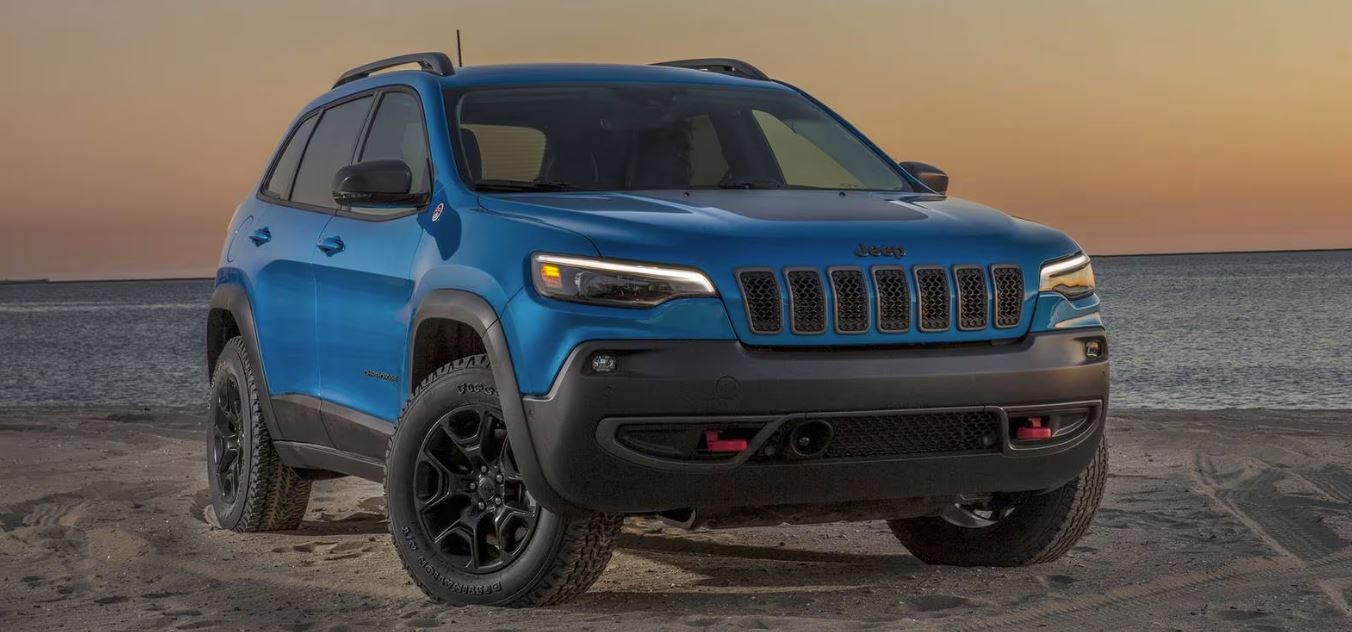
Jeep is not leaving the midsize SUV segment. Instead, it will likely introduce a new, electrified SUV that better fits buyer demands and regulations.
Non-obvious Insights About The Discontinuation
- Cherokee’s name controversy: The “Cherokee” name faced criticism from Native American groups, calling for its removal. While Jeep said the decision wasn’t based on the name, public pressure may have influenced the brand’s plans.
- Dealer impact: Many Jeep dealers relied on the Cherokee for steady sales. Its removal forced them to push other models, which changed their inventory and sales approach.
These insights show the decision was not only about sales or regulations. Social and business factors also played a role.
What This Means For Buyers
If you own a Jeep Cherokee or were planning to buy one, here’s what you need to know:
- Parts and support: Jeep will continue to support existing Cherokees with parts and service for years.
- Resale value: Used Cherokees may see a drop in value, but some buyers may seek them for their classic appeal.
- Alternatives: Consider the Jeep Compass, Grand Cherokee, or other midsize SUVs from Ford, Toyota, or Honda.
| Feature | Jeep Cherokee | Jeep Grand Cherokee | Toyota RAV4 |
|---|---|---|---|
| Engine Options | Gasoline only | Gasoline, Hybrid | Gasoline, Hybrid |
| Safety Features | Basic | Advanced | Advanced |
| Interior Space | Moderate | Spacious | Spacious |

Frequently Asked Questions
Why Did Jeep Stop Making The Cherokee?
Jeep discontinued the Cherokee due to falling sales, tougher regulations, and shifting buyer preferences. Updating the model was too expensive compared to its profits.
Will Jeep Bring Back The Cherokee?
Jeep has not announced plans to revive the Cherokee soon. However, the brand may launch a new midsize SUV with modern technology and electrification.
Is It Safe To Buy A Used Jeep Cherokee?
Yes, used Cherokees are reliable if properly maintained. Jeep will continue to offer parts and support for current owners.
What Will Replace The Cherokee In Jeep’s Lineup?
Jeep is focusing on new models like the Jeep Grand Cherokee and upcoming electric SUVs. These will fill the gap left by the Cherokee.
Does The Name Controversy Affect The Discontinuation?
While Jeep says the decision was not based on the name, public pressure about the Cherokee name may have influenced the brand’s direction.
Jeep’s move to discontinue the Cherokee reflects big changes in the auto industry. Brands must now adapt to new demands, regulations, and social expectations. For buyers, this means more modern options are coming, but the classic Cherokee will always have a place in SUV history. For more details on Jeep’s future plans, visit Wikipedia.