Jeeps have always been popular with adventure lovers and off-road fans. Their strong look, rugged design, and brand history make them attractive. But if you search online or talk to Jeep owners, you’ll often hear about reliability issues. Why do so many people call Jeeps unreliable?
Let’s explore the main reasons, look at real data, and help you understand what’s behind the reputation.
What Does “unreliable” Mean For Jeeps?
When people say Jeeps are unreliable, they usually mean these vehicles break down more often than others, need more repairs, or have trouble lasting for many years. Reliability is important for daily drivers, families, and anyone who doesn’t want surprises with their car.

Jeep’s reputation comes from both owner experiences and industry reports. For example, Consumer Reports and J.D. Power often rank Jeep lower for reliability compared to other brands. According to a recent J.D. Power survey, Jeep scored below the industry average for dependability, with about 167 problems per 100 vehicles. This is higher than Toyota (about 123 problems per 100 vehicles) and Honda (about 128).
| Brand | Problems per 100 Vehicles | Reliability Rank |
|---|---|---|
| Jeep | 167 | Below Average |
| Toyota | 123 | High |
| Honda | 128 | High |
| Ford | 150 | Average |
Main Reasons Why Jeeps Are Seen As Unreliable
1. Complex Off-road Design
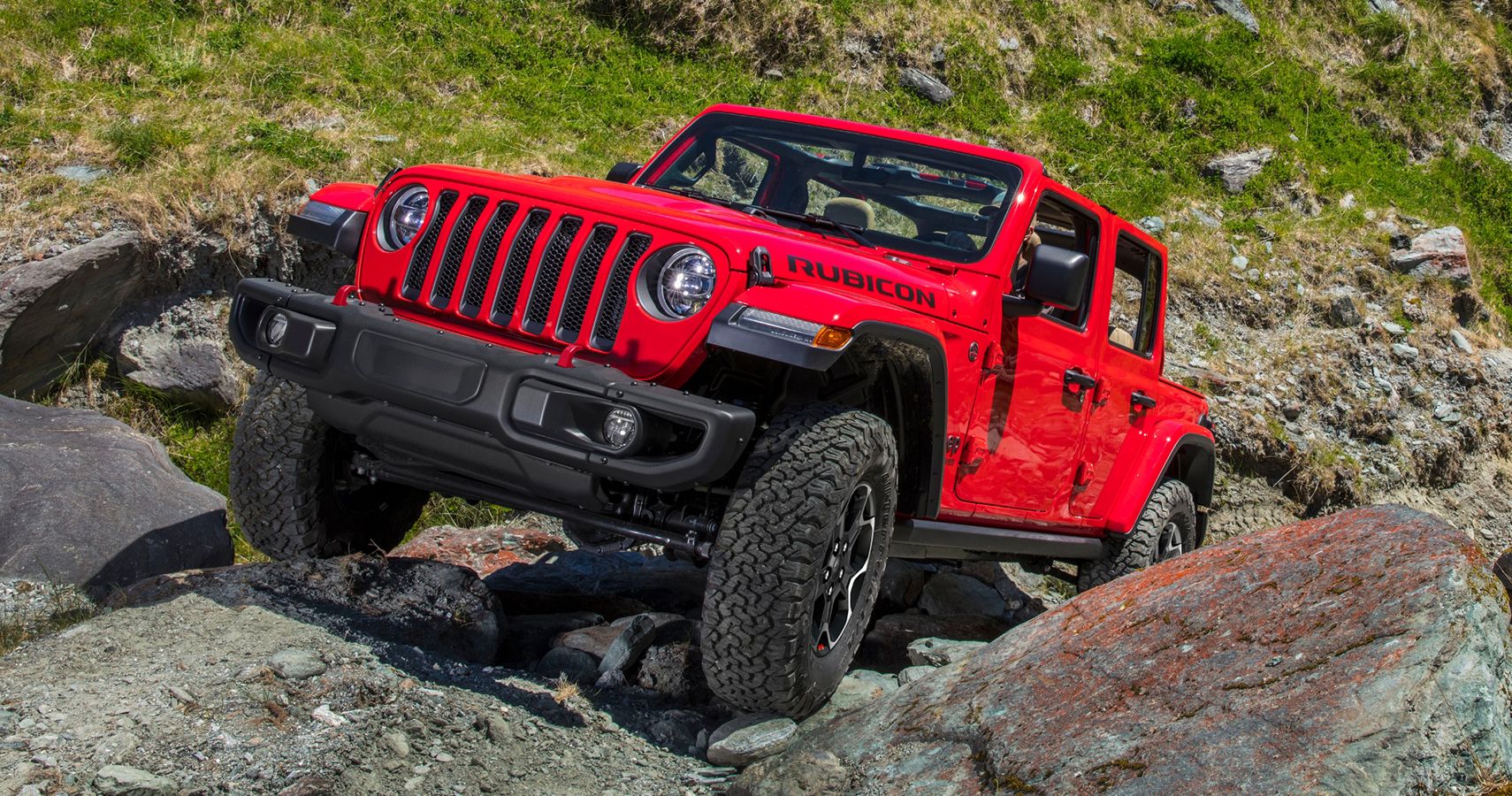
Jeeps are built for off-road adventures. Their strong suspension, four-wheel drive, and special parts make them great for rough trails. But these features add complexity. When you use a Jeep for tough driving, parts wear out faster.
Many owners report problems with the transmission, drivetrain, and suspension. These parts are more likely to need repairs, especially if you drive off-road often. For example, the Jeep Wrangler is famous for trail driving but also known for issues with its steering and gearboxes.
2. Frequent Electrical Issues
Modern Jeeps have more technology inside, like touch screens, automatic climate control, and advanced safety systems. These electrical features make driving easier but can fail often. Repair shops see many Jeeps with problems like faulty sensors, broken infotainment systems, and warning lights.
This is not just annoying—it can be expensive. Owners often have to replace parts like the TIPM (Totally Integrated Power Module), which controls many electrical systems. A replacement TIPM can cost over $1,000.
3. Quality Control Problems
Jeep’s parent company, Stellantis (formerly Fiat Chrysler), has faced criticism for quality control. Some models leave the factory with issues that could have been fixed earlier. For example, the Jeep Cherokee has had recalls for transmission failure and engine stalling.
Recalls are common for Jeep, and each recall means a potential reliability risk. According to the National Highway Traffic Safety Administration, Jeep models have had more than 20 recalls in the past five years.
4. Higher Maintenance Costs
Jeeps often cost more to fix than similar SUVs. Parts are specialized, and labor can be expensive. Let’s compare maintenance costs:
| Model | Yearly Maintenance Cost |
|---|---|
| Jeep Wrangler | $694 |
| Toyota RAV4 | $429 |
| Honda CR-V | $407 |
| Ford Explorer | $732 |
This shows that while not the most expensive, Jeep maintenance costs are higher than some competitors.

Real Owner Experiences
Many Jeep owners love their vehicles despite reliability issues. They enjoy the off-road capability, unique design, and strong community. But some report repeated trips to the mechanic, especially after the warranty ends.
For example, a Jeep Grand Cherokee owner shared online that their vehicle needed three major repairs in two years—one for the air conditioning, one for the transmission, and another for electrical issues. These stories are common and help explain why Jeeps have a reputation for being unreliable.
A non-obvious insight: Jeeps often last long when used mainly for city driving. Most reliability complaints come from those who use Jeeps for tough off-road trips or towing. Light use can actually make a Jeep more dependable.
Comparing Jeep To Other Suvs
Jeeps stand out for style and ability, but reliability is where they lag behind. Here’s a simple comparison of reliability ratings for popular SUVs:
| Brand/Model | Reliability Rating (out of 5) |
|---|---|
| Jeep Grand Cherokee | 2.5 |
| Toyota Highlander | 4.5 |
| Honda Pilot | 4.3 |
| Subaru Outback | 4.1 |
This table is based on owner reports and expert reviews. Jeep’s lower rating shows that reliability is a weak point compared to others.

Common Mistakes When Buying A Jeep
Many buyers focus on the looks or the off-road features and forget to check reliability ratings. Some skip the research and don’t ask about recalls or past problems. Another mistake is not budgeting for extra maintenance costs.
A second non-obvious insight: Used Jeeps can be more reliable than new ones if the previous owner cared for the vehicle and fixed early problems. Always check service history before buying.
How To Make A Jeep More Reliable
If you already own a Jeep or plan to buy one, here are some ways to improve reliability:
- Follow the maintenance schedule carefully.
- Avoid heavy off-road use unless you’re ready for repairs.
- Check for recalls and fix them quickly.
- Choose simpler models with fewer electronics.
- Buy extended warranties for peace of mind.
These steps can reduce surprise breakdowns and keep your Jeep running longer.
Frequently Asked Questions
Why Do Jeeps Have So Many Recalls?
Jeeps are complex and have many unique parts. Quality control issues and rapid changes in technology often lead to recalls for problems like transmission failures or electrical faults.
Are New Jeeps More Reliable Than Older Models?
Not always. New Jeeps may have better technology, but sometimes these systems add new problems. Older models can be reliable if maintained well.
Is Jeep Reliability Improving?
Jeep has made efforts to improve quality, but many experts say progress is slow. Reliability scores have increased slightly in recent years, but they still lag behind top brands.
What Jeep Model Is Most Reliable?
The Jeep Compass and Jeep Patriot are often rated higher for reliability, mainly because they have simpler designs. Wranglers and Grand Cherokees are more likely to have issues.
Should I Buy A Jeep If I Want A Reliable Suv?
If reliability is your top priority, consider other brands. However, if you want off-road capability and a fun driving experience, a Jeep might still be worth it. Always research the specific model and check for common problems.
Jeeps offer adventure and style, but their reliability is a concern for many buyers. By understanding the risks, comparing costs, and making smart choices, you can decide if a Jeep fits your needs. For more detailed reliability ratings, check official sources like Consumer Reports.