Why Are Jeeps So Expensive?
When you look at the price tag of a new or even used Jeep, you might feel surprised. Jeeps often cost more than similar SUVs or trucks. Many people wonder why these vehicles carry such high prices, even though they look simple and rugged. The truth is, Jeeps have a unique value in the car market, and their price reflects several factors beyond just the badge. If you’re thinking of buying a Jeep or just curious about the brand, understanding these reasons can help you make sense of the cost.
Brand Heritage And Image
One of the main reasons for Jeep’s high price is its strong brand identity. The Jeep brand dates back to World War II, where it became famous for reliability and toughness. Today, that history is more than just a story—it’s a big part of the appeal.
Jeeps are seen as symbols of adventure and freedom. People often buy them not just for transportation, but for the lifestyle they represent. This unique image lets Jeep charge a premium, similar to luxury brands like BMW or Mercedes.
Off-road Capability
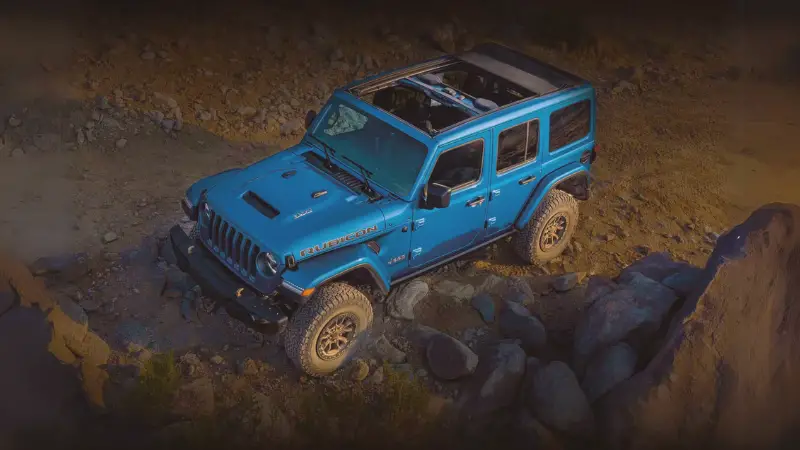
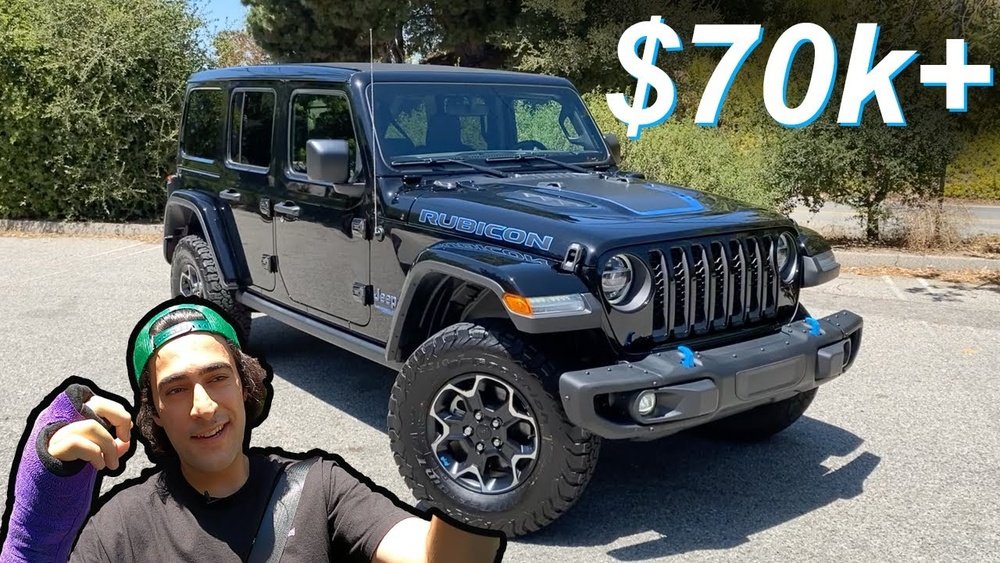
A big part of what makes Jeeps special is their off-road ability. Most SUVs today are built mainly for city use, but Jeeps like the Wrangler are designed to handle rocks, mud, snow, and sand right out of the factory. This level of performance requires special engineering.
Let’s compare Jeep’s off-road features to a typical SUV:
| Feature | Jeep Wrangler | Standard SUV |
|---|---|---|
| 4×4 System | Standard | Optional/Not included |
| Ground Clearance | Up to 10.8 inches | 6-8 inches |
| Water Fording | Up to 30 inches | 10-15 inches |
| Locking Differentials | Available | Rarely available |
Building vehicles with these features is more expensive. The parts are stronger, and the design needs to handle rough conditions. This adds to the cost of every Jeep.
Durability And Build Quality
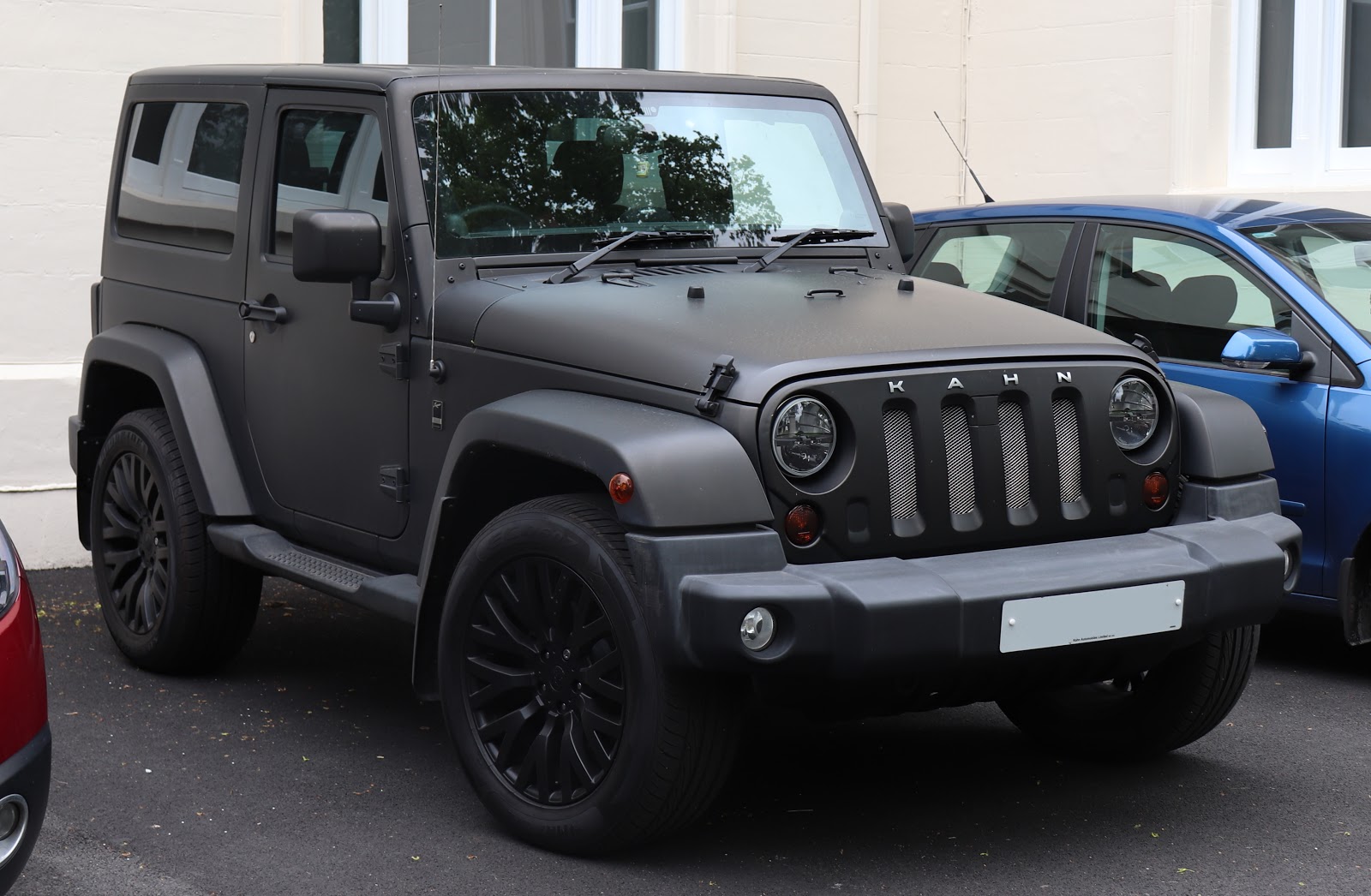
Jeeps are built to last. The body-on-frame construction (used in models like the Wrangler) is much tougher than the unibody design in most cars. This means more metal, stronger parts, and extra testing. All these factors increase manufacturing costs.
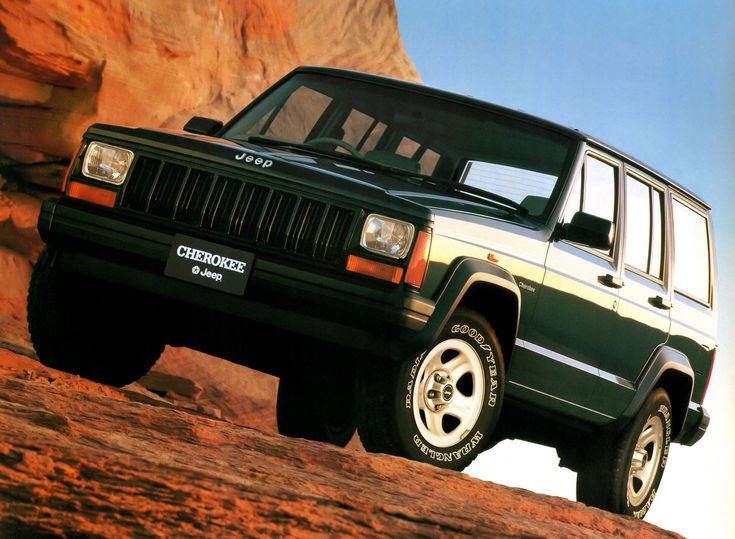
Owners often keep their Jeeps for many years, and it’s common to see Jeeps from the 1990s still on the road. This durability boosts the brand’s reputation and allows Jeep to set higher prices.
Resale Value
A hidden cost benefit with Jeeps is their high resale value. Compared to other vehicles, Jeeps lose value much slower. Here’s a quick comparison after five years:
| Vehicle | 5-Year Depreciation (%) |
|---|---|
| Jeep Wrangler | ~30% |
| Average SUV | ~50% |
| Luxury Sedan | ~60% |
So while you pay more upfront, you can get much of that money back when you sell or trade in your Jeep later.
Customization And Aftermarket Support
Jeeps are famous for customization. Owners often add lifts, bigger tires, lights, and more. To support this, Jeep designs its vehicles to accept many aftermarket parts without major changes. This flexibility means the company must keep the design simple but strong, which also raises costs.
The aftermarket industry for Jeeps is huge, which helps hold their value. People know they can change and upgrade their Jeep easily, adding to the original price appeal.
Strong Demand And Limited Supply
Jeeps, especially the Wrangler, are always in high demand. Unlike many brands, Jeep doesn’t flood the market with too many vehicles. They keep production numbers lower to keep demand strong. When demand is high and supply is limited, prices naturally rise.
During times of economic uncertainty, used Jeep prices can even go up. This is rare for most cars, but it happens with Jeep because of its loyal customer base.
Safety And Technology Features
Modern Jeeps come packed with the latest safety and tech features. You get advanced driver aids, touchscreens, navigation, and premium audio. While Jeep is not considered a luxury brand, some models approach luxury-level equipment.
This added technology comes at a cost. Features like adaptive cruise control, blind-spot monitoring, and high-quality sound systems all add to the sticker price.
Cost Of Ownership
It’s important to look at the overall cost of owning a Jeep. Maintenance and repair costs may be slightly higher, especially if you use your Jeep for off-roading. However, the high resale value and rugged build can help balance these costs over time.
One insight many beginners miss is that Jeep’s standard warranty is competitive, and the company often offers free maintenance for the first few years. This can make the first years of ownership less expensive than expected.
Jeep’s Unique Place In The Market
No other brand offers the exact mix of history, off-road performance, customization, and image that Jeep does. This unique spot allows Jeep to set prices higher than many competitors.
Another non-obvious factor: Jeep’s global popularity means there’s always a wide market for new and used models. This international demand also plays a role in keeping prices up, especially for classic models and special editions.
Frequently Asked Questions
Why Do Used Jeeps Hold Their Value So Well?
Used Jeeps keep their value because they’re seen as reliable, durable, and fun. Many buyers want a used Jeep for off-roading or as a second vehicle. The strong demand keeps prices high, even for older models.
Are Jeeps More Expensive To Maintain Than Other Suvs?
Jeeps can be a bit pricier to maintain, especially if you use them for heavy off-road driving. However, regular models used mainly on roads have average maintenance costs. Parts are easy to find, and many repairs are simple.
Is It Worth Paying More For A Jeep If I Don’t Off-road?
Even if you don’t plan to go off-road, Jeeps offer a unique style and strong resale value. Many people buy Jeeps for their look, comfort, and reputation. If these things matter to you, it may be worth the price.
What Jeep Model Is The Most Expensive?
The Jeep Grand Wagoneer is currently the most expensive model. It can cost over $100,000 with all options, thanks to luxury features and advanced technology. It’s aimed at buyers who want both ruggedness and comfort.
Where Can I Learn More About Jeep’s History?
If you want a detailed look at Jeep’s story and impact on car culture, check out the official Jeep Wikipedia page.
When you see a Jeep’s price tag, remember that you’re buying much more than a vehicle. You’re investing in a piece of history, a lifestyle, and a car that’s built for adventure. For many, that makes the higher cost worth every penny.