The Willys Jeep is more than just a car; it is a symbol of innovation, ruggedness, and military history. When people think about World War II vehicles, the image of the Willys Jeep often comes first. But who was behind its design? The story is not simple. Many people contributed, and the journey from concept to production involved competition, creativity, and engineering skill. If you want to understand who designed the Willys Jeep and how it became an icon, you need to know the names, companies, and events that shaped its creation.
The Early Idea And Military Demand
In 1940, the United States Army needed a new light reconnaissance vehicle. They wanted something fast, tough, and easy to move. The military sent out requirements to many car makers. The specs were strict: under 1,300 pounds, four-wheel drive, and able to carry three people and a machine gun. Only a few companies answered the call.
At the time, the military was looking for a vehicle that could replace horses and motorcycles, which were common for moving messages and officers.
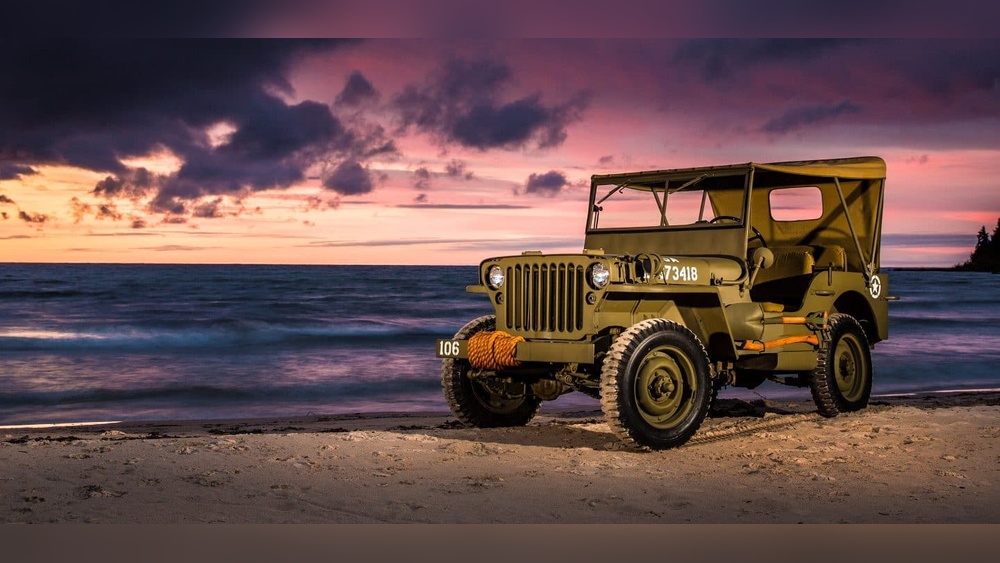
They needed a vehicle that could go almost anywhere, handle mud, snow, and sand, and be simple enough for soldiers to fix in the field.
The urgency was real because war in Europe was already raging, and the US Army needed to modernize quickly. The deadline was tight companies had only 49 days to deliver a working prototype.
The Key Designers And Companies
American Bantam’s First Design
The American Bantam Car Company was the first to respond. They created a prototype in just 49 days. The main designer was Karl Probst, a freelance engineer. Probst’s design met the Army’s needs, but Bantam was a small company with limited production ability.
Bantam’s prototype, called the Bantam Reconnaissance Car, impressed the Army. However, the military worried Bantam could not make enough vehicles. They shared Bantam’s blueprints with other companies, including Willys-Overland and Ford.
It’s worth noting that Bantam’s small size was both a strength and a weakness. They could move fast and be creative, but they lacked the resources to build thousands of vehicles.
Still, their design set the basic shape and function that all Jeeps would follow.
Some details, like the flat fenders and seven-slot grille, started with Bantam and became Jeep traditions.
Willys-overland’s Improvements
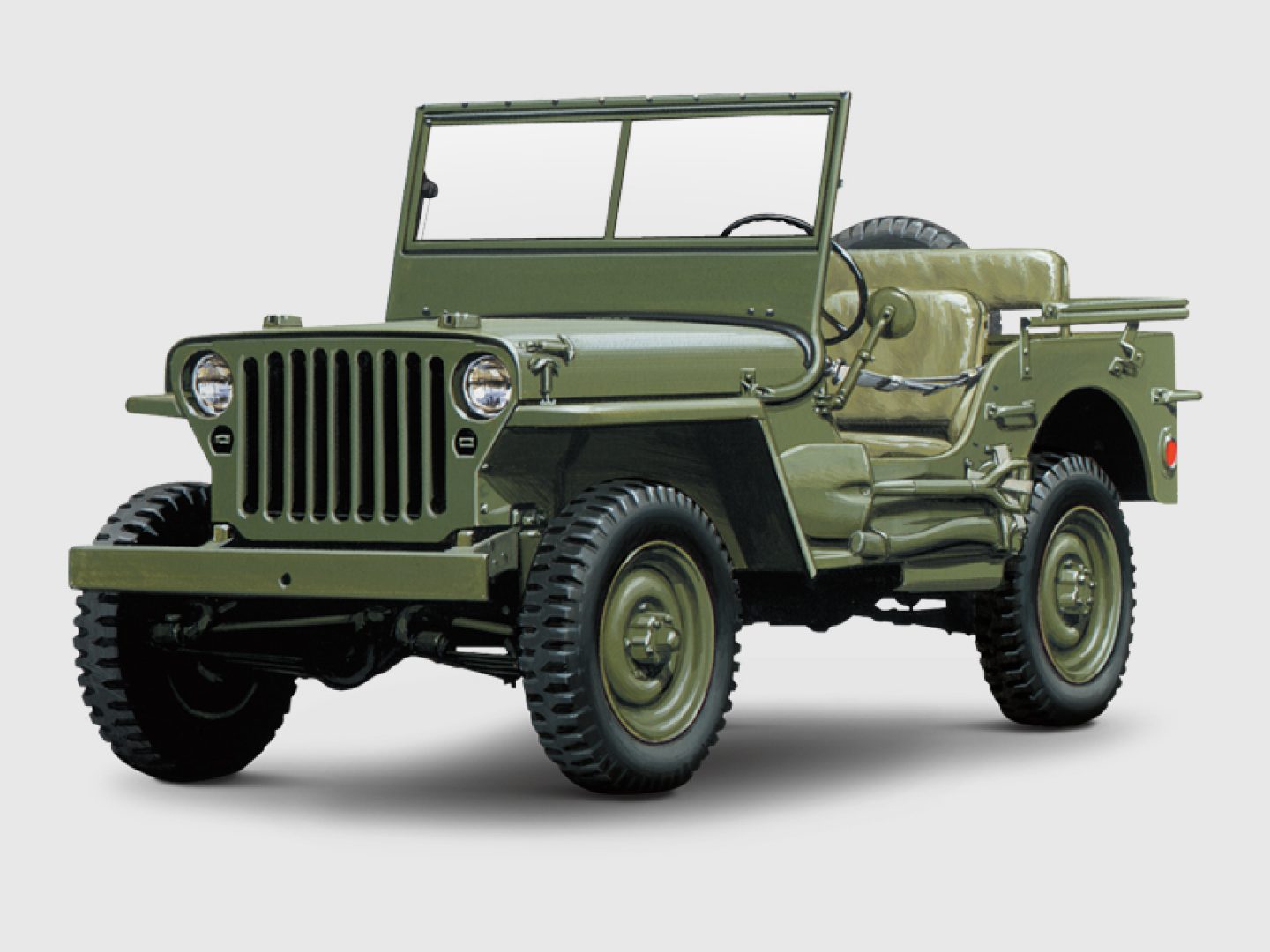
Willys-Overland took Bantam’s design and made changes. Their engineer, Delmar “Barney” Roos, led the effort. Roos worked to create a stronger engine and simpler construction. Willys’ version was called the Willys MB. It used the “Go-Devil” engine, which was powerful and reliable.
Willys’ improvements made their Jeep the best choice for mass production. The Army chose Willys-Overland as the main supplier. Ford also produced Jeeps, but their models followed Willys’ design.
Willys also made the Jeep easier to build using standard parts. This focus on simple, interchangeable components allowed quick repairs and cut production time.
The “Go-Devil” engine, with 60 horsepower, was a game changer for a small vehicle. Soldiers later said it “could go anywhere a mule could go and then some.
”
| Company | Lead Designer | Key Contribution |
|---|---|---|
| American Bantam | Karl Probst | Original prototype |
| Willys-Overland | Delmar Roos | Engine & improvements |
| Ford | Ford Engineers | Mass production |
What Made The Willys Jeep Special?
The Willys Jeep stood out for several reasons:
- Four-wheel drive: It could handle rough terrain.
- Lightweight body: Easy to transport and repair.
- Powerful engine: The Go-Devil engine had 60 horsepower, more than competitors.
- Simple design: Fewer parts meant fewer breakdowns.
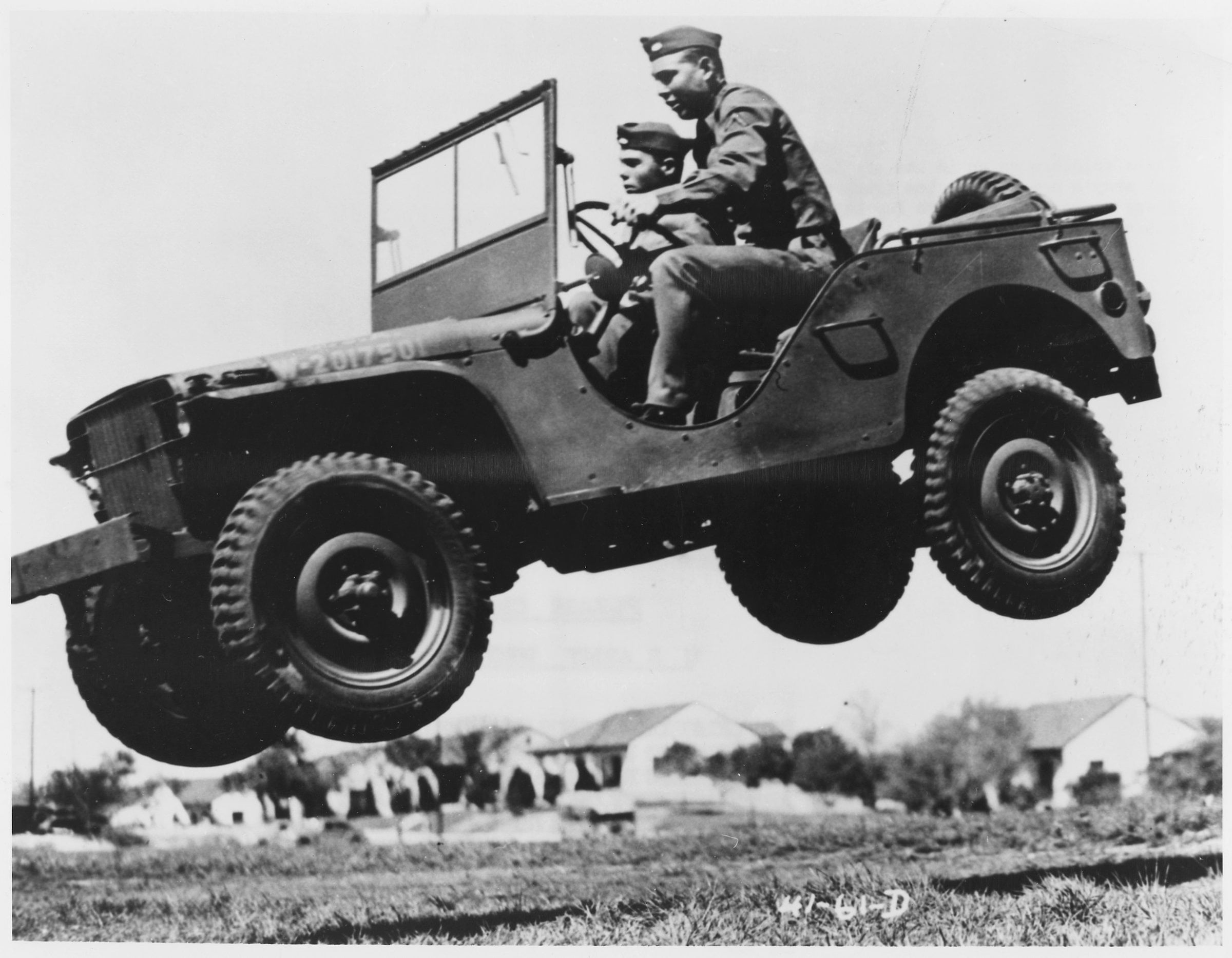
These features made the Jeep reliable in battle and useful for many jobs, from carrying soldiers to pulling artillery. Over 640,000 Jeeps were built during World War II.
The Jeep’s flat hood and open body made it easy to add stretchers, radios, or even small cannons. Its low weight meant it could be lifted by only a few soldiers or even dropped by parachute.
Some Jeeps were used as ambulances, some as command cars, and some were even modified for railroad tracks.
The basic design was so flexible, it served in roles engineers never imagined at first.
| Feature | Willys MB | Bantam | Ford GPW |
|---|---|---|---|
| Engine Power | 60 hp | 45 hp | 60 hp |
| Weight | 2,450 lbs | 2,175 lbs | 2,450 lbs |
| Production | Over 360,000 | ~2,700 | Over 270,000 |
The Naming And Legacy
The name “Jeep” has uncertain origins. Some say it comes from “G. P. ,” meaning “General Purpose. ” Others think it was inspired by “Eugene the Jeep,” a character in Popeye cartoons. Either way, the name stuck.
After the war, the Jeep became a civilian vehicle. Willys-Overland marketed the CJ (Civilian Jeep) for farmers, workers, and adventurers. The original design influenced many later SUVs and off-road vehicles.
The Jeep’s simple, boxy look became a symbol for freedom and toughness. Farmers used them to plow fields.
Explorers drove them in jungles and deserts. Even today, modern Jeeps keep the upright grille and rugged shape.
The Willys Jeep shaped not just military vehicles but all 4x4s that followed.
Non-obvious Insights
Many people think only Willys designed the Jeep. In truth, Bantam and Karl Probst started the process.
Without their work, Willys might not have had a blueprint to improve. Also, Ford’s role in mass production was crucial.
The Army could not have supplied enough Jeeps without Ford’s factories.
Another detail: Delmar Roos’s “Go-Devil” engine was not just stronger; it was simpler to maintain. Soldiers could fix it in the field, which saved lives and kept the army moving.
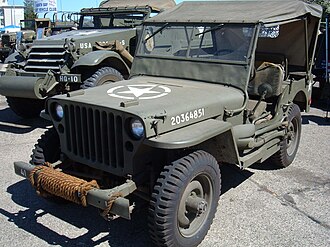
One more thing: the Willys Jeep’s flat windshield and removable doors were not just for looks—they made it easy to ship and store. Multiple Jeeps could be stacked or loaded quickly onto ships and trains, helping the Allies move faster than their enemies expected.
Finally, the Jeep’s design inspired copycats worldwide. Countries like France, Japan, and the UK created similar vehicles after seeing how effective the Jeep was. Its influence is global, not just American.
The Willys Jeep’s Impact
The Willys Jeep changed military tactics. Its speed and flexibility allowed armies to move quickly and adapt. It was used in every theater of World War II, from Europe to Asia. After the war, the Jeep’s design inspired vehicles worldwide.
Jeep owners today still value the same qualities: ruggedness, reliability, and the feeling of adventure. The original Jeep’s ability to cross rivers, climb hills, and endure rough roads set a new standard. Many modern 4×4 vehicles, whether for work or fun, can trace their roots back to the Willys Jeep.
Today, the Jeep brand is famous for off-road ability. The Willys Jeep’s DNA is still visible in modern models.
Collectors and historians value original Jeeps for their history and engineering. Military museums, parades, and car shows often feature restored Jeeps, and enthusiasts share tips for maintaining these vehicles decades later.
Some rare models can sell for high prices, especially if they still have original markings from the war.
Frequently Asked Questions
Who Was The Main Designer Of The Willys Jeep?
Delmar “Barney” Roos led Willys-Overland’s design team. However, Karl Probst at Bantam created the original prototype. Both played key roles.
Why Did The Army Choose Willys-overland?
Willys-Overland offered a stronger engine, a reliable design, and the ability to produce vehicles in large numbers. The Army needed thousands of Jeeps quickly.
What Role Did Ford Play In Jeep Production?
Ford produced the Ford GPW, a Jeep based on Willys’ design. Ford’s factories helped meet the huge demand during World War II.
How Many Jeeps Were Built During World War Ii?
About 640,000 Jeeps were made by Willys-Overland, Ford, and Bantam combined.
Where Can I Learn More About The Willys Jeep’s History?
For a detailed history and technical data, visit Wikipedia’s Willys MB page.
The Willys Jeep is a product of teamwork and innovation. Its design story proves that sometimes, the best results come from sharing ideas and improving on them.
The Jeep’s legacy lives on, not only in military history but also on roads and trails around the world.