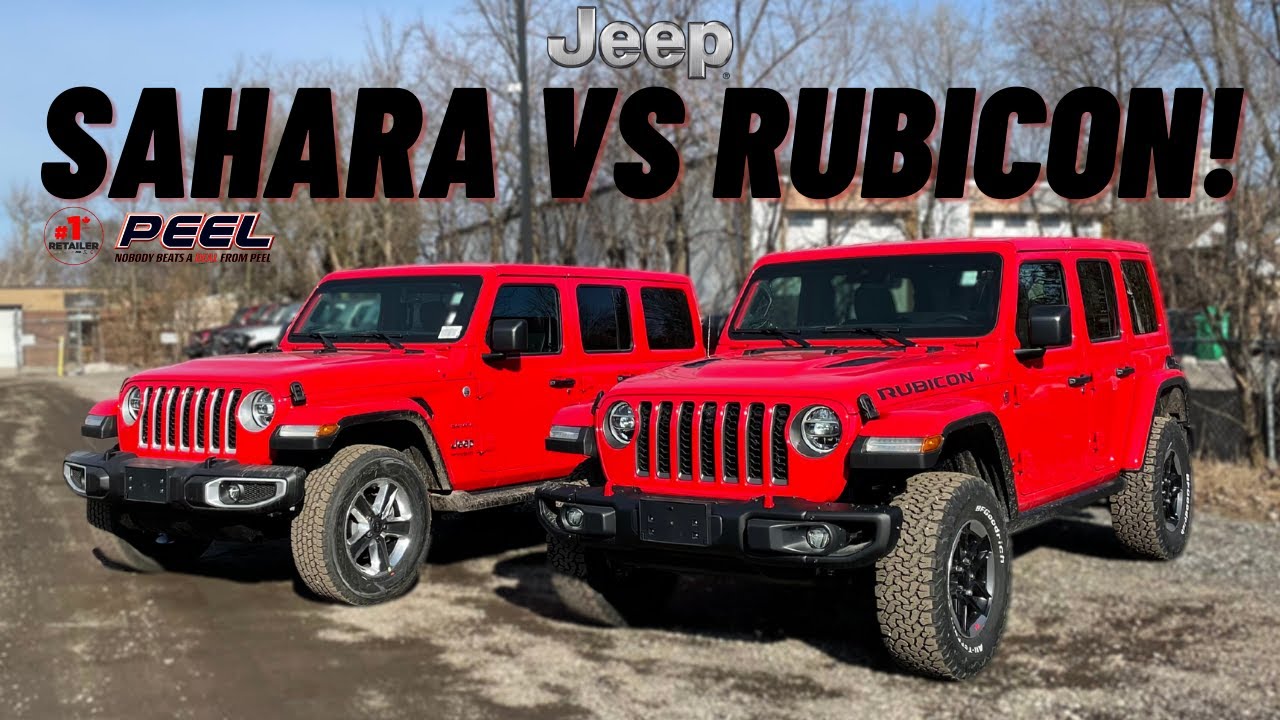
If you are thinking about buying a Jeep Wrangler, two names probably stand out: Rubicon and Sahara. Both are well-known trims, but they serve different drivers. Choosing between them depends on what you want from your Jeep—serious off-roading or a blend of daily comfort and light adventure. Let’s break down which Jeep is better for your needs by comparing their key features, real-world performance, and value.
What Sets Rubicon And Sahara Apart?
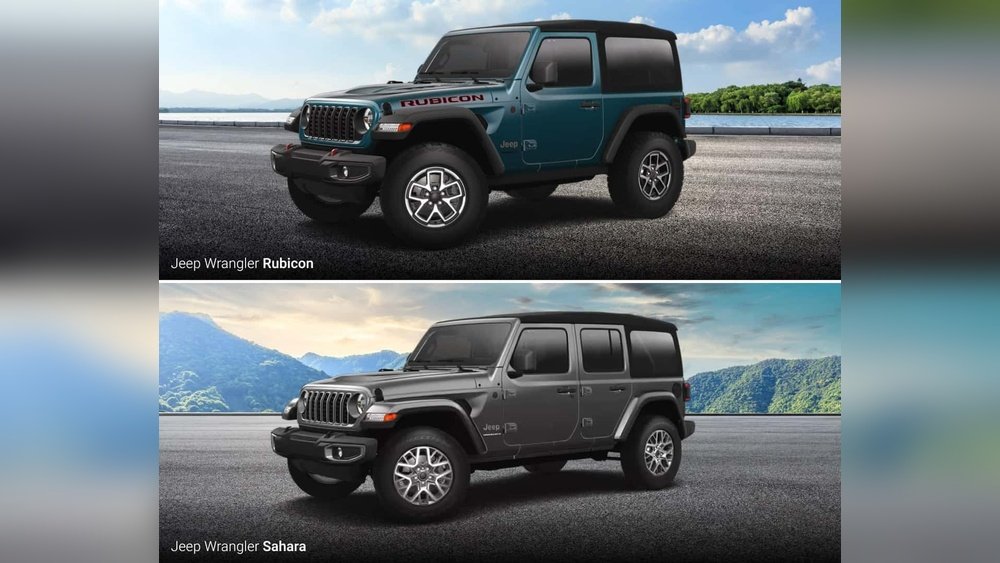
At first glance, the Rubicon and Sahara look similar. Both share the classic Wrangler look and the same basic engine choices. But under the surface, they are built for different purposes.
- The Rubicon is Jeep’s top off-road model.
- The Sahara is designed for comfort with off-road ability, but not extreme trails.
The difference matters. The Rubicon comes with heavy-duty parts, while the Sahara focuses on smooth driving and style.
Key Features Comparison
Here’s a side-by-side look at what each model offers:
| Feature | Rubicon | Sahara |
|---|---|---|
| 4×4 System | Rock-Trac | Command-Trac |
| Locking Differentials | Front & Rear | Not included |
| Tire Size | 33-inch All-Terrain | 32-inch All-Season |
| Suspension | Heavy Duty | Standard |
| Interior | Rugged, Washable | Premium, Stylish |
| Price (MSRP) | From $46,000 | From $44,000 |

Off-road Ability
The Rubicon is made for drivers who want to tackle tough trails. It comes with features that make a real difference off-road:
- Rock-Trac 4×4 system allows more torque at low speeds.
- Locking differentials help keep all wheels moving in mud or on rocks.
- Disconnecting sway bar improves wheel movement on uneven ground.
These features let the Rubicon handle deep ruts, steep hills, and rocky paths. In fact, it’s tested on the famous Rubicon Trail in California, which is one of the toughest off-road routes in the US.
The Sahara is capable, but not as specialized. Its Command-Trac 4×4 system is good for snow, sand, and light trails. But it does not have locking differentials or a disconnecting sway bar. If you plan to go off-road only occasionally, the Sahara is enough. If you want to go where other SUVs cannot, the Rubicon is better.
On-road Comfort And Daily Use
Most people drive their Jeep on regular roads more than on trails. Here, the Sahara shines:
- Smoother ride: The Sahara’s suspension is tuned for comfort.
- Quieter cabin: Less road noise compared to the Rubicon.
- Interior features: More luxury options, like leather seats and advanced infotainment.
The Rubicon’s large tires and off-road suspension can feel bumpy or noisy on the highway. It’s not uncomfortable, but you may notice more vibration.
A second insight: The Sahara’s full-time four-wheel drive (optional) makes it easier to drive in rain or snow without thinking about shifting in and out of 4WD. The Rubicon’s system is part-time, which means you must engage it when needed.
Fuel Economy And Maintenance
Both models have similar engines: a 3.6L V6, 2.0L turbo, or an optional diesel. But the Rubicon’s heavy-duty parts and big tires reduce fuel economy.
| Engine | Rubicon (mpg) | Sahara (mpg) |
|---|---|---|
| 3.6L V6 | 17 city / 25 hwy | 18 city / 24 hwy |
| 2.0L Turbo | 21 city / 24 hwy | 22 city / 24 hwy |
Maintenance costs are generally similar. However, the Rubicon’s off-road parts may wear faster if you use them often on rough terrain. Replacing 33-inch tires is also more expensive than the Sahara’s 32-inch tires.
Value For Money
Jeep Wranglers hold their value well. The Rubicon costs about $2,000 more than the Sahara at base price. If you use its off-road features, it’s worth the extra money. But if you want a Jeep mainly for city or highway driving, the Sahara gives you most Wrangler benefits for less.
A common mistake: Some buyers pay for Rubicon features they never use. Unless you plan to off-road often, the Sahara is usually the smarter buy.
Real-world Examples
- If you live in a city and want a Jeep for weekend camping, the Sahara gives you comfort and style. You can still drive on dirt roads or through snow.
- If you live near mountains or love off-roading, the Rubicon is made for you. It can handle trails that would damage most SUVs.
- A family who uses their Wrangler for daily driving and only mild adventure trips will likely be happier with the Sahara.
Which Should You Buy?
The answer depends on your lifestyle:
- Choose the Rubicon if:
- Off-roading is your main hobby
- You need the most capability
- You plan to modify your Jeep for extreme use
- Choose the Sahara if:
- You want daily comfort with Jeep style
- Most driving is on paved roads
- You only need light off-road ability
Both models are excellent, but buying for your real needs will make you happier in the long run. Always test-drive both to see which feels better to you.
For more technical specs, the Jeep Official Website offers detailed information.
Frequently Asked Questions
Which Jeep Is More Expensive, Rubicon Or Sahara?
The Rubicon usually costs about $2,000 more than the Sahara at the base level. Extra off-road features and heavy-duty parts increase the price.
Can The Sahara Go Off-road Like The Rubicon?
The Sahara can handle light off-roading—dirt roads, sand, and mild trails. It is not designed for very rough terrain like the Rubicon.
Which Model Is Better For Snow And Rain?
Both handle snow and rain well. The Sahara’s available full-time 4WD system makes it easier for new drivers in bad weather.
Does The Rubicon Ride Rougher Than The Sahara?
Yes, the Rubicon has a firmer ride because of its off-road suspension and large tires. The Sahara is smoother and quieter on highways.
Which Jeep Holds Its Value Better?
Both have strong resale value, but the Rubicon may hold its value slightly better with buyers who want off-road features.
In the end, both the Jeep Rubicon and Sahara are strong choices. Your best pick depends on how you plan to use your Jeep—true adventure or everyday comfort.