Owning a Jeep Patriot means handling basic maintenance tasks, like checking and adding coolant. Coolant is vital for keeping your engine from overheating and preventing damage.
Many owners feel unsure about where to add coolant or which container to use. If you’re new to car care or just want clear steps, this article will help you understand exactly where to put coolant in your Jeep Patriot and how to do it safely.
Understanding Coolant And Its Importance
Coolant, also called antifreeze, is a liquid that helps regulate your engine’s temperature. Without enough coolant, your Jeep Patriot can overheat, leading to expensive repairs. Coolant also prevents freezing during cold weather and protects engine parts from corrosion. Jeep Patriots usually use a mix of water and ethylene glycol-based coolant, which is standard for most SUVs.
A surprising fact: Over 40% of engine failures are linked to cooling system issues, according to industry data. That’s why checking your coolant level is as important as changing your oil.
Locating The Coolant Reservoir In A Jeep Patriot
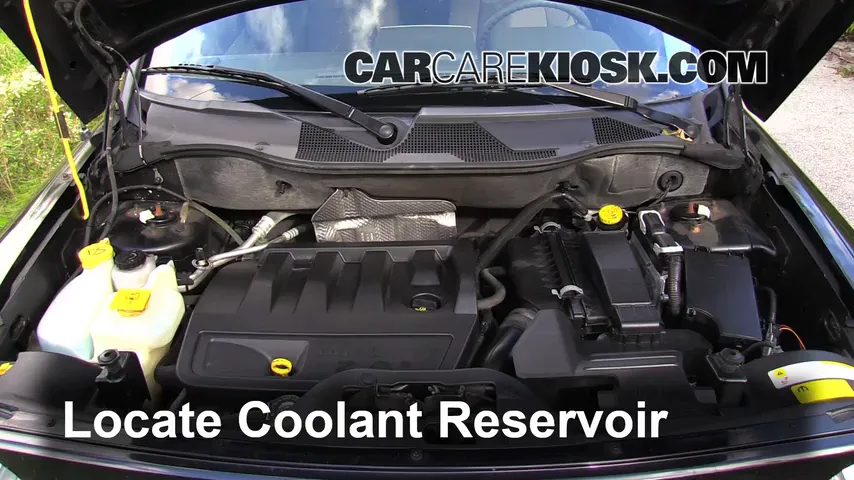
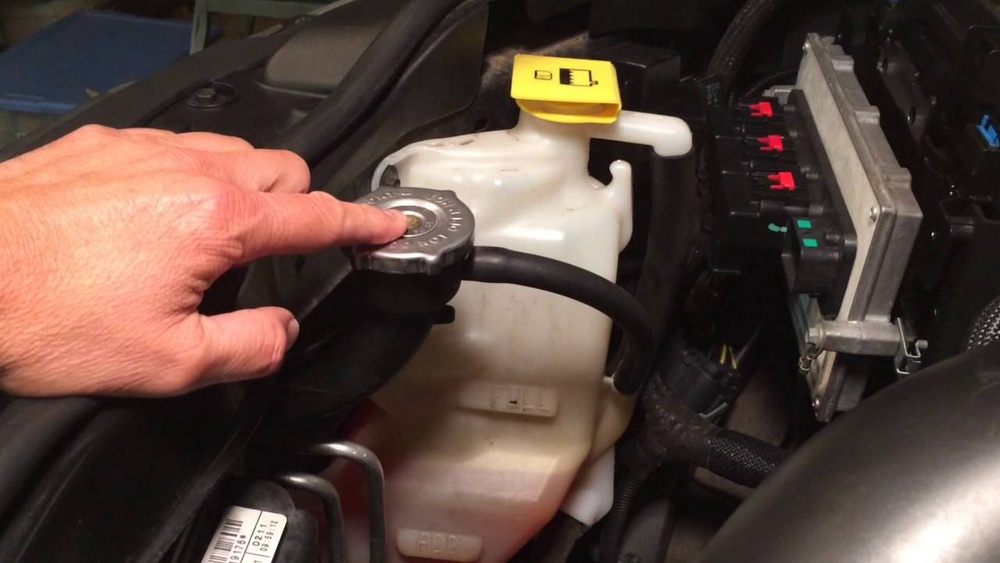
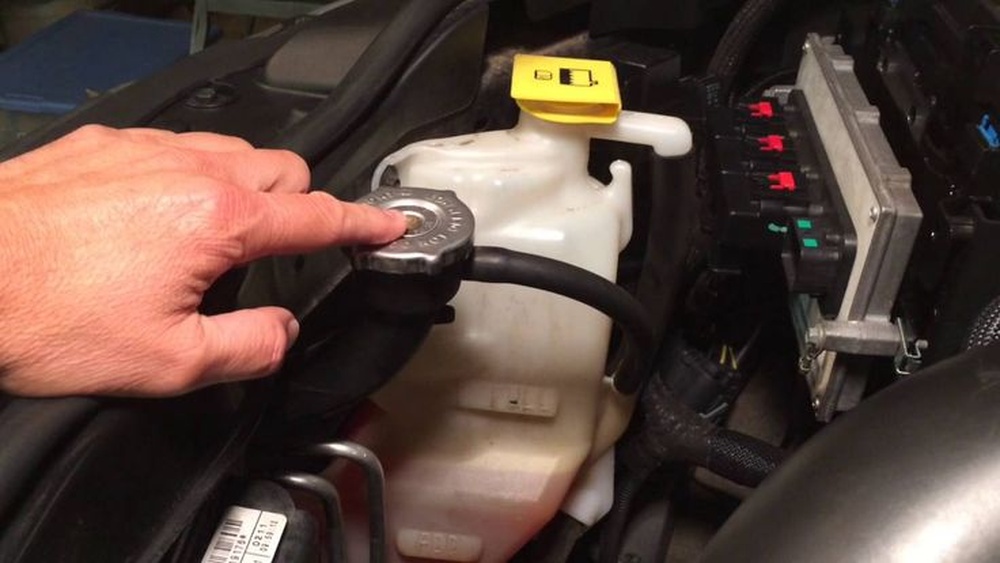
The coolant reservoir is the container where you add coolant. It’s usually a clear plastic tank with “MIN” and “MAX” markings. In the Jeep Patriot, you’ll find this reservoir in the engine bay, near the front right side when facing the car.
To help you quickly spot the right container, here’s a comparison with other common under-hood tanks:
| Tank | Location | Color/Shape |
|---|---|---|
| Coolant Reservoir | Front right | Clear, round or oval, “MIN/MAX” lines |
| Windshield Washer Fluid | Near firewall | Blue cap, rectangular |
| Brake Fluid Reservoir | Back center | Small, white, yellow cap |
Do not confuse the coolant reservoir with the radiator. The radiator is metal, with a cap that should not be opened when hot.
Steps To Add Coolant To Your Jeep Patriot
Adding coolant is simple if you follow these steps:
- Turn off the engine and let it cool. Never open the coolant reservoir when the engine is hot. Hot coolant can spray out and cause burns.
- Open the hood and locate the coolant reservoir. Look for the clear plastic tank with “MIN/MAX” marks.
- Check the coolant level. If it’s below the “MIN” line, you need to add coolant.
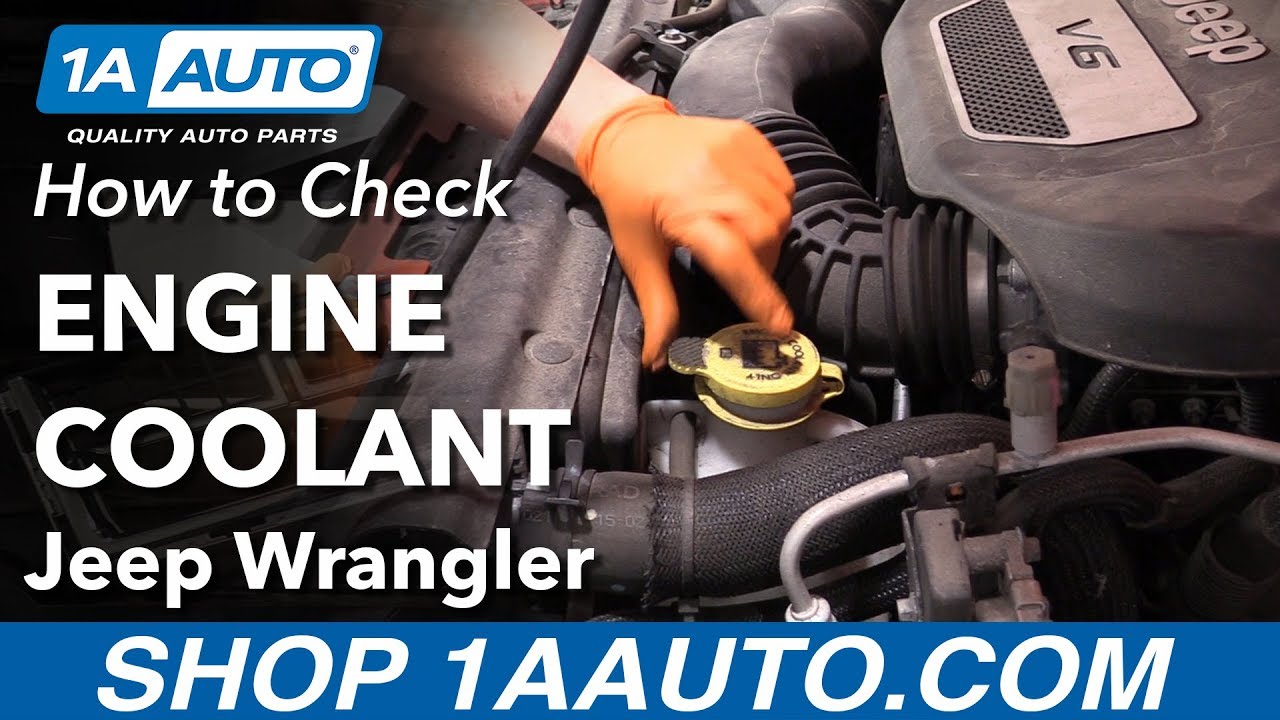
- Unscrew the reservoir cap. Twist it counterclockwise. Some caps have safety locks.
- Add coolant slowly. Pour the recommended coolant into the reservoir until it reaches the “MAX” line. Use a funnel to avoid spills.
- Secure the cap tightly. Make sure it’s locked to prevent leaks.
- Close the hood. You’re done.
If you’re unsure which coolant to use, check your Jeep Patriot’s manual or ask a mechanic. Most Jeep Patriots use HOAT (Hybrid Organic Acid Technology) coolant, usually colored orange or pink.
Choosing The Right Coolant: Key Differences
Not all coolants are the same. Picking the wrong one can cause corrosion or reduce performance. Here’s a simple table showing the main types:
| Coolant Type | Color | Compatibility |
|---|---|---|
| HOAT | Orange/Pink | Jeep Patriot, Chrysler |
| OAT | Red | Newer vehicles |
| IAT | Green | Older models |
Always match the coolant type to your vehicle’s requirements. Mixing types can cause sludge and reduce cooling effectiveness. Some owners overlook this detail and end up needing costly repairs.
How Often Should You Check And Replace Coolant?
Most experts recommend checking your coolant every 3 months or 3,000 miles. Replace coolant every 2 years or 30,000 miles, whichever comes first. However, if you drive in hot climates or heavy traffic, check more often. Signs you need new coolant include:
- Engine overheating
- Rust or sludge in the reservoir
- Low coolant level
If you notice these issues, flush the cooling system before adding new coolant.
Common Mistakes When Adding Coolant
Even experienced drivers make mistakes. Here are two mistakes beginners often overlook:
- Adding coolant to the radiator instead of the reservoir. The radiator cap is pressurized. Opening it when hot is dangerous.
- Ignoring the color of old coolant. If you see brown or rusty coolant, it’s time for a flush, not just a top-up.
Also, some people use water only. While water can work in emergencies, it lacks the protection of real coolant. It can cause freezing or boiling, so always use proper coolant.
Practical Tips For Safe Coolant Handling
- Always wear gloves and eye protection.
- Dispose of old coolant safely. It’s toxic to pets and humans.
- Use a clean funnel to avoid introducing dirt.
- Keep coolant away from children and animals.
For more detailed advice on coolant types and maintenance, visit the Car and Driver coolant guide.
Frequently Asked Questions
How Much Coolant Does A Jeep Patriot Need?
Most Jeep Patriots require about 7 quarts (6.6 liters) of coolant for a full system refill. For topping up, just fill to the “MAX” line in the reservoir.
Can I Use Water Instead Of Coolant In An Emergency?
Yes, water can be used temporarily, but it does not protect against freezing or corrosion. Replace with proper coolant as soon as possible.
What Happens If I Overfill The Coolant Reservoir?
Overfilling can cause excess pressure and leaks. Only fill to the “MAX” line. If you accidentally overfill, remove extra coolant with a turkey baster or siphon.
Is It Normal For Coolant Level To Drop Over Time?
A small drop is normal due to evaporation. If you see a rapid decrease, check for leaks or consult a mechanic.
How Do I Know If My Coolant Needs To Be Changed?
If the coolant looks dirty, rusty, or brown, or if your engine overheats, it’s time to change it. Also, follow the replacement interval in your owner’s manual.
Adding coolant to your Jeep Patriot is straightforward when you know where to look and what to use. By following these steps, you keep your SUV running cool and avoid costly repairs. Remember to check regularly and use the right type for your model.
With proper care, your Jeep Patriot will stay reliable for years.