If you drive a Jeep Wrangler, you know how important it is to keep your engine running at the right temperature. The small part that plays a huge role in this is the thermostat. But if you have never worked under the hood before, finding this part can feel confusing. Locating the thermostat is the first step for many repairs, from fixing overheating issues to replacing coolant. This guide will show you exactly where the thermostat is on a Jeep Wrangler, how it functions, and what you need to keep in mind during maintenance.
What Is A Thermostat In A Jeep Wrangler?
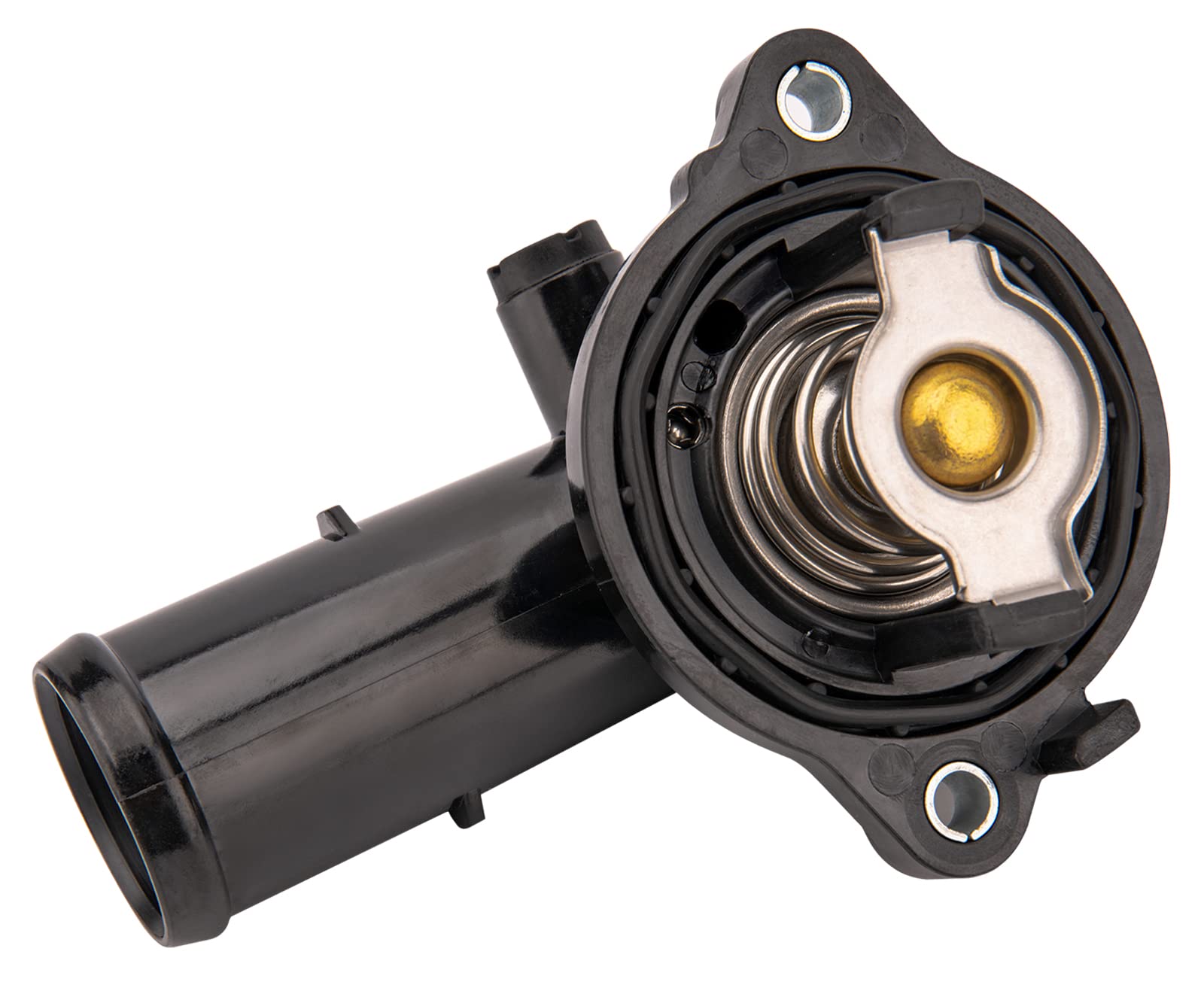
The thermostat is a temperature-sensitive valve in your cooling system. Its main job is to control the flow of coolant between the engine and the radiator. When you start your Jeep, the thermostat stays closed, letting the engine warm up quickly. Once the engine reaches the right temperature, the thermostat opens, allowing coolant to flow and keep things from overheating.
If the thermostat gets stuck closed, your engine can overheat. If it sticks open, the engine may not warm up properly, causing poor fuel efficiency and weak heater performance.
Location Of The Thermostat On Different Jeep Wrangler Models
The exact position of the thermostat depends on the engine type and model year. Here’s a clear breakdown for the most common Jeep Wrangler generations:
| Model Year | Engine Type | Thermostat Location |
|---|---|---|
| 1987-1995 (YJ) | 2.5L, 4.0L | Front top of engine, under thermostat housing |
| 1997-2006 (TJ) | 2.5L, 4.0L | Front top of engine, behind upper radiator hose |
| 2007-2011 (JK) | 3.8L V6 | Front lower part of engine, near water pump |
| 2012-2018 (JK) | 3.6L V6 | Front, lower right side, near timing cover |
| 2018-present (JL) | 2.0L Turbo, 3.6L V6, 3.0L Diesel | Front, lower engine area, attached to water pump |
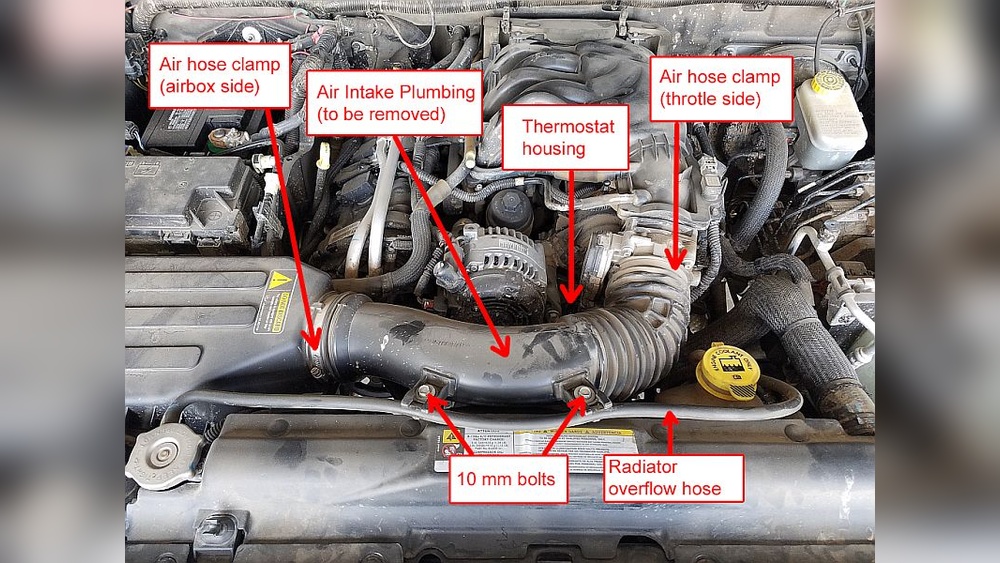
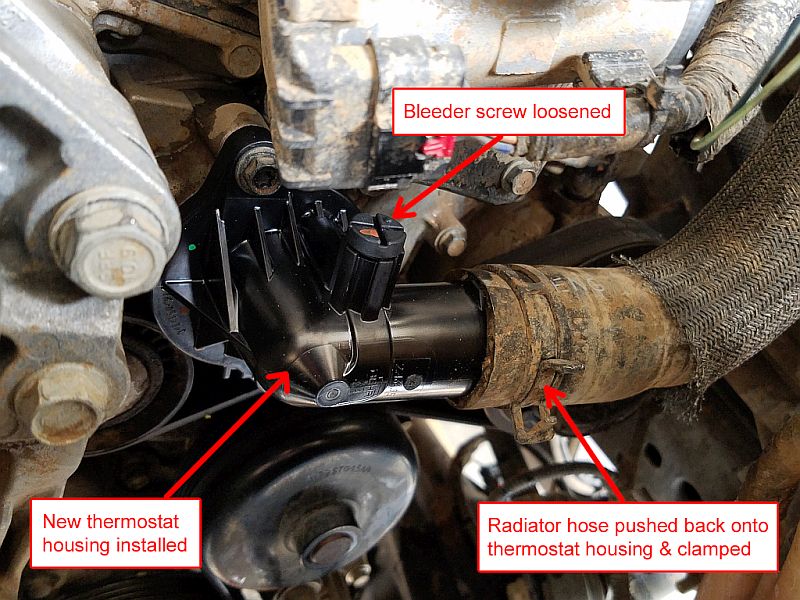
On most Wranglers, the thermostat is found by following the upper radiator hose back to the engine. Where the hose meets the engine block, you’ll see the thermostat housing. In newer V6 models, the thermostat is lower and sometimes harder to reach.
Step-by-step: How To Locate The Thermostat
Here’s a simple guide for finding the thermostat on your Jeep Wrangler:
- Open the Hood: Make sure the engine is cool before you start.
- Find the Radiator: Look at the front of the engine bay.
- Follow the Upper Radiator Hose: This thick hose runs from the radiator to the engine.
- Locate the Thermostat Housing: The hose connects to a metal or plastic cover on the engine. This is the thermostat housing.
- Check Fasteners: The housing is usually held in place with two or three bolts.
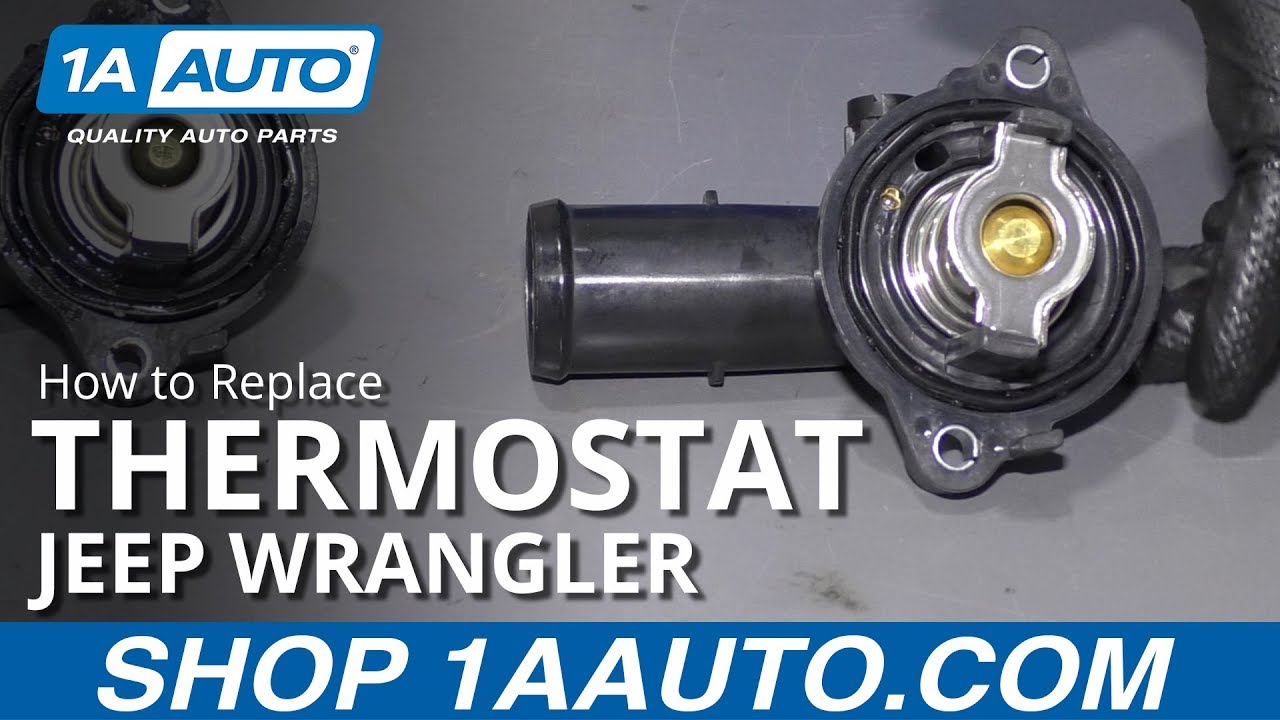
In most cases, once you remove the housing, you’ll see the thermostat sitting inside. It looks like a small metal disc with a spring.
Differences Between Thermostat Locations
Different engine designs place the thermostat in different spots. Here’s a comparison to make things clearer:
| Engine | Ease of Access | Common Tools Needed |
|---|---|---|
| 4.0L I6 | Easy (top front) | Sockets, wrench |
| 3.8L V6 | Moderate (lower front) | Sockets, pliers |
| 3.6L V6 | Harder (lower right front) | Sockets, extension |
| 2.0L Turbo | Moderate (front lower area) | Sockets, screwdriver |
Older models are easier to work on because the thermostat is right on top. Newer engines may require you to remove extra covers or hoses to get access.
Signs Your Jeep Wrangler’s Thermostat Needs Attention
Knowing where the thermostat is located helps you fix problems faster. Look out for these warning signs:
- Engine overheating: The temperature gauge moves into the red zone.
- Coolant leaks: Puddles under the Jeep, especially near the front.
- Heater not working: Cabin stays cold even after warming up.
- Erratic temperature readings: Needle moves up and down quickly.
If you see any of these, it’s smart to check the thermostat first.
Practical Tips For Diy Thermostat Checks
If you want to check or replace the thermostat yourself, keep these tips in mind:
- Always let the engine cool down before working.
- Have a drain pan ready for spilled coolant.
- Use new gaskets or sealant when reassembling.
- Tighten bolts evenly to avoid leaks.
- Refill the coolant and bleed air from the system.
A common beginner mistake is not checking for trapped air in the cooling system after replacement. Air pockets can cause overheating even with a new thermostat.
Why Thermostat Location Matters For Maintenance
The position of the thermostat affects how easy it is to replace. On older Wranglers, the job is simple and can be done in under an hour. For newer models, you may need to remove extra parts like the air intake or battery.
A hidden insight: Sometimes, a shop manual will suggest removing more parts than truly needed. Often, careful hands can reach the thermostat with fewer steps, saving time.
Another thing beginners miss is that reusing old gaskets can cause leaks. Always use a new gasket or seal when putting the thermostat housing back.
Frequently Asked Questions
Where Is The Thermostat On A 2007 Jeep Wrangler?
On the 2007 Jeep Wrangler with the 3.8L V6 engine, the thermostat is located at the front lower part of the engine, near the water pump. You can reach it by following the lower radiator hose.
How Do I Know If My Jeep Wrangler Thermostat Is Bad?
Watch for engine overheating, poor heater performance, or fluctuating temperature readings. Sometimes, a stuck thermostat also causes coolant to leak near the housing.
Can I Replace The Thermostat Myself?
Yes, many Jeep owners replace the thermostat at home with basic tools. Just be sure to let the engine cool, use new gaskets, and refill the coolant properly.
How Much Does It Cost To Replace A Jeep Wrangler Thermostat?
Parts usually cost $20–$50, and labor at a shop is $100–$200. Doing it yourself can save money, but follow safety steps carefully.
Where Can I Find More Technical Details?
You can visit the official Jeep Wrangler Wikipedia page for more in-depth information on engines and cooling systems.
Finding and understanding your Jeep Wrangler’s thermostat location can help you save time and money on repairs. By knowing where to look and what to check, you’ll keep your Wrangler reliable on and off the road.
With a little care and the right knowledge, you can handle basic cooling system maintenance and avoid bigger engine problems down the line.