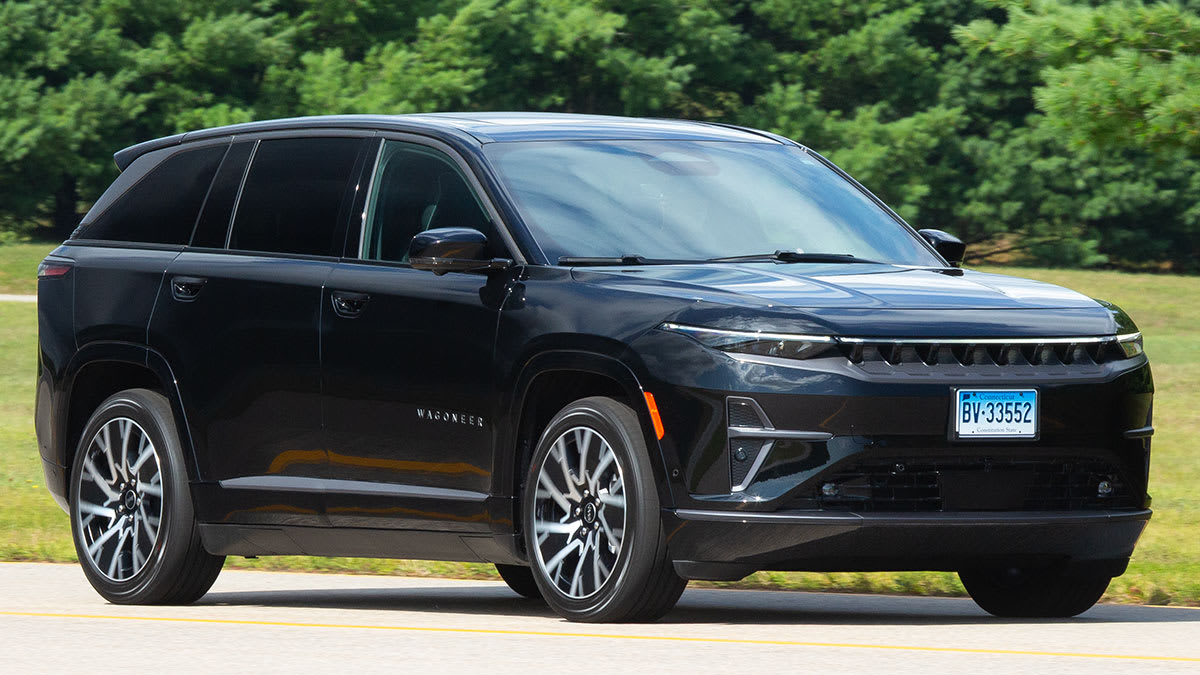
If you own a Jeep Wagoneer or are thinking about buying one, you might wonder what type of gas it needs. Using the correct fuel is important for keeping your car running well and avoiding engine problems. Many drivers are unsure because modern SUVs come with different engines, and fuel choices can impact performance, cost, and maintenance. In this article, you’ll learn which gas to use for the Jeep Wagoneer, why it matters, and how your choice can affect both daily driving and long-term reliability.
Understanding The Jeep Wagoneer’s Engine Options
The Jeep Wagoneer is a full-size SUV known for luxury and strong performance. In recent years, Jeep has released different versions of the Wagoneer with various engines. Let’s take a closer look:
Engine Types In Recent Wagoneer Models
Most modern Wagoneers (2022 and newer) come with:

- 5.7L V8 Engine (with eTorque mild hybrid system)
- 3.0L Hurricane Twin-Turbo I6 Engine (for Wagoneer L and higher trims)
Older Wagoneers (before 1991) had different engines, but this article focuses on current models you’ll find on the market today.
Why Engine Type Matters For Gas
Each engine is designed to run best on a certain fuel grade. If you use the wrong gas, it can cause knocking, lower efficiency, or even damage over time. Using premium gas in an engine built for regular won’t usually help, while using regular gas in a premium-required engine can hurt performance.
Recommended Gas Types For The Jeep Wagoneer
Regular Unleaded Gasoline
For most Wagoneer models with the 5.7L V8, Jeep recommends regular unleaded gasoline. This means:
- Octane rating: 87 (minimum)
- Ethanol content: Up to 15% (E15)
Some Wagoneer trims with the 3.0L Hurricane Twin-Turbo I6 engine recommend premium unleaded gasoline for best performance:
- Octane rating: 91 or higher
- Using lower octane can reduce power and efficiency
Comparison Of Gas Types For Wagoneer Engines
Here’s a simple table to help you decide:
| Engine | Recommended Gas | Octane Rating | Notes |
|---|---|---|---|
| 5.7L V8 | Regular Unleaded | 87 | Works fine with E15 |
| 3.0L I6 Turbo | Premium Unleaded | 91+ | Higher performance, avoid regular |
Why Not Use Diesel Or E85?
The Wagoneer is not designed for diesel fuel or E85 (85% ethanol). Using these fuels can cause serious engine damage and void your warranty.
How Gas Type Affects Performance And Efficiency
Many drivers think premium gas gives more power or better mileage, but this is only true if your engine needs it. The Wagoneer’s V8 will not perform better with premium fuel. However, the turbo I6 engine will lose power and efficiency if you use regular instead of premium.
Real-world Mpg Data
The EPA rates the Wagoneer’s fuel economy as follows:
- 5.7L V8: 16 mpg city, 22 mpg highway
- 3.0L Turbo I6: 17 mpg city, 23 mpg highway
These numbers assume you’re using the recommended fuel. Using lower octane in a turbo engine can decrease mpg by up to 10%.
Impact Of Wrong Gas Choice
If you use lower octane than recommended:
- Engine may “knock” or make rattling sounds
- Performance drops, especially under heavy loads
- Long-term risk of engine damage
If you use higher octane than needed:
- No extra benefit
- You pay more at the pump
Fuel Capacity And Cost Considerations
Wagoneer Fuel Tank Size
Modern Wagoneers have large tanks:
- 5.7L V8: 26.5 gallons
- 3.0L Turbo I6: 27.4 gallons
Cost To Fill Up
Let’s compare the cost to fill a Wagoneer with regular vs premium gas (using national average prices):
| Gas Type | Average Price (per gallon) | Tank Size | Estimated Fill Cost |
|---|---|---|---|
| Regular (87) | $3.60 | 26.5 gal | $95.40 |
| Premium (91+) | $4.30 | 27.4 gal | $117.82 |
Premium gas is about 20–25% more expensive per fill. Over a year, this can add up, so it’s important to only use premium when your engine truly needs it.
How To Check Which Gas Your Wagoneer Needs
Owner’s Manual
Always check your owner’s manual for exact fuel recommendations. Jeep states the required octane and acceptable ethanol content.
Fuel Door Label
Look at the inside of your fuel door. It usually shows the recommended octane rating.
Vin Decoder And Online Tools
If you don’t have the manual, you can use your vehicle’s VIN online to check engine details and fuel needs. Reliable sites like Jeep Official provide this information.
Common Mistakes Drivers Make
- Using premium “just in case”: Many think premium is always better, but it’s wasted money if your engine doesn’t require it.
- Ignoring fuel recommendations: Some use regular in a turbo engine to save money, but this costs more in repairs later.
- Adding fuel additives: Most modern engines don’t need extra additives. Only use them if Jeep recommends.
- Using E85 or diesel: Never use these fuels in a Wagoneer; it can seriously damage the engine.
- Assuming all SUVs use the same gas: Different trims and engine types can require different fuel grades.
Non-obvious Insights For Wagoneer Owners
Ethanol Content Can Affect Engine Health
While Jeep allows up to 15% ethanol (E15) in regular gasoline, higher ethanol blends are not recommended. Ethanol is cheaper but can be harsh on fuel systems. Over time, using high-ethanol gas can cause faster wear of fuel lines and injectors, especially in older Wagoneers.
Altitude And Octane Needs
If you drive your Wagoneer in high-altitude areas (like Colorado), you can sometimes use lower octane without problems. At higher elevations, air pressure is lower, reducing the risk of engine knock. However, always follow Jeep’s advice or local rules.
Comparing Wagoneer Fuel Needs To Other Suvs
To help you see where the Wagoneer fits, here’s a comparison with similar large SUVs:
| Model | Engine | Recommended Gas | Octane Rating |
|---|---|---|---|
| Jeep Wagoneer (V8) | 5.7L V8 | Regular Unleaded | 87 |
| Jeep Wagoneer (Turbo I6) | 3.0L I6 | Premium Unleaded | 91+ |
| Chevrolet Tahoe | 5.3L V8 | Regular Unleaded | 87 |
| Ford Expedition | 3.5L EcoBoost | Regular/Premium (optional) | 87/91 |
| Toyota Sequoia | 3.5L Turbo V6 | Regular Unleaded | 87 |
The Wagoneer is similar to other large SUVs, but its turbo engine stands out for needing premium gas.
Practical Tips For Wagoneer Drivers
- Fill up with regular gas (87 octane) unless your Wagoneer has the turbo I6.
- If you have the turbo engine, always use premium gas to protect performance and reliability.
- Avoid E85 and diesel fuels.
- Watch for local gas stations offering E15; it’s okay, but don’t go higher.
- Keep your receipt after filling up, especially if you’re traveling. If you ever need warranty work, you may need to prove you used the correct fuel.
- If you notice knocking or loss of power, check your fuel type and octane rating first.
Frequently Asked Questions
Using regular gas in a turbo Wagoneer can cause engine knocking, lower power, and possible long-term damage. The engine computer may adjust, but performance will suffer.
Can I Use E15 Or Ethanol Blends In My Jeep Wagoneer?
Jeep allows up to 15% ethanol (E15) in regular gas for most Wagoneers. However, don’t use E85 or any fuel with higher ethanol content.
No, only use premium gas if your engine requires it. Using premium in a regular-engine Wagoneer won’t improve performance or mileage.
How Can I Check The Correct Gas For My Wagoneer?
Look in your owner’s manual, check the label inside the fuel door, or use your vehicle’s VIN on official Jeep sites.
What Is The Fuel Tank Size Of The Jeep Wagoneer?
Most Wagoneer models have a 26.5 to 27.4 gallon fuel tank. This gives you a long driving range, but also means filling up costs more.
Choosing the right gas for your Jeep Wagoneer is simple once you know your engine type and follow Jeep’s recommendations. Using the correct fuel helps your SUV run smoothly, keeps maintenance costs low, and protects your warranty. If you’re unsure, always check your manual or ask your dealer. Remember, fuel choice isn’t about spending more—it’s about giving your Wagoneer what it needs to perform its best.