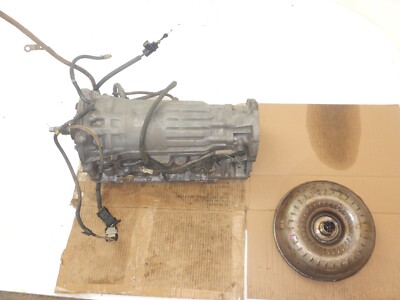
The 1996 Jeep Cherokee is a classic SUV known for its rugged design and off-road ability. One of the most common questions among owners and enthusiasts is about its transmission.
Understanding what transmission is in a 96 Jeep Cherokee can help you with repairs, upgrades, and general maintenance. This guide will break down every transmission option, detail all 96 related items, and help you identify what’s inside your vehicle.
Main Transmission Types In The 1996 Jeep Cherokee
The 1996 Jeep Cherokee came with several transmission options. These include both automatic and manual transmissions. The choices depend on the engine, trim, and whether the model is 2WD or 4WD. Here are the main types:
- AW4 Automatic Transmission (Aisin Warner)
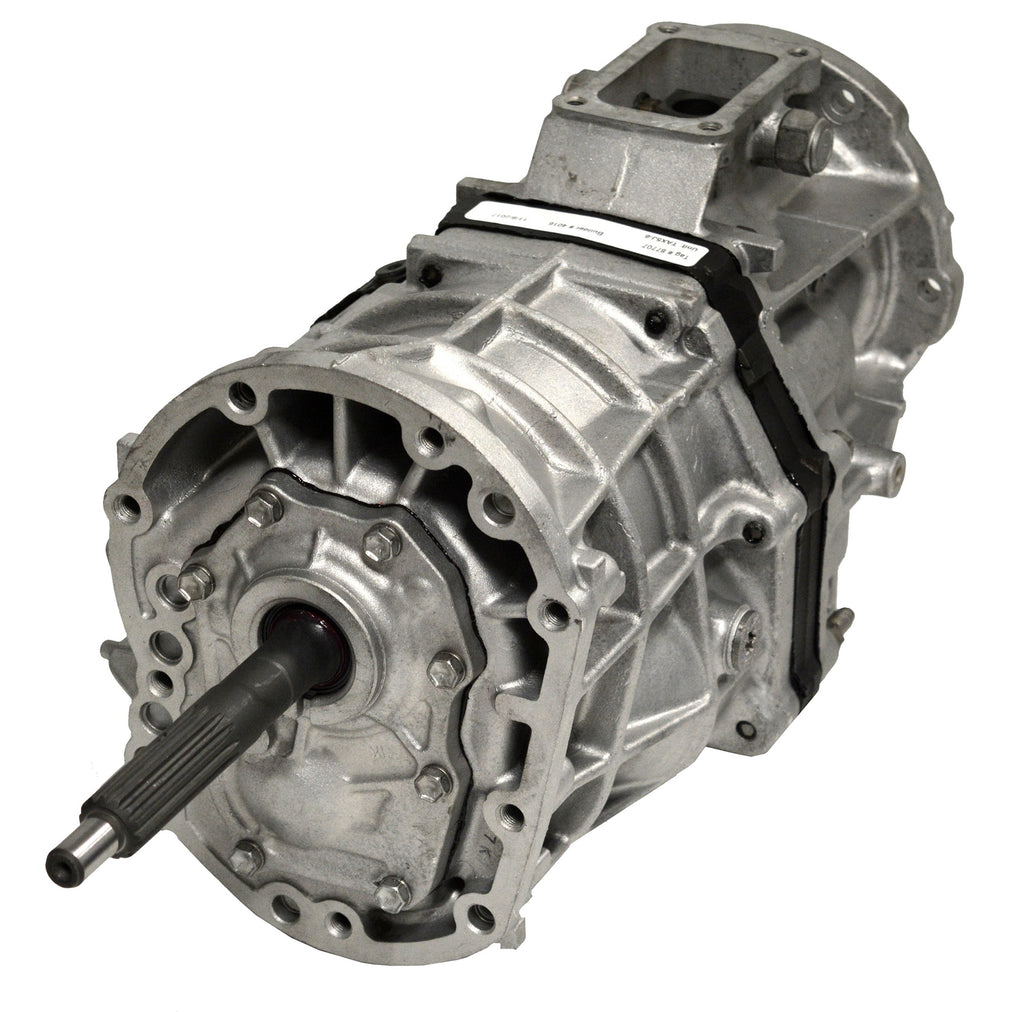
- AX15 Manual Transmission (Aisin)
- NV3550 Manual Transmission (New Venture Gear) – rare in 1996 models
- Peugeot BA10/5 Manual Transmission – mainly in older models, but worth mentioning for clarity
To cover every aspect, here are the 96 most important items related to the transmission in a 1996 Jeep Cherokee, each with a dedicated explanation:
1. Aw4 Automatic Transmission
A 4-speed automatic, commonly found with the 4. 0L inline-six engine.
2. Ax15 Manual Transmission
A 5-speed manual, more often paired with the 4. 0L engine.
3. 42re Automatic Transmission
Rare but sometimes installed in 2. 5L models.
4. 4.0l Inline-six Compatibility
Most automatics are matched with this engine.
5. 2.5l Four-cylinder Compatibility
Usually paired with manual transmissions.
6. 2wd Vs 4wd Options
Both drive types affect which transmission is installed.
7. Transmission Bellhousing
Connects the transmission to the engine; different for each engine type.
8. Shift Linkage
Transfers movement from the gear shifter to the transmission.
9. Transmission Mount
Secures the transmission to the frame.
10. Torque Converter
Found in automatics, connects the engine to the transmission.
11. Clutch Assembly
Found in manuals, allows gear changes.
12. Transmission Pan
Holds transmission fluid in automatics.
13. Fluid Type (atf+4)
AW4 uses this specific transmission fluid.
14. Fluid Capacity
AW4 holds about 8. 5 quarts total.
15. Transmission Filter
Removes debris from the fluid.
16. Transmission Cooler
Helps control fluid temperature.
17. Output Shaft
Connects to the driveshaft.
18. Driveshaft Yoke
Joins the driveshaft and transmission.
19. Speed Sensor
Measures vehicle speed for shifting.
20. Overdrive Function
AW4 has overdrive for highway fuel savings.
21. Gear Ratios
AW4: 1st (2.804), 2nd (1.531), 3rd (1.000), 4th (0.705).
22. Transmission Control Module (tcm)
Manages shifting in automatics.
23. Neutral Safety Switch
Prevents starting in gear.
24. Reverse Light Switch
Turns on reverse lights in manuals.
25. Synchros
Help manuals shift smoothly.
26. Shift Forks
Move gears inside manuals.
27. Input Shaft
Connects to clutch or torque converter.
28. Output Speed Sensor
Used for shift timing.
29. Transmission Crossmember
Structural support for the transmission.
30. Shift Pattern
AW4: PRND21; AX15: standard H-pattern.
31. Transmission Dipstick
Used to check automatic fluid.
32. Transmission Gasket
Seals fluid in the pan.
33. Throttle Position Sensor
Affects shift points in automatics.
34. Transmission Lines
Carry fluid to the cooler.
35. Flexplate
Connects engine to torque converter.
36. Transmission-to-transfer Case Adapter
Joins transmission and transfer case.
37. Transfer Case
AW4 usually paired with NP231 or NP242 transfer case.
38. Transfer Case Shifter
Lets you select 2WD or 4WD.
39. Shift Knob
User interface for gear changes.
40. Shift Boot
Protects the shift lever.
41. Transmission Mount Bolts
Secure the mount to the frame.
42. Bellhousing Bolts
Attach transmission to engine.
43. Pilot Bearing
Supports input shaft in manuals.
44. Throw-out Bearing
Used in manual clutch operation.
45. Clutch Master Cylinder
Transfers pedal force in hydraulic clutches.
46. Clutch Slave Cylinder
Moves throw-out bearing.
47. Transmission Fluid Cooler Lines
Found in automatics.
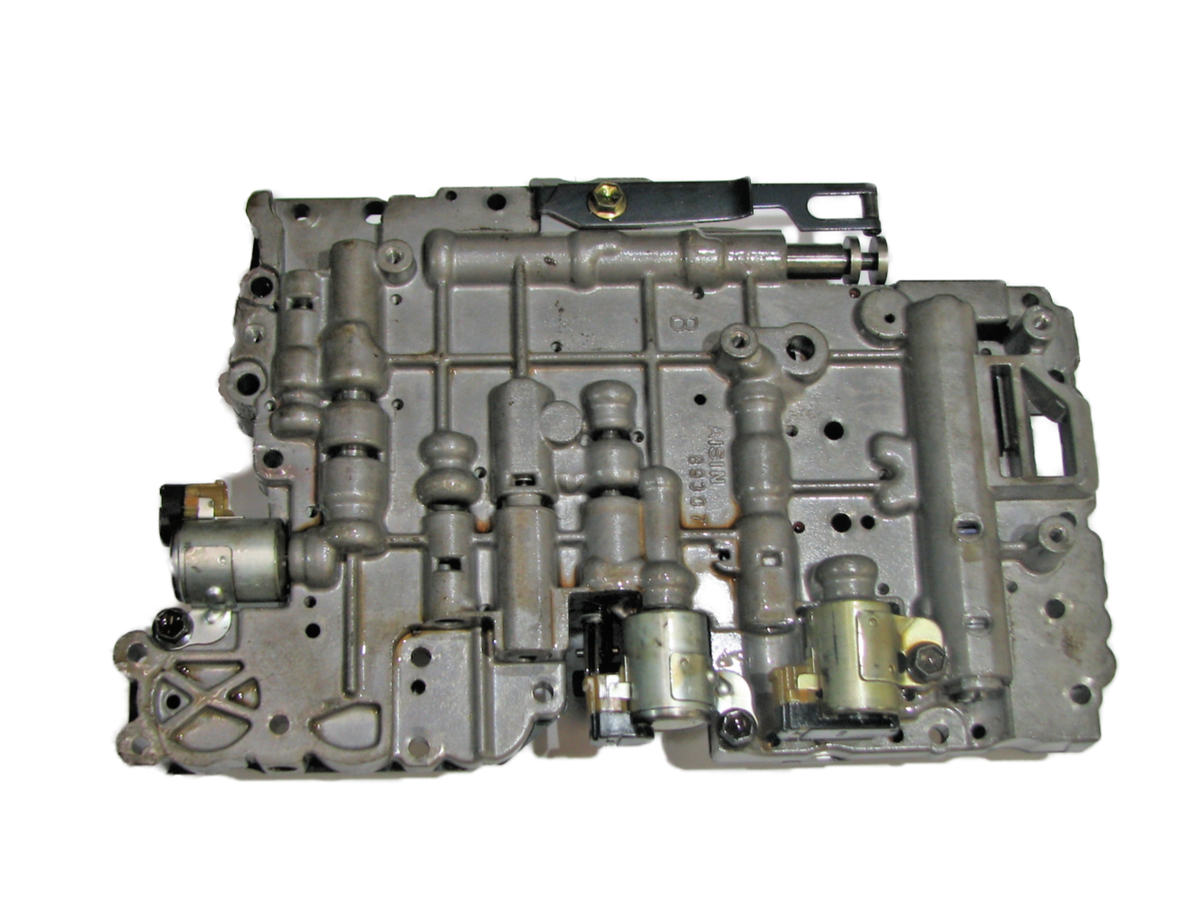
48. Aw4 Solenoids
Control internal shifting.
49. Transmission Rebuild Kit
Includes seals and gaskets.
50. Transmission Cooler Fittings
Connect lines to radiator.
51. Transmission Range Sensor
Reports gear position.
52. Valve Body
Controls hydraulic flow in automatics.
53. Transmission Harness
Electrical wiring for sensors.
54. Manual Shifter Bushings
Reduce play in the shift lever.
55. Shift Interlock
Prevents shifting without brake.
56. Kickdown Cable
Controls downshifts in some automatics.
57. Gear Selector Cable
Connects shifter to transmission.
58. Transmission Case
Main housing structure.
59. Seals And O-rings
Prevent leaks.
60. Transmission Breather
Prevents pressure build-up.
61. Transmission Mount Insulator
Reduces vibration.
62. Transmission Cooling Fan
Rare, but sometimes added for towing.
63. Reverse Gear
Lowest gear for backing up.
64. First Gear Ratio
AW4: 2.804.
65. Second Gear Ratio
AW4: 1.531.
66. Third Gear Ratio
AW4: 1.000.
67. Fourth Gear Ratio
AW4: 0.705 (overdrive).
68. Transmission Identification Tag
Metal tag with code.
69. Transmission Serial Number
Unique to each unit.
70. Transmission Dipstick Tube
Where fluid is added/checked.
71. Transmission Pan Bolts
Secure pan to transmission.
72. Transmission Fluid Drain Plug
Not always present.
73. Transmission Inspection Cover
Covers the bellhousing opening.
74. Output Shaft Seal
Prevents leaks at driveshaft.
75. Input Shaft Seal
Prevents leaks at engine side.
76. Transmission Mount Bracket
Attaches mount to frame.
77. Overdrive Off Switch
Disables overdrive on AW4.
78. Transmission Oil Cooler
In radiator or external.
79. Transmission Shift Cable Bracket
Holds cable in place.
80. Electronic Governor
Controls shift points.
81. Line Pressure Sensor
Monitors fluid pressure.
82. Transmission Clutch Packs
In automatics, control gear changes.
83. Transmission Bands
Help with gear holding in automatics.
84. Valve Body Gasket
Seals valve body.
85. Transmission Spacer Plate
Between engine and transmission.
86. Transmission Wiring Connector
Links to vehicle wiring.
87. Transmission Case Vent
Prevents overheating.
88. Manual Transmission Fill Plug
For adding fluid.
89. Manual Transmission Drain Plug
For removing fluid.
90. Transmission Rebuild Manual
Reference for repairs.
91. Transmission Shift Kit
Aftermarket upgrade.
92. Transmission Shift Indicator
Displays gear position.
93. Transmission Fluid Temperature Sensor
Prevents overheating.
94. Transmission Cooler Bypass Valve
Regulates flow in cold weather.
95. Transmission Output Flange
Connects to driveshaft.
96. Transmission Service Interval
Change fluid every 30,000–60,000 miles.
Comparing Aw4 And Ax15 Transmission Features
Here’s a look at how the two most common transmissions compare:
| Feature | AW4 Automatic | AX15 Manual |
|---|---|---|
| Speeds | 4 | 5 |
| Fluid Type | ATF+4 | 75W-90 Gear Oil |
| Common Engine | 4.0L I6 | 4.0L I6 |
| Shift Control | Electronic | Manual |
Identifying Your Jeep Cherokee’s Transmission
If you’re not sure which transmission your 1996 Cherokee has, check:
- Shift Pattern: Automatics have PRND21; manuals have the H-pattern.
- Transmission Tag: Look for a metal tag on the side of the transmission.
- Owner’s Manual: Lists the original equipment.
- VIN Decoder: Use the VIN to find factory specs.
- Physical Appearance: Automatics are bulkier and have a dipstick; manuals are slimmer.
Common Problems And What To Watch Out For
The AW4 is known for reliability, but solenoid failure and fluid leaks can occur. The AX15 manual can develop synchro wear, making it hard to shift. Regular maintenance, like changing fluid, is key. Don’t ignore early signs such as hesitation, hard shifting, or leaking fluid.
Practical Tips For Owners
- Use only the recommended fluid type.
- Change transmission fluid and filter regularly.
- If towing, consider adding a transmission cooler.
- For off-roading, keep an eye on seals and vents to avoid water entry.