Choosing the right light bar for your Jeep can completely change your driving experience. But with so many sizes available, how do you know which one fits your needs best?
Whether you use your Jeep for off-roading, night driving, or just want to improve visibility, the size of your light bar matters more than you might think.
You’ll discover how to pick the perfect light bar size that matches your Jeep and your lifestyle.
Keep reading to find out what size light bar will give you the brightest, safest ride every time.
Choosing Light Bar Length
Choosing the right light bar length is key for your Jeep’s lighting setup. The size affects how much light you get and where you can install it. A light bar too big might not fit well. Too small, and it may not light enough of the road or trail. Think about your Jeep’s size and how you plan to use the light bar. This helps you pick a length that works best for your needs.
Popular Light Bar Sizes
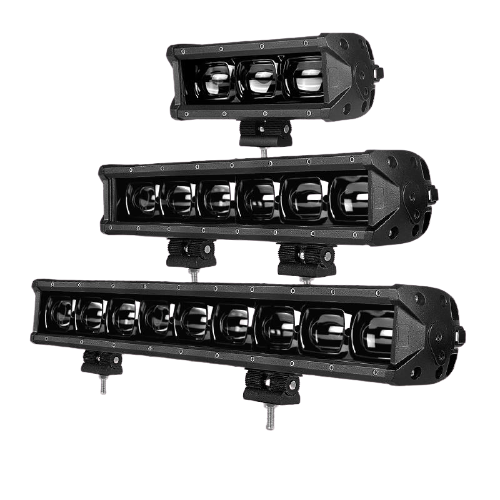
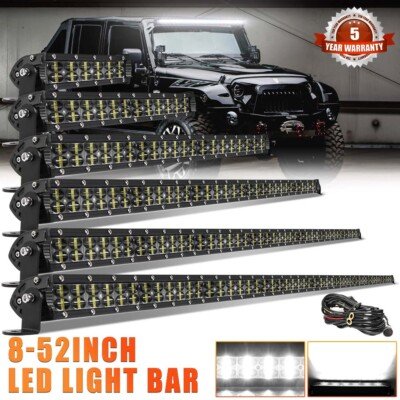
Light bars come in many sizes. Common lengths include 10, 20, 30, and 40 inches. Smaller bars, like 10 or 20 inches, fit tight spaces. They offer focused light for close range. Larger bars, such as 30 or 40 inches, spread light wider. These are great for off-road trips or dark roads. Choose a size that matches your Jeep and driving style.
Jeep Models And Compatible Lengths
Different Jeep models handle light bars differently. The Jeep Wrangler, known for its off-road use, fits well with 20 to 30-inch bars. Jeep Cherokee and Grand Cherokee often suit 30 to 40-inch light bars. Smaller Jeeps may struggle with very large bars. Measure your Jeep’s mounting area before buying. Check roof racks or bumper space for the best fit.
Credit: jeepwranglerheadlights.com
Brightness And Beam Patterns
Choosing the right light bar for your Jeep means understanding brightness and beam patterns. These two factors affect how far and wide your light spreads. Good light helps you see better on dark roads and rough trails. how beam types and brightness levels work for Jeep light bars.
Spot Vs Flood Beams
Spot beams focus light into a narrow path. They shine far ahead and cut through darkness. Use spot beams for seeing long distances on open roads.
Flood beams spread light over a wide area. They brighten the space around your Jeep. Flood beams work well in tight trails or campsites. Some light bars combine both for balanced lighting.
Lumens And Visibility
Lumens measure the total amount of light a bar produces. Higher lumens mean brighter light. Bright light improves visibility in dark or foggy conditions.
Too much brightness can blind other drivers. Choose a light bar with enough lumens for safety and clear vision. Match brightness to your driving needs and environment.
Mounting Options For Jeeps
Choosing the right light bar size for your Jeep is important. Equally important is picking the best mounting option. The mount affects the light bar’s height, angle, and stability. It also changes how your Jeep looks and works at night. Different mounts fit different needs and styles. common mounting options for Jeeps.
Roof Mounts
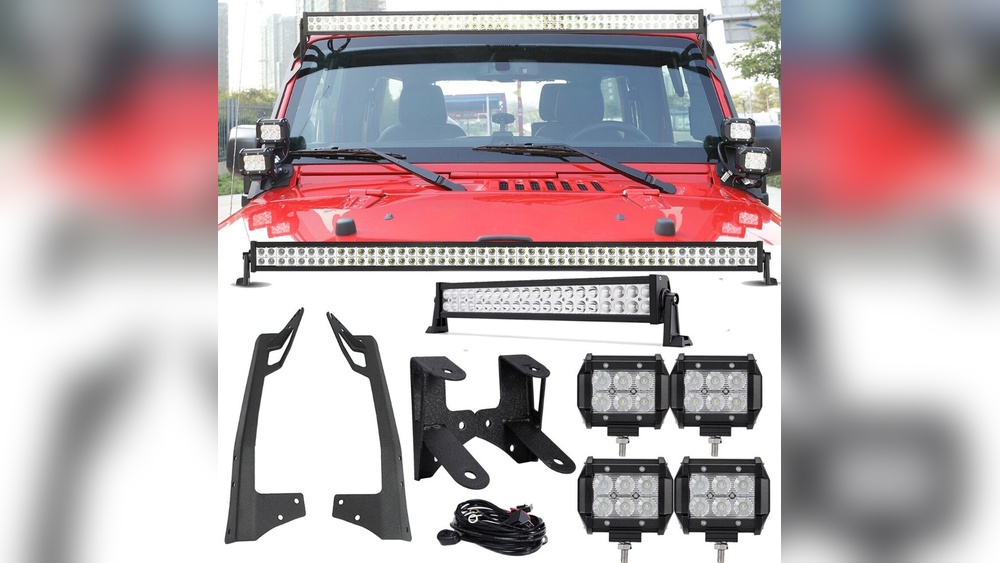
Roof mounts place the light bar on top of the Jeep. This spot gives the widest light spread. It helps see far and wide off-road. Roof mounts need strong brackets for support. They keep the light steady on rough trails. The height can catch wind or low branches. Roof mounts suit bigger light bars for more brightness.
Bumper Mounts
Bumper mounts fix the light bar on the front bumper. This position is lower than the roof. It shines light straight ahead, good for trail driving. Bumper mounts are easier to install. They protect the light bar from damage by placing it low. Smaller light bars fit best here. Bumper mounting keeps the Jeep looking tough and clean.
Grille Mounts
Grille mounts attach the light bar inside or above the grille. This spot is close to the Jeep’s center. It gives a focused beam without raising height too much. Grille mounts work well for medium-sized light bars. They keep the front neat and balanced. This mount protects the light bar from wind and debris better than roof mounts.
Power Requirements And Wiring
Choosing the right light bar size for your Jeep means understanding power needs and wiring. Light bars draw a lot of power. Improper wiring or weak power sources can cause problems. This section explains what your Jeep needs to run the light bar safely and well.
Battery And Alternator Considerations
Your Jeep’s battery must supply enough power for the light bar. Bigger light bars need more amps. A weak battery may fail or drain quickly. The alternator charges the battery while driving. It must handle the extra load from the light bar.
Check the light bar’s amp draw. Compare it with your battery’s output and alternator’s capacity. Upgrading the alternator might be necessary for large or multiple light bars. A strong battery and alternator keep lights bright and prevent electrical issues.
Switches And Relays Setup
Switches control the light bar on and off. Use switches rated for the light bar’s current. Cheap switches can melt or fail. Relays act as remote switches. They let the light bar draw power directly from the battery. This protects the switch and wiring.
Install a relay close to the battery. Connect the relay to the switch inside the Jeep. Use proper wiring size to avoid voltage drop. Fuse the circuit near the battery for safety. This setup ensures your light bar works well and lasts longer.
Legal And Safety Considerations
Choosing the right size light bar for your Jeep is not just about style or brightness. Safety and legal rules matter a lot. Using a light bar that is too big or too bright can cause problems on the road. It can blind other drivers or even get you a fine. Knowing the rules and how to use the light bar safely keeps you and others safe.
Road Regulations By Region
Different places have different rules for light bars. Some areas allow only small light bars. Others limit the brightness or color. Some regions require the light bar to be off on public roads. Always check local laws before installing a light bar. Following these rules avoids fines and legal trouble.
Avoiding Glare And Distractions
Bright light bars can cause glare for other drivers. Glare reduces visibility and can cause accidents. Position the light bar carefully to avoid shining into other cars. Use covers or shields if needed. Turn off extra lights on the road. Safe use means less distraction and better driving for everyone.
Credit: www.ebay.com
Durability And Weather Resistance
Durability and weather resistance are key for any light bar on a Jeep. These vehicles face rough trails, mud, rain, and dust. A light bar must handle these conditions without failing. Choosing a durable and weather-resistant model means long-lasting performance. It also protects your investment from damage.
Waterproof Ratings
Waterproof ratings show how well a light bar resists water. Ratings like IP65, IP67, and IP68 are common. IP65 stops water jets, good for rain and splashes. IP67 protects against temporary water drops and mud. IP68 resists full immersion in water. Pick a rating that fits your Jeep’s environment. Higher ratings mean better protection in wet conditions.
Shock And Vibration Resistance
Jeeps face bumps and rough roads often. Shock and vibration resistance keep the light bar working. Strong materials and solid mounting help absorb shocks. Some light bars use rubber seals and tough housings. These prevent damage from constant shaking. This feature keeps the lights bright and steady on any trail.
Budgeting For Light Bars
Choosing the right light bar for your Jeep means planning your budget carefully. Light bars come in many sizes and prices. Your budget helps narrow down the best options. Spend wisely to get good light and durability. Cheap bars may save money now but cost more later. Quality matters for safety and performance.
Cost Vs Quality
Low-cost light bars often use cheaper materials. They may break or dim faster than better models. High-quality bars use strong materials and bright LEDs. These last longer and give better light on trails. Sometimes spending a little more saves money over time. Think about how often you use your Jeep. Frequent use means a better bar is worth it.
Long-term Value
Good light bars need less fixing or replacing. They keep working well in rain, mud, and dust. Cheap bars may fail in tough conditions. A reliable bar improves your Jeep’s look and safety. Look for brands with good reviews and warranties. A smart buy today means fewer problems and expenses later.

Credit: www.trailfx.com
<!– wp:rank-math/faq-block {"questions":[{"id":"faq-question-b83387c4797c","title":"What Size Light Bar Fits Best On A Jeep?","content":"A 20 to 30-inch light bar suits most Jeep models. This size balances brightness and mounting ease. It offers good road coverage without overwhelming the vehicle’s front end.
“,”visible”:true},{“id”:”faq-question-39cbf263f50d”,”title”:”How To Choose The Right Light Bar Length?”,”content”:”Consider your Jeep’s bumper width and mounting options. Match the light bar length to these dimensions for proper fit. Also, factor in desired brightness and beam pattern.
“,”visible”:true},{“id”:”faq-question-ee6e4b2e3ca7″,”title”:”Are Bigger Light Bars Better For Off-roading?”,”content”:”Not always. Larger bars provide more light but add weight and wind resistance. Choose a size that fits your Jeep and off-road needs comfortably.
“,”visible”:true},{“id”:”faq-question-8a24b039127b”,”title”:”Can I Install Multiple Light Bars On A Jeep?”,”content”:”Yes, many Jeep owners install both front and rear light bars. Just ensure your vehicle’s electrical system supports the added power draw safely.
“,”visible”:true}]} –>What Size Light Bar Fits Best On A Jeep?
A 20 to 30-inch light bar suits most Jeep models. This size balances brightness and mounting ease. It offers good road coverage without overwhelming the vehicle’s front end.
How To Choose The Right Light Bar Length?
Consider your Jeep’s bumper width and mounting options. Match the light bar length to these dimensions for proper fit. Also, factor in desired brightness and beam pattern.
Are Bigger Light Bars Better For Off-roading?
Not always. Larger bars provide more light but add weight and wind resistance. Choose a size that fits your Jeep and off-road needs comfortably.
Can I Install Multiple Light Bars On A Jeep?
Yes, many Jeep owners install both front and rear light bars. Just ensure your vehicle’s electrical system supports the added power draw safely.
Conclusion
Choosing the right light bar size for your Jeep improves safety and style. Smaller bars fit well on the roof or bumper for focused light.
Larger bars give wide, bright coverage on dark trails. Match the size to your Jeep's use and space available.
Think about where you drive most often and what light you need. Proper size means better vision without blinding others.
A good light bar helps you see clearly at night. Take time to pick the best fit for your Jeep.
Your night drives will feel safer and more confident.