If you own a Jeep Wrangler, you know how important it is to keep your vehicle running smoothly. One key factor is choosing the right oil. The oil you use affects engine life, performance, and even fuel economy. But with so many options on the market, picking the best oil for your Jeep Wrangler can be confusing, especially if you’re not a car expert.
This article explains everything you need to know, from recommended oil types to real-world advice and mistakes to avoid. Let’s make sure your Jeep stays strong on and off the road.
Why Oil Matters For Jeep Wrangler
Your Jeep Wrangler is built for adventure—dirt, rocks, and highways. Its engine faces tough conditions. Oil is more than just a lubricant; it:
- Reduces friction between moving parts
- Keeps the engine cool
- Prevents wear and corrosion
- Removes dirt and debris
- Improves fuel efficiency
Using the wrong oil can lead to engine damage, poor performance, or even expensive repairs. Many drivers think all oils are the same, but they’re not. Modern engines, like those in Jeep Wranglers, need oils that match their design and environment.
Recommended Oil Types For Jeep Wrangler
Different Jeep Wrangler models have different engines. The main recommended oils are:
- Synthetic Oil – Best for new models and tough driving
- Conventional Oil – Cheaper, but not ideal for extreme conditions
- Synthetic Blend – A mix of both; good for moderate climates
Popular Oil Viscosity Grades
Viscosity measures how thick or thin the oil is. The most common grades for Jeep Wranglers are:
- 5W-20 – For most newer models (2012 and up)
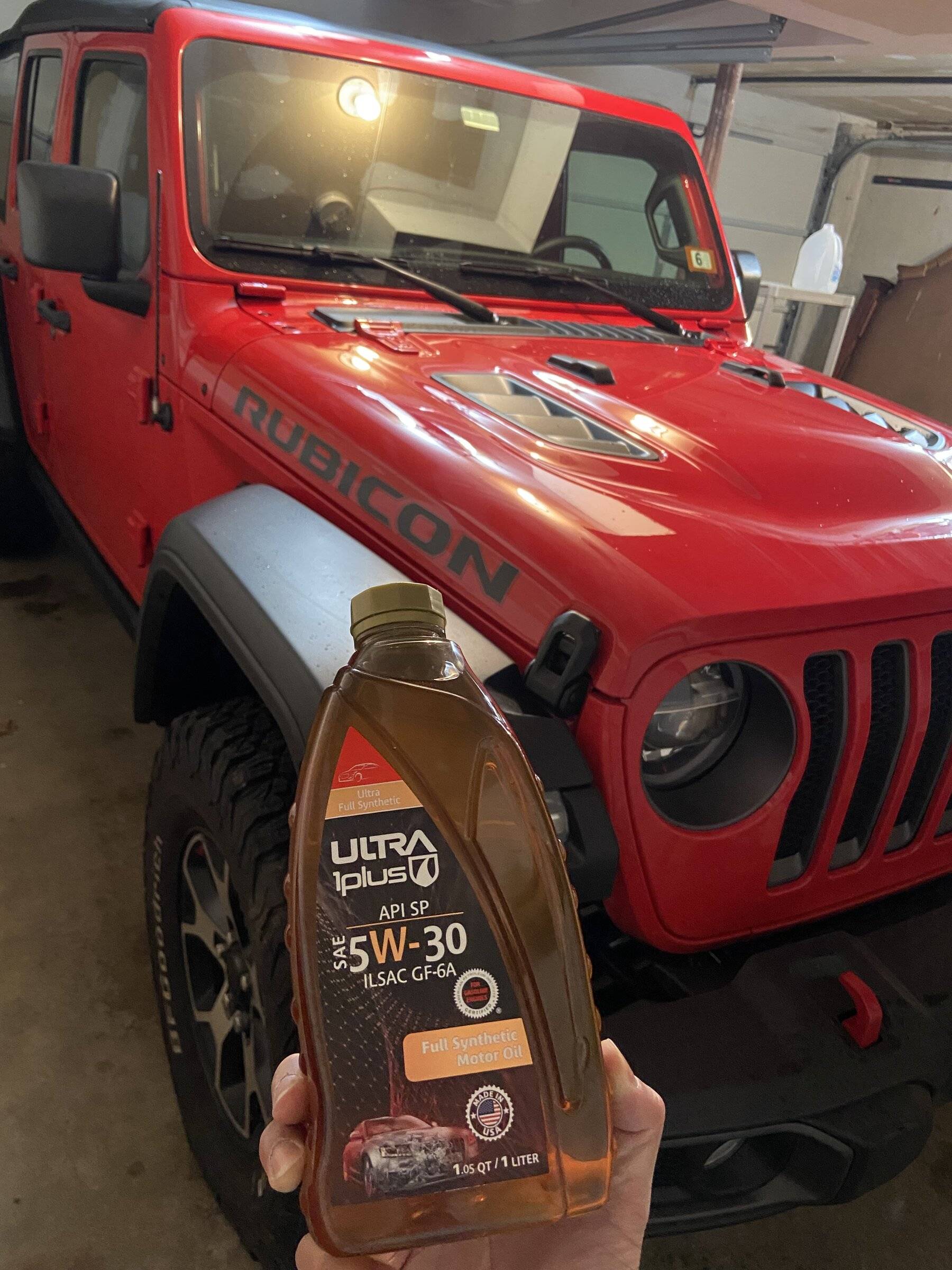
- 5W-30 – For older models and some 3.6L engines
- 0W-20 – For cold climates and new turbo engines
The first number (like 5W) shows how the oil flows in cold weather. The second number (20 or 30) shows flow at hot temperatures. Always check your owner’s manual for the correct grade.
Model Year And Engine Differences
Jeep Wranglers have used several engines:
- 2.0L Turbo (2018+): Needs 0W-20 synthetic oil.
- 3.6L Pentastar V6 (2012+): Uses 5W-20 synthetic oil.
- 3.8L V6 (2007–2011): 5W-20 or 5W-30, depending on climate.
- Older 4.0L Inline-6 (pre-2007): 10W-30 or 5W-30, conventional or synthetic.
If you’re unsure, use the oil recommended in your Jeep’s owner’s manual. Jeep is strict about oil specs for warranty reasons.
Synthetic Vs Conventional Oil: What’s Best?
Let’s compare synthetic and conventional oils for Jeep Wrangler owners:
| Feature | Synthetic Oil | Conventional Oil |
|---|---|---|
| Performance | Excellent in all conditions | Good in normal conditions |
| Engine Protection | Superior for modern engines | Basic protection |
| Change Interval | 7,500–10,000 miles | 3,000–5,000 miles |
| Cost | Higher ($8–$12/qt) | Lower ($4–$6/qt) |
| Cold/Hot Weather | Performs better | Can break down faster |
Synthetic oil is recommended for most Jeep Wranglers—especially newer models or those used in harsh conditions. It lasts longer, protects better, and handles temperature extremes. Conventional oil can work for older Jeeps or if you drive mostly in mild weather, but it needs more frequent changes.
Many owners switch to synthetic after seeing reduced engine noise, smoother performance, and better mileage. However, the price is higher. If you want the best for your Jeep, synthetic is the way to go.
Key Factors In Choosing Jeep Wrangler Oil
Not all oils are equal. Here’s what matters most:
- Viscosity: Always use the grade recommended for your engine and climate.
- API Certification: Look for oils with the API “Starburst” symbol. It meets quality standards.
- ACEA Ratings: European oils may have ACEA ratings; check compatibility.
- Additives: Good oils include detergents, anti-corrosion agents, and friction modifiers.
- Brand Reputation: Stick to trusted brands like Mobil 1, Castrol, Valvoline, and Pennzoil.
- Warranty Requirements: Using the wrong oil can void your Jeep warranty.
Here’s a quick comparison of popular oils for Jeep Wrangler:
| Brand | Type | Viscosity | Recommended For |
|---|---|---|---|
| Mobil 1 | Synthetic | 5W-20, 0W-20 | Newer models, cold/hot climates |
| Castrol Edge | Synthetic | 5W-20, 5W-30 | All models, high performance |
| Valvoline | Synthetic Blend | 5W-20 | Older models, moderate use |
| Pennzoil | Conventional/Synthetic | 5W-20, 10W-30 | Budget, older engines |
Oil Change Intervals And Maintenance Tips
Changing oil is essential for Jeep Wrangler health. Here’s what to know:
- Synthetic oil: Change every 7,500–10,000 miles, or once a year.
- Conventional oil: Change every 3,000–5,000 miles.
- Severe use: Off-roading, towing, or dusty environments? Change more often (5,000 miles for synthetic).
- Check oil level: At least once a month; more often if you drive hard.
- Use quality filters: Cheap filters can let dirt through, damaging your engine.
Some drivers forget that oil also ages over time. Even if you don’t hit the mileage, change your oil at least yearly. Neglecting oil changes is a common mistake—Jeep engines are tough, but old oil can cause sludge and wear.
Signs Your Jeep Needs An Oil Change
Watch for these warning signs:
- Engine noise: Louder than usual
- Oil color: Dark or dirty oil on the dipstick
- Low oil level: Below the safe mark
- Warning lights: Oil or check engine light
- Rough performance: Hesitation or sluggishness
Ignoring these signs can lead to engine trouble. If your Jeep sees lots of off-road use, change oil sooner.
Common Mistakes Jeep Owners Make With Oil
Many Jeep Wrangler owners—especially beginners—make these errors:
- Using the wrong viscosity: Even a small difference can harm your engine.
- Mixing oil types: Don’t mix synthetic and conventional unless it’s a blend.
- Skipping oil changes: Thinking “Jeep engines are strong” leads to neglect.
- Buying cheap oil: Low-quality oil breaks down faster, leaving deposits.
- Ignoring filter quality: A bad filter can ruin good oil.
- Not checking for leaks: Older Jeeps can leak oil, causing low levels.
One insight many beginners miss: Climate matters. Hot weather requires thicker oil; cold weather needs thinner oil. If you live somewhere with big temperature swings, ask your mechanic about seasonal changes.
Another tip: If you tow trailers or go off-road a lot, your engine works harder. Use premium synthetic oil and change it more often. Many drivers overlook this, thinking oil change intervals are fixed.
Jeep Wrangler Oil Capacities And Specs
Every Jeep Wrangler model has a different oil capacity. Here are some examples:
| Model/Engine | Oil Capacity (quarts) | Recommended Oil |
|---|---|---|
| 2.0L Turbo (2018+) | 5.0 | 0W-20 Synthetic |
| 3.6L V6 (2012+) | 6.0 | 5W-20 Synthetic |
| 3.8L V6 (2007–2011) | 6.0 | 5W-20/5W-30 |
| 4.0L Inline-6 (pre-2007) | 6.0 | 10W-30/5W-30 |
Always double-check your Jeep’s manual or consult a trusted mechanic before buying oil. Adding too much or too little oil can cause problems.
Real-world Examples: Oil Choices For Different Jeep Owners
Let’s look at how different Jeep owners pick oil:
- Daily commuter (2019 Wrangler, 3.6L V6): Uses Mobil 1 5W-20 synthetic, changes every 9,000 miles.
- Off-road enthusiast (2017 Wrangler, 3.6L V6): Chooses Castrol Edge 5W-20 synthetic, changes every 6,000 miles due to harsh use.
- Budget owner (2006 Wrangler, 4.0L Inline-6): Picks Pennzoil 10W-30 conventional, changes every 3,500 miles.
- Cold climate driver (2020 Wrangler, 2.0L Turbo): Uses Mobil 1 0W-20 synthetic for better cold starts.
These examples show there’s no one-size-fits-all answer. Your driving style, location, and Jeep model matter. Many owners use synthetic even in older Jeeps for extra protection, but conventional is fine if you stick to shorter intervals.
How To Change Oil In Your Jeep Wrangler
If you want to change the oil yourself, follow these steps:
- Warm up the engine: Makes oil flow better.
- Lift the Jeep: Use jack stands for safety.
- Remove the drain plug: Let old oil drain fully.
- Replace the oil filter: Always use a new, quality filter.
- Add new oil: Use a funnel to avoid spills; fill to the correct level.
- Check for leaks: Run the engine and check for drips.
- Dispose of old oil: Take used oil to a recycling center.
A typical oil change takes 30–40 minutes. Always wear gloves and use proper tools. If you’re unsure, ask a mechanic or check online guides.
Jeep Warranty And Oil Requirements
Jeep warranties often require that you use specific oil types and grades. If you use the wrong oil, you could lose coverage for engine repairs. Always keep records of your oil changes, including receipts and mileage. For more details, visit the official Jeep website or consult your dealership.
Recommended Resources And Further Reading
If you want to learn more, check out Jeep Owner’s Manual. It gives the most accurate oil specs for your Wrangler. Also, ask local Jeep clubs or online forums for real-world advice—they often share tips that aren’t in manuals.
Frequently Asked Questions
What Is The Best Oil For A Jeep Wrangler?
The best oil is usually full synthetic with the correct viscosity for your model and climate. For most newer Wranglers, 5W-20 or 0W-20 synthetic is recommended. Check your owner’s manual for exact specs.
Can I Use Conventional Oil In My Jeep Wrangler?
Yes, you can use conventional oil in older models, but it requires more frequent changes. Synthetic oil offers better protection and longer life, especially for newer engines or harsh driving.
How Often Should I Change The Oil In My Jeep Wrangler?
With synthetic oil, change every 7,500–10,000 miles. For conventional oil, every 3,000–5,000 miles is safer. Off-road or heavy use means shorter intervals.
Will Using The Wrong Oil Void My Jeep Warranty?
Using oil with incorrect viscosity or missing API certification can void your warranty. Always follow Jeep’s recommendations and keep records of your oil changes.
What Happens If I Mix Synthetic And Conventional Oil?
Mixing oils is not recommended. It can reduce performance and protection. Only use a synthetic blend if you want a mix. Otherwise, stick to one type.
Your Jeep Wrangler is a reliable, tough vehicle. Choosing the right oil is one of the smartest ways to protect your investment and enjoy every drive. Whether you’re commuting, exploring trails, or facing harsh weather, the right oil keeps your engine running strong.
Always check your manual, use trusted brands, and don’t skip maintenance. With good oil choices, your Jeep can handle anything the road—or the wild—throws at it.