The Willys name carries a special place in automotive history, especially among Jeep fans. But what truly makes a Jeep a Willys?
It’s more than just a badge. It’s a combination of design, engineering, legacy, and features that set Willys Jeeps apart from other models.
Whether you’re a history buff, a car enthusiast, or just curious, understanding what defines a Willys Jeep can help you appreciate why these vehicles are still admired today.
The Origin Of Willys Jeeps
The story begins in the 1940s. The US Army needed a light, tough, all-terrain vehicle for World War II. Willys-Overland won the contract with its MB model. These MB Jeeps became legends on the battlefield, known for their ruggedness and reliability.
After the war, Willys-Overland adapted the military Jeep for civilian use. This led to models like the CJ-2A and CJ-3A. The “CJ” stands for “Civilian Jeep.” These early Willys models created the foundation for the Jeep brand’s identity: adventure, utility, and durability.
Key Features That Define A Willys Jeep
When people say “Willys Jeep,” they usually mean one of these classic models, or a modern Jeep inspired by them. Here’s what sets them apart:
1. Distinctive Flat Fender Design
Original Willys Jeeps are famous for their flat fenders. This simple, squared-off design was practical—it allowed for better wheel clearance and was easy to repair in the field.
2. Simple, Rugged Construction
Willys Jeeps have a boxy body, open interior, and minimal decoration. The focus was function over form. Early models had removable canvas tops, fold-down windshields, and very few creature comforts.
3. Four-wheel Drive System
The MB and CJ models featured a real 4×4 drivetrain. This gave them excellent off-road ability, which became a defining trait for all Jeeps.
4. “go-devil” Engine
Most classic Willys Jeeps ran on the Willys L134 “Go-Devil” engine. This 2.2-liter, 4-cylinder motor produced about 60 horsepower—not much by today’s standards, but plenty for its weight.
5. Iconic Grille
The seven-slot grille started as a Willys feature before it became a Jeep trademark. This grille, combined with round headlights, is still a Jeep signature today.
6. Historical Badging
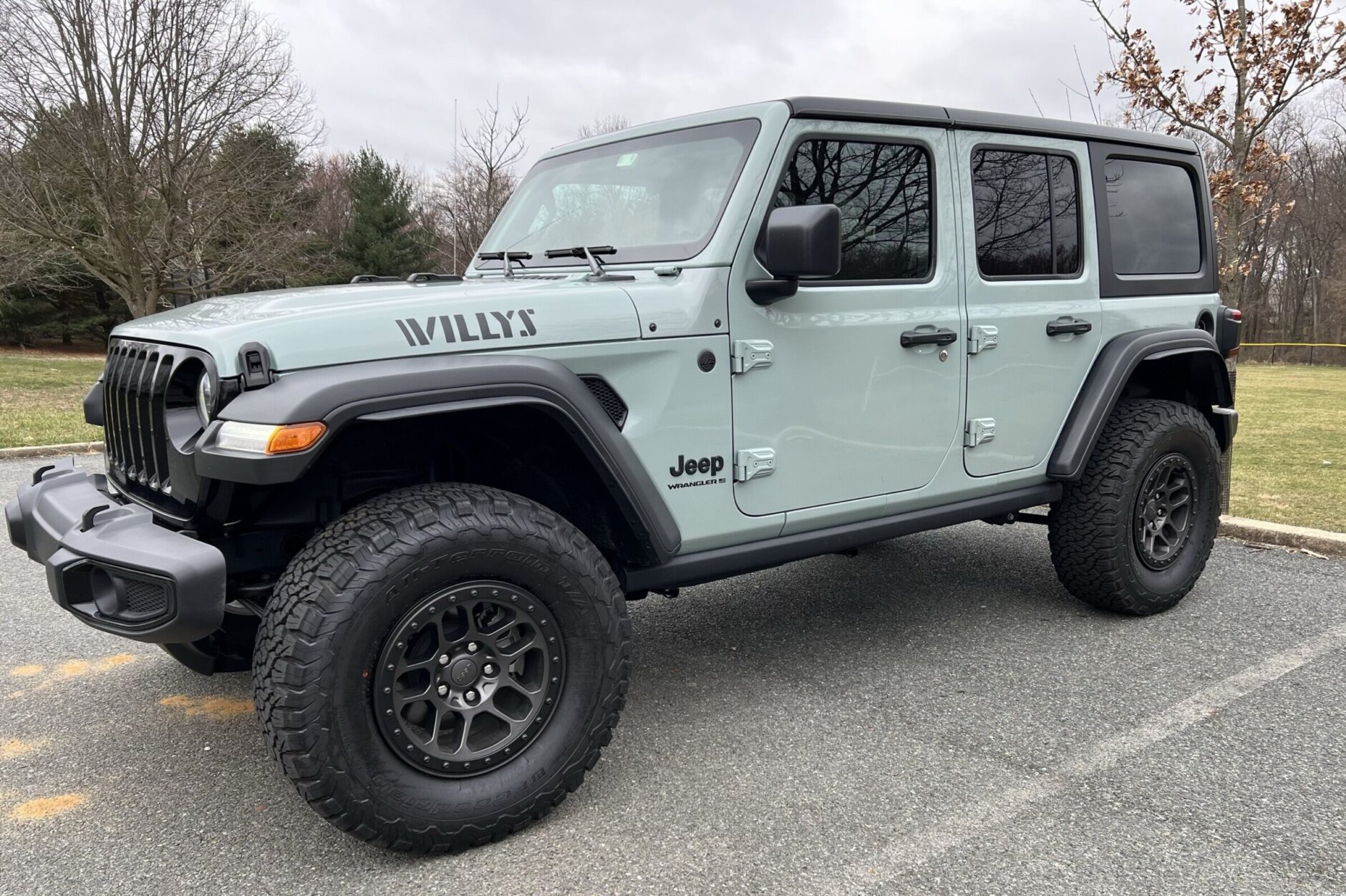
True Willys models carry unique badges, usually stamped “Willys” on the hood or tailgate. Modern Jeeps with “Willys” editions continue this tradition.
How Willys Jeeps Compare To Other Jeeps
Modern Jeeps come in many styles, but Willys editions stand out. Here’s a look at how Willys models compare to other Jeep models:
| Feature | Willys Jeep (Classic) | Modern Wrangler |
|---|---|---|
| Body Style | Flat fenders, boxy | Curved fenders, more comfort |
| Engine | 2.2L L134 “Go-Devil” | Varies (4-cyl, V6, etc.) |
| Off-Road Ability | Excellent for its time | Advanced (locking diffs, etc.) |
| Interior | Basic, little insulation | Modern, tech features |
| Heritage | Original military roots | Inspired by Willys, more refined |
The Willys Trim In Modern Jeeps
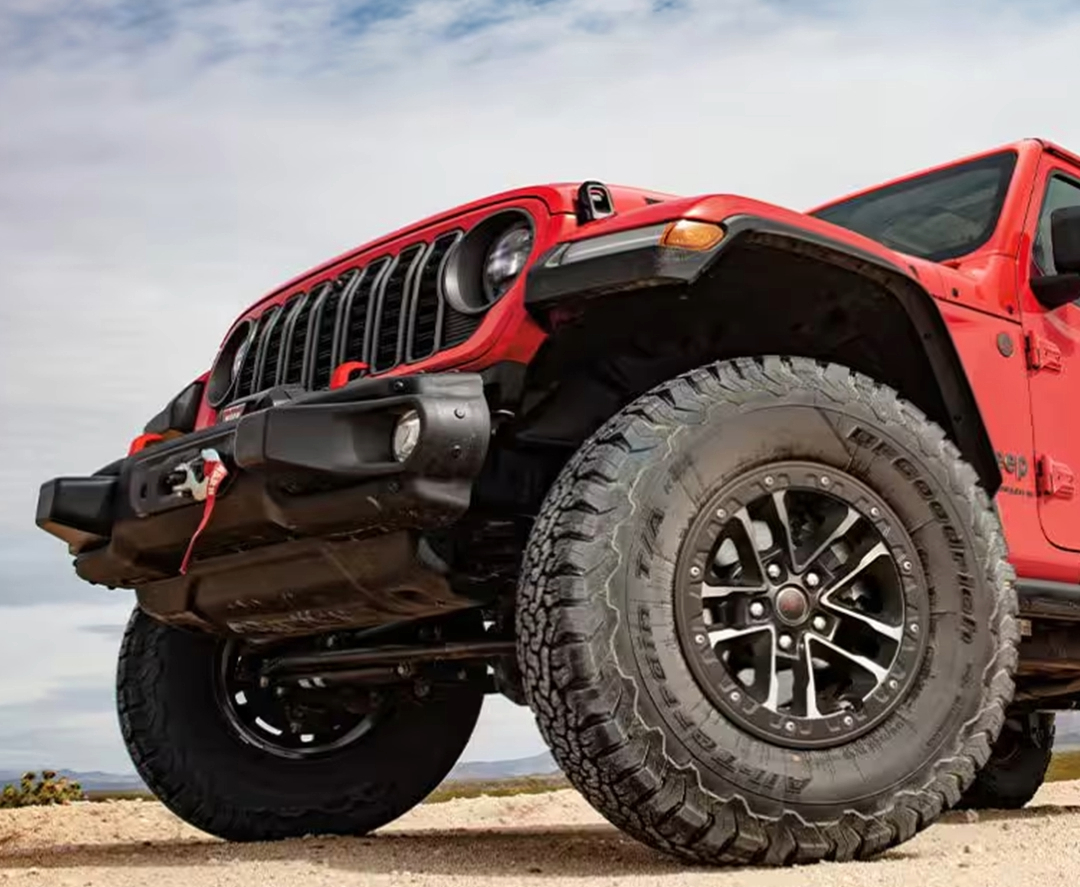
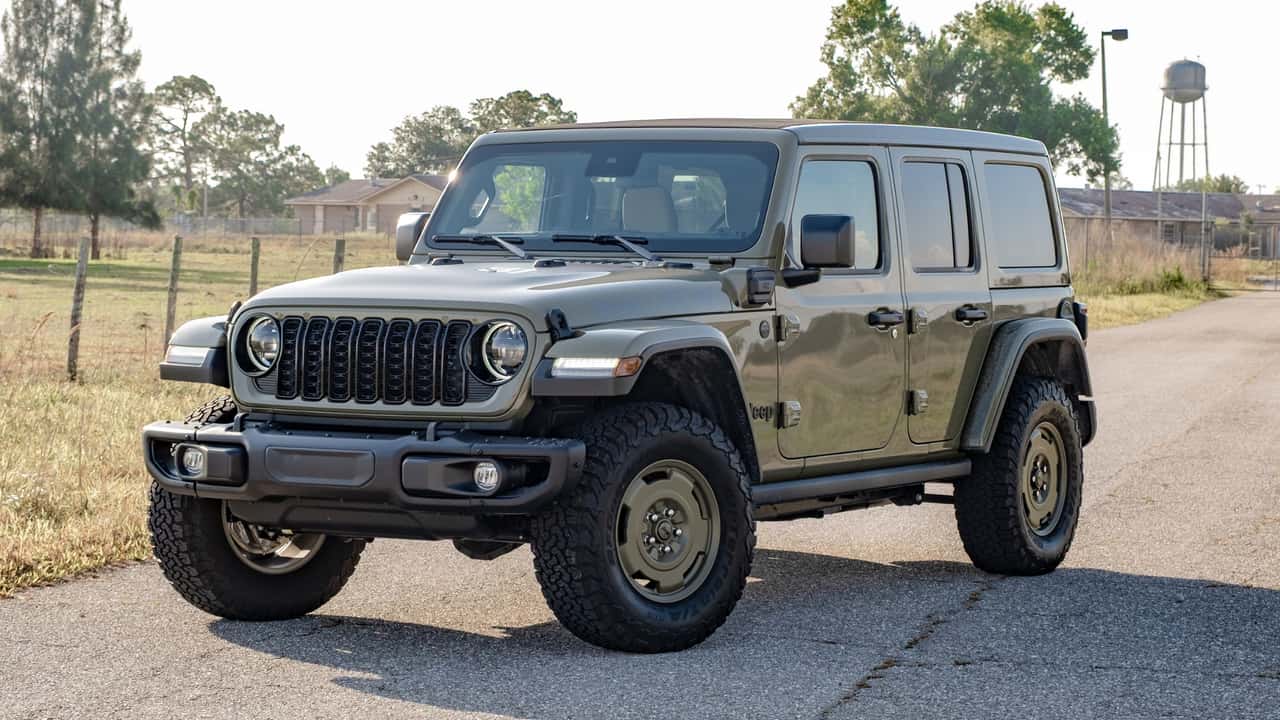
Jeep still celebrates its roots with Willys editions of the Wrangler and Gladiator. These trims combine retro looks with modern technology. What do you get with a Willys edition today?
- Special badging and decals
- Heavy-duty shocks and rock rails
- Limited-slip rear differential
- Mud-terrain tires
- Black-painted wheels and grille
Here’s how the Willys trim compares with the standard Sport trim on the Wrangler:
| Feature | Willys Edition | Sport Trim |
|---|---|---|
| Wheels | 17” black aluminum | 17” silver steel |
| Tires | 32” mud-terrain | 31” all-season |
| Suspension | Heavy-duty with shocks | Standard |
| Badging | Willys decals | None |
Common Misconceptions About Willys Jeeps
Some people think any old Jeep is a Willys. In reality, not all classic Jeeps are Willys. For example, Ford also made Jeeps for the military (the Ford GPW). The easiest way to tell is by checking the badging and serial numbers.
Another misconception is that Willys Jeeps are only for off-roading. While they are excellent off-road, many were used as farm vehicles, emergency vehicles, and even mail trucks. Their versatility is a big part of their legacy.
Two Insights Many Beginners Miss
- Not all Willys Jeeps are military models. Many believe a Willys is always a “war Jeep.” Civilian Willys (CJ models) were made for everyday use and have different features than the MB.
- Restoration value depends on originality. A Willys Jeep with original parts (engine, transmission, body panels) is far more valuable to collectors than one with lots of aftermarket modifications.
Why The Willys Name Still Matters
The Willys badge stands for innovation and reliability. It helped define what a Jeep should be: tough, simple, and able to go almost anywhere. Modern Jeeps use the Willys name to connect with this history, giving buyers a taste of the original off-road spirit with today’s safety and comfort.
Car fans, collectors, and adventurers all find something special in a Willys Jeep. Its story is part of American culture, and its influence can be seen in every Jeep on the road today. For more on Willys Jeep history, visit the Willys MB Wikipedia page.
Frequently Asked Questions
What Does The “willys” Name Mean On A Jeep?
It comes from Willys-Overland, the company that built the original military Jeep. The name became linked with rugged, reliable off-road vehicles.
How Can I Tell If My Jeep Is A Real Willys?
Look for Willys badging on the hood or tailgate. Check the serial number against historical records. Classic Willys Jeeps have unique body and engine codes.
Are Modern Willys Jeeps As Tough As The Originals?
Modern Willys editions are built for off-road, but they have more comfort and safety features. The toughness is there, but they use new technology and materials.
Why Do Willys Jeeps Have Flat Fenders?
Flat fenders gave better wheel clearance for rough terrain and made field repairs easier during the war.
Did Only Willys Make Jeeps For World War Ii?
No, Ford also made Jeeps (the GPW model) using Willys designs. However, Willys-Overland is credited with the original design and most production.
The Willys Jeep is more than just a vehicle it’s a symbol of adventure and American ingenuity. Whether you’re driving a classic or a new Willys edition, you’re part of a story that started over 80 years ago and continues today.