Buying a Jeep can feel exciting. These vehicles are known for their rugged look and off-road skills.
But not every Jeep is a smart buy. Some models have a history of problems that cost owners time and money.
If you’re thinking about buying a used Jeep or even a new one, it’s important to know which models to avoid.
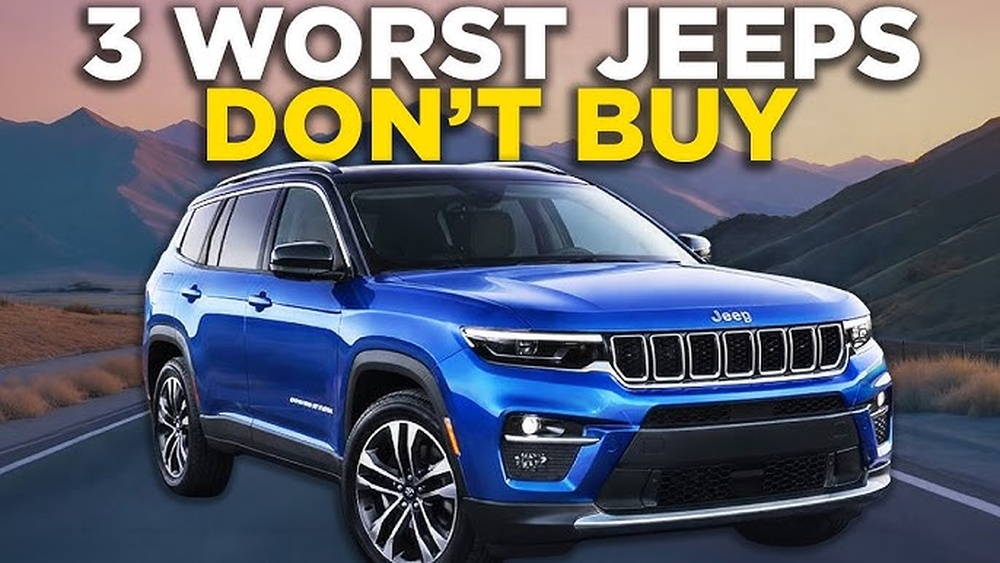
Choosing the wrong Jeep could mean more repairs, lower resale value, and daily frustrations. Let’s break down which Jeep is considered the worst to buy, why it earned this reputation, and what you should watch out for.
The Jeep Compass (2007–2010): The Most Trouble-prone Model
The 2007–2010 Jeep Compass often comes up as the worst Jeep to buy. While newer Compass models are much improved, these early years are known for their poor reliability. Many owners have reported serious issues.
Common Problems
- CVT Transmission Failure: The Compass used a continuously variable transmission (CVT) that was prone to early failure, often before 100,000 miles. Replacement can cost $3,000 or more.
- Electrical Issues: Problems with the TIPM (Totally Integrated Power Module) led to random stalling, lights failing, and even windows not working.
- Cheap Interior Materials: Owners complained about rattles, cracks, and fast wear, making the driving experience unpleasant.
- Poor Crash Test Ratings: The Insurance Institute for Highway Safety gave these models low marks, especially for side impact.
Why It Matters
Early Jeep Compass models were Jeep’s first attempt at a compact crossover. Unfortunately, cost-cutting led to a vehicle that looked tough but was far less durable than other Jeeps. Many mechanics say to avoid these years if you want to save money and headaches.
Other Noteworthy Jeep Models With Major Issues
While the Compass from 2007–2010 often gets the “worst Jeep” label, a few other models have serious problems you should know.
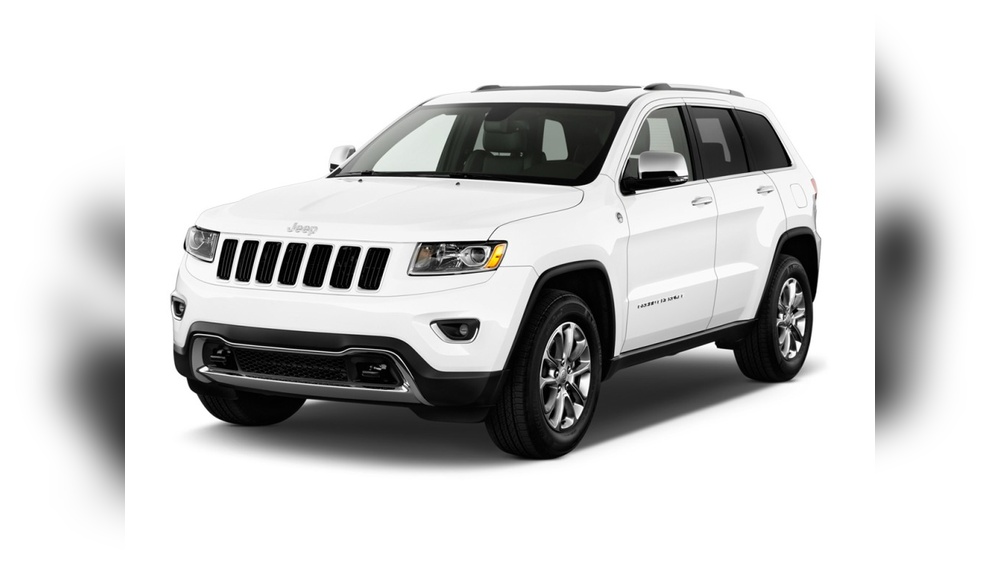
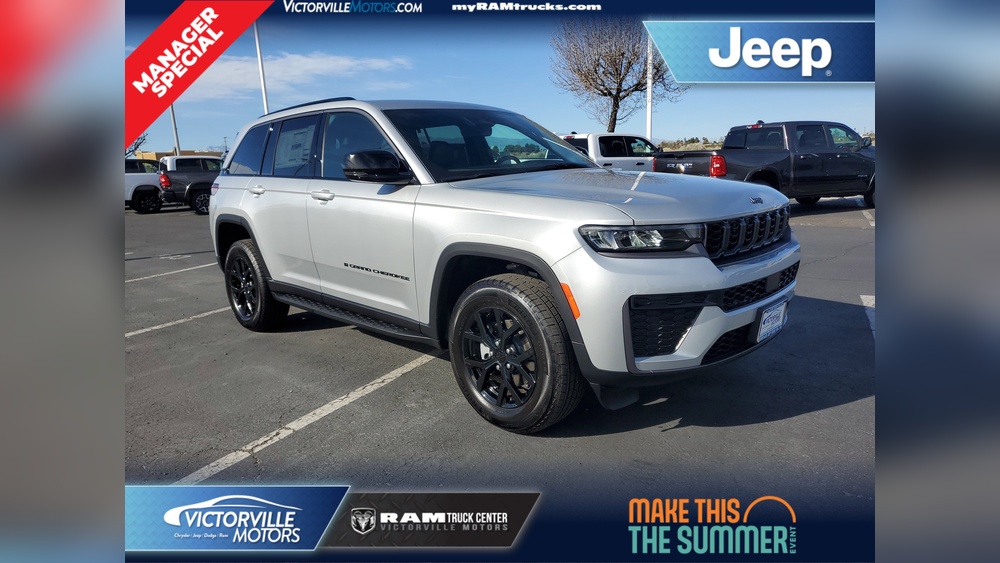
Jeep Grand Cherokee (2011–2014)
This version of the Grand Cherokee is famous for its stylish design and luxury features. But owners faced:
- Transmission problems: Jerky shifting and sudden failures.
- Electrical gremlins: The infotainment system often stopped working.
- Air suspension failure: Replacing the system can cost over $1,500.
Jeep Cherokee (2014–2015)
The Cherokee returned in 2014 with a new look and technology. However, the 9-speed automatic transmission was not ready for prime time:
- Rough shifting: Many owners felt hard jerks while changing gears.
- Software bugs: Updates often did not fix the root problems.
Jeep Wrangler (2012)
The Wrangler is an icon, but the 2012 model had a major issue:
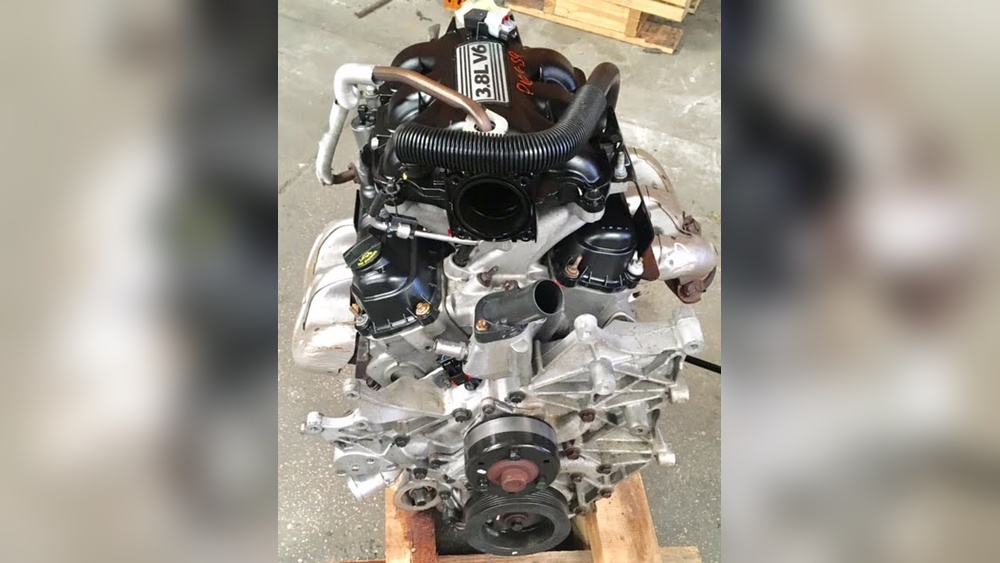
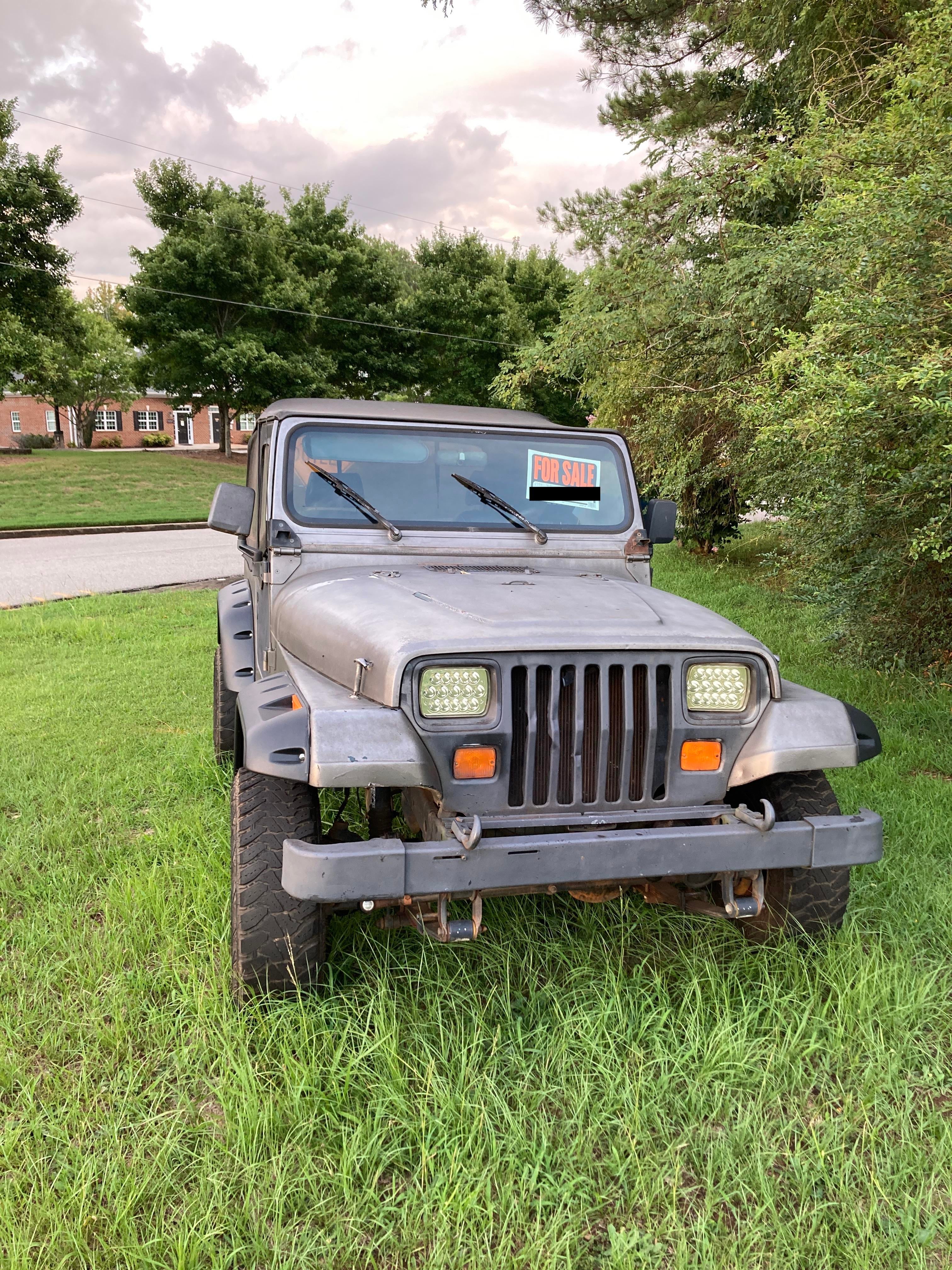
- Cylinder head failure: The 3.6L Pentastar V6 engine sometimes developed cracks, leading to expensive repairs.
Quick Comparison: Most Problematic Jeep Models
A side-by-side look at common problems:
| Model & Years | Main Issues | Repair Cost Range |
|---|---|---|
| Compass (2007–2010) | CVT, electrical, interior | $1,000–$4,000 |
| Grand Cherokee (2011–2014) | Transmission, suspension, electronics | $1,500–$5,000 |
| Cherokee (2014–2015) | Transmission, software | $1,200–$3,500 |
| Wrangler (2012) | Engine (Pentastar V6) | $2,000–$4,500 |
How To Spot A Bad Jeep Before You Buy
Not every Jeep is a risk, but you need to check carefully before buying. Here’s what helps:
- Check Vehicle History: Use services like Carfax to look for accidents, floods, or repeated repairs.
- Have a Mechanic Inspect: A trusted mechanic can spot hidden problems in the transmission, suspension, or electronics.
- Research Owner Reviews: Look for patterns of complaints, not just one-off stories.
- Avoid Early Year Models: First-year Jeeps after a redesign often have more bugs.
- Test Drive for Transmission Problems: Hesitation, jerking, or delayed shifts are bad signs.
Key Data: Jeep Reliability Compared To Other Brands
Let’s see how Jeep stacks up in reliability ratings.
| Brand | 2023 Reliability Score (J.D. Power) | Average Repair Cost (per year) |
|---|---|---|
| Jeep | 173 (Below Average) | $634 |
| Toyota | 158 (Above Average) | $441 |
| Honda | 162 (Above Average) | $428 |
Insight: Jeep’s repair costs are higher than some rivals. This is important if you want a car that’s cheap to own.
Two Common Mistakes Buyers Make
- Focusing Only on Price: Many people buy older Jeeps because they are cheap, but repairs can quickly erase any savings.
- Assuming All Jeeps Are Durable: Some Jeeps, especially the Wrangler, have a tough image, but not all models are equally strong or reliable.
What Makes A Jeep Model “the Worst”?
A Jeep gets this label when it:
- Has many expensive problems.
- Gets low reliability scores.
- Is recalled often.
- Makes owners unhappy enough to sell early.
The early Compass fits all these signs. It also shows how cost-cutting can harm a brand’s reputation.
What To Consider Instead
If you want a used Jeep, focus on models after major updates or redesigns. For example:
- Wrangler (2015 and newer): Fewer engine and transmission problems.
- Grand Cherokee (2016 and newer): Improved electronics and ride comfort.
- Cherokee (2018 and newer): More reliable 9-speed automatic.
Always check maintenance records and look for a clean title.