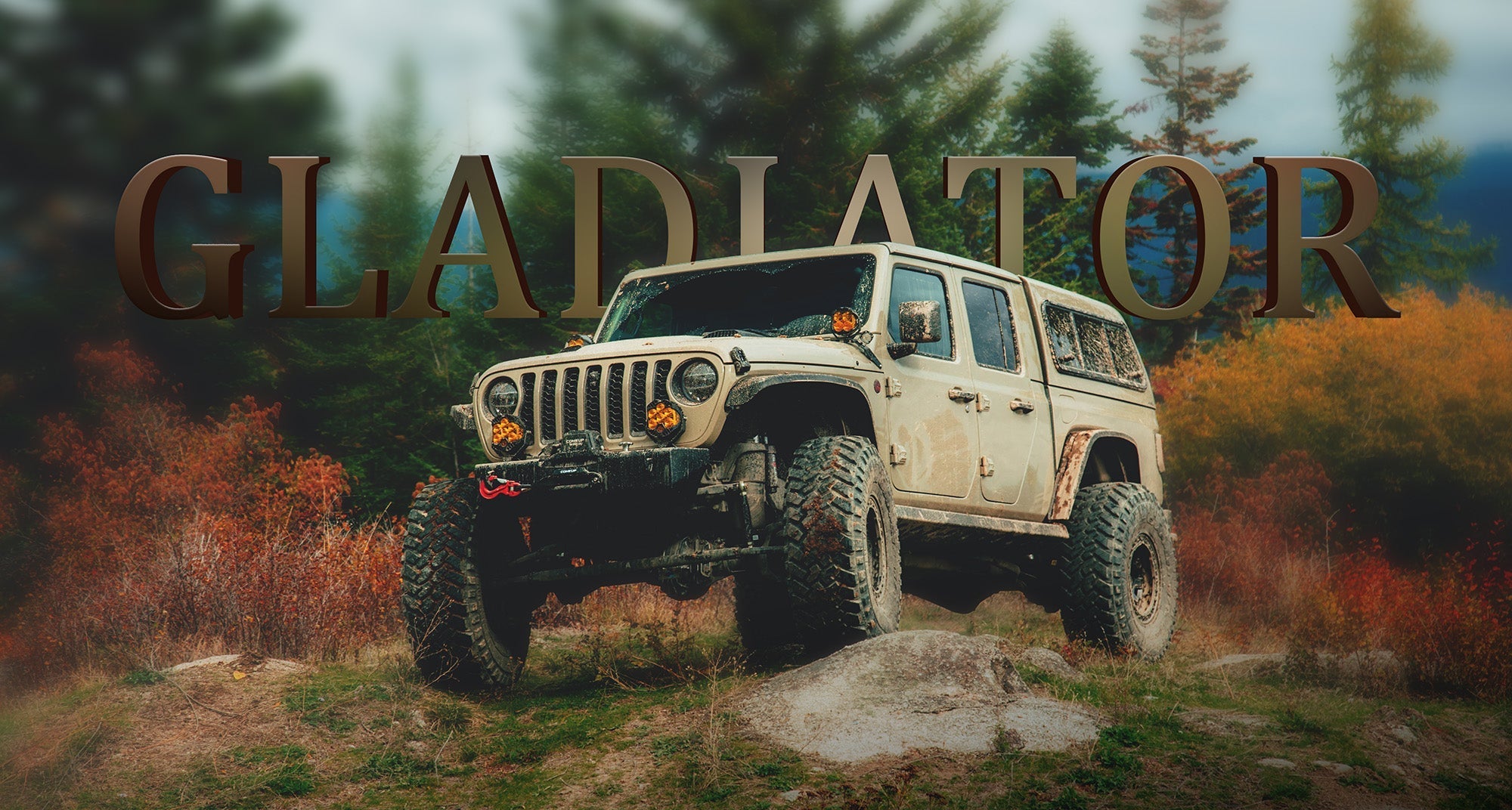
The Jeep Gladiator stands out for its rugged design and pickup utility, attracting drivers who love adventure and versatility. However, like any vehicle, it has its share of issues. If you’re considering buying or already own a Gladiator, understanding its most frequent problem can help you avoid surprises and keep your truck running smoothly.
Meta description: Discover the most common problem with the Jeep Gladiator, including symptoms, causes, repair tips, and comparison with other Jeep models.
The Most Common Problem: Transmission Issues
Owners and mechanics agree: the automatic transmission is the most reported problem with the Jeep Gladiator. This issue affects models from 2020 to 2023, especially those equipped with the 8-speed automatic gearbox. While manual transmissions are less affected, most Gladiators sold have automatics.
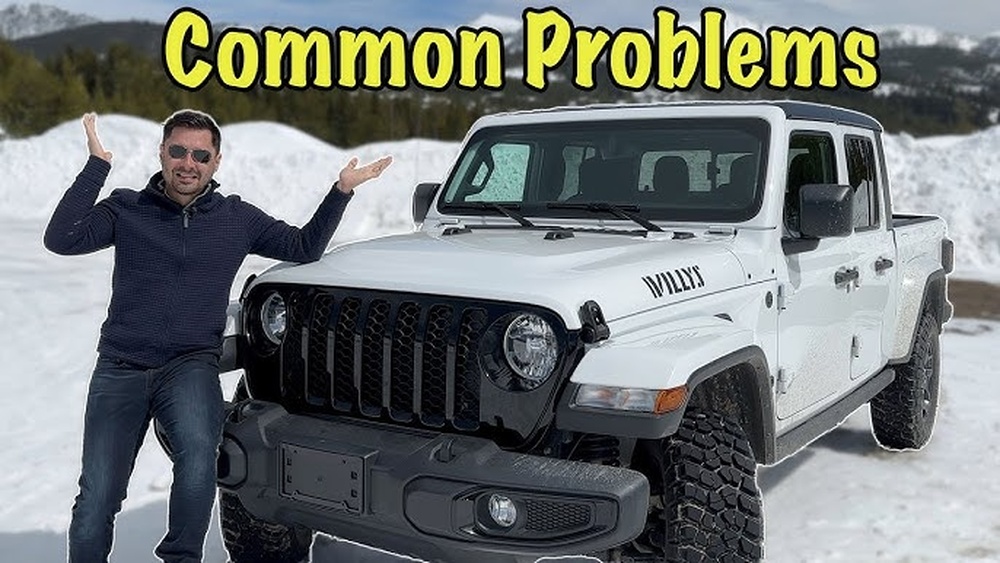
Symptoms To Watch For
Transmission trouble shows up in several ways:
- Hard shifting between gears
- Delayed engagement when shifting from park to drive or reverse
- Unexpected jerking during acceleration
- Warning lights on the dashboard
- Sometimes, a clunking noise or vibration
Causes Behind Transmission Problems
Several factors contribute to Gladiator’s transmission troubles:
- Software glitches in the transmission control module (TCM)
- Low or dirty transmission fluid
- Faulty solenoids or sensors
- Worn internal components from aggressive driving
Most issues stem from software bugs and fluid maintenance, not complete transmission failure.
Diagnosis Steps
If you notice symptoms, follow these steps:
- Check the transmission fluid level and color; it should be clear pink.
- Scan for error codes using an OBD-II scanner.
- Look for leaks under the vehicle.
- Test drive and note when issues occur (cold start, uphill, etc.)
- Visit a mechanic if problems persist.
Estimated Repair Costs
Repair costs vary depending on the cause:
- Fluid change: $150–$250
- Software update: $100–$200 (usually done at dealerships)
- Solenoid/sensor replacement: $300–$700
- Full rebuild: $2,000–$4,000 (rare for Gladiator unless neglected)
Most fixes involve software updates or fluid service, so expensive repairs are uncommon.
Gladiator Model Years Most Affected
Transmission problems are most frequent in early Gladiator models. Here’s a breakdown:
| Model Year | Transmission Issue Rate (%) | Notes |
|---|---|---|
| 2020 | 18 | Highest complaint volume |
| 2021 | 14 | Improved after software updates |
| 2022 | 9 | Fewer cases, better reliability |
| 2023 | 7 | Most issues resolved |
Comparing Gladiator To Other Jeep Platforms
Transmission concerns are not unique to the Gladiator, but they show up differently across Jeep models.
| Model | Main Problem | Transmission Issue Frequency |
|---|---|---|
| Jeep JK (Wrangler 2007–2018) | Electrical gremlins | Low |
| Jeep JL (Wrangler 2018–present) | Steering “death wobble” | Moderate |
| Jeep TJ (Wrangler 1997–2006) | Rust and frame issues | Rare |
| Jeep Gladiator (2020–present) | Transmission shifting | High |
Gladiator’s transmission is more sensitive to software and fluid than older platforms like TJ or JK.
Engine, Towing, And Safety Compatibility
The Gladiator uses the 3.6L Pentastar V6 engine, shared with JL Wranglers. Most transmission complaints are not linked to the engine itself. Gladiator’s towing capacity ranges from 4,000 to 7,650 pounds depending on trim and axle ratio.
Trim level impacts towing and features:
- Sport/Sport S: Basic equipment, lower towing
- Overland: More comfort, mid-range towing
- Rubicon: Off-road focus, highest towing with Max Tow package
Safety features include blind-spot monitoring and adaptive cruise control, standard on higher trims. Transmission issues rarely affect these systems.
Practical Tips For Owners
- Change transmission fluid every 30,000–40,000 miles, even if Jeep recommends longer intervals.
- Update software at the dealership after recall notices or complaints.
- Avoid aggressive driving and heavy towing in hot weather.
- Document issues for warranty support.
- Use OEM parts for repairs, as aftermarket parts may cause compatibility issues.
Many owners miss the importance of software updates, which can solve shifting problems without physical repair. Another common oversight is ignoring fluid changes until symptoms appear.
When To Visit A Mechanic
You should seek professional help if:
- Issues happen daily or worsen
- Warning lights stay on after restarting
- You hear loud noises or feel strong jerking
- Fluid is dark, burnt, or leaking
Delaying repairs can lead to more expensive fixes or even full transmission failure.

Frequently Asked Questions
What’s The Most Common Symptom Of Jeep Gladiator Transmission Problems?
The most frequent symptom is hard or delayed shifting between gears, especially from park to drive. Some owners also notice jerking or warning lights.
Are Transmission Issues Covered By Jeep’s Warranty?
Yes, Gladiator’s powertrain warranty covers transmission repairs for up to 5 years or 60,000 miles. Always check your warranty status before paying for repairs.
How Do Gladiator Transmission Problems Compare To Wrangler Jl Or Jk?
Gladiator’s issues are more related to software and fluid, while Wrangler JK mostly had electrical problems and JL had steering concerns. Gladiator is not prone to the infamous “death wobble.”
Can Regular Maintenance Prevent Transmission Problems?
Yes, changing fluid regularly and updating software can prevent most issues. Ignoring maintenance increases the risk of expensive repairs.
Where Can I Find Reliable Gladiator Repair Data?
For detailed statistics and recall info, visit the NHTSA website. It lists official complaints and fixes.
Internal Link Suggestions
- Jeep Gladiator maintenance guide
- How to diagnose Jeep transmission issues
- Jeep Gladiator towing capacity explained
The Jeep Gladiator remains a capable, fun truck for many drivers. By understanding its most common transmission problem and following practical tips, you can enjoy years of reliable performance. If you act quickly when symptoms appear, repairs are usually straightforward and affordable.