What makes a Jeep the best for off-road adventures? For many, a Jeep is more than a car—it's a ticket to unexplored places.
Yet, not all Jeeps perform the same when the road gets rough. If you want to drive through mud, rocks, or sand, you need a Jeep that matches your goals and skill level.
In this article, you’ll discover what really matters when choosing the best Jeep for off-road, which models stand out, and how to avoid common mistakes first-time buyers make.
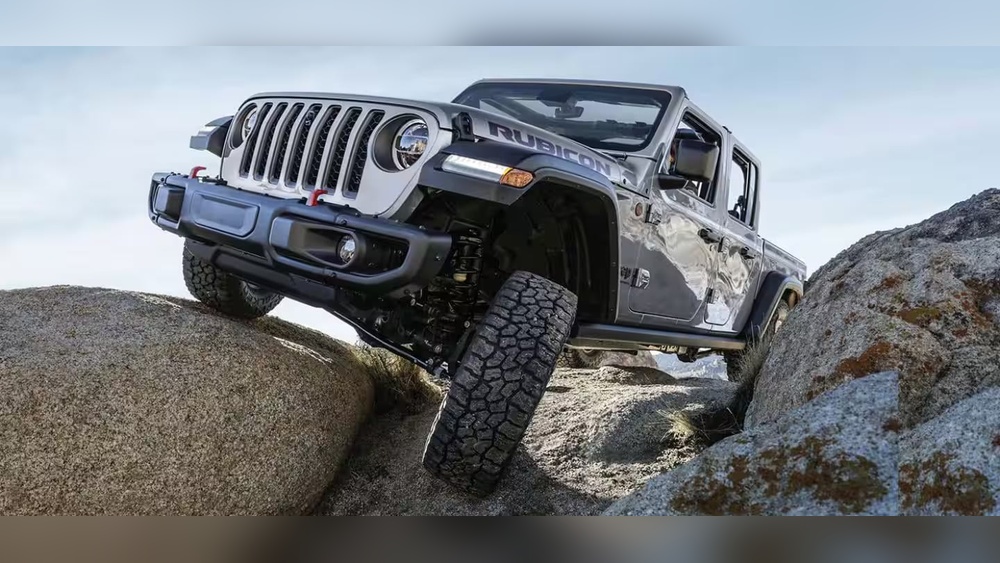
What Makes A Jeep Great For Off-road?
Not every Jeep model is built for rugged terrain. Some are made for city driving, while others are true off-road machines. Here are the most important features to look for:
- 4×4 drivetrain: Essential for power to all wheels.
- Ground clearance: More height means you can pass over rocks and ruts.
- Approach and departure angles: These decide how steep a hill you can climb or descend without scraping.
- Locking differentials: Help keep your wheels moving, even if one slips.
- Tire options: Bigger, knobbier tires grip better off-road.
- Skid plates: Protect the underbody from rocks and debris.
Many beginners forget about water fording depth. If you cross streams, check how deep your Jeep can go without damage. Another overlooked detail is aftermarket support—the best off-road Jeeps have many upgrade options.
Top Jeep Models For Off-road
Three Jeep models consistently win praise among off-road fans. Let’s compare their key specs and features.
| Model | Ground Clearance | Approach Angle | Departure Angle | 4×4 System |
|---|---|---|---|---|
| Wrangler Rubicon | 10.8 inches | 44° | 37° | Rock-Trac |
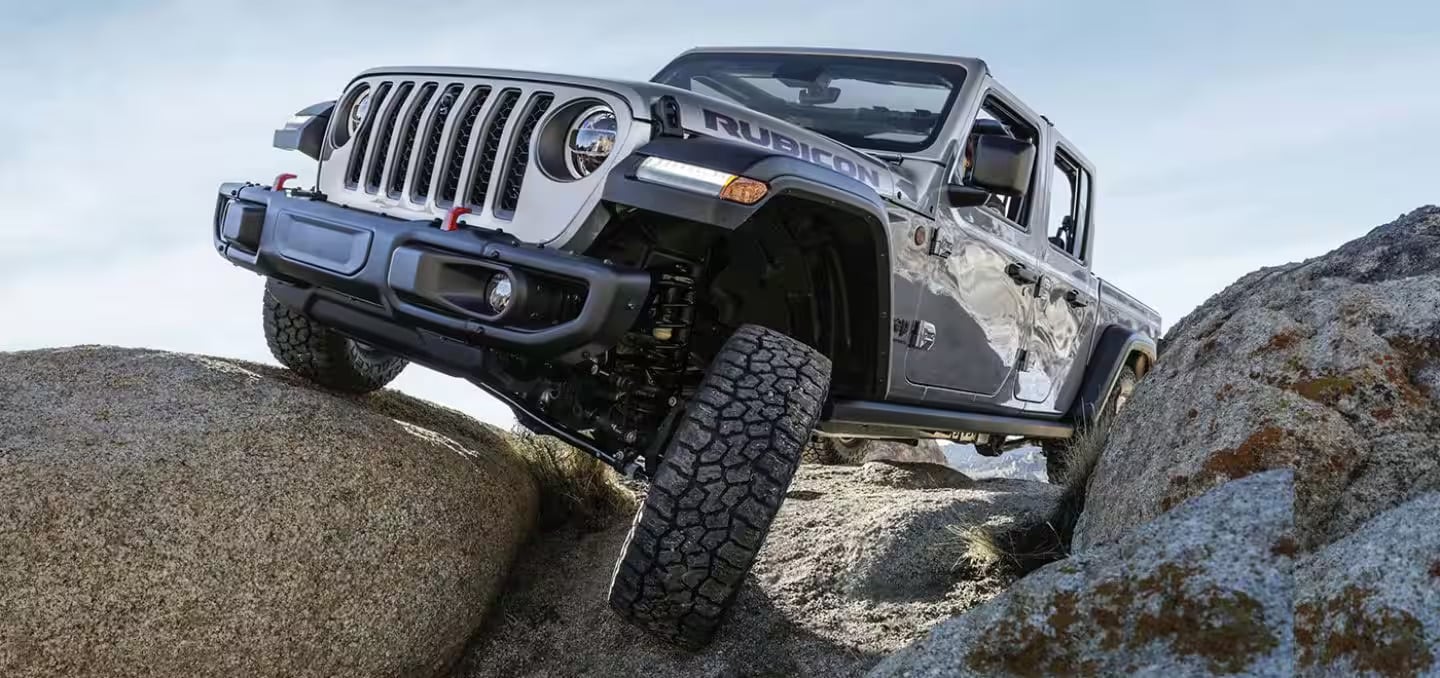
| Gladiator Mojave | 11.6 inches | 44.7° | 20.9° | 4×4 High/Low |
| Grand Cherokee Trailhawk | 10.8 inches | 35.7° | 30.2° | Quadra-Drive II |
Jeep Wrangler Rubicon
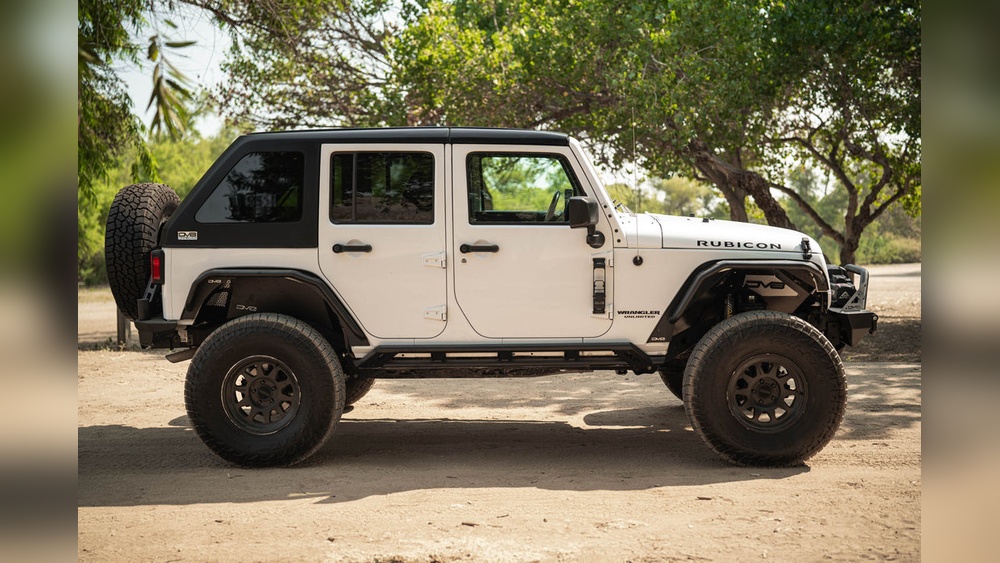
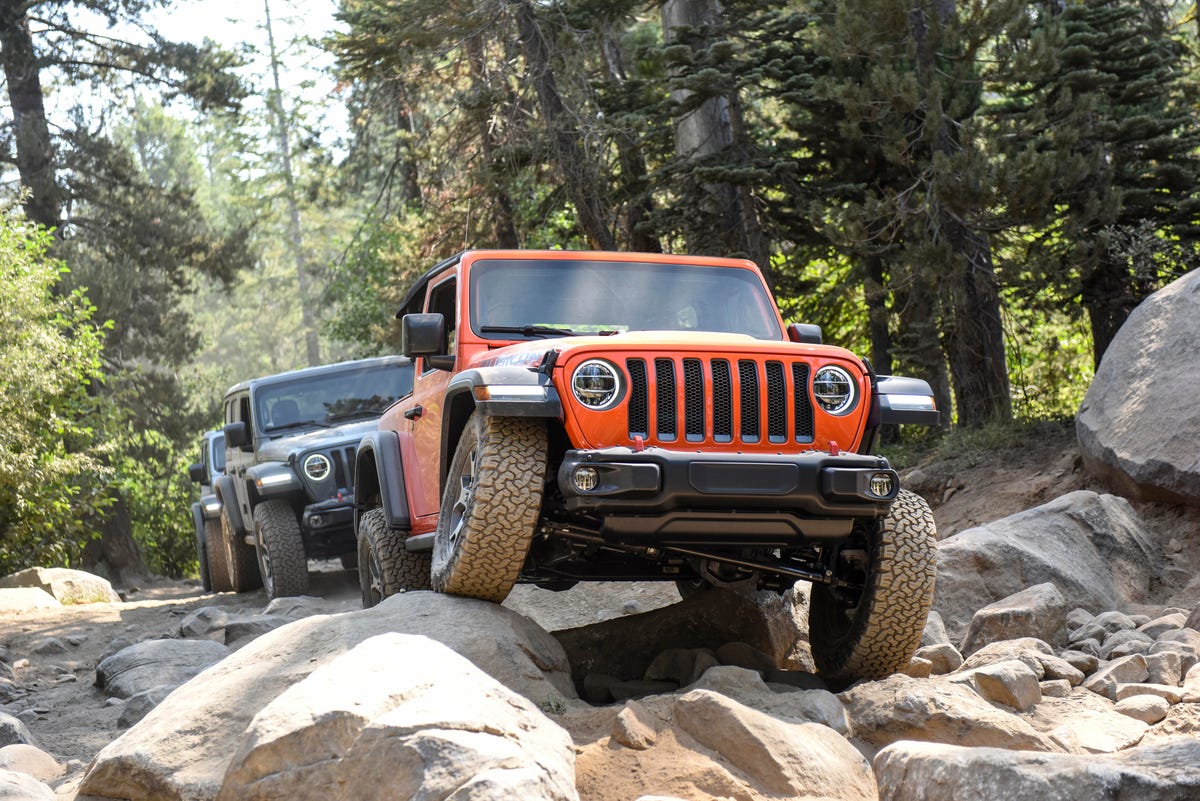
The Wrangler Rubicon is known for its off-road talent. It comes with solid axles, front and rear locking differentials, and sway bar disconnects. These features make it easy to crawl over large rocks. The Rubicon is also easy to upgrade with lifts and larger tires.
Jeep Gladiator Mojave
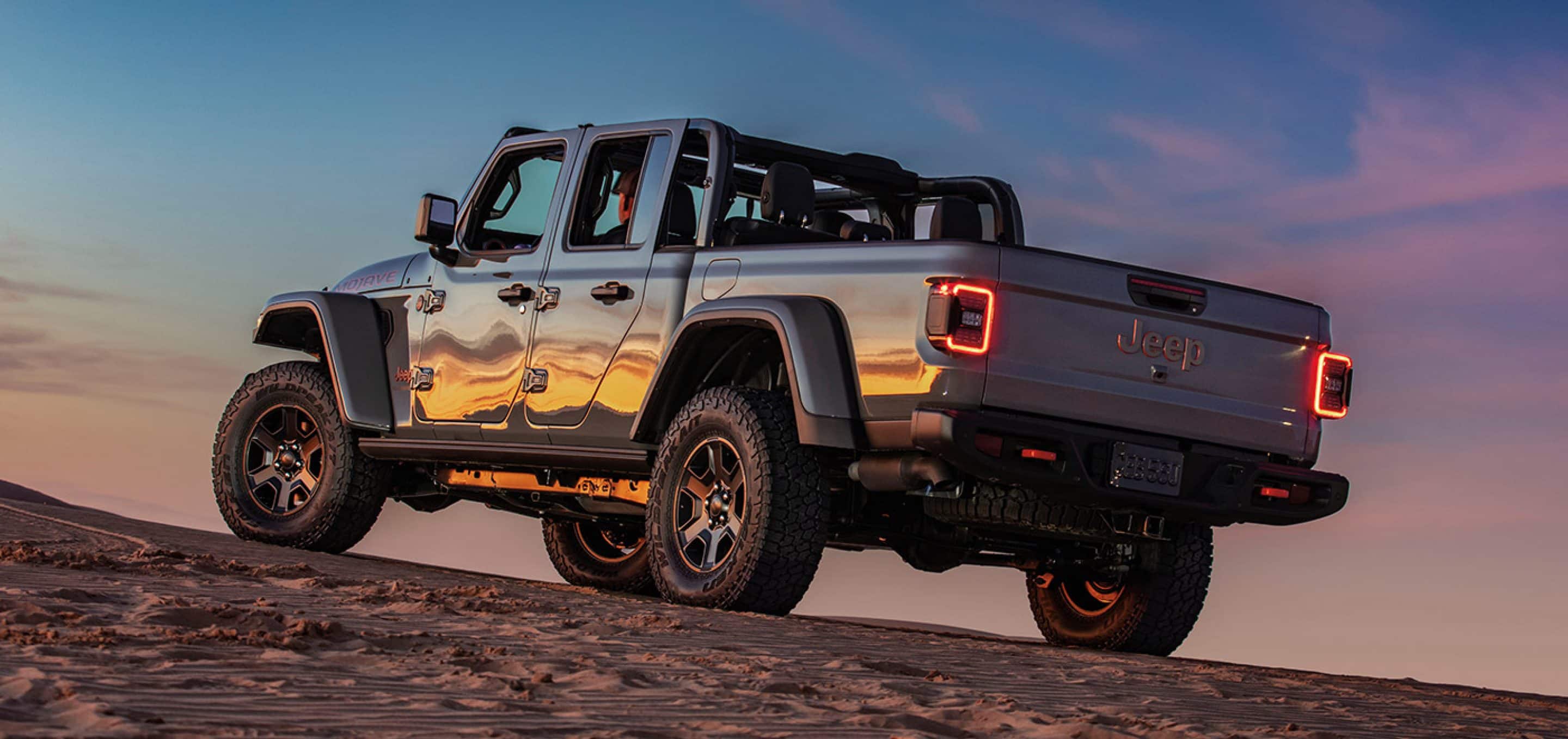
The Gladiator Mojave is built for high-speed desert driving. It uses Fox shocks and has reinforced frame parts. While its departure angle is lower due to the pickup bed, its long wheelbase helps on uneven ground. It’s a good choice if you want a truck bed for gear.
Grand Cherokee Trailhawk
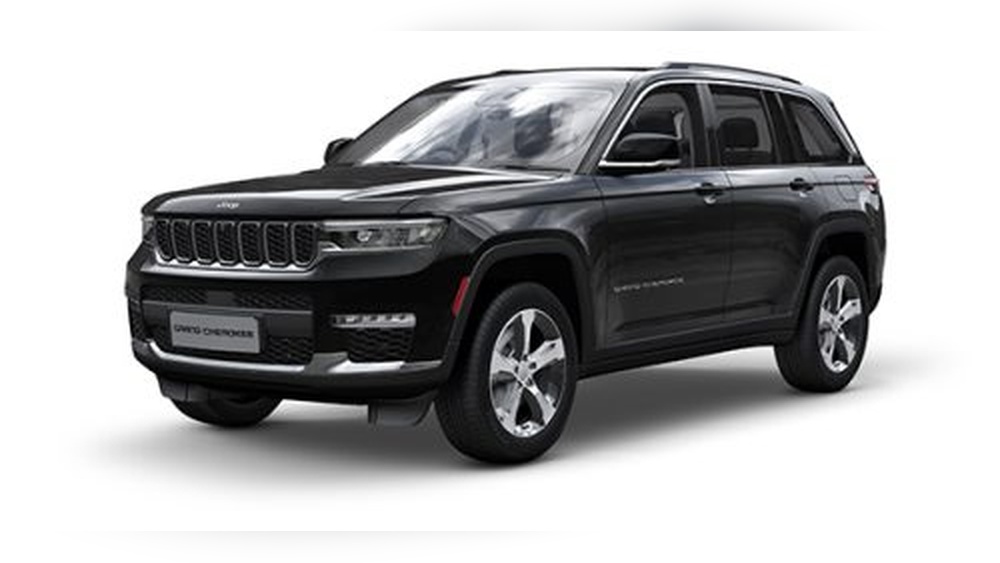
The Grand Cherokee Trailhawk offers comfort and capability. It includes air suspension for adjustable ride height and a smart 4×4 system. While it’s less rugged than the Wrangler, it’s better for mixed city and off-road use.
Comparison: Which Jeep Fits Your Needs?
The best Jeep depends on your main activities. Here’s a quick side-by-side:
| Activity | Best Jeep | Why |
|---|---|---|
| Rock Crawling | Wrangler Rubicon | Locking diffs, solid axles, high clearance |
| Desert Running | Gladiator Mojave | Fox shocks, strong frame, long wheelbase |
| Everyday + Trails | Grand Cherokee Trailhawk | Comfort, air suspension, smart 4×4 |
If you’re new to off-roading, avoid buying based on looks or price alone. Focus on the tasks you’ll do most, whether it’s weekend trails or serious rock climbing. For most beginners, the Wrangler Rubicon offers the best all-around package.
Practical Tips For First-time Jeep Buyers
- Check for true 4×4: Some models have “4×4” badges but lack real off-road systems.
- Look for tow hooks: These are needed for safe recovery if you get stuck.
- Test the approach angle: In person, see if the bumper sits high enough.
- Understand tire size limits: Bigger tires need lifts and gearing changes.
- Ask about warranty: Some off-road upgrades can void it.
Many new Jeep owners regret skipping the factory off-road package. It’s cheaper to buy these features from the start than to add them later.
Common Mistakes When Choosing An Off-road Jeep
- Ignoring wheelbase: Shorter wheelbases turn better in tight trails but can feel less stable at high speeds.
- Overbuilding: Spending too much on upgrades before gaining driving experience.
- Underestimating weight: Heavier Jeeps sink more in mud or sand.
- Forgetting about daily driving: A lifted, loud Jeep can be tiring if you drive on highways often.
An easy-to-miss insight: factory tires are often the weakest part. Upgrading to real off-road tires can make a huge difference, even on stock vehicles.
How Jeeps Compare To Other Off-road Vehicles
Jeeps face strong competition from Toyota 4Runner, Ford Bronco, and Land Rover Defender. Jeeps stand out for their removable doors and roofs, strong off-road community, and massive aftermarket parts selection.
However, some rivals offer better reliability or more comfort. For a broader look at the off-road SUV market, you can visit the official Jeep site for full specs and comparisons.
Frequently Asked Questions
What Is The Most Reliable Jeep For Off-road?
The Jeep Wrangler Rubicon is often called the most reliable for off-road. Its simple design and tough parts handle rough use well. Maintenance is key—regular checks prevent most issues.
Can You Daily Drive An Off-road Jeep?
Yes, but with trade-offs. Off-road Jeeps are louder, ride rougher, and may use more fuel. The Grand Cherokee Trailhawk balances comfort and off-road ability better than the Wrangler.
How Much Does A Good Off-road Jeep Cost?
A new Wrangler Rubicon starts around $46,000. Used models with upgrades can cost less, but check for wear and tear. Budget for extra gear like recovery tools and better tires.
Do I Need To Modify My Jeep For Off-road?
Basic trails need few changes. For tough terrain, consider lift kits, skid plates, and better tires. Start small—learn your Jeep’s limits before heavy mods.
Is The Jeep Gladiator As Good As The Wrangler Off-road?
The Gladiator is strong off-road but longer, so it can scrape more easily on steep hills. It shines in the desert and when you need a truck bed, but the Wrangler is usually better for tight, rocky trails.
No matter which Jeep you pick, the best off-road experience comes from learning your vehicle and practicing your skills. Choose wisely, prepare well, and adventure awaits.