The Willys Jeep: What Makes It Special
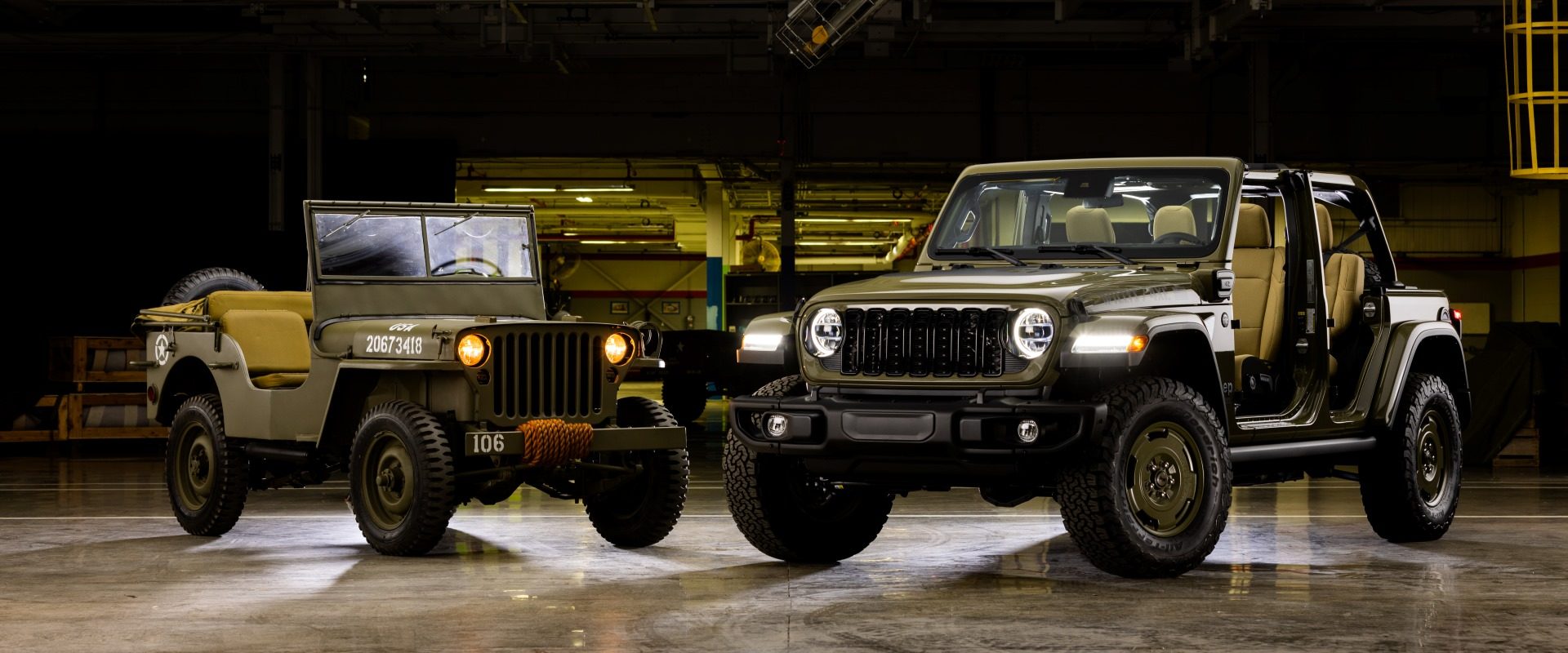
When you hear the word “Jeep,” most people imagine a tough, boxy vehicle rolling across rough ground. That image comes directly from the Willys Jeep, a machine that changed history and still turns heads today.
But what exactly makes a Willys Jeep so special? Let’s explore why this legendary vehicle is much more than just a classic car.
The Origin Of A Legend
The Willys Jeep was born out of necessity during World War II. In 1940, the US Army needed a lightweight, all-terrain vehicle for reconnaissance and transport. Over 135 companies were invited to submit designs, but only Willys-Overland and Ford could deliver. Willys’ model, the MB, became the military’s go-to vehicle.
Between 1941 and 1945, about 640,000 Jeeps were built for the war effort. They served in every theater, hauling soldiers, towing equipment, and even acting as ambulances. The Jeep became a symbol of American strength and ingenuity.
Unique Features That Set It Apart
What gave the Willys Jeep its edge? Several features made it stand out from other vehicles of its time:
- Four-wheel drive: The Willys was one of the first mass-produced vehicles with 4×4 capability. This allowed it to drive over mud, sand, snow, and rocky ground with ease.
- Lightweight design: Weighing around 2,450 pounds (1,110 kg), it was light enough for soldiers to lift or push if stuck.
- Simple mechanics: The engine, called the “Go-Devil,” was a 2.2L, 60 horsepower powerhouse. It was easy to repair in the field, even with basic tools.
- Open body: The Jeep had no doors or roof, making it fast to enter or exit. Soldiers could also mount weapons or stretchers on the flat surfaces.
- Versatility: With its fold-down windshield and removable canvas top, the Jeep could adapt to many roles, from radio car to gun carrier.
Here’s a quick look at the specifications that made the Willys Jeep unique:
| Feature | Willys MB Jeep | Typical 1940s Car |
|---|---|---|
| Engine | 2.2L “Go-Devil” (60 hp) | 3.0L (85–100 hp) |
| Drive | 4×4 | 2WD |
| Weight | 2,450 lbs | 3,200–3,800 lbs |
| Ground Clearance | 8.25 in | 5–6 in |
How The Willys Jeep Changed The World
The Willys Jeep was more than just a military tool. It changed both vehicle design and popular culture in lasting ways:
- Inspired future 4x4s: The Jeep’s success led to the rise of modern SUVs and off-road vehicles.
- Civilian use: After the war, Willys introduced the CJ (Civilian Jeep), which farmers, ranchers, and outdoor lovers quickly adopted.
- Symbol of freedom: The Jeep became a cultural icon, often seen in movies, parades, and even on toys.
- Influenced other countries: Many nations copied or adapted the Jeep, creating their own versions for military and civilian use.
Here’s a comparison of Jeep production across different countries after WWII:
| Country | Jeep Model | Years Produced | Key Differences |
|---|---|---|---|
| USA | Willys CJ | 1945–1986 | First true civilian Jeep |
| France | Hotchkiss M201 | 1955–1966 | Based on Willys design |
| Japan | Mitsubishi Jeep | 1953–1998 | Licensed copy, local engines |
Why Collectors And Enthusiasts Love The Willys Jeep
For many, the Willys Jeep is not just a vehicle—it’s a piece of living history. Here’s why collectors and off-road fans are so passionate about these Jeeps:
- Historical value: Owning a Willys Jeep connects you to a major part of world history.
- Ease of restoration: Thanks to simple engineering and a large supply of spare parts, restoration is often possible even for beginners.
- Community: There are Jeep clubs around the world, offering support, events, and advice.
- Driving experience: The feeling of driving a classic Jeep—open air, direct steering, and the sound of the Go-Devil engine—is unique.
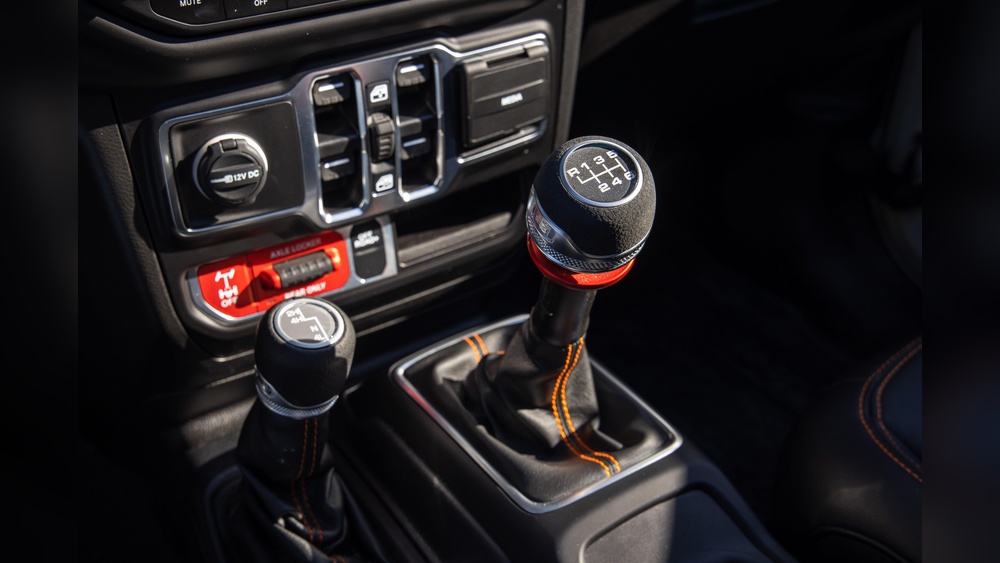
One thing many beginners miss: original Willys Jeeps often have non-synchronized transmissions. This means shifting gears takes practice—there’s no “easy” shift like in modern cars. Another subtle detail is that body panels were often stamped with visible welds and marks, which collectors now see as proof of authenticity.
Common Myths About The Willys Jeep
There are a few misconceptions that often confuse new fans:
- Myth: All old Jeeps are Willys Jeeps.
- Fact: Ford also built many WWII Jeeps using Willys designs. Not every vintage Jeep is a true Willys.
- Myth: Willys Jeeps are indestructible.
- Fact: While very tough, Willys Jeeps can rust and wear out like any old vehicle. Proper care is essential.
- Myth: Willys Jeeps are fast.
- Fact: The top speed is only about 60 mph (97 km/h), and the handling is basic by modern standards.
The Willys Jeep’s Place In Today’s World
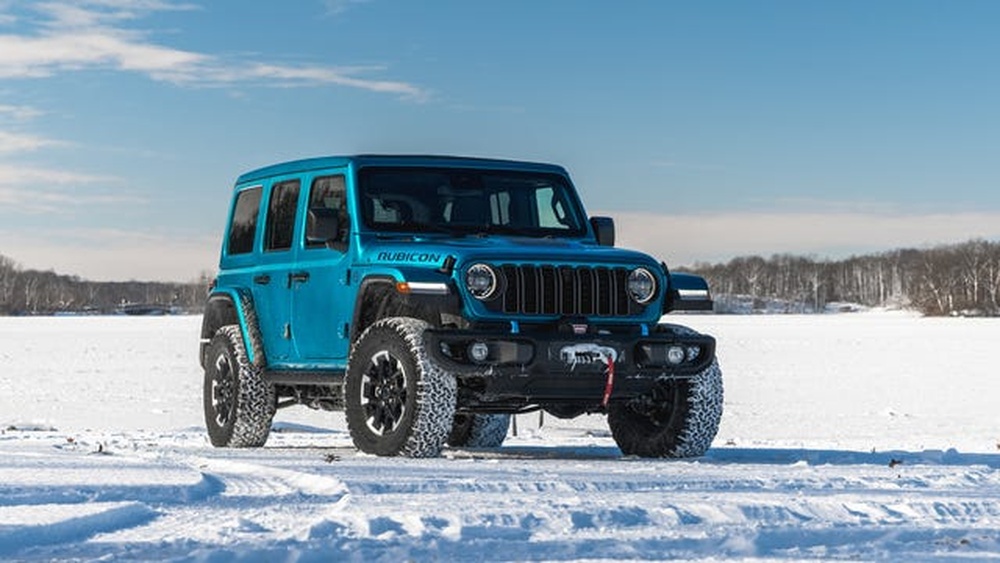
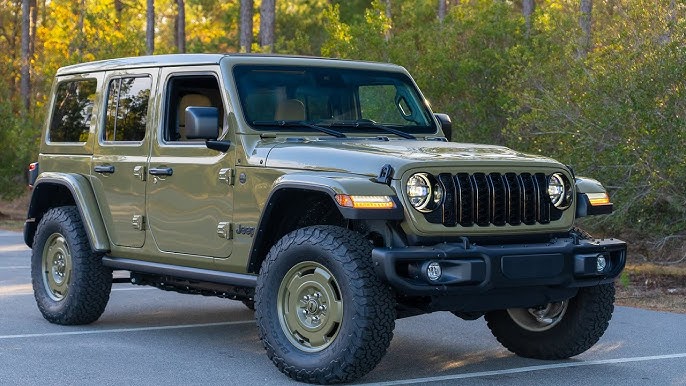
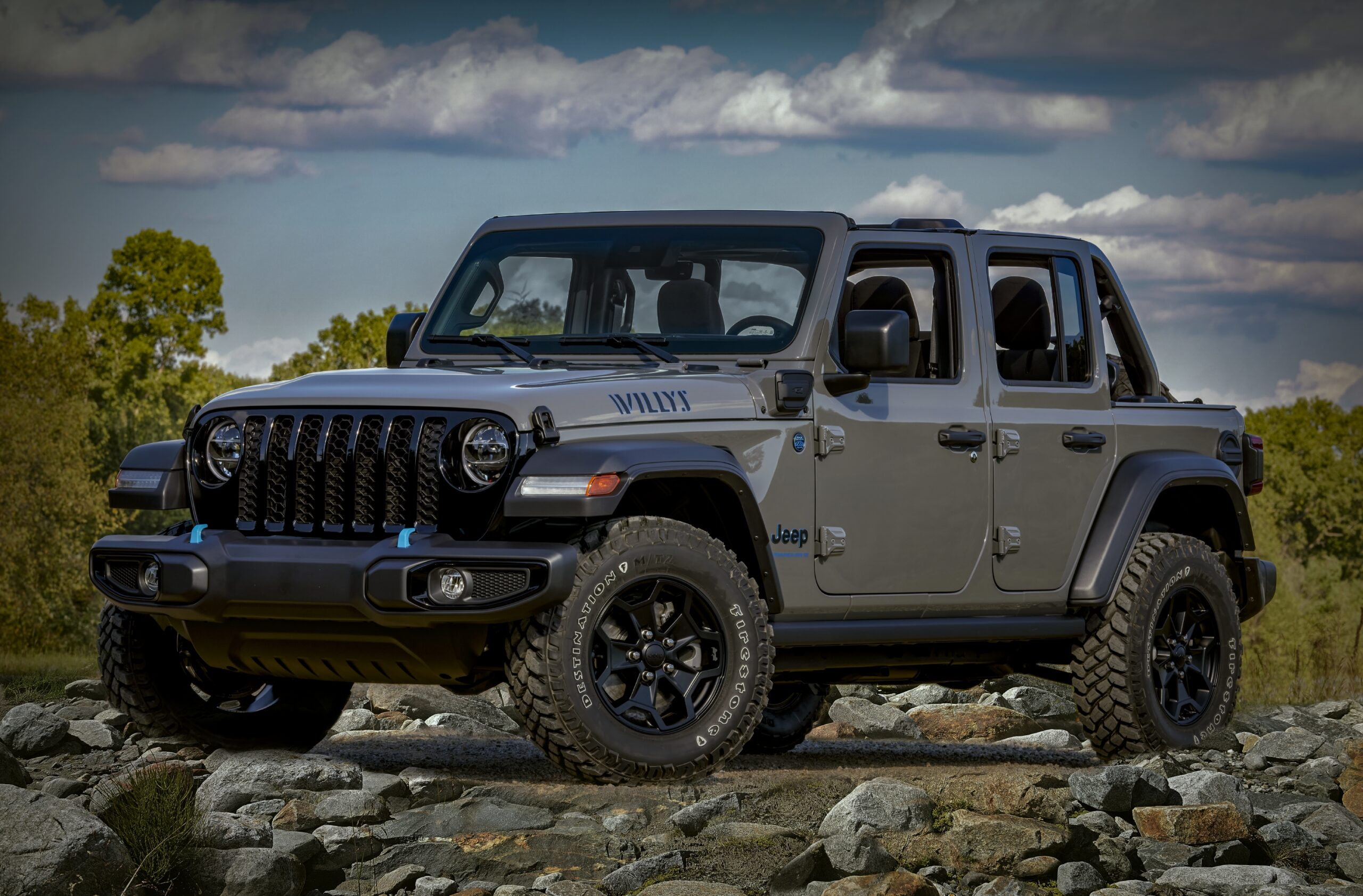
You can still see Willys Jeeps in action at classic car shows, off-road trails, and military reenactments. Restored models sometimes sell for over $30,000. More than just a collectible, the Jeep’s DNA lives on in every new Jeep Wrangler you see today.
For those interested in the full story, the Willys MB Wikipedia page provides a detailed look at its development and impact.
Frequently Asked Questions
What Years Were The Original Willys Jeeps Built?
The original Willys MB Jeeps were produced from 1941 to 1945 for military use. The civilian CJ series followed soon after.
How Can I Tell If A Jeep Is A Real Willys?
Look for a “Willys” stamp on the hood and tailgate, as well as original serial numbers. Authentic Willys Jeeps also have unique frame and body features.
Are Willys Jeeps Good For Modern Driving?
They are fun for short trips and off-road use but lack modern safety and comfort features. Not ideal as daily drivers for today’s roads.
What Is The Value Of A Restored Willys Jeep?
Depending on condition and authenticity, prices range from $10,000 to over $30,000. Rare models or war history can increase value.
Where Can I Find Parts For A Willys Jeep?
Many companies specialize in reproduction and original parts. Online forums and Jeep clubs are also great resources for advice and sourcing parts.
The Willys Jeep remains a symbol of toughness, freedom, and innovation. Whether you’re a history buff, a collector, or just a fan of classic vehicles, it’s easy to see why this simple machine still matters so much today.