Meta description: Jeep Death Wobble is a violent steering shake that affects many Jeep models. Learn symptoms, causes, fixes, and how to stay safe—explained simply.
If you drive a Jeep, you may have heard of the Death Wobble. It’s a scary experience—your steering wheel shakes hard, and the whole vehicle vibrates. Many Jeep owners worry about this issue, especially if they use their vehicle off-road or drive older models. Let’s break down what Jeep Death Wobble is, why it happens, and how you can fix it.
What Is Death Wobble?
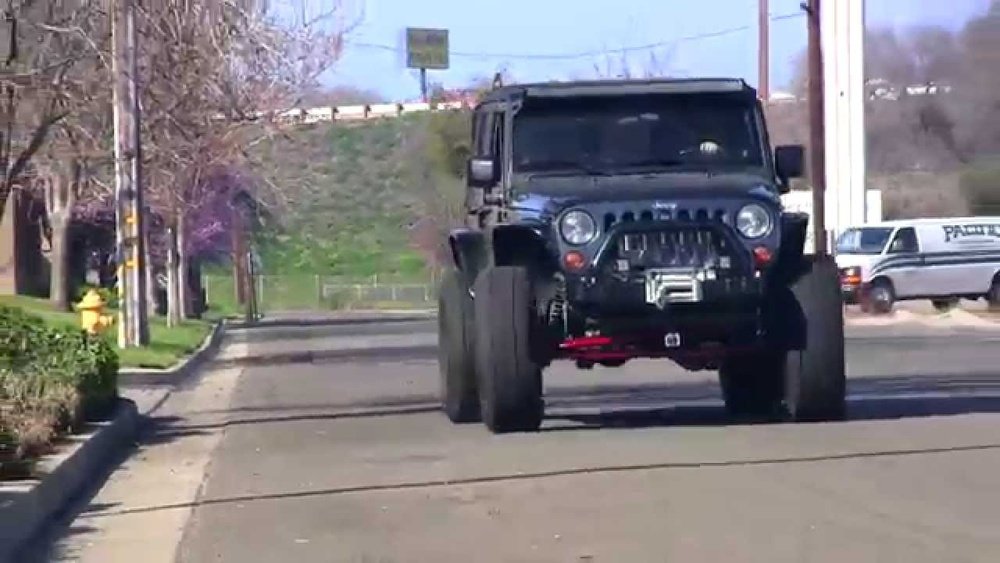
Death Wobble is a sudden and violent shaking of the front wheels and steering system. It usually happens at speeds over 45 mph, often after hitting a bump. The steering wheel moves left and right quickly, and the Jeep feels out of control for a few seconds.
Death Wobble is not just a minor vibration. It can be dangerous, making it hard to steer and frightening for anyone inside the Jeep. The problem mostly affects solid front axle models like the Jeep Wrangler (TJ, JK, JL), Cherokee XJ, and some Grand Cherokee trims (ZJ, WJ, WK).
Which Jeep Models Are Affected?
Older Jeeps with solid front axles are more likely to have Death Wobble. Here’s a quick comparison of common models:
| Model | Years | Axle Type | Common Wobble Issues |
|---|---|---|---|
| TJ Wrangler | 1997-2006 | Solid Front | Very common |
| JK Wrangler | 2007-2018 | Solid Front | Common |
| JL Wrangler | 2018-Present | Solid Front | Possible |
| XJ Cherokee | 1984-2001 | Solid Front | Common |
| WK Grand Cherokee | 2005-2010 | Independent Front | Rare |
| WL Grand Cherokee | 2021-Present | Independent Front | Very rare |
Solid front axle designs are more prone to wobble because they have more moving parts and stress during bumps. Independent front suspension, seen in newer Grand Cherokees, greatly reduces the risk.
Symptoms Of Death Wobble
You’ll know Death Wobble when it happens, but here are signs to look out for:
- Intense shaking of the steering wheel
- Loud vibrations from the front end
- Jeep feels hard to control
- Often triggered by hitting a pothole or bump
- Occurs at highway speeds (above 45 mph)
- Shaking stops only after slowing down
Sometimes, minor vibrations or wandering steering can be early warning signs.
Causes Of Death Wobble
Death Wobble is not caused by one single problem. Usually, it’s a mix of worn parts or poor alignment. Here are the most common causes:
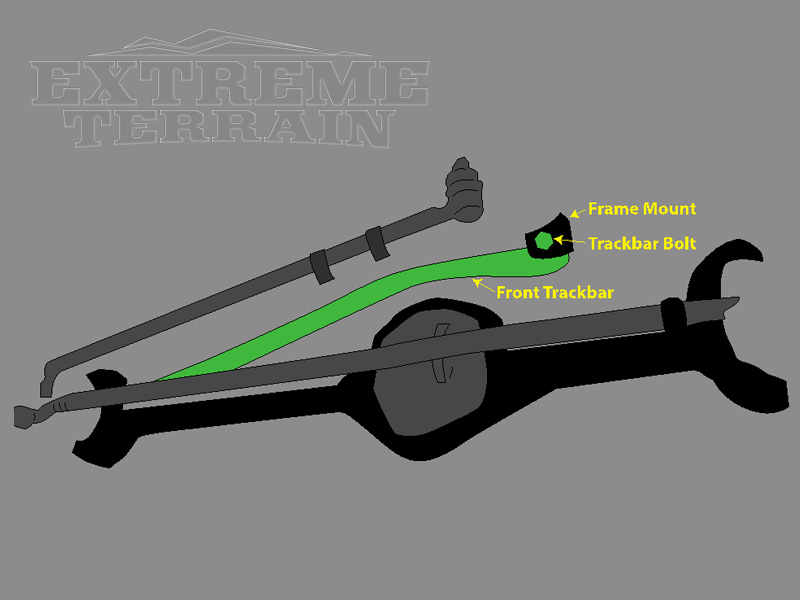
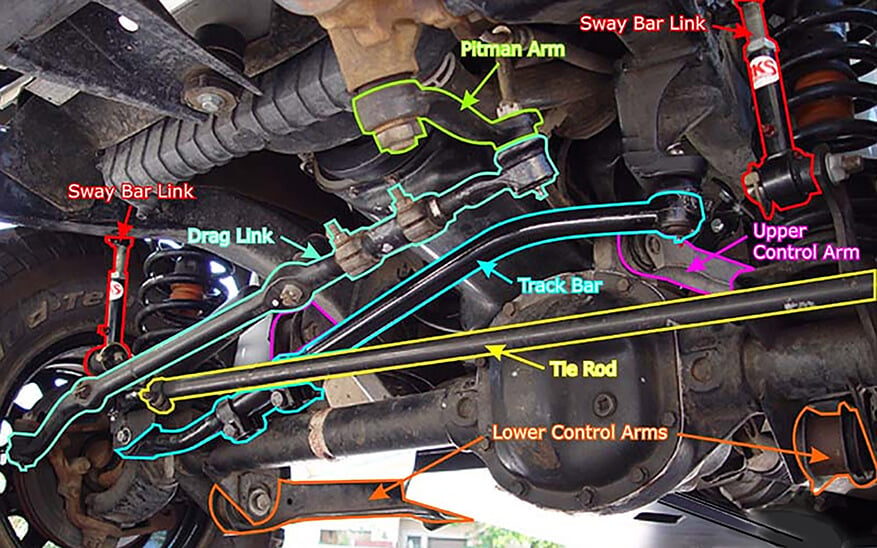
- Worn track bar bushings: The track bar keeps the axle centered. Loose bushings allow movement.
- Bad tie rod ends: These connect the steering. Worn tie rods cause instability.
- Damaged ball joints: Ball joints let the wheels move. If loose, the front end shakes.
- Loose wheel bearings: Bad bearings let the wheels wobble.
- Bent or loose suspension parts: Any damaged or loose part can trigger wobble.
- Incorrect alignment: Poor toe and caster settings make wobble easier.
- Unbalanced or damaged tires: Large or worn tires can make the problem worse.
Many Jeeps with lifts, bigger tires, or off-road modifications are more likely to get Death Wobble.
Diagnosing The Problem
Finding the cause takes careful inspection. Here’s how to check:
- Park the Jeep and turn off the engine.
- Grab the front tires and shake them. Look for movement in ball joints, tie rods, and wheel bearings.
- Check the track bar for loose bolts or worn bushings.
- Inspect all steering and suspension parts for cracks, bends, or looseness.
- Look at tire wear and balance.
- Review your alignment specs.
If you’re unsure, a mechanic can check using special tools to measure play in steering parts.
How To Fix Death Wobble
Fixing Death Wobble means replacing or repairing the worn parts. Here’s a practical plan:
- Tighten all suspension bolts, especially the track bar.
- Replace worn bushings, ball joints, and tie rod ends.
- Balance the tires and check for damage.
- Get a professional alignment (caster, toe).
- Upgrade parts if you use large tires or lift kits.
- If the problem continues, replace the steering stabilizer.
Estimated repair costs for common fixes:
| Repair | Estimated Cost | DIY Difficulty |
|---|---|---|
| Track bar replacement | $150-$400 | Moderate |
| Ball joint replacement | $300-$600 | Advanced |
| Steering stabilizer | $50-$200 | Easy |
| Wheel alignment | $80-$150 | Easy |
| Tie rod ends | $100-$250 | Moderate |
Many Jeep owners try to fix Death Wobble by just changing the steering stabilizer. This can help, but it’s not a full solution. Always fix the root cause.

When Should You See A Mechanic?
If you feel Death Wobble on the road, slow down and pull over safely. It’s best to visit a mechanic if:
- You can’t find the problem yourself.
- The wobble returns after repairs.
- You notice loose steering or noises.
- Your Jeep has a lift kit or big tires, which can make diagnosis harder.
Experienced shops know which parts to check on each Jeep model.
How To Prevent Death Wobble
Prevention is key. Regular maintenance keeps your Jeep safe.
- Inspect the front suspension every 12,000 miles.
- Keep tires balanced and rotated.
- Tighten all bolts after off-roading.
- Use quality parts if you lift your Jeep.
- Check alignment after hitting big bumps.
Many owners skip these steps, but catching issues early saves money and prevents dangerous situations.
Death Wobble And Jeep Model Differences
Death Wobble is more common in Wrangler TJ, JK, and JL models. XJ Cherokees also see it often. Newer Grand Cherokees (WK, WL) rarely have it because of their independent suspension.
If you drive a lifted Jeep, expect more stress on the track bar and steering parts. Always check compatibility before buying upgrades. Some aftermarket parts may not fit certain trims or years.
Real-world Example
A 2014 Jeep Wrangler JK owner reported Death Wobble after adding 35-inch tires and a 2-inch lift. The problem was traced to a loose track bar bolt and worn tie rod ends. After replacing these parts and aligning the wheels, the wobble stopped.
Many cases show that small parts—like bushings or bolts—can cause big problems. Always check the basics first.
Frequently Asked Questions
What Is Jeep Death Wobble?
Death Wobble is a violent shaking of the front wheels and steering, mostly in Jeeps with solid front axles. It can make the vehicle hard to control.
Which Jeep Models Are Most Affected?
Death Wobble happens most in Wrangler TJ, JK, JL, and Cherokee XJ. It’s rare in Grand Cherokee WK or WL, which have independent suspension.
What Causes Jeep Death Wobble?
Main causes are worn suspension parts, loose track bar, bad ball joints, and poor alignment. Larger tires and lift kits increase risk.
How Much Does It Cost To Fix Death Wobble?
Costs range from $80 (alignment) up to $600 (ball joints). Most repairs are under $400. DIY repairs save money, but some fixes need a mechanic.
Is Death Wobble Dangerous?
Yes, it can be dangerous. The Jeep becomes hard to steer and control. If it happens, slow down and fix the issue quickly.
For more technical info, see Wikipedia.
If you own a Jeep, understanding Death Wobble can help you stay safe. Regular checks and quick repairs keep your vehicle stable and enjoyable. For related topics, explore Jeep Wrangler maintenance, suspension upgrades, and off-road safety tips.