When you drive a Jeep, you expect adventure. But sometimes, the ride turns scary. Imagine your steering wheel starts shaking hard—so hard that you feel like you might lose control. This is called the death wobble. It’s not just a small vibration. It’s a violent shake that can make even the most confident driver nervous. Understanding what causes death wobble, how to fix it, and how to prevent it can help you stay safe on and off the road.
What Is Death Wobble?
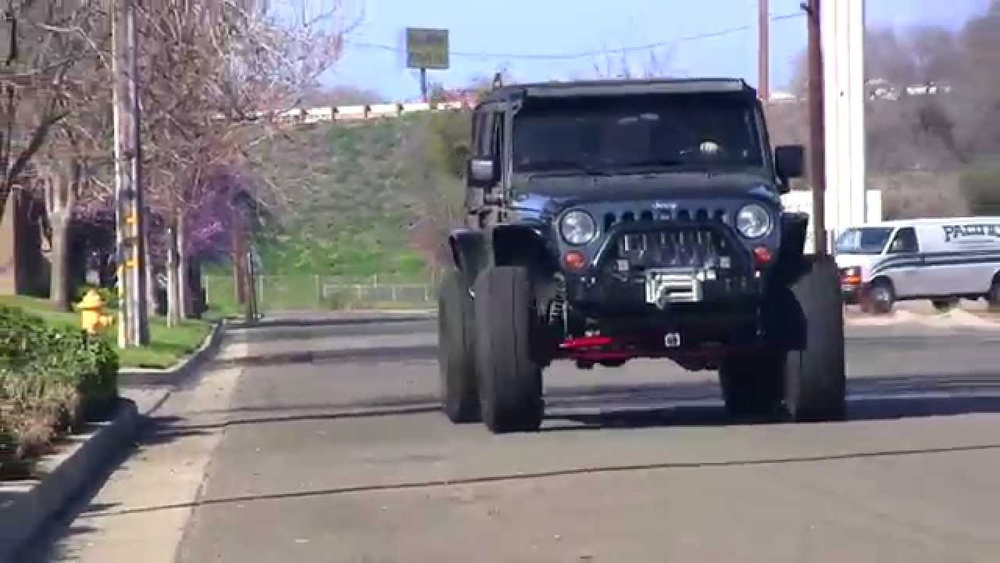
Death wobble is a term Jeep owners use for a severe steering vibration. It often happens at speeds over 45 mph after hitting a bump or pothole. The steering wheel shakes quickly from left to right. Sometimes, it feels like the whole front of the vehicle is moving side-to-side.
This problem mainly affects vehicles with solid front axles, like many Jeep Wranglers (especially the JK, TJ, and older models). Death wobble is not a normal part of driving and should be fixed quickly for safety.
Causes Of Death Wobble
Death wobble is usually caused by worn or loose suspension parts. Here are the most common reasons:
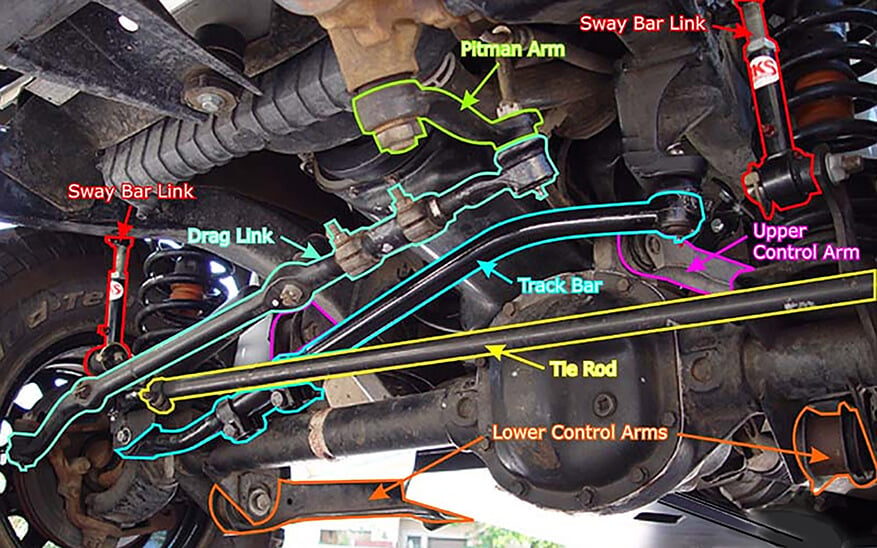
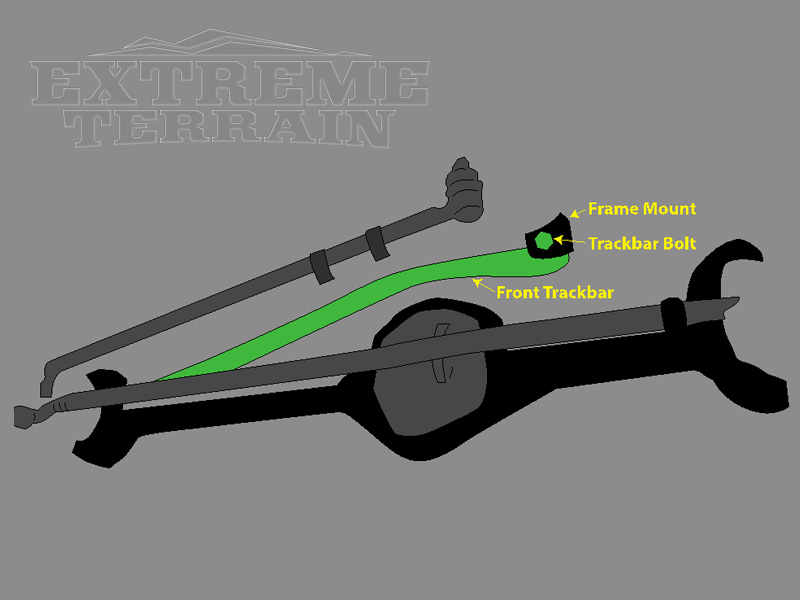
- Track Bar Problems: The track bar keeps the front axle centered. If its bushings or bolts are loose, the axle moves side-to-side, causing wobble.
- Tie Rod Ends: Worn tie rod ends make steering loose, letting vibrations grow.
- Ball Joints: Bad ball joints cause unwanted movement in the steering knuckle.
- Wheel Alignment: Poor alignment can make the Jeep more likely to wobble.
- Tire Imbalance or Damage: Out-of-balance or damaged tires can start the wobble.
- Control Arm Bushings: Worn bushings let the axle shift, feeding vibration back to the steering.
- Steering Stabilizer: A failed stabilizer won’t cause death wobble alone, but it can make things worse.
Even small issues can combine to create a big problem. That’s why checking each part is important.
How To Diagnose Death Wobble
Finding the exact cause can take time. Here’s a step-by-step way to check your Jeep:
| Step | What to Check | Why It Matters |
|---|---|---|
| 1 | Track bar bolts and bushings | Loose parts allow axle to move |
| 2 | Tie rod and drag link ends | Worn joints cause steering play |
| 3 | Ball joints | Bad joints let wheel knuckles move |
| 4 | Tire condition and balance | Bad tires create vibration |
| 5 | Wheel alignment | Poor alignment worsens shaking |
A hands-on check is best. Use a pry bar to gently move suspension parts. Any clunking or extra movement means something is worn out.
Fixing Death Wobble
Once you find the issue, fix it right away. Here are common solutions:
- Tighten all bolts on the track bar, control arms, and steering parts.
- Replace worn bushings and ball joints.
- Get a wheel alignment after replacing parts.
- Balance and rotate tires.
- Replace damaged tie rod or drag link ends.
- Upgrade the steering stabilizer if yours is weak.
Some owners add stronger track bars or steering components, especially if the Jeep has a lift kit. Remember, a steering stabilizer can help reduce shaking, but it will not fix the real cause.
Real-world Example
A Jeep Wrangler JK owner noticed severe shaking after hitting a pothole at 50 mph. The mechanic found a loose track bar bolt and worn tie rod ends. After tightening the bolt and changing the tie rod ends, the problem was gone.
This shows how even one loose bolt can start death wobble.
Death Wobble Vs. Normal Vibrations
Many drivers confuse death wobble with normal vibrations. Here is a comparison to help you tell the difference:
| Feature | Death Wobble | Normal Vibration |
|---|---|---|
| Intensity | Very strong | Mild |
| Steering Wheel Movement | Violent shaking side-to-side | Small vibration |
| What Triggers It | Usually a bump at speed | Constant or at certain speeds |
| How to Stop | Must slow down or stop | May reduce with speed change |
If your steering wheel shakes violently after a bump, it’s likely death wobble, not just an out-of-balance tire.

Preventing Death Wobble
You can lower your risk with good maintenance:
- Check suspension bolts every oil change.
- Replace worn bushings as soon as you see wear.
- Balance and rotate tires regularly.
- Don’t ignore small vibrations—fix them early.
- Avoid cheap lift kits that don’t fit well.
A non-obvious tip: Even new Jeeps can have loose bolts after off-roading. Always check after a rough trail ride. Another thing many miss is that changing tire size or wheels changes suspension stress. If you upgrade tires, check all related parts more often.
Death Wobble Statistics
While Jeep does not publish official numbers, forums and surveys suggest that up to 20% of Wrangler owners have faced death wobble at least once. Most cases appear in Jeeps with over 40,000 miles or those with suspension lifts.
Is Death Wobble Dangerous?
Yes. Death wobble can make you lose control, especially if it happens in traffic. It can damage other parts over time. If you feel it, slow down and pull over safely. Never try to “drive through” a wobble.
When To See A Mechanic
If you can’t quickly find the cause, visit a shop. Some fixes require special tools. A good mechanic will check all parts and fix any issues.
For deeper details, check this guide from Wikipedia.
Frequently Asked Questions
What Jeeps Are Most Likely To Have Death Wobble?
Wrangler JK, TJ, YJ, and XJ Cherokees are most affected. These models use solid front axles, which are more likely to have death wobble than independent suspension.
Can Death Wobble Happen To New Jeeps?
Yes. Even new Jeeps can have death wobble if suspension bolts are loose or if a part is faulty from the factory. Always check your vehicle after any off-road trip.
Will A Steering Stabilizer Fix Death Wobble?
A new or stronger steering stabilizer can reduce shaking, but it won’t fix the real cause. Always find and repair worn or loose parts first.
Is It Safe To Drive With Death Wobble?
No. Driving with death wobble is unsafe. It can make you lose control and may damage your Jeep further. Stop and fix the problem before driving again.
How Much Does It Cost To Fix Death Wobble?
The cost varies. Tightening bolts is almost free. Replacing track bars, bushings, or ball joints may cost $300–$800 at a shop. Doing it yourself can save money, but only if you know what you’re doing.
Staying alert to early signs and taking action quickly will help you keep your Jeep safe and ready for your next adventure.