Regearing a Jeep is a topic that often confuses new Jeep owners and even some experienced off-road enthusiasts. If you’ve heard people talk about “regearing” but don’t know what it really means, you’re not alone.
This article will explain what regearing is, why it matters, how it affects your Jeep’s performance, and when you should consider it.
We’ll also cover the main steps, costs, and some common misconceptions about this important upgrade.
What Does Regearing A Jeep Mean?
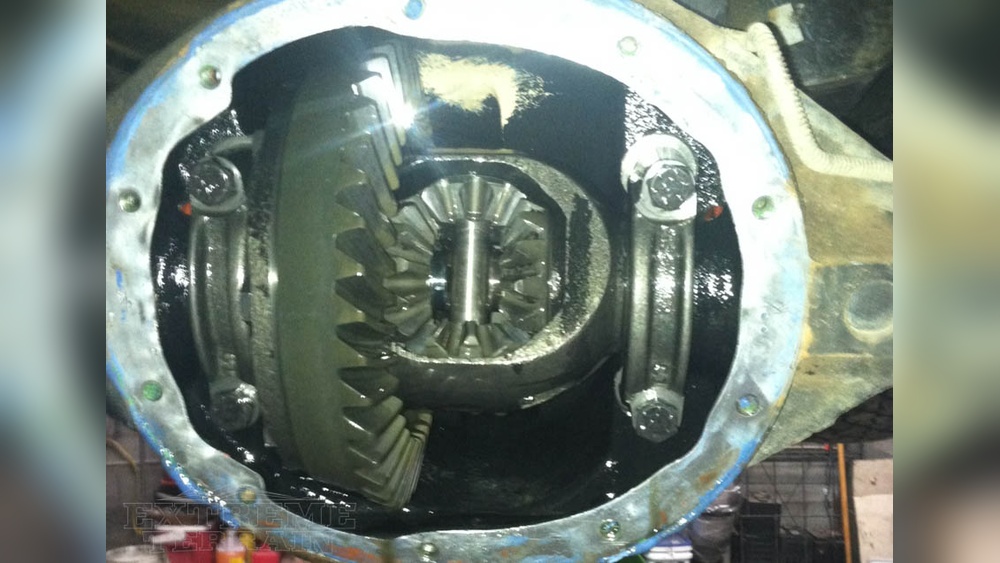
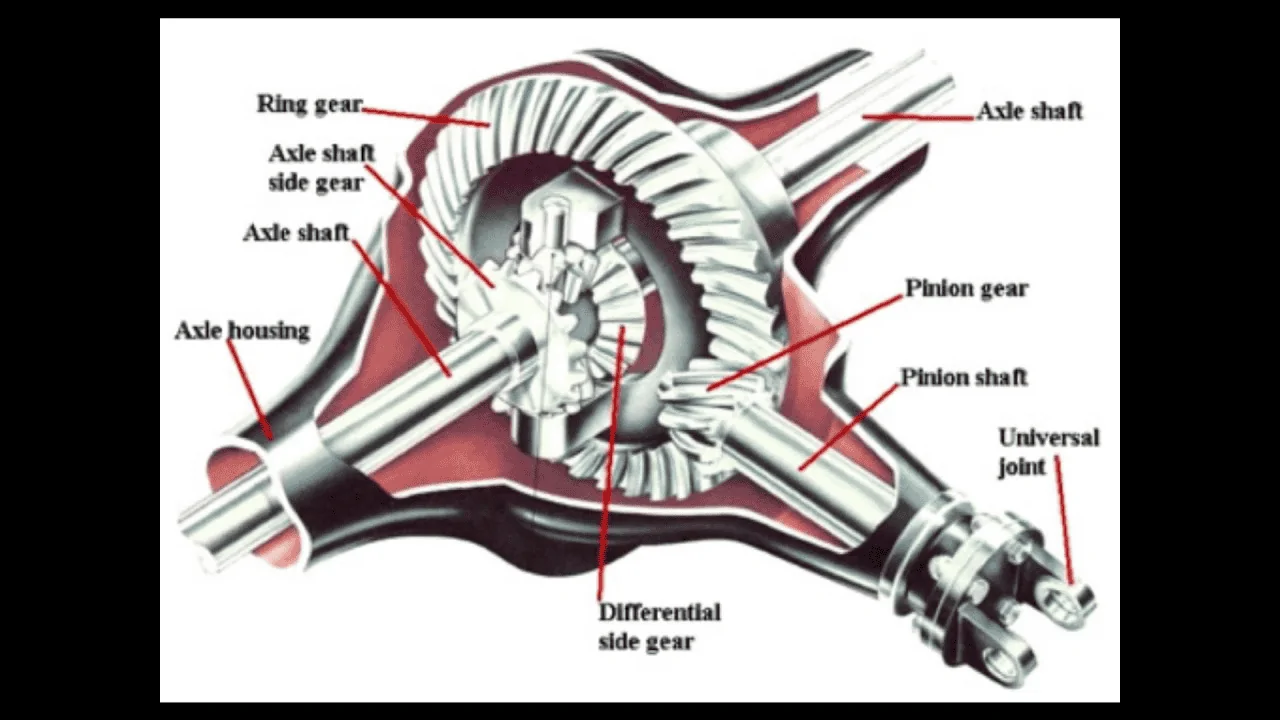
Regearing means changing the gear ratio in your Jeep’s axles. The gear ratio is a set of numbers that tells you how many times the driveshaft turns for every one turn of the wheels. For example, a 3.21 gear ratio means the driveshaft spins 3.21 times for every wheel rotation. When you regear, you swap out the ring and pinion gears inside the axle for a set with a different ratio.
Why does this matter? The gear ratio controls how much power from the engine is sent to the wheels. It also affects how hard your engine has to work, your speed, and your fuel economy. Most Jeeps come from the factory with ratios between 3.21 and 4.10.
Why Would You Regear A Jeep?
Many people regear when they install larger tires. Bigger tires change how the Jeep drives. They make the engine work harder because it takes more effort to turn the bigger wheels. This can lead to:
- Sluggish acceleration
- Loss of power
- Worse fuel economy
- Transmission strain
Regearing helps return your Jeep to its original performance. With the right gear ratio, your Jeep will feel strong again, even with big tires.
Here’s an example:
| Tire Size | Stock Gear Ratio | Recommended Ratio After Upgrade |
|---|---|---|
| 32” | 3.21 | 4.10 |
| 35” | 3.73 | 4.56 |
| 37” | 3.73 | 4.88 |
Choosing the right ratio depends on your tire size, engine, and how you use your Jeep.
How Regearing Affects Performance
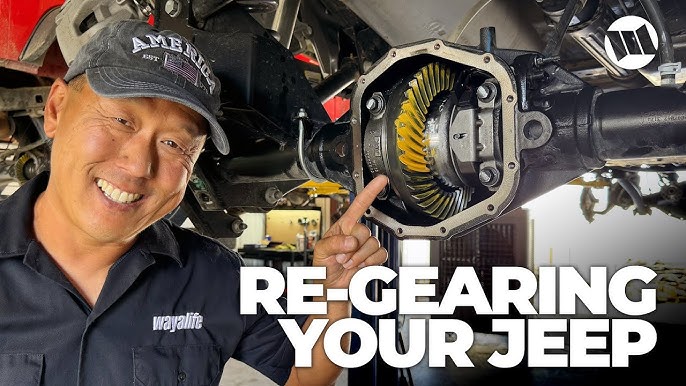
When you install bigger tires without regearing, your Jeep’s computer thinks the vehicle is moving slower than it really is. This causes speedometer and odometer errors.
More importantly, it puts stress on the engine and transmission.
Regearing can help in these ways:
- Restores lost torque: This is the force that helps your Jeep climb hills or get moving from a stop.
- Improves acceleration: Your Jeep won’t feel slow or lazy after big tire upgrades.
- Protects transmission: Less strain on the transmission means fewer repairs in the long run.
- Better fuel economy: The engine doesn’t have to work as hard.
Here’s a quick look at how gear ratio affects engine RPM at highway speeds:
| Gear Ratio | Engine RPM at 65 mph (35” tires) |
|---|---|
| 3.21 | 1,850 |
| 4.56 | 2,650 |
| 4.88 | 2,850 |
A higher RPM at highway speed means more engine work, but also better power for towing or off-roading.
When Should You Consider Regearing?
There are a few clear signs you might need to regear:
- You added larger tires (usually 33” or more)
- You tow heavy trailers with your Jeep
- You notice poor acceleration or shifting problems
- Your fuel mileage drops sharply
Most experts agree that if you go up two tire sizes from stock, regearing is a smart move.
The Regearing Process
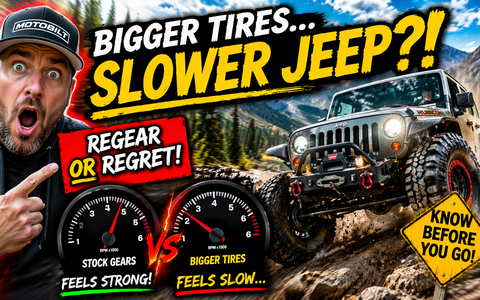
Regearing is a technical job. It’s not a simple bolt-on part. Here’s how it usually goes:
- Remove the axles from the Jeep.
- Open the differential and take out the old ring and pinion gears.
- Install new gears with the chosen ratio.
- Set backlash and preload (these are very precise measurements).
- Add new gear oil and reassemble everything.
Most shops charge between $1,200–$2,000 for both axles, including parts and labor. The job takes 6–10 hours, depending on the Jeep model and shop experience.
Here are some important things to consider:
- Precision matters: Small mistakes can cause gear whine or early failure.
- Professional installation is best unless you have advanced mechanical skills.
- Always regear both axles to keep 4WD working correctly.
Myths And Common Mistakes
Many beginners believe that regearing is only for hardcore off-roaders. In reality, even daily drivers benefit from the right gear ratio after a tire upgrade.
Another common mistake is only regearing one axle, which can damage your Jeep’s drivetrain.
A less obvious tip: Some people overlook the importance of speedometer recalibration after regearing. If you skip this step, your Jeep will show the wrong speed and mileage, which can affect things like cruise control.
Another insight: Not all gear brands are equal. Cheap gears can wear out quickly and create noise, so always choose trusted brands recommended by Jeep communities.
Frequently Asked Questions
What Is The Best Gear Ratio For 35-inch Tires On A Jeep Wrangler?
For most Jeep Wranglers with 35” tires, a 4.56 or 4.88 gear ratio works well. The right choice depends on your engine (V6 or 4-cylinder), how you drive, and if you tow. More torque is better for off-roading or towing.
Will Regearing Improve My Jeep’s Fuel Economy?
Yes, in most cases. If your Jeep feels sluggish and the engine works too hard after bigger tires, regearing can restore fuel efficiency. The engine won’t have to strain as much at normal speeds.
Can I Regear My Jeep At Home?
Technically, yes, but it’s a complex job. You need special tools and precise measurements. Most people are better off hiring a professional shop to avoid costly mistakes.
Do I Need To Regear If I Only Drive On Highways?
If you install much larger tires, regearing is still helpful for highway driving. It helps restore proper RPMs, protects your transmission, and keeps your speedometer accurate.
How Do I Know If My Jeep Needs Regearing?
Look for these signs: slow acceleration, poor gas mileage, odd shifting, and speedometer errors after changing tire size. If you notice these, it’s time to think about regearing.
Regearing a Jeep is one of the smartest upgrades after adding bigger tires. It keeps your Jeep fun, reliable, and safe. With the right gears, you’ll enjoy better performance on and off the road. For more technical details and calculators, check out the Differential Wikipedia page.