Meta Description:
Discover what JK means on a Jeep, its history, model years, key differences, features, and tips for owners. Get clear, practical answers for Jeep enthusiasts.
If you’ve seen JK on a Jeep or heard owners mention it, you might wonder what this code means. Jeep uses two-letter codes to identify different generations of its popular vehicles, especially the Wrangler. The JK code is not just a random label—it tells you about the vehicle’s design, features, and compatibility. Knowing what JK stands for can help you make better decisions as a buyer, owner, or enthusiast.
What Does Jk Mean?
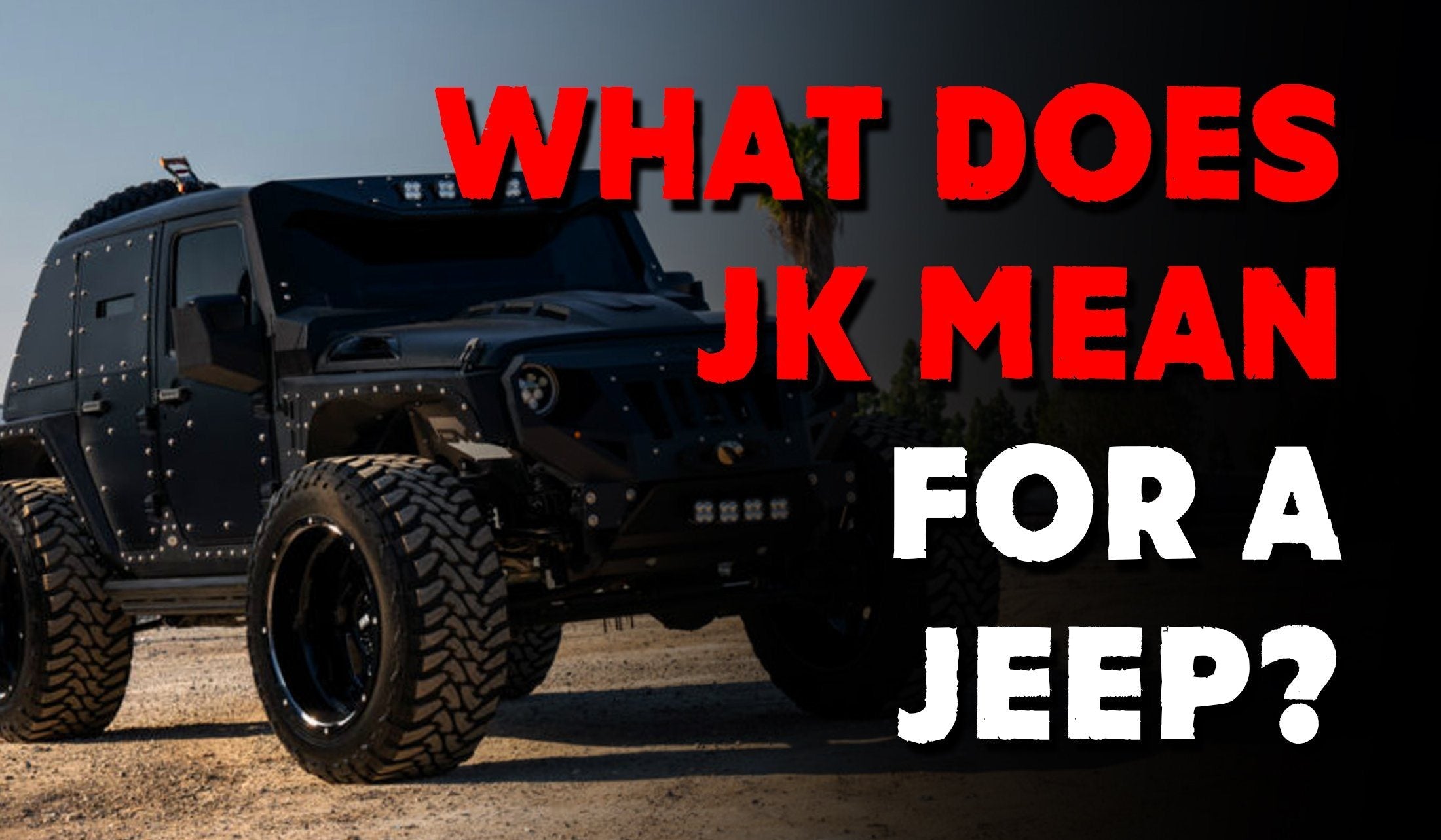
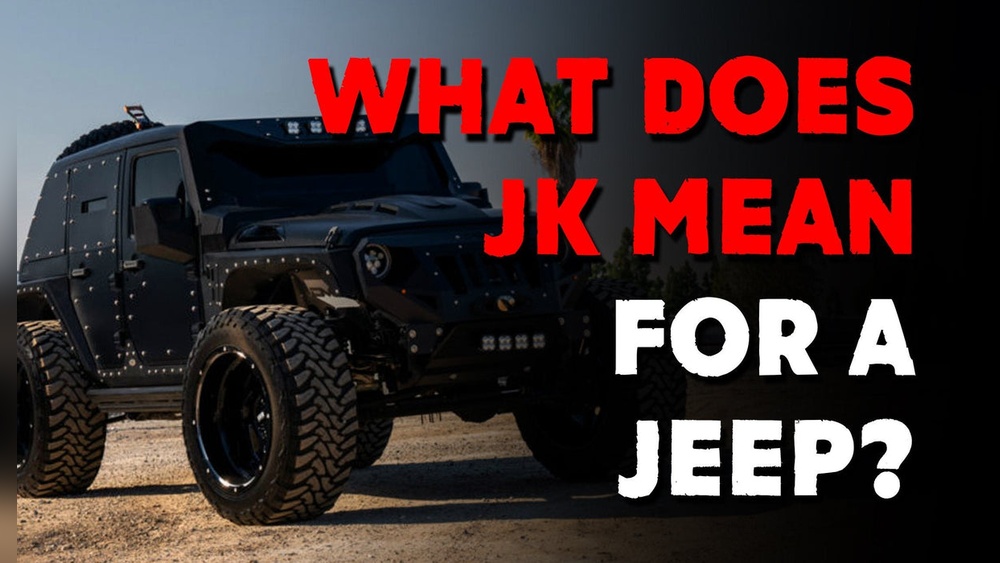
JK is the factory code Jeep used for its Wrangler models built from 2007 to 2018. This code helps Jeep and aftermarket companies identify parts, accessories, and upgrades that fit this generation. It’s important to note that JK is not an acronym; it’s simply an internal label used by Jeep engineers.
Why Does Jeep Use Codes?
Jeep uses codes like TJ, JK, JL, XJ, WK, and WL to mark each model’s platform. These codes make it easier to:
- Find compatible parts
- Identify model changes
- Understand vehicle history
For example, if you buy a bumper or roof rack, you need to know your Jeep’s code to avoid mistakes.
Jeep Jk Model Years And Key Specs
The JK Wrangler was produced from 2007 to 2018. It replaced the older TJ model and brought many changes. Here’s a quick overview:
| Model | Years | Body Styles | Engine Options | Transmission |
|---|---|---|---|---|
| TJ | 1997–2006 | 2-door | 4.0L I6, 2.4L I4 | 5-speed manual, 4-speed auto |
| JK | 2007–2018 | 2-door, 4-door (Unlimited) | 3.8L V6, 3.6L V6 | 6-speed manual, 4/5-speed auto |
| JL | 2018–present | 2-door, 4-door | 2.0L I4, 3.6L V6, 3.0L Diesel | 6-speed manual, 8-speed auto |
The JK was the first Wrangler available with four doors (Unlimited), making it more family-friendly.

Jk Features And Trim Levels
JK Wranglers came in several trims. Here are the most common:
- Sport: Base model, good for daily use.
- Sahara: More comfort, added features, good for mild off-roading.
- Rubicon: Best for serious off-roading, with stronger axles and lockers.
The JK also had special editions, like Moab and Mountain.
Engine And Transmission
- 2007–2011: 3.8L V6 (202 hp, 237 lb-ft torque)
- 2012–2018: 3.6L Pentastar V6 (285 hp, 260 lb-ft torque)
- Manual and automatic transmissions available
The 3.6L Pentastar engine is known for reliability and better power.
Towing, Safety, And Compatibility
JK Wranglers have different towing capacities:
- 2-door JK: Up to 2,000 lbs
- 4-door Unlimited: Up to 3,500 lbs
Safety features include airbags, ABS, and traction control. JKs are compatible with many accessories, but not all JL or TJ parts fit.
Comparison: Jk Vs. Jl Vs. Tj
| Feature | JK | JL | TJ |
|---|---|---|---|
| Body Style | 2/4-door | 2/4-door | 2-door |
| Engine Power | 202–285 hp | 270–285 hp | 190 hp |
| Towing (4-door) | 3,500 lbs | 3,500 lbs | 2,000 lbs |
| Advanced Safety | Basic | Optional | Minimal |
| Interior Tech | Simple | Modern | Very basic |
JK models have more space and comfort than the TJ, but less tech than the JL.

Buying Tips For Jk Owners
If you’re buying a used JK, consider these tips:
- Check model year: 2012–2018 have better engines.
- Inspect for rust: Frames and underbody are common spots.
- Test electronics: Older JKs may have wiring issues.
- Check recalls: Some JKs had airbag recalls.
- Confirm compatibility: Accessories must fit JK, not TJ or JL.
Common Mistakes
- Buying JL parts for a JK by accident
- Ignoring trim differences
- Overlooking towing limits
Repair And Maintenance Advice
JKs are tough, but some issues are common:
- Death wobble: Sudden steering shake, usually caused by worn suspension parts.
- Leaking seals: Look for fluid under the Jeep.
- Electrical gremlins: Check battery and wiring if lights or radio fail.
If you notice death wobble, inspect the track bar, tie rods, and ball joints. Repairs often cost $200–$800, depending on parts. For major leaks or engine issues, visit a mechanic.
Other Jeep Platform Codes Explained
You may see other codes like XJ (Cherokee), WK (Grand Cherokee), and WL (new Grand Cherokee). These codes help buyers and mechanics:
- TJ: Older Wrangler, less comfort, simpler parts
- JK: More space, modern features, easy upgrades
- JL: Latest Wrangler, advanced tech, new engines
- XJ: Cherokee, boxy style, reliable
- WK/WL: Grand Cherokee, luxury and family use
If you’re looking for Jeep history or want to learn more, check the official Jeep site or Wikipedia.
Frequently Asked Questions
What Years Were Jeep Jk Wranglers Made?
JK Wranglers were made from 2007 to 2018. The 2018 model overlaps with the JL, so both were sold that year.
Are Jk And Jl Parts Interchangeable?
Most parts are not interchangeable. JL parts usually do not fit JK models because of different designs and mounts.
How Can I Identify If My Jeep Is A Jk?
Look for the VIN code and check the year. JKs have four doors (Unlimited) and round headlights. The owner’s manual also mentions JK.
What Is The Towing Capacity Of A Jk Wrangler?
A 2-door JK can tow up to 2,000 lbs. The 4-door Unlimited can tow up to 3,500 lbs. Always check your manual before towing.
What Is The Most Reliable Jk Engine?
The 3.6L Pentastar V6 (2012–2018) is considered more reliable and powerful than the earlier 3.8L V6.
If you’re looking to upgrade, repair, or buy accessories for your Jeep, knowing your platform code is essential. The JK Wrangler offers a blend of ruggedness and comfort, making it a favorite among enthusiasts. By understanding what JK stands for, you can keep your Jeep running smoothly and avoid costly mistakes.
Suggested internal-link anchor texts:
- Jeep Wrangler model guide
- Jeep towing capacity explained
- Jeep maintenance tips