Ever heard someone say, “Do you know what JEEP stands for? ” If you own a Jeep or spend time with off-road enthusiasts, you probably have. This playful question leads to all kinds of answers—some funny, some clever, and some based on real Jeep history.
Let’s explore why this joke is so popular, where it comes from, and what it says about the Jeep brand and its fans.
Meta description:
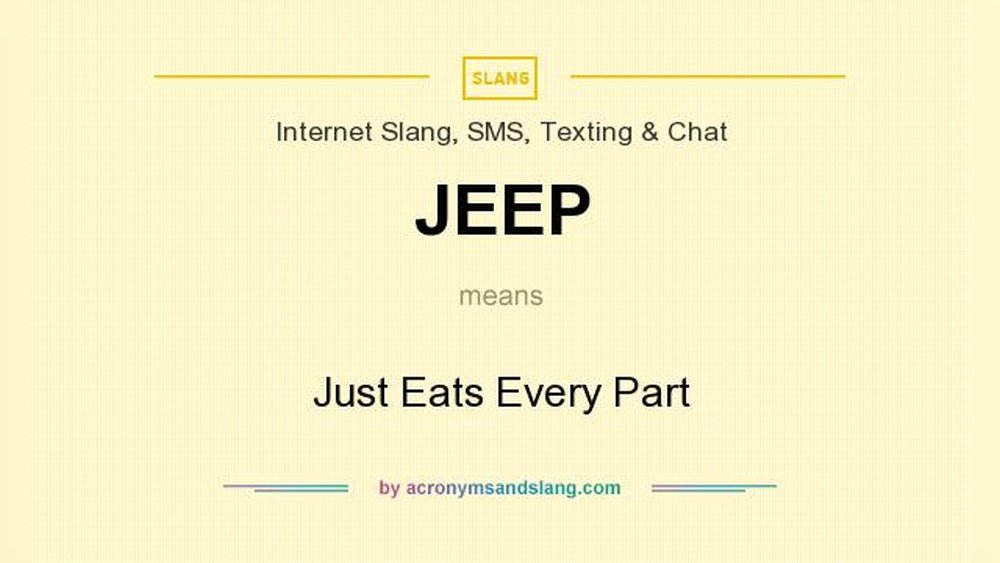
Explore the “What Does Jeep Stand For” joke, its origins, funny meanings, and Jeep model differences. Learn fun facts for Jeep fans in under 1000 words.
Why People Love The “jeep Stand For” Joke
There’s something about Jeep that inspires creative jokes. Most car brands have clear names, but “Jeep” sounds like it could be an abbreviation. This opens the door for owners and fans to make up funny meanings. The joke is common at Jeep meetups, forums, and even in ads.
People love the joke because:
- Jeep owners often enjoy teasing new drivers.
- The brand has a tough, adventurous image.
- It’s a fun way to talk about Jeep quirks, like repairs or off-roading.
The Most Popular “what Does Jeep Stand For” Jokes
Here are some of the most well-known versions. These play with the idea that JEEP is an acronym:
1. Just Empty Every Pocket
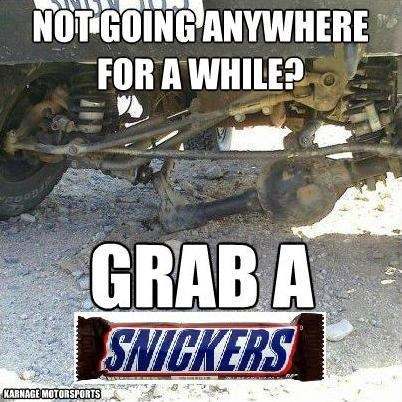
This is the classic. It pokes fun at the cost of Jeep upgrades, repairs, and accessories. Owners know that building the perfect Jeep can get expensive.
2. Just Enough Essential Parts
This joke highlights Jeep’s simple, rugged style. Early Jeeps had few luxuries, but they got the job done.
3. Jump Every Environmental Puddle
A playful nod to off-roading and mudding, suggesting Jeeps love to get dirty.
4. Jungle Expedition Equipped Product
This one has an adventurous feel, referencing Jeep’s history in World War II and exploration.
5. Journey Ends Every Place
Suggests that Jeeps can go anywhere, even off the beaten path.
What’s The Real Origin Of The Name “jeep”?
Despite the jokes, the name “Jeep” is not an acronym. Most historians believe it comes from the military slang “G. P. ” for “General Purpose” vehicle, which, when said quickly, sounds like “Jeep. ” Some also link it to the character “Eugene the Jeep” from Popeye comics—a magical creature that could go anywhere.
According to Wikipedia, the Jeep name first appeared in the early 1940s as soldiers began using it to describe their new, all-terrain vehicle.
How The Joke Connects To Jeep Ownership
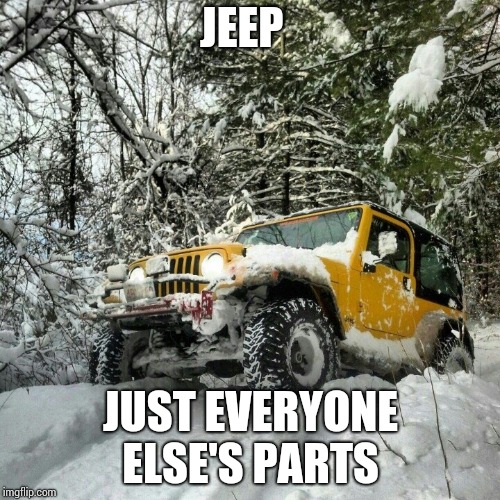
Many Jeep owners take pride in their vehicle’s quirks. The “Just Empty Every Pocket” joke, for example, isn’t just about cost—it’s about passion. Jeep fans love to:
- Upgrade tires, bumpers, and lights
- Join off-road clubs
- Fix their own Jeeps
It’s true that parts and repairs can add up, especially on older models like the TJ or XJ. But the community and adventure make it worthwhile.
Comparing Common Jeep Platforms
Different Jeep models have their own personalities. Here’s a quick comparison of some popular platforms often mentioned in Jeep circles:
| Model Code | Years | Body Style | Main Use |
|---|---|---|---|
| TJ | 1997–2006 | Wrangler (2-door) | Classic off-roading |
| JK | 2007–2018 | Wrangler (2/4-door) | Modern upgrades |
| JL | 2018–Present | Wrangler (2/4-door) | Latest tech |
| XJ | 1984–2001 | Cherokee (4-door) | Budget overlanding |
| WK | 2005–2010 | Grand Cherokee | Family SUV |
| WL | 2021–Present | Grand Cherokee | Luxury + off-road |
Real Costs: “just Empty Every Pocket”?
Is the joke true? Let’s look at some typical ownership costs for popular Jeep models.
| Model | Year | Annual Repair Cost (Avg.) | Common Repairs |
|---|---|---|---|
| Wrangler JK | 2015 | $650 | Suspension, brakes |
| Wrangler JL | 2021 | $450 | Electronics, seals |
| Cherokee XJ | 1999 | $800 | Cooling system, axles |
| Grand Cherokee WK | 2008 | $750 | Transmission, steering |
Costs depend on how you drive, climate, and if you do your own repairs. Newer models like the JL have lower average costs due to better parts and warranty. Older Jeeps can be more expensive if you want to keep them trail-ready.
Non-obvious Insights For Jeep Owners
Many new Jeep drivers think repairs are always expensive. But here’s what most don’t realize:
- DIY repairs save money. There’s a huge community and many guides online.
- Aftermarket parts can be cheaper than dealer parts.
- Regular maintenance (oil, fluids, checking suspension) prevents big costs later.
Also, not all Jeeps are built the same. For example, the JL is more comfortable but has more electronics, which can mean different repair needs compared to the simpler TJ or XJ.
When To Laugh—and When To Worry
It’s fun to joke about “Just Empty Every Pocket,” but some issues shouldn’t be ignored. If you notice these symptoms, consider seeing a mechanic:
- Transmission slipping or hard shifts
- Unusual noises from axles or suspension
- Leaking fluids
- Warning lights that stay on
Ignoring these can lead to bigger, more expensive problems.
Faq: Frequently Asked Questions
What Does “just Empty Every Pocket” Mean?
It’s a popular joke meaning Jeep owners spend a lot on upgrades and repairs. It’s said with pride, showing love for the Jeep lifestyle.
Is Jeep Really An Acronym?
No, Jeep is not officially an acronym. The name likely comes from military slang “G.P.” for “General Purpose” vehicle.
Are Jeeps More Expensive To Repair Than Other Suvs?
Jeeps can be a bit higher to maintain, especially older models. But smart shopping for parts and doing simple repairs yourself can keep costs down.
What’s The Difference Between Jk, Jl, Tj, And Xj?
These are platform codes for different Jeep generations. For example, JK is Wrangler (2007–2018), JL is Wrangler (2018–present), TJ is Wrangler (1997–2006), and XJ is Cherokee (1984–2001).
Are Jeeps Good For Daily Driving?
Modern Jeeps like the JL Wrangler and Grand Cherokee WL are comfortable for daily use. Older models are less refined but great for off-roading.

- Jeep Wrangler maintenance tips
- Off-road accessories for Jeep JK
- Jeep Grand Cherokee towing capacity
Owning a Jeep is about adventure, community, and a little humor. The “What Does Jeep Stand For” joke is a reminder not to take things too seriously—after all, Jeeps are built for fun, wherever the road (or trail) may lead.