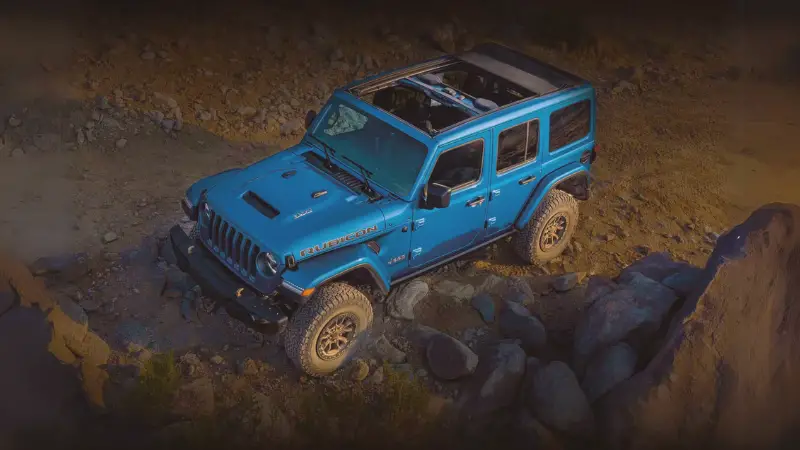
If you drive a Jeep or you’re planning to buy one, you’ll notice some unique settings on the dashboard. One of the most common – and confusing – is 4H. You may wonder what “4H” means, when to use it, and how it actually affects your Jeep’s performance. Getting this right can make a big difference in your driving experience, especially if you go off-road or deal with tough weather. Let’s break down what 4H is, how it works, and why it matters for Jeep owners.
Understanding 4h In A Jeep
4H stands for Four-High, a setting found in four-wheel drive (4WD) vehicles like Jeeps. When you switch your Jeep to 4H, power goes to all four wheels instead of just two. This gives your vehicle extra traction on slippery or loose surfaces, such as mud, snow, sand, or gravel.
In simple terms, 4H helps your Jeep “grab” the road or trail better. It’s not meant for daily city driving on dry pavement. Instead, it’s designed for situations where you need more grip but still want to drive at normal speeds.
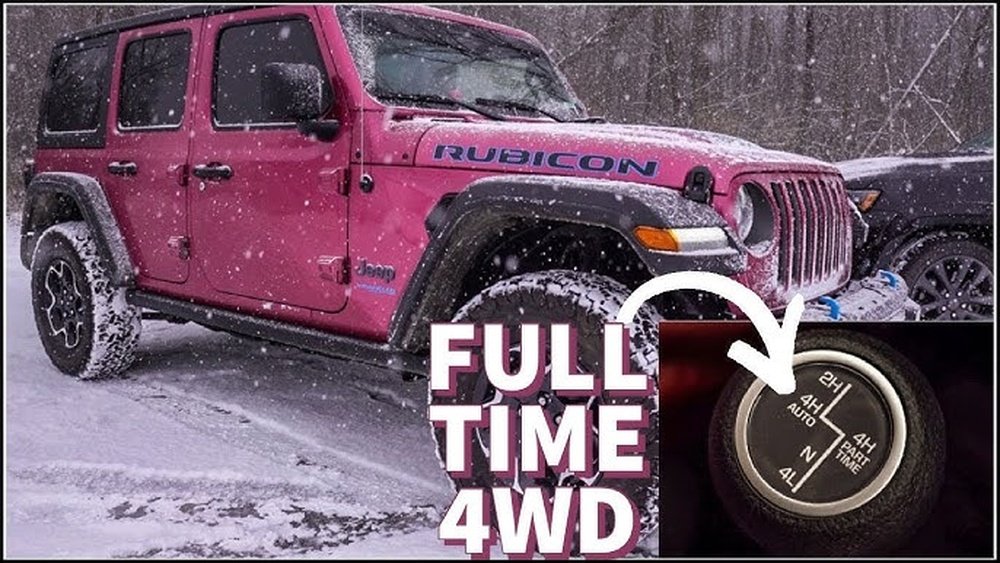
Using 4H at the wrong time can actually damage your Jeep’s drivetrain.
How 4h Compares To Other Jeep Drive Modes
Jeeps often come with several drive modes, including 2H, 4H, 4L, and sometimes Auto. Here’s a quick look at how 4H stacks up against the others:
| Mode | What it Does | Best Used For |
|---|---|---|
| 2H (Two-High) | Power to rear wheels only | Normal driving on dry pavement |
| 4H (Four-High) | Power to all four wheels | Snow, mud, sand, loose gravel |
| 4L (Four-Low) | Power to all wheels, with more torque and less speed | Steep hills, deep mud, heavy off-roading |
| Auto (if equipped) | Switches between 2WD and 4WD as needed | Mixed or changing conditions |
A common mistake is confusing 4H and 4L. Both use all four wheels, but 4L is for slow, tough situations, while 4H is for faster travel on surfaces that are just slippery or loose.
When To Use 4h
Using 4H at the right time is key to staying safe and avoiding damage. Here are the main situations where you should use this setting:
- Snowy or Icy Roads – If the road is covered in snow or ice, 4H improves stability and helps prevent spinning out.
- Muddy Trails – In mud, 4H keeps all four wheels moving, so you’re less likely to get stuck.
- Sand or Loose Gravel – On the beach or on unpaved trails, 4H helps your Jeep float over the surface instead of digging in.
- Light Off-Roading – If the trail isn’t too steep or rocky, 4H gives you the control and grip you need.
You should NOT use 4H on dry, paved roads for long periods. The extra grip isn’t needed, and it can strain your Jeep’s drivetrain.
How To Engage And Disengage 4h
Switching to 4H is simple, but there are steps to follow for safety and best results. Most modern Jeeps have a lever or dial for drive modes.
- Slow Down – It’s best to switch to 4H when you’re driving under 50 mph.
- Move the Selector – Shift the lever or dial from 2H to 4H. In most Jeeps, you can do this “on the fly” (while moving).
- Check the Indicator – A light on your dashboard should confirm you’re now in 4H.
To disengage, just reverse the steps: slow down, shift back to 2H, and wait for the dashboard light to change.
Some older Jeeps may require you to stop completely before switching. Always check your owner’s manual, as the process can differ by model.

Benefits And Drawbacks Of Using 4h
Like any feature, 4H has upsides and downsides. Here’s what you should know:
| Benefits | Drawbacks |
|---|---|
|
|
One thing many beginners miss: if you hear a “binding” sound or feel the Jeep resisting tight turns in 4H, you’re probably using it on a surface with too much grip. Always switch back to 2H on dry roads.
4h Vs. Awd: What’s The Difference?
Some vehicles have all-wheel drive (AWD) instead of 4WD. The main difference is that AWD is always on and automatically sends power to the wheels that need it. 4H is a driver-controlled mode, so you choose when to use it.
AWD is better for daily use on mixed roads. 4H is stronger for off-roading or severe conditions. Jeeps are famous for their part-time 4WD, which is tougher than most AWD systems.
Real-world Example: Winter Driving
Imagine you’re in Colorado, and a snowstorm hits. You’re on a winding mountain road, and the surface is slick. If you keep your Jeep in 2H, you might lose traction and slide. Switching to 4H instantly gives you more grip and control.
But when you reach a clear, dry road, it’s time to return to 2H to protect your vehicle.
Common Mistakes Jeep Drivers Make With 4h
- Using 4H on dry pavement – this puts stress on the drivetrain and tires.
- Leaving 4H engaged after the road clears.
- Confusing 4H with 4L – 4L is for very slow, tough conditions only.
- Forgetting to switch out of 4H before parking or making tight turns.
Many Jeep owners also don’t check their tires often enough. The best traction requires tires with good tread. Worn tires can make 4H less effective, especially on ice.

Frequently Asked Questions
What Does 4h Stand For In A Jeep?
4H means Four-High, a mode that sends power to all four wheels for better traction on slippery surfaces.
Can I Use 4h On The Highway?
You can use 4H on highways only if the road is snowy, icy, or covered in mud or sand. Avoid using it on dry pavement.
How Fast Can I Drive In 4h?
Most Jeeps allow speeds up to 55 mph in 4H. Always check your owner’s manual, as some models have lower limits.
Is 4h The Same As All-wheel Drive?
No. AWD is always active and automatic, while 4H is a driver-chosen mode for special conditions. You can learn more about the difference at the Wikipedia Four-wheel drive page.
When Should I Use 4h Vs. 4l?
Use 4H for light off-roading, snow, or sand at regular speeds. Use 4L for very slow driving over steep hills, rocks, or deep mud.
Knowing how and when to use 4H in your Jeep keeps you safer and helps you get the most from your vehicle. With practice, you’ll know exactly which mode to use and when—making every drive smoother, whether you’re tackling a mountain trail or just facing a snowy morning commute.