If you love driving your Jeep off-road, you may have heard about lockers. But what do lockers actually do on a Jeep? Many beginners confuse them with limited-slip or think they only help in deep mud. In reality, lockers are a game-changer for anyone who wants to tackle rough terrain with confidence. Let’s explore how lockers work, why they matter, and what sets them apart from other traction devices.
What Are Lockers On A Jeep?
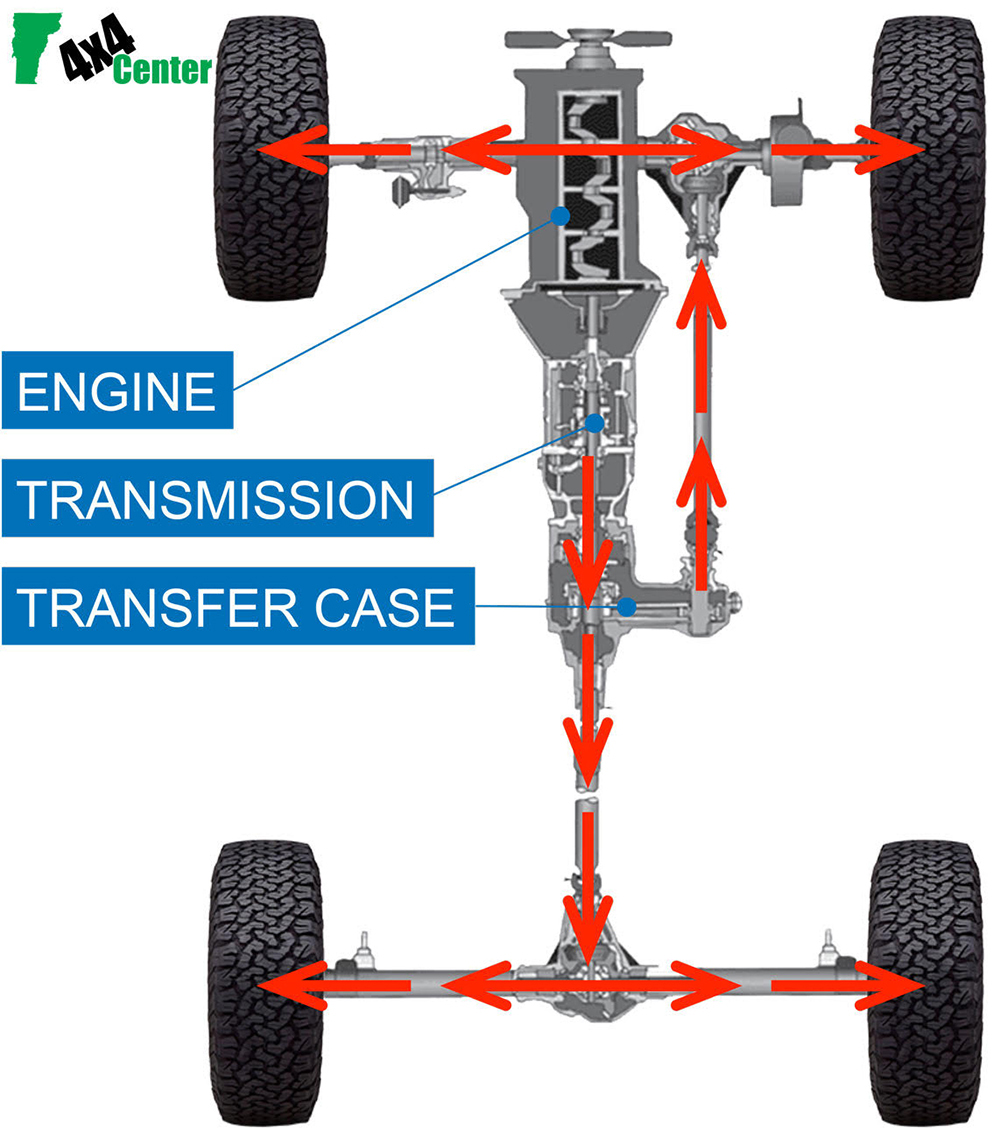
A locker is a device inside your Jeep’s axle that controls how the wheels turn. Normally, your Jeep uses a differential to allow wheels to spin at different speeds. This is important on smooth roads and during turns. But when you go off-road, one wheel can lose grip, causing you to get stuck.
Lockers solve this problem by forcing both wheels on the same axle to turn at the same speed, no matter what. This is called “locking the differential. ” When locked, both wheels get equal power, even if one is off the ground or on slippery mud.
Types Of Lockers
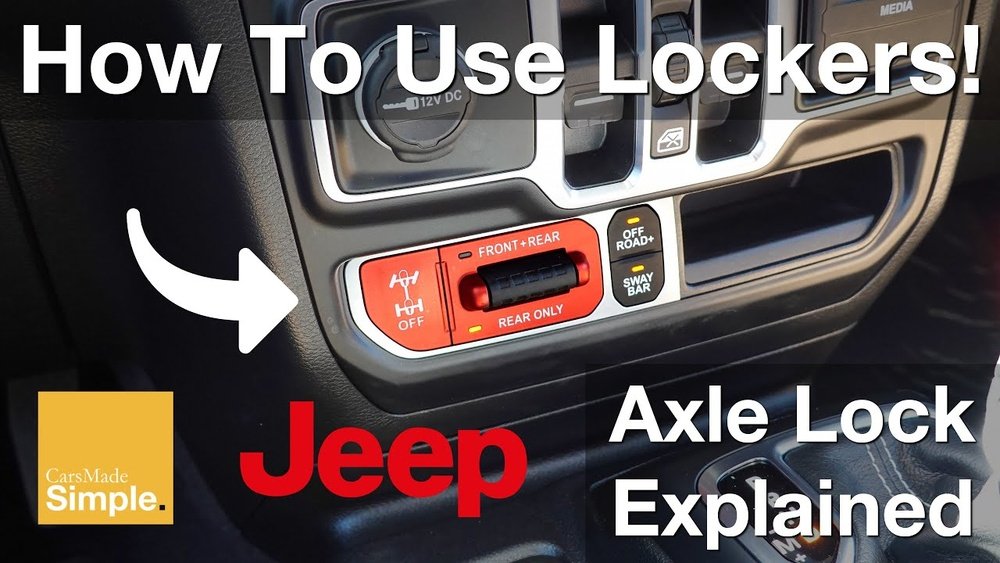
There are several types of lockers used in Jeeps. Each has its own strengths and weaknesses. Here’s a quick look:
| Locker Type | How It Works | Best For |
|---|---|---|
| Automatic Locker | Locks when needed, unlocks for turns | Daily driving, light trails |
| Manual Locker | Driver activates lock with switch or cable | Serious off-road, rock crawling |
| Limited-Slip | Reduces slip, but doesn’t fully lock | Snow, sand, moderate trails |
The most common locker brands for Jeeps are ARB, Detroit Locker, and Eaton. Some models, like the Jeep Wrangler Rubicon, come with factory-installed lockers.

Why Lockers Matter For Off-roading
Lockers make a huge difference when driving in tough conditions. Here’s why:
- Better Traction: With lockers, both wheels push together. You can drive over rocks, through mud, or climb steep hills much easier.
- Less Wheel Spin: You avoid spinning one wheel uselessly while the other does nothing. This saves your tires and prevents getting stuck.
- More Control: Lockers let you keep moving even if one wheel loses grip. This is critical in deep sand, wet grass, or snow.
Let’s compare performance with and without lockers:
| Situation | No Locker | Locker Engaged |
|---|---|---|
| Rock Crawl | One wheel spins, Jeep stalls | Both wheels grip, Jeep climbs |
| Mud Pit | Easy to get stuck | Pushes through with power |
| Steep Hill | Loss of traction | Steady climb |
Non-obvious tip: Lockers don’t just help in mud or rocks. Even on wet pavement, a locker can boost grip if you need to pull a trailer or drive through deep snow.
Common Mistakes With Lockers
Many Jeep owners make mistakes when using lockers. Here are two you should avoid:
- Leaving Lockers On All the Time: Lockers are great off-road, but not on paved roads. If you drive with lockers engaged, it can damage your tires and axle, especially during turns. Always disengage lockers when you return to normal roads.
- Ignoring the Front Locker: People often think only the rear locker matters. In tough situations, a front locker can help you steer and climb obstacles. On many trails, having both front and rear lockers makes the difference.
Another insight: Some beginners forget that lockers don’t improve braking or steering. They only help with driving power. You still need to drive carefully on slippery roads.
How To Use Lockers Properly
Activating lockers is simple, but knowing when to use them is key. Most manual lockers have a switch or lever. Here’s how to use lockers safely:
- Stop or Slow Down: Engage lockers when you’re stopped or moving slowly.
- Use Only When Needed: Turn them off on smooth, dry roads.
- Avoid Sharp Turns: Lockers can make turning harder. Unlock them before tight corners.
Some Jeeps have automatic lockers that handle this for you. Always check your owner’s manual for the correct method.
Locker Maintenance And Reliability
Lockers are tough, but they need some care. Here are a few tips:
- Regular Inspection: Check your lockers every oil change. Look for leaks or strange noises.
- Lubrication: Use the right gear oil. Some lockers need special fluids.
- Professional Installation: If you’re adding lockers, get them installed by a pro. Bad installation can cause expensive damage.
A well-maintained locker can last over 100,000 miles. Factory lockers tend to be reliable, but aftermarket lockers sometimes require more care.
Locker Comparison: Factory Vs Aftermarket
Here’s a simple comparison:
| Feature | Factory Locker | Aftermarket Locker |
|---|---|---|
| Warranty | Covered by Jeep | Depends on brand |
| Strength | Good for moderate trails | Heavy-duty options |
| Cost | Included in vehicle price | Extra purchase and install |
| Control | Easy with factory switches | More custom choices |
For most drivers, factory lockers are enough. But if you plan serious off-roading, aftermarket lockers give you more strength and flexibility.
Frequently Asked Questions
How Do Lockers Help In Off-road Driving?
Lockers force both wheels on the axle to turn together. This prevents loss of traction, so your Jeep keeps moving even if one wheel slips.
Are Lockers Safe To Use On Regular Roads?
Lockers should only be used off-road or in slippery conditions. On normal roads, they can cause tire wear and make turning harder.
What Is The Difference Between Lockers And Limited-slip Differentials?
Lockers fully lock the axle, while limited-slip differentials only reduce slip. Lockers give maximum traction; limited-slip is good for mild conditions.
Can I Install Lockers On Any Jeep?
Most Jeeps can have lockers added, but it depends on the axle type and model. Always check compatibility and use a trusted installer.
Do Lockers Affect Fuel Economy?
Lockers do not use power when disengaged. When locked, they can cause more resistance, but the effect is small unless used often.
Lockers are one of the best upgrades for a Jeep that sees real off-road use. They give you traction, control, and confidence to tackle tough terrain. With proper use and care, lockers can transform your Jeep from a capable vehicle into a true adventure machine. For more technical details and Jeep locker history, visit Wikipedia.