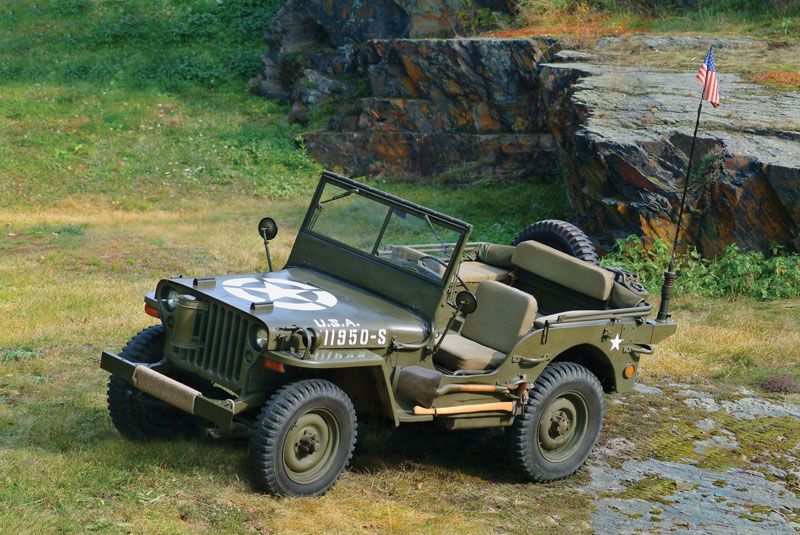
During World War II, the word “Jeep” became famous among soldiers and civilians. It described a small, tough military vehicle that could go almost anywhere. But what did “Jeep” really stand for in WW2? Was it an abbreviation, a nickname, or something else?
This article explores the history, meaning, and legacy of the Jeep during the war, clearing up common myths and sharing facts that many people do not know.
How The Jeep Got Its Name
The origin of the word “Jeep” is still debated. Many believe it came from the letters “G.P.,” which stood for “General Purpose” vehicle. Soldiers, when saying “G.P.” quickly, made it sound like “Jeep.” However, there is more to the story.
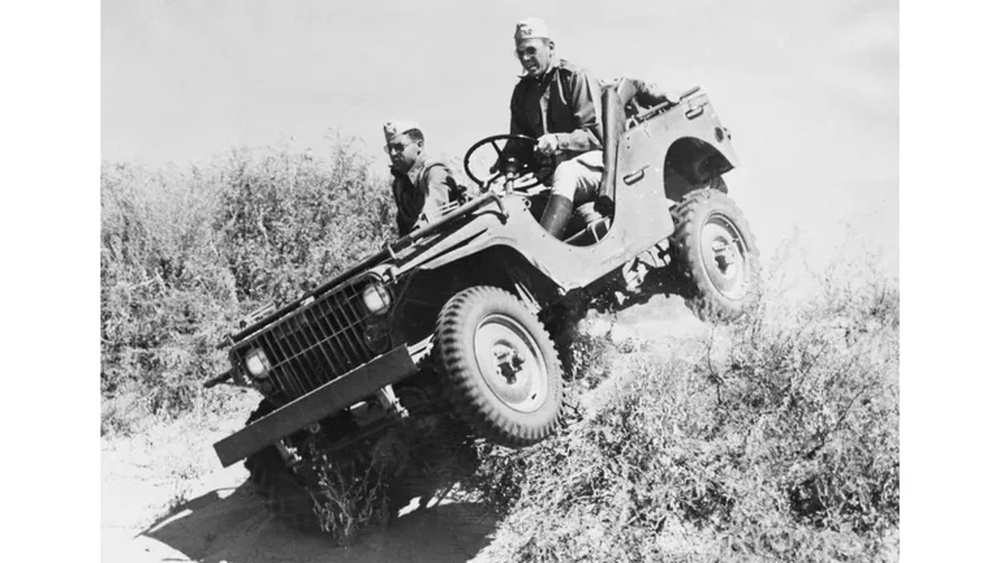
Some historians say the name came from a character in the Popeye comics—Eugene the Jeep. This creature could go anywhere and do anything, just like the vehicle. The name stuck because the Jeep was reliable, could travel over rough ground, and seemed almost magical to those who drove it.
It’s important to know that “Jeep” was never an official acronym during World War II. The U.S. Army referred to these vehicles as 1/4-ton 4×4 trucks or “Truck, 1/4-ton, 4×4, Command Reconnaissance.” “Jeep” was a nickname that soldiers and the public quickly adopted.
The Jeep’s Role In World War Ii
The WW2 Jeep was a key tool for the Allies. It was used in almost every theater of war, from Europe to the Pacific.
| Role | Example Use |
|---|---|
| Reconnaissance | Scouting enemy positions |
| Transport | Moving soldiers and supplies |
| Medical | Ambulance for the wounded |
| Command | Carrying generals and radio gear |
More than 640,000 Jeeps were built during the war. They helped win battles by being fast, light, and easy to repair. Unlike tanks or trucks, they could cross mud, sand, and snow. In North Africa, Jeeps pulled anti-tank guns. In Normandy, they raced across beaches. In the Pacific, they carried messages through jungles.
Two main companies made Jeeps during WW2: Willys-Overland and Ford. Willys designed the original MB model, and Ford built the GPW under contract. Both versions looked almost the same, with just a few small differences.
What Made The Jeep Unique?
Several features made the Jeep stand out from other military vehicles:
- 4×4 drive: All wheels received power, so it could handle mud, rocks, and steep hills.
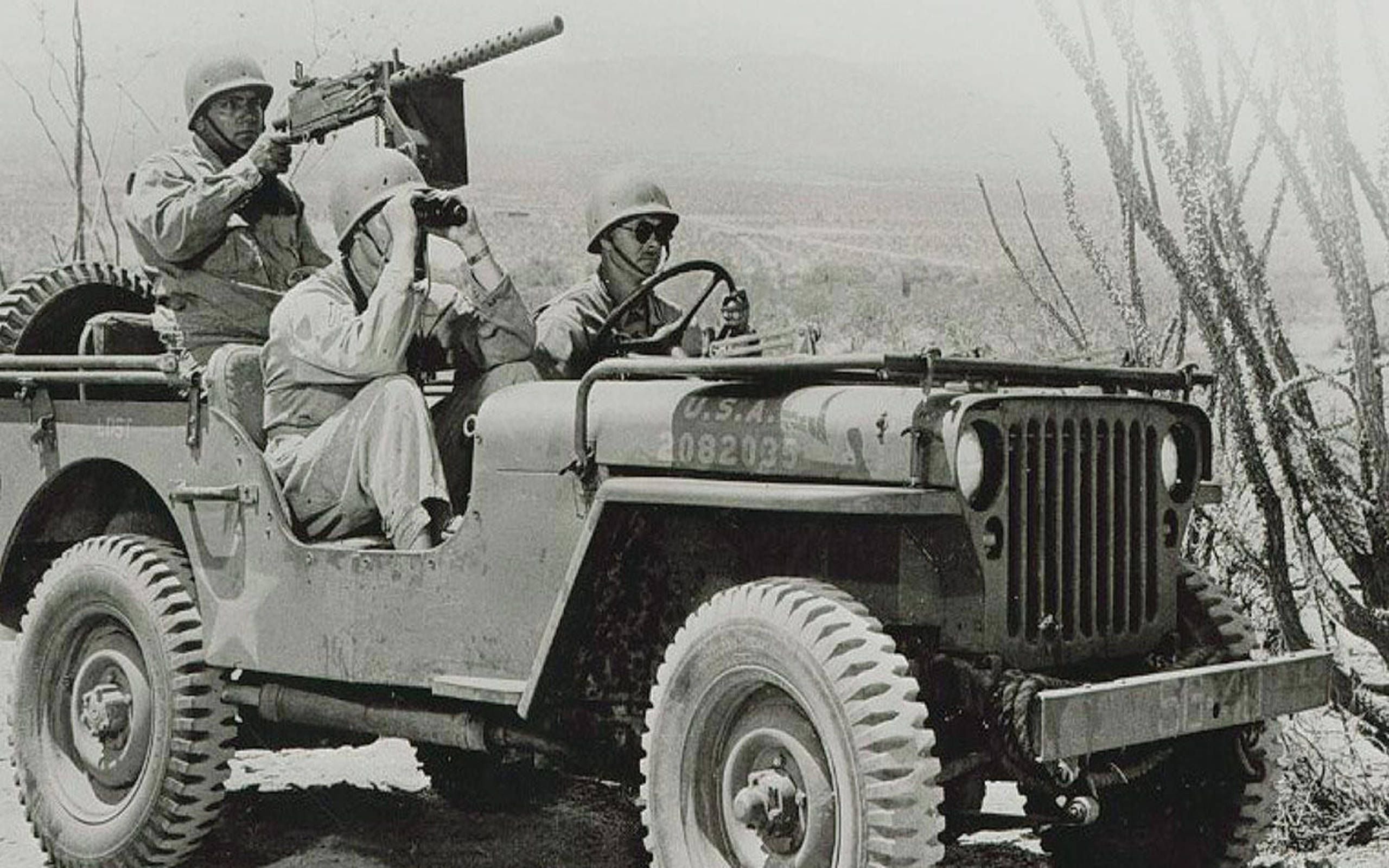
- Small size: The Jeep was only about 11 feet long and 5 feet wide, making it easy to hide and transport.
- Simple design: Soldiers could fix most problems with basic tools and spare parts.
- Versatility: The Jeep was used as a troop carrier, ambulance, radio truck, and even for mounting machine guns.
Here is a quick comparison between the Jeep and other WW2 military vehicles:
| Vehicle | Weight (lbs) | Top Speed (mph) | Role |
|---|---|---|---|
| Jeep (Willys MB/Ford GPW) | 2,450 | 65 | Multi-purpose |
| Dodge WC 3/4 ton | 5,250 | 54 | Troop/supply transport |
| M3 Half-track | 9,300 | 45 | Armored transport |
Non-obvious Facts Most People Miss
First, not all WW2 Jeeps were exactly the same. Willys and Ford used different parts numbers and sometimes small details like bolt heads or frame shapes. Collectors today look for these differences to tell models apart.
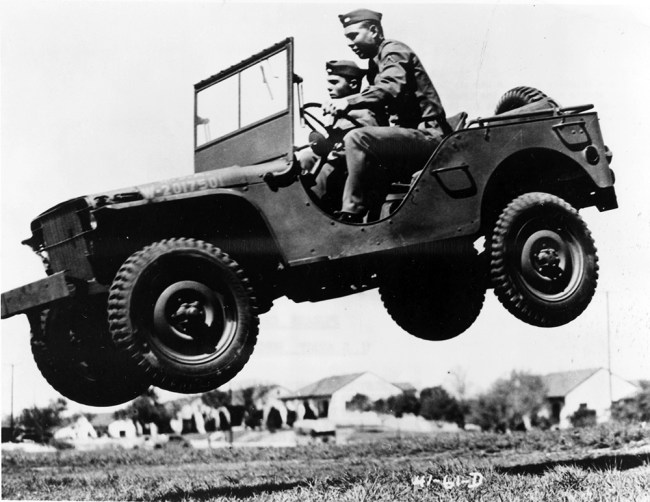
Second, the Jeep’s flat fenders were not just for looks. Soldiers could sit on them, strap gear, or even use them as a step. Also, the Jeep’s windshield could fold flat, making it easier to ship or to hide from enemy fire.
Another thing many forget: the Jeep helped create the idea of modern SUVs. After the war, companies turned the Jeep into civilian models, starting a whole new market.
Was “jeep” An Acronym In Ww2?
Some believe Jeep stood for:
- “General Purpose” (G.P.)
- “Government Purpose”
- “Just Enough Essential Parts”
There is little evidence these were used by the Army or the companies building Jeeps. The “G. P. ” theory mostly comes from Ford, which used “GP” as a model code. But the vehicle itself was not officially called “General Purpose.
”
The nickname “Jeep” became so common that the U. S. Army and the car companies started using it in advertising and manuals after the war. By 1950, “Jeep” was a registered trademark.
How The Jeep Changed Warfare
The Jeep’s real impact was its mobility. Armies could move quickly and react to changing battlefields. Commanders could visit the front lines, and medics could reach wounded soldiers faster.
Here’s how the Jeep compared to earlier military vehicles:
| Feature | Jeep (WW2) | Older Scout Car |
|---|---|---|
| Speed | 65 mph | 40 mph |
| Fuel Efficiency | 15-20 mpg | 8-10 mpg |
| Off-road Ability | Excellent | Poor |
The Jeep could be parachuted from planes, carried in gliders, or loaded onto ships. This flexibility changed how armies planned attacks and defended positions. The Jeep was called “the vehicle that won the war” by General Eisenhower.
The Jeep Legacy
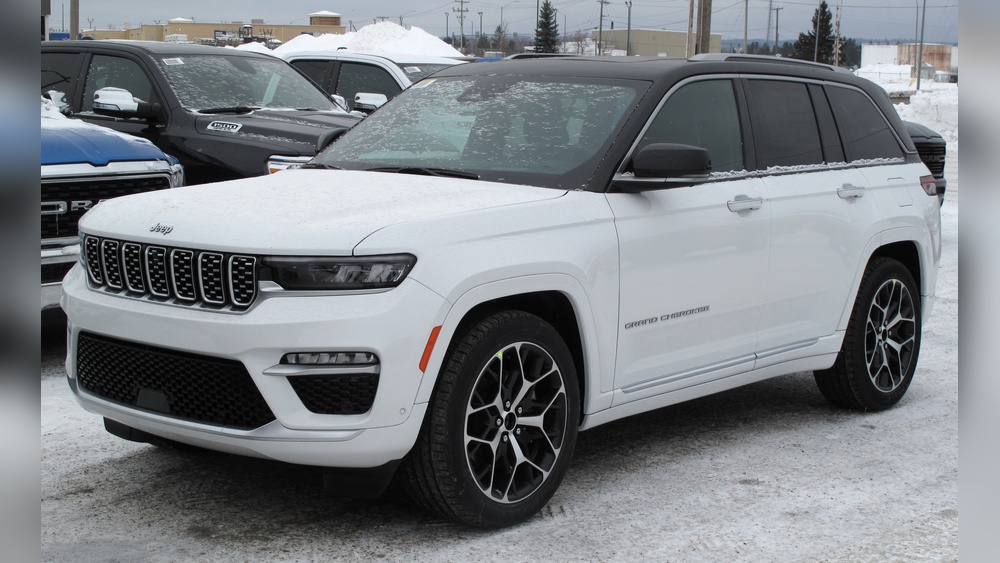
Today, the Jeep brand is famous worldwide. Modern Jeeps are larger and more comfortable, but they still carry the spirit of the WW2 original—tough, reliable, and adventurous.
Many WW2 Jeeps survive in museums, car shows, and private collections. They remind us of a time when simple design and clever engineering helped change history.
If you want to read more about the Jeep’s history, visit the Jeep Wikipedia page for detailed information.
Frequently Asked Questions
What Did “jeep” Stand For During Ww2?
“Jeep” did not officially stand for anything during WW2. It was a nickname, possibly from “G. P. ” (General Purpose) or the Popeye comic character. The Army used technical terms like “Truck, 1/4-ton, 4×4. ”
Who Made The First Ww2 Jeep?
Willys-Overland won the Army contract for the first Jeep, called the MB. Ford also built Jeeps under license, known as the GPW. Both are almost identical except for some small details.
How Many Jeeps Were Built In Ww2?
Over 640,000 Jeeps were produced between 1941 and 1945. They served in every major campaign and were used by the U.S., Britain, the Soviet Union, and other Allied nations.
Why Was The Jeep So Important In Ww2?
The Jeep’s off-road ability, speed, and simple design made it perfect for scouting, carrying supplies, and many other tasks. It gave armies new flexibility and helped win key battles.
Can You Still Find Ww2 Jeeps Today?
Yes, many WW2 Jeeps have survived. They are popular with collectors and can be found at car shows, museums, and in private hands. Some are restored and still run well after 80 years.
The Jeep’s story in WW2 is more than a tale of a vehicle it’s about creativity, teamwork, and how a simple idea can become a legend.