Owning a Jeep comes with its own culture. If you’ve seen colorful rubber ducks on Jeep dashboards, mirrors, or door handles, you might wonder what they mean. These little ducks are not just decorations; they’re part of a fun tradition called Jeep Ducking. This article explores the story behind the ducks, how the trend began, why it matters to Jeep owners, and how you can get involved.
The Origin Of Jeep Ducks
The Jeep Ducking tradition started in Canada in 2020. A Jeep owner named Allison Parliament wanted to spread kindness after a stressful experience. She placed a small rubber duck on a stranger’s Jeep with a note, sparking a movement. Jeep owners everywhere began leaving ducks on other Jeeps, turning a simple gesture into an international trend.
This act quickly gained popularity. Social media platforms like Instagram and Facebook helped spread the idea, with hashtags like #DuckDuckJeep and #JeepDucking. As a result, the ducking movement became a symbol of friendship among Jeep enthusiasts.
What Do Ducks On Jeeps Mean?
Seeing a duck on a Jeep usually means that another Jeep owner noticed the vehicle, admired it, and wanted to share positivity. The ducks represent:
- Recognition: Jeep owners appreciate each other’s vehicles, especially unique or well-kept Jeeps.
- Community spirit: Ducking builds connections between strangers who share a love for Jeeps.
- Fun and kindness: It’s a playful way to brighten someone’s day.
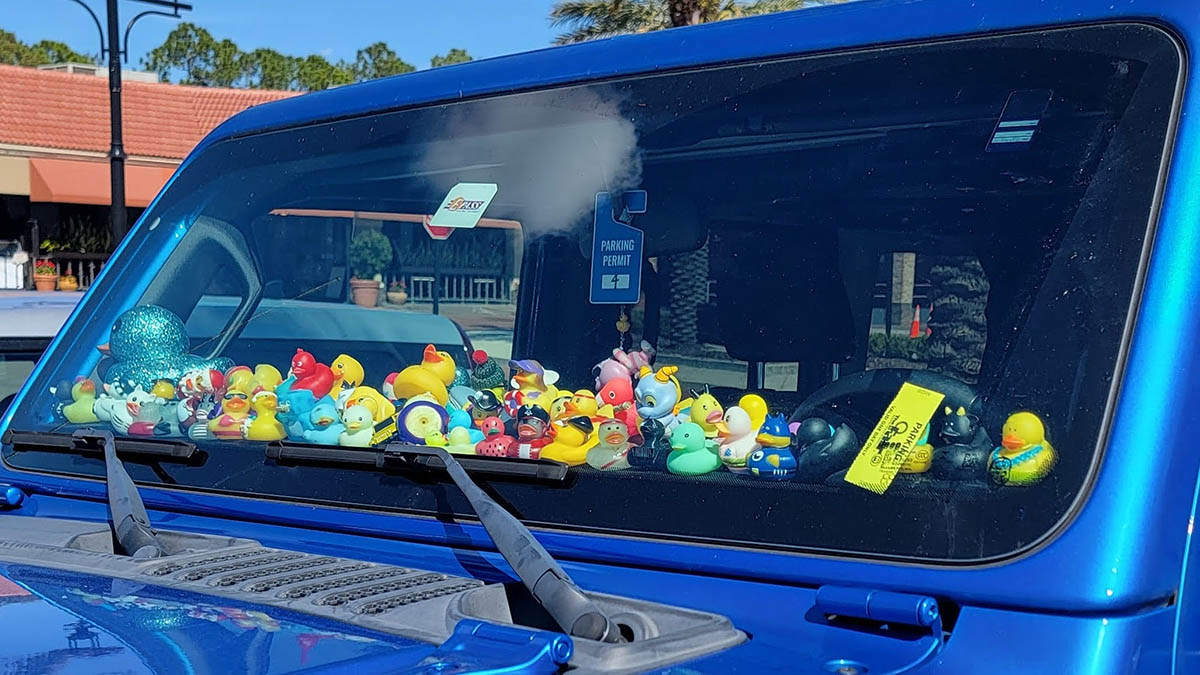
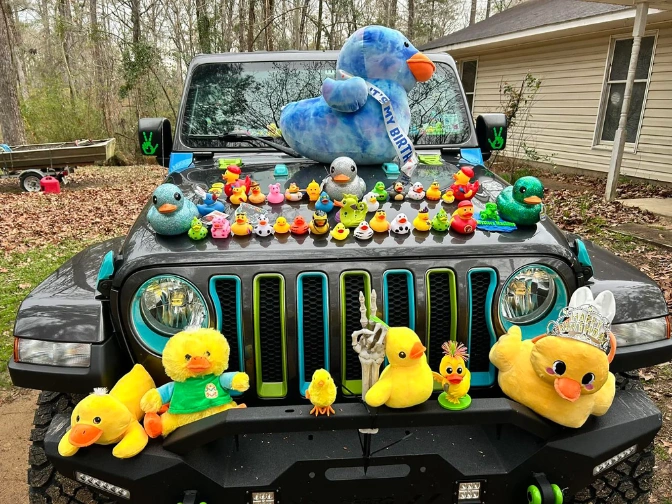
Some Jeep drivers collect the ducks they receive, displaying them on dashboards or hanging them from mirrors. Others pass them along, continuing the chain of goodwill.
Types Of Ducks And Their Significance
Rubber ducks used for Jeep Ducking come in many shapes, colors, and sizes. While classic yellow ducks are common, some Jeep owners use themed ducks—pirates, superheroes, animals, and holiday designs.
| Duck Type | Color | Symbolism |
|---|---|---|
| Classic | Yellow | Tradition, friendliness |
| Themed | Multicolor | Personal touch, creativity |
| Holiday | Red/Green | Festive spirit |
Some Jeep owners personalize ducks with tags or notes. Others even track their ducks using social media, posting photos and stories.
How Jeep Ducking Works
The process is simple:
- Buy rubber ducks—any style or color works.
- Spot a Jeep you like (often in parking lots or at events).
- Place a duck on the Jeep, usually on the door handle or windshield.
- Add a note if you want, like “Nice Jeep!” or “You’ve been ducked!”
- Share the moment on social media, tagging the Jeep Ducking community.
This tradition isn’t limited to just new Jeeps. Any model—from the classic Jeep Wrangler to the newer Jeep Gladiator—can be ducked. The fun is in the surprise and the connection.
Why Jeep Ducking Is Popular
Jeep Ducking caught on for several reasons:
- Social connection: Jeep owners often wave to each other. Ducking is another way to acknowledge fellow drivers.
- Inclusivity: Anyone can participate, no matter their Jeep model or age.
- Collecting: Ducks become trophies, with some owners collecting hundreds.
- Events: Ducking is popular at Jeep meetups, festivals, and charity drives.
According to surveys, over 60% of Jeep owners in North America have received a duck at least once. In some cases, Jeep dealerships even give ducks to new buyers.
Jeep Ducking Compared To Other Car Traditions
Jeep Ducking is unique, but car culture has other traditions too. Here’s a comparison:
| Tradition | Vehicle Type | Main Purpose |
|---|---|---|
| Jeep Ducking | Jeep | Kindness, community |
| Car Club Stickers | All cars | Group identity |
| Waving | Motorcycles, Jeeps | Recognition |
Unlike stickers or waving, ducking involves a physical gift and surprise, making it more interactive and memorable.
How To Start Ducking
If you want to join in, here are a few tips:
- Pick ducks that stand out: Bright colors catch attention and make people smile.
- Add a small note: A friendly message adds a personal touch.
- Respect property: Place ducks where they won’t damage the Jeep.
- Connect online: Share your ducking stories with the #DuckDuckJeep hashtag.
Many Jeep owners join online groups to see where their ducks travel. This adds a new layer of excitement, as some ducks move across states or even countries.
Most beginners focus on the fun, but Jeep Ducking has deeper effects:
- Mental health boost: Acts of kindness, like ducking, can reduce stress and increase happiness.
- Networking: Jeep events and online groups help owners make friends and share advice.
- Vehicle pride: Owners often clean and upgrade their Jeeps, hoping to get “ducked.”
Some Jeep clubs even use ducking to raise money for charity. For example, in 2022, a group in Ohio used Jeep Ducking to collect donations for children’s hospitals.
Data: Jeep Ducking Growth
The popularity of Jeep Ducking is clear from social media and sales data.
| Year | Instagram Posts (#DuckDuckJeep) | Estimated Duck Sales |
|---|---|---|
| 2020 | 5,000 | 200,000 |
| 2021 | 20,000 | 800,000 |
| 2023 | 60,000 | 2,000,000 |
As the trend grows, more businesses now sell custom ducks for Jeep fans. You can find them online or at Jeep events.
Frequently Asked Questions
What Should I Do If I Find A Duck On My Jeep?
Take it as a compliment! Most Jeep owners keep their ducks or post photos online. You can also pass the duck to another Jeep, continuing the tradition.
Are There Rules For Jeep Ducking?
There are no strict rules. The main guideline is to be respectful and avoid damaging vehicles. Notes and social media posts are optional.
Do All Jeep Models Participate In Ducking?
Yes, any Jeep model can be ducked. From Wrangler to Grand Cherokee, all are welcome.
Can I Buy Special Ducks For Jeep Ducking?
Absolutely. Many stores and online shops offer themed ducks. Some owners even design custom ducks for Jeep events.
Where Can I Learn More About Jeep Ducking?
You can find more details and join Jeep Ducking groups on social media. For a background on Jeep culture, visit Wikipedia.
Jeep Ducking is more than a trend—it’s a way to connect, spread joy, and celebrate the Jeep community. Next time you spot a duck on a Jeep, remember it’s a sign of friendship and adventure.