Jeep vehicles are famous for exploring rough trails and handling tough roads. One reason for this off-road ability is the use of lockers. If you are new to 4×4 driving or just got your first Jeep, you might wonder: what are lockers on a Jeep, and why do people care about them so much? Let’s break it down in simple terms.
What Are Lockers?
Lockers, also known as differential lockers, are special devices inside a Jeep’s axles. Their main job is to give both wheels on the same axle the same amount of power, no matter the situation. Normally, when you turn your Jeep or drive on uneven ground, a regular differential sends more power to the wheel that’s easier to spin—usually the one with less grip. This is great for smooth roads but can be a problem off-road. If one wheel slips in mud or lifts off the ground, all the power goes to that wheel, and you can get stuck.
A locker solves this by “locking” both wheels together. Now, both wheels get equal torque, even if one is slipping. This can mean the difference between getting stuck and making it through.
Types Of Lockers Used In Jeeps
There’s more than one kind of locker, and each works a bit differently. Here’s a look at the most common types:
| Type of Locker | How It Works | Common Use |
|---|---|---|
| Automatic Locker | Locks wheels automatically when needed | Everyday off-roading |
| Selectable Locker | Driver can turn it on or off | Serious off-road challenges |
| Limited Slip Differential (LSD) | Partially locks wheels, allows some difference | Mixed road and trail use |
Automatic Lockers
Automatic lockers work by locking both wheels when a difference in wheel speed is detected. You don’t have to push any button—they just do their job. They are simple, but can make your Jeep feel “jerky” on pavement.
Selectable Lockers
Selectable lockers are controlled by the driver. You activate them only when needed, usually with a switch inside the Jeep. This gives you more control. When the locker is off, your Jeep drives normally. When you need extra grip, you turn it on.
Limited Slip Differentials
A limited slip differential isn’t a true locker, but it helps. It allows some difference in wheel speed, but not as much as a standard differential. It’s a good middle ground for Jeeps that see both street and trail.

Why Lockers Matter For Off-roading
Lockers are a big deal if you like adventure. Here’s why:
- Better traction: Lockers make sure both wheels push forward, even if one is in the air or on a slippery rock.
- Safety: You are less likely to get stuck in mud, snow, or sand.
- Confidence: You can try tougher trails and obstacles.
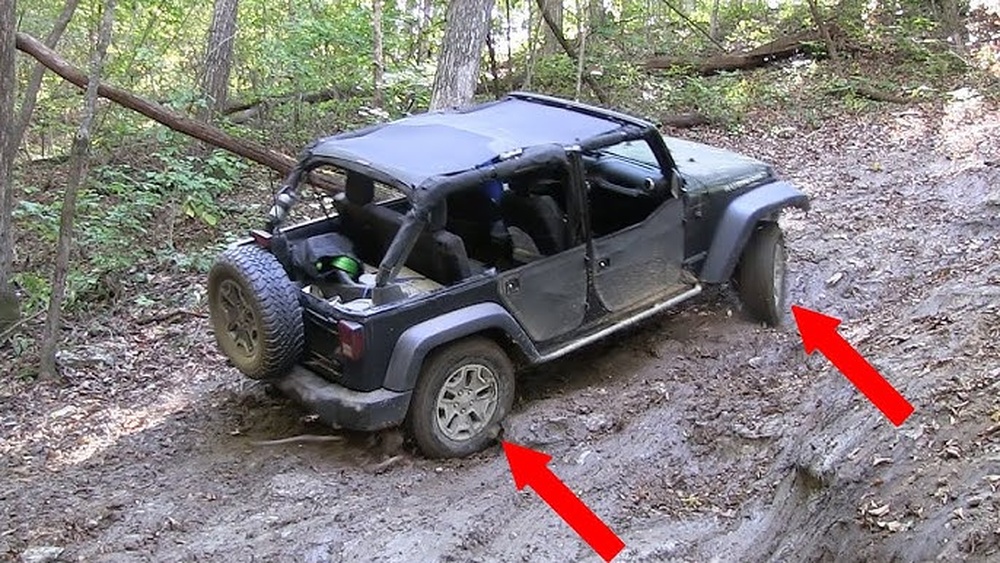
For example, if you climb a rocky hill and one tire leaves the ground, a locker keeps you moving. Without it, your spinning tire does nothing, and you could be stuck.
Factory Lockers Vs Aftermarket Lockers
Some Jeeps, like the Wrangler Rubicon, come with lockers from the factory. Others do not. Many Jeep owners add aftermarket lockers for better performance.
| Feature | Factory Lockers | Aftermarket Lockers |
|---|---|---|
| Installation | Pre-installed | Installed later, may need expert help |
| Warranty | Covered by Jeep warranty | May affect warranty |
| Performance | Good for most users | Custom options for extreme use |
Most daily drivers don’t need lockers. But if you plan to explore tough terrain, adding lockers is a smart upgrade.

How Lockers Are Activated
Selectable lockers use different systems to turn on and off:
- Electric lockers: Use a switch and electric motor.
- Air lockers: Use a switch and air pressure from a compressor.
- Cable lockers: Use a lever and cable system.
Each has pros and cons. Electric lockers are easy to use but can fail if the wiring gets wet. Air lockers are strong and popular for heavy off-roading but need an air compressor. Cable lockers are simple and reliable but may be harder to install.
Common Mistakes When Using Lockers
Many beginners think more traction is always better. But lockers are not “set and forget” devices. Here are mistakes to avoid:
- Using lockers on pavement: Lockers are for off-road use. Using them on dry pavement can damage your axle and tires.
- Turning with lockers engaged: Tight turns with lockers can make steering hard and put stress on parts.
- Forgetting to turn them off: Always turn off selectable lockers when you’re done with obstacles.
A non-obvious tip: lockers can make your Jeep harder to steer on loose surfaces because both wheels push equally. Take turns slowly and get used to the different feel.
Do You Need Lockers For Your Jeep?
Lockers are not for everyone. If you mostly drive on highways or city streets, you will not use them much. For mild trails, a limited slip differential might be enough.
However, if you want to:
- Tackle difficult off-road parks
- Drive on rocks, snow, or mud
- Join Jeep clubs that do tough trails
. . . then lockers are a good investment. Many off-roaders start with a rear locker, since most Jeeps need extra help pushing forward up hills. Later, you can add a front locker for even more grip.
Locker Maintenance And Care
Lockers are tough, but they need care. Check fluids in your differentials often—dirty oil can wear out locker parts. If you hear strange noises or your locker stops working, get it checked right away. Regular inspection helps avoid costly repairs.
Locker Myths And Realities
One myth is that lockers make your Jeep “unstoppable.” While they help, you still need the right tires, driving skills, and recovery gear. Lockers are just one part of a complete off-road setup. Another myth: adding lockers ruins daily driving. With selectable lockers, your Jeep drives normally until you turn them on.
For more technical details, check the Wikipedia page on locking differentials.
Frequently Asked Questions
What Is The Main Purpose Of Lockers On A Jeep?
The main purpose is to give equal power to both wheels on an axle, which helps the Jeep move even if one wheel slips or loses contact with the ground.
Are Lockers Only For Extreme Off-roading?
No. While lockers are most useful in extreme conditions, they can also help on moderate trails, in snow, or mud. However, city drivers will not use them often.
Can I Add Lockers To Any Jeep?
Most Jeeps can be fitted with aftermarket lockers, but installation can be complex. It’s best to ask an expert or a shop with off-road experience.
Do Lockers Wear Out Faster Than Regular Differentials?
Lockers are built strong, but poor maintenance or using them incorrectly (like on pavement) can cause faster wear. Regular checks help prevent problems.
What Is The Difference Between A Limited Slip Differential And A Locker?
A limited slip differential allows some difference in wheel speed, so it works well on and off-road. A true locker forces both wheels to turn together, giving maximum traction but making tight turns harder.
Lockers are a key part of making your Jeep ready for adventure. With the right knowledge and care, they can help you go farther and tackle trails with confidence.