When you drive a Jeep Grand Cherokee, you expect smooth shifting and reliable performance both on the highway and off the beaten path. One important but often overlooked part of keeping your Grand Cherokee running well is the transmission fluid. This special oil does much more than just lubricate parts; it controls temperature, keeps gears moving easily, and protects against wear. If you get the fluid type or maintenance wrong, it can lead to expensive repairs or even a broken transmission. This article will help you understand the right transmission fluid for your Jeep Grand Cherokee, explain why it matters, and show you how to care for your vehicle’s transmission over time.
Why Transmission Fluid Matters In Your Jeep Grand Cherokee
Transmission fluid is essential for any automatic or manual transmission system. In the Jeep Grand Cherokee, it plays a few key roles:
- Lubrication: Stops metal parts from rubbing and wearing out.
- Cooling: Carries heat away from moving parts, preventing overheating.
- Hydraulic Function: In automatic models, it helps control gear changes.
- Cleaning: Holds tiny metal bits and dirt so they don’t cause damage.
If you use the wrong fluid or let it get dirty, you can have problems like rough shifting, slipping gears, or even full transmission failure.
The cost to fix a damaged transmission can be thousands of dollars, so regular care and the right fluid are both critical.
Types Of Transmission Fluid For Jeep Grand Cherokee
Jeep Grand Cherokees have used different transmissions over the years, so not every model uses the same fluid. Here is a breakdown by generation and model year.
Atf+4 (automatic Transmission Fluid)
Most modern Jeep Grand Cherokees (from 1999 and newer) with automatic transmissions use ATF+4. This is a synthetic fluid made for Chrysler vehicles. It protects against high heat, has good friction properties, and lasts longer than older fluids.
Dexron/mercon
Earlier models (especially before 1999) may use Dexron II, Dexron III, or Mercon fluids. These are traditional fluids with different additives and properties.
Zf 8-speed Automatic
The latest Grand Cherokees (2014 and later) with the 8-speed automatic transmission require a special fluid called ZF Lifeguard 8 or a Mopar equivalent. Using the wrong fluid here can cause serious shifting problems.
Manual Transmission Fluids
Some older Grand Cherokee models had manual transmissions. These often use gear oil or a manual transmission fluid (like Mopar Manual Transmission Lubricant), which is different from automatic fluid.
Here’s a simple table to help you match your Jeep Grand Cherokee to the correct fluid type:
| Model Year | Transmission Type | Recommended Fluid |
|---|---|---|
| 1993-1998 | Automatic | Dexron III / Mercon |
| 1999-2013 | Automatic | ATF+4 |
| 2014-present | 8-Speed Auto | ZF Lifeguard 8 / Mopar 8&9 Speed ATF |
| All years | Manual | Mopar Manual Trans Fluid / Gear Oil |
Tip: Always check your owner’s manual or the label under your Jeep’s hood for the exact specification. Jeep has changed fluids between years and transmission models.
How To Check And Change Transmission Fluid
Knowing how and when to check or change your transmission fluid can save you from big repair bills. Here is a simple process that works for most Grand Cherokees with automatic transmissions:
Checking Transmission Fluid
- Warm Up the Engine: Start the engine and let it idle until it reaches normal temperature.
- Park on Level Ground: Make sure your Jeep is in “Park” and the parking brake is on.
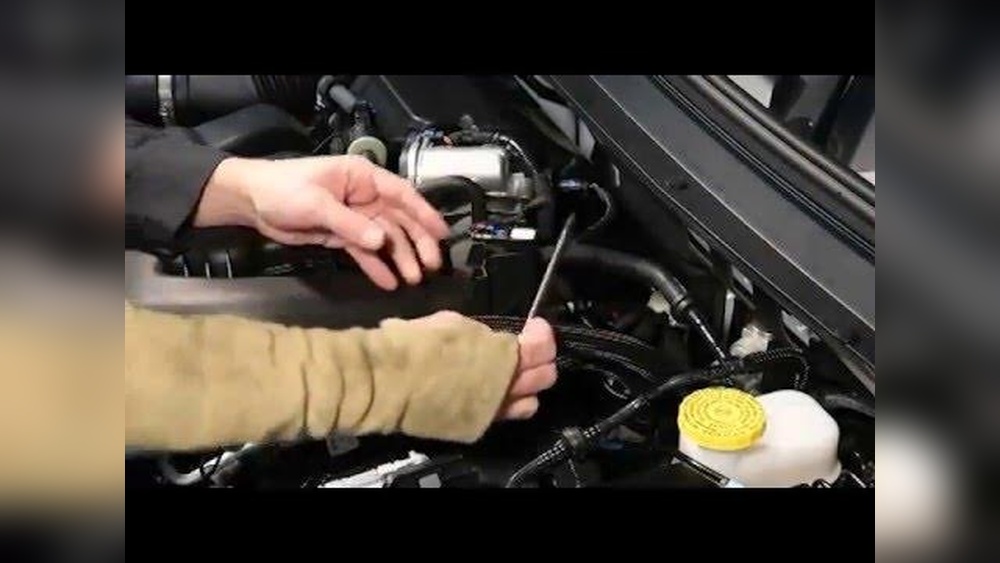
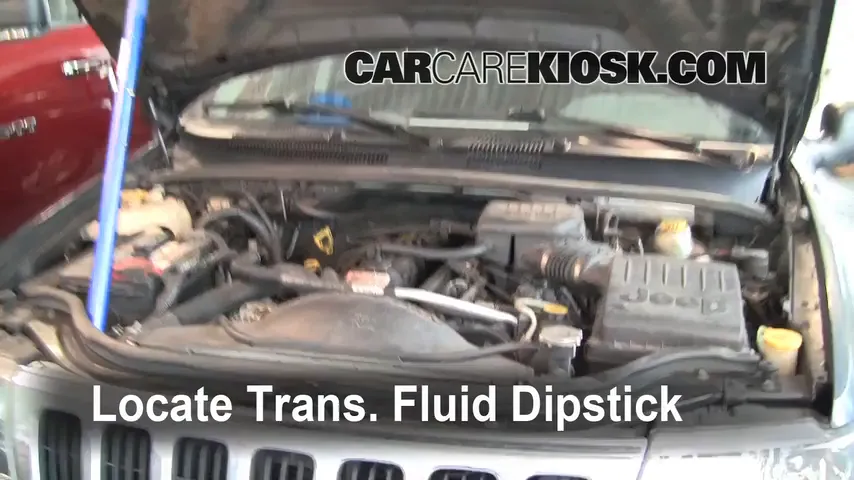
- Find the Dipstick: Most models have a transmission fluid dipstick near the engine (some new models do not; they are sealed).
- Pull the Dipstick: Wipe it clean, reinsert, then pull out to check the fluid level.
- Check Fluid Color: Fresh fluid is usually red or pink. If it’s brown, smells burnt, or has metal bits, it needs changing.
- Top Up if Needed: Add the correct fluid slowly. Do not overfill.
Changing Transmission Fluid
Changing the fluid is more complex, but here are the basic steps:
- Lift the Vehicle: Safely raise your Jeep with a jack and support it.
- Remove the Pan: Place a drain pan underneath and remove the bolts from the transmission pan.
- Drain Old Fluid: Let the old fluid flow out fully.
- Replace the Filter: If your model has a replaceable filter, swap it for a new one.
- Clean the Pan: Wipe out any sludge or bits of metal.
- Install New Gasket: Use a new gasket to avoid leaks.
- Reattach the Pan: Tighten bolts evenly.
- Refill with Fluid: Add new fluid through the dipstick tube or fill plug.
- Check Level and Leaks: Start the engine, shift through gears, and recheck fluid level.
If your model is “sealed” (no dipstick), the fluid change is more complex and may require a mechanic with special tools.
Non-obvious insight: Many people forget to change the transmission filter, but this is just as important as the fluid itself. Also, always use a torque wrench when tightening the pan bolts—over-tightening can warp the pan and cause leaks.
How Often Should You Change Transmission Fluid?
There is no single answer for every Jeep Grand Cherokee. The right interval depends on the year, transmission type, and how you drive. Here are some general guidelines:
- Normal driving: Change fluid every 60,000–100,000 miles.
- Heavy use (towing, off-roading, stop-and-go traffic): Every 30,000–60,000 miles.
- ZF 8-speed (sealed): Jeep claims “lifetime” fluid, but many experts recommend changing it every 60,000 miles for best results.
Check your owner’s manual for the official schedule. If you drive in hot weather, tow heavy loads, or go off-road, change the fluid more often.
Pro tip: Even if Jeep says the fluid lasts a “lifetime,” it’s wise to change it at least once between 60,000 and 100,000 miles. Transmission repairs are much more expensive than fluid changes.
Signs Your Transmission Fluid Needs Attention
It’s not always easy to know when transmission fluid is old or low. Watch out for these warning signs:
- Delayed or rough shifting
- Slipping gears (engine revs, but Jeep doesn’t move faster)
- Strange noises (whining, grinding)
- Red or brown puddle under your vehicle (fluid leak)
- Burnt smell from the fluid
If you notice any of these, check your fluid right away. Ignoring these signs can lead to a breakdown.
Transmission Fluid Brands And Compatibility
You don’t have to buy fluid from the Jeep dealership, but you must use a fluid that meets the Jeep/Mopar specification for your model. Using the wrong brand, even if it says “universal,” can cause issues.
Popular Brands That Work Well
- Mopar ATF+4: The official fluid for most models. Expensive but perfectly matched.
- Valvoline ATF+4: Widely available and meets Chrysler specs.
- Pentosin ATF 1 or ZF Lifeguard 8: Required for ZF 8-speed transmissions.
- Royal Purple, Castrol, Red Line: These brands offer fluids that meet Jeep specs, but always double-check the label.
Compatibility Table
Here’s a quick look at which brands work for popular Jeep Grand Cherokee transmissions:
| Transmission | Official Fluid | Aftermarket Alternatives |
|---|---|---|
| 42RE/44RE/45RFE | Mopar ATF+4 | Valvoline ATF+4, Castrol ATF+4 |
| 8HP70 (ZF 8-Speed) | ZF Lifeguard 8 | Pentosin ATF 1, Mopar 8&9 Speed ATF |
| Manual | Mopar Manual Fluid | Red Line MTL, Royal Purple Synchromax |
Important: Mixing brands is usually safe if the specs match, but never mix two types (like Dexron and ATF+4).
Common Mistakes When Servicing Transmission Fluid
Many Jeep owners make simple mistakes that can shorten transmission life. Here are a few to avoid:
- Using the wrong fluid type: Always match the fluid to your exact transmission.
- Ignoring the filter: Replace it each time you change the fluid if your model has one.
- Not checking the fluid level properly: Level must be checked with the engine running, at normal temperature, and on level ground (unless otherwise stated in your manual).
- Overfilling or underfilling: Both can cause shifting problems or even damage.
- Not cleaning the pan and magnet: These catch metal particles. Skipping cleaning can leave debris in your system.
Non-obvious insight: Many shops use “universal” transmission fluid to save money. This can void your Jeep warranty and cause problems later. Always ask to see the fluid bottle before they pour it in.
Should You Flush Or Just Drain The Transmission Fluid?
A “drain and refill” replaces only about 40–50% of the old fluid (the rest stays in the torque converter). A fluid flush uses a machine to push out almost all the old fluid.
- Flushes are good for preventive care on healthy transmissions.
- Drain and refill is safer for older transmissions with high miles, as a sudden flush can sometimes loosen debris and cause shifting problems.
If your Jeep has never had a fluid change and has over 120,000 miles, consult a transmission specialist before doing a full flush.
Cost Of Transmission Fluid Change
Prices vary by location, fluid type, and whether you go to a dealer or independent shop. Here’s a general price range for the Jeep Grand Cherokee:
- DIY: $40–$100 (fluid and filter)
- Shop: $150–$300 for drain and refill; $250–$400 for a flush
ZF 8-speed transmission fluid and filter changes are much more expensive ($400 $600) due to the special fluid and pan/filter design.
Where To Buy The Right Fluid
You can get the right transmission fluid at:
- Jeep dealerships (Mopar fluid)
- Auto parts stores (make sure it matches Jeep specs)
- Online retailers (Amazon, AutoZone, RockAuto)
Always check the label. For more on fluid specs and Jeep maintenance, the Wikipedia page on the Jeep Grand Cherokee is a reliable resource.

Frequently Asked Questions
What Happens If I Use The Wrong Transmission Fluid In My Jeep Grand Cherokee?
Using the wrong fluid can cause rough shifting, slipping, and even permanent transmission damage. Always use the fluid type recommended for your specific year and model.
How Do I Know If My Grand Cherokee Has A Sealed Transmission?
Most 2014 and newer Grand Cherokees with the ZF 8-speed transmission are sealed and have no dipstick. Check your owner’s manual or look for a dipstick under the hood. If you don’t see one, it’s likely sealed.
Can I Switch From Conventional To Synthetic Transmission Fluid?
If your Jeep originally used conventional fluid, you can usually switch to synthetic as long as it meets the Jeep/Mopar specification. Synthetic fluid often offers better protection and lasts longer.
How Much Transmission Fluid Does A Jeep Grand Cherokee Need?
The amount depends on the transmission type and year. Most automatic models need 4–8 quarts for a drain and refill, but a full flush may use up to 12 quarts. Always check your owner’s manual for the exact amount.
Is It Safe To Change Transmission Fluid At High Mileage?
Yes, but be careful. If your Jeep has never had a transmission service and has high miles, a simple drain and refill is usually safer than a full flush. Always replace the filter and use the correct fluid.
Keeping your Jeep Grand Cherokee’s transmission fluid fresh and at the right level is one of the best ways to make sure your vehicle shifts smoothly and lasts for years.
With regular checks and the right fluid, you can enjoy worry-free driving whether you're on city streets or mountain trails.